REVIEW · CHIANG RAI
Cultural trekking and boat trip
Book on GetYourGuide →Operated by Chai Machete Tours · Bookable on GetYourGuide
A long-tail boat, then a trek you can shape.
I love the long-tail boat ride up the Mae Kok River toward the Buddha cave, and I love that you plant a tree yourself, choosing the spot for a small memorial. The one thing to consider: the trekking starts with some sun and can feel steeper at first, so good shoes matter.
What makes this day feel real is the mix of nature stops and people-focused breaks—plus a guide who keeps the story going, like guide June, who comes across as genuinely human and easy to connect with. I also like that the lunch and drinking water are handled, so you’re not scrambling between river, villages, and the trail.
By the end, you’re not just tired—you’re rewarded. You’ll reach Huay Kaew waterfall (a swim is possible) and finish with a mineral hot bath at the hot spring before heading back to your pickup point.
In This Review
- Key highlights to look for on this Chiang Rai day
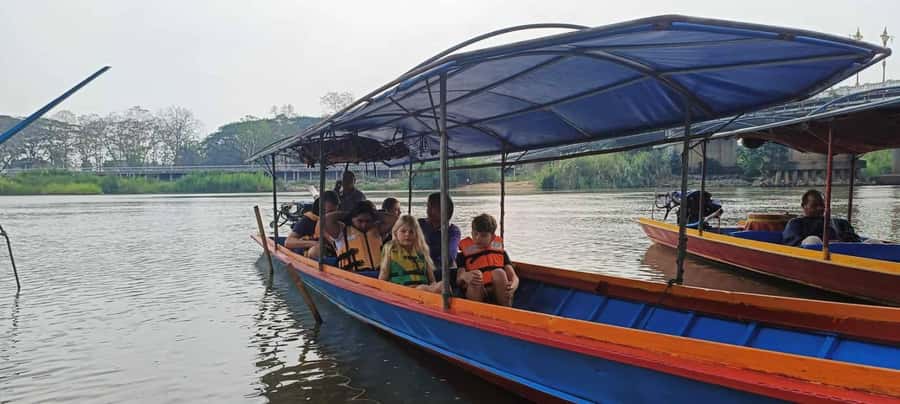
- Sliding Up the Mae Kok River on a Long-Tail Boat
- Getting Set for Tree Planting Before You Even Hike
- Bamboo Forest and Farm Land Trek: Easy When You Set the Pace
- Lunch in Chiang Rai: Local Food Style and a Real Pause
- Meeting Lahu and Akha Communities on Foot
- Huay Kaew Waterfall Swim: The Reward Stop
- Tea Plantation and Chinese Village: A Different Side of Chiang Rai
- Hot Mineral Bath at the Hot Spring: End Strong
- Price and What $94 Actually Buys You
- Who This Tour Is Best For (and Who Should Skip It)
- Should You Book This Chiang Rai Cultural Trek and Boat Day?
- FAQ
- What’s the tour duration?
- How do I get to the start of the day?
- How long is the boat trip?
- How long will I walk?
- What’s included in the price?
- What language is the tour guide?
- What should I bring?
- What about cancellations and flexible booking?
Key highlights to look for on this Chiang Rai day
- Long-tail boat scenery on the Mae Kok River, with a ride out to the Buddha cave area
- Tree planting with your own chosen spot, including the plant being prepared for you before you head out by boat
- Hill-tribe visits to Lahu and Akha villages, with culture and nature explained as you walk
- Huay Kaew waterfall, where you can cool off with a swim if you want
- Tea plantation and Chinese village stops, adding a different side of the region
- Mineral hot spring bath, built in for recovery after the hike
Sliding Up the Mae Kok River on a Long-Tail Boat
Your day starts with pickup, then you head toward the boat pier. Before you even step onto the water, the plant for the later tree-planting part is already taken care of—so nothing feels rushed when you’re switching modes from transport to trekking.
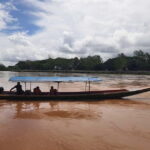
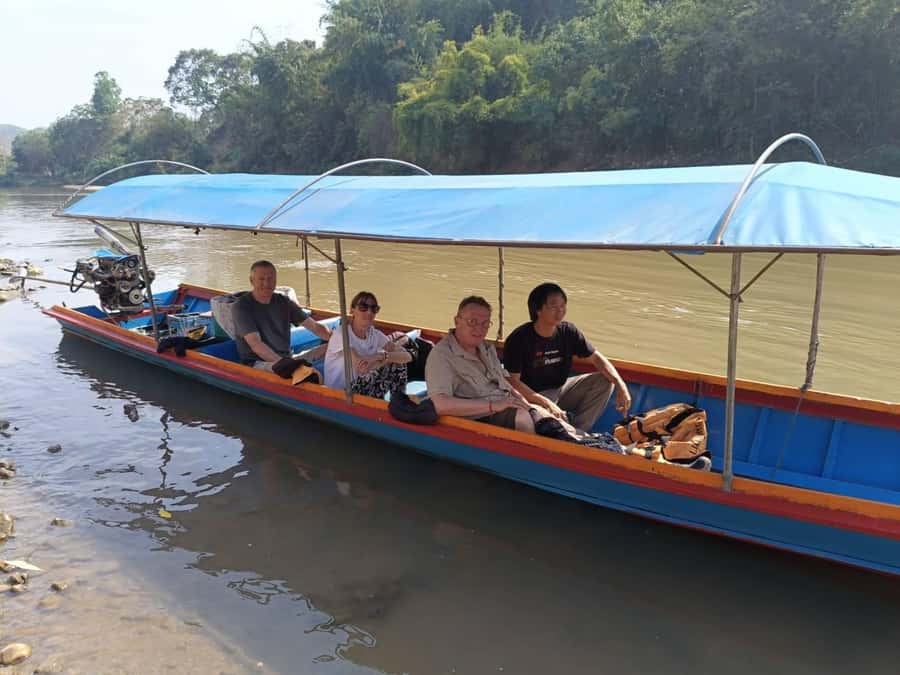
The boat ride itself is about 45 minutes on a motor long-tail boat. You’ll enjoy the Mae Kok River scenery as you travel up the river toward the Buddha cave area. It’s a nice change of pace early in the day because you’re not instantly sweating on the trail, and the water view helps you reset your expectations for what comes next.
If you like days where travel isn’t just transportation, this river segment is your on-ramp. It gives you a calm start before the walking and village time, and it also makes the whole route feel connected, not like separate bus stops.
You can also read our reviews of more tours and experiences in Chiang Rai.
Getting Set for Tree Planting Before You Even Hike
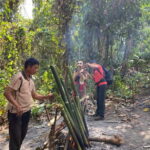
One of the most memorable parts here is the tree-planting piece, and it’s handled thoughtfully. You bring along the tree plant later, but it’s prepared for you before the boat trip—so you’re not trying to manage extra items when your attention should be on the route and the scenery.
After lunch (more on that in a minute), you’ll walk through bamboo forest and farm land. During that section, you’ll have the tree plant with you, and you can choose your own spot on the trekking area. The point isn’t big ceremony—it’s that small, personal act of putting something back.
Practical note: you should assume the ground near planting spots can be uneven and muddy in places. Comfortable trekking footwear matters here, because you’ll be walking off-and-on near paths while you position yourself for the planting.
Bamboo Forest and Farm Land Trek: Easy When You Set the Pace
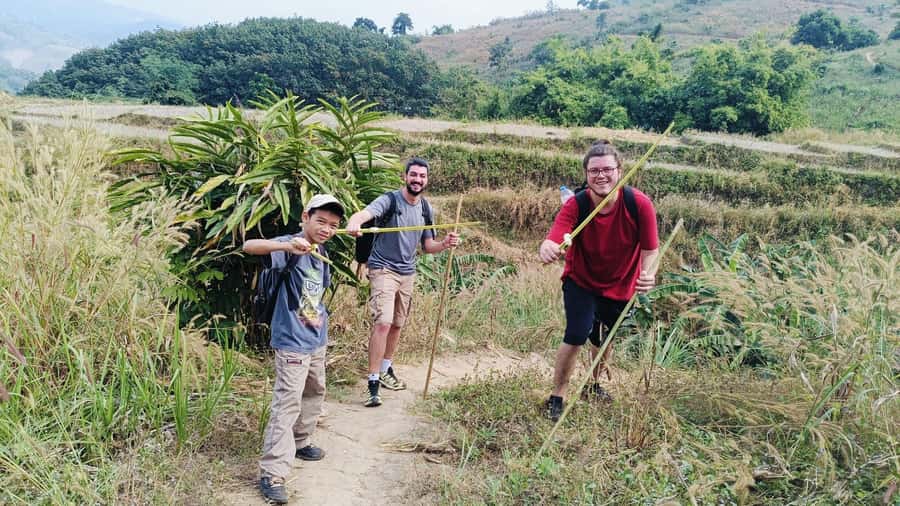
Once you’re moving, the trail is designed to be doable without feeling like a full-on mountain mission. The total walking time is roughly around 3 hours, split across two hiking stretches (with lunch and village stops breaking things up).
The first part of the trek can feel like the hardest moment—there’s a sun angle in the early stretch, and it can be a bit steep in those first minutes. After that, it tends to smooth out and become a route you can handle, especially with steady pacing and frequent pauses with your guide.
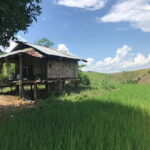
You’ll pass through a bamboo forest area and then farm land. This is where the day becomes more than sightseeing: you start noticing small details like how people farm, where footpaths lead, and how the local rhythm fits the land. Your guide keeps narrating, not just calling out places.
Lunch in Chiang Rai: Local Food Style and a Real Pause
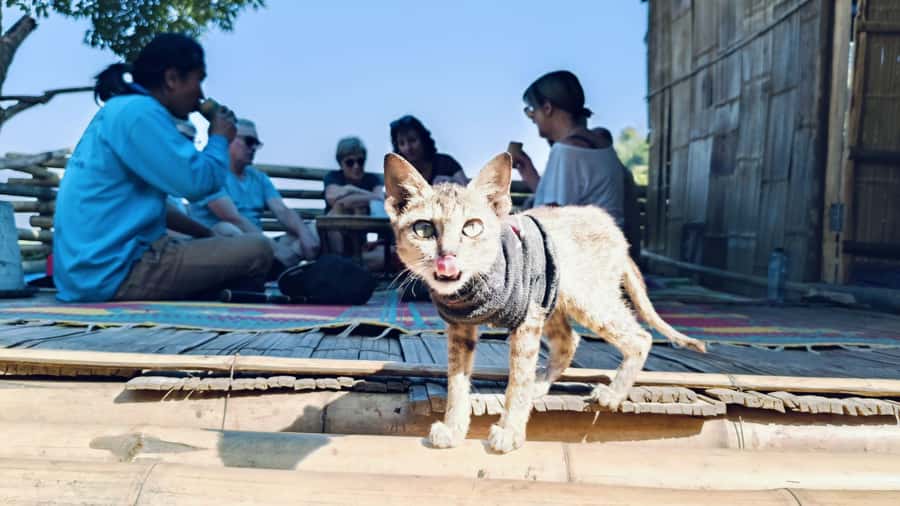
You’ll stop for lunch at a local restaurant, with about an hour set aside. This is also when you’re refueled for the afternoon walking—so don’t treat it like a quick snack and run.
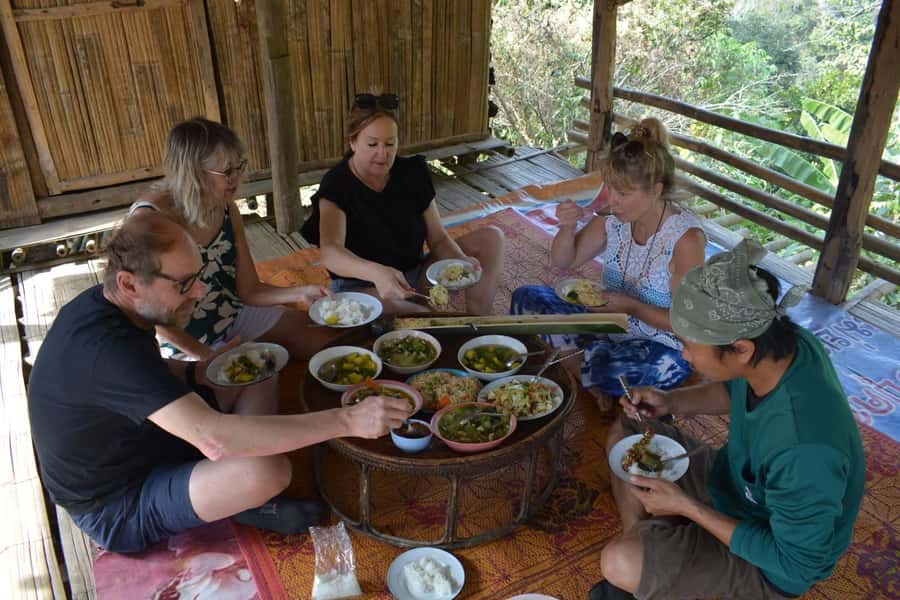
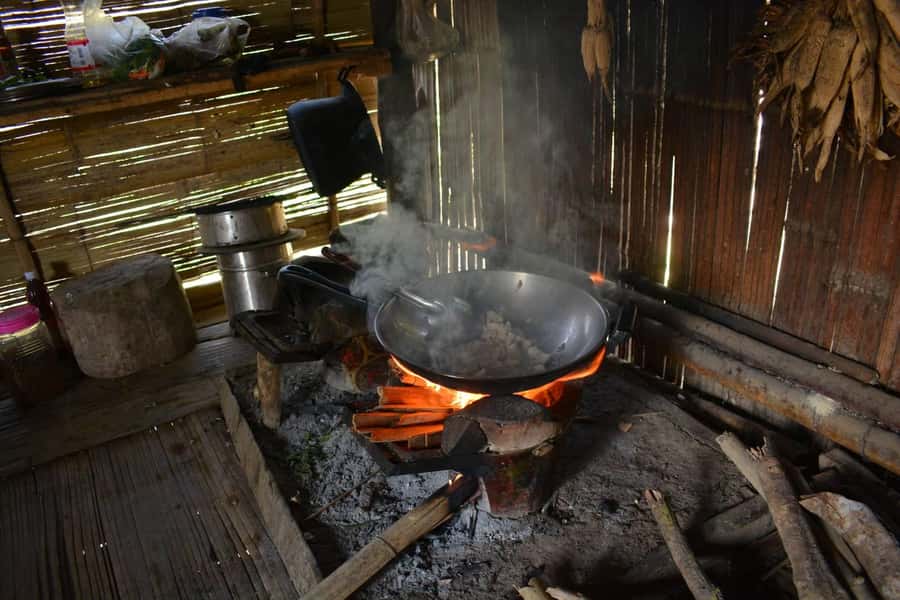
Food here is described as special along the route, and one memorable moment people point to is cooking together in a simple bamboo hut when the day’s schedule allows it. Even if your specific day doesn’t include that exact activity, the structure is the same: you’re meant to eat like part of the region’s daily routine, not like you’re eating for show.
Drinking water is included, which helps you stay comfortable on a hot day. If you’re sensitive to heat, use the lunch stop as your true reset point: slow your breathing, hydrate, and get your shoes sorted before you continue.
Meeting Lahu and Akha Communities on Foot
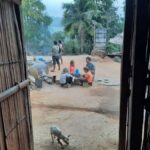
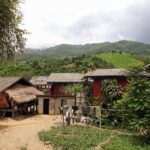
After lunch, the walking continues toward the Lahu and Akha hill tribe village areas. This is where the day becomes people-centered. The guide’s job isn’t just logistics—it’s to explain what you’re seeing as you go, including bits of local nature and culture along the way.
The vibe in these villages is typically friendly and open, which matters more than people realize. When communities feel comfortable with visitors, you don’t get that awkward, rushed feeling. You get time to observe respectfully and absorb the meaning behind daily life.
You should still expect a normal trek rhythm: walk, pause, listen, walk again. The good news is that the route is set up for a practical pace, with the main walking blocks spaced out so you’re not constantly on the steep section.
Huay Kaew Waterfall Swim: The Reward Stop

Later, you’ll reach Huay Kaew waterfall, described as the second largest waterfall in Chiang Rai. This is one of those stops where you’ll feel the day’s timing in a good way—after hours of walking and village visits, the waterfall gives you space to cool down and reset your legs.
A swim is available if conditions and your comfort allow. That’s a key practical point because your swim gear isn’t included. If you think you’ll want to get in the water, pack a swimsuit; otherwise, you can still enjoy the waterfall views from the side.
Even if you don’t swim, this is a strong moment for photos and for simply letting the day slow down. Water stops work best when you use them to recover rather than sprint through them.
Tea Plantation and Chinese Village: A Different Side of Chiang Rai
From the waterfall area, the route continues to a Chinese village and a tea plantation. This part adds variety. After hill-tribe village time, you get a look at another cultural thread and a production-based stop where tea ties the landscape to everyday work.
Tea plantation visits are especially interesting if you like understanding how a product is grown and why the area matters. You’re not just watching people perform for photos—you’re seeing how local life connects to agriculture and land.
It’s also a good buffer before the last part of the day. You’ve already done most of the walking, so these stops feel more like you’re absorbing context rather than paying in sweat.
Hot Mineral Bath at the Hot Spring: End Strong
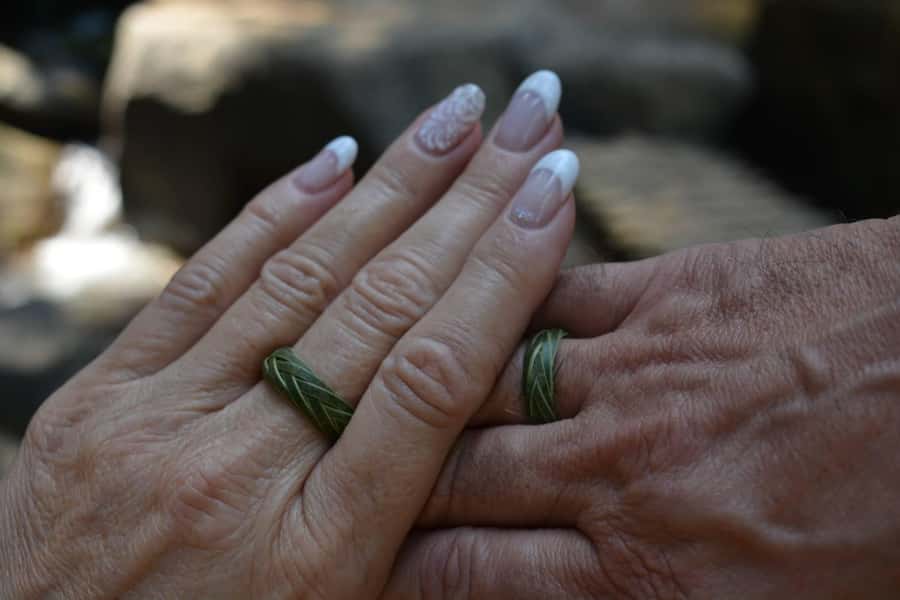
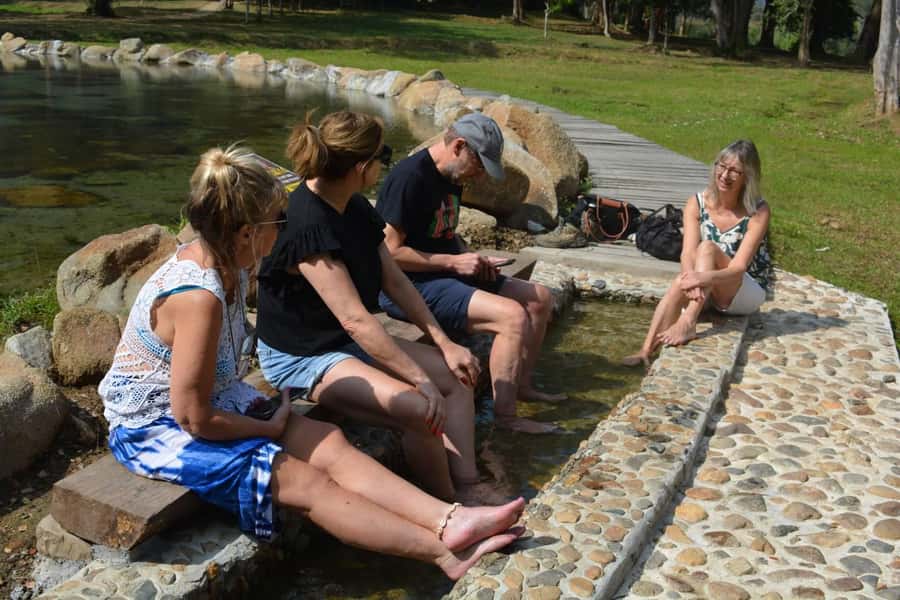
Your day finishes at the hot spring area, where you’ll take a mineral hot bath before returning to your hotel by car. This is more than a nice extra. A hot bath at the end is the difference between feeling sore for days versus feeling mostly human again the next morning.
Because hot bath time is included, you don’t have to negotiate extra fees or find a place that fits your schedule. It also makes the pacing of the day work: trekking, then cooling water at the waterfall, then warm recovery to close the loop.
If you’re the type who plans for comfort, use this time wisely. After the trek and the waterfall, your muscles will appreciate the heat, and you’ll leave the day with less fatigue.
Price and What $94 Actually Buys You
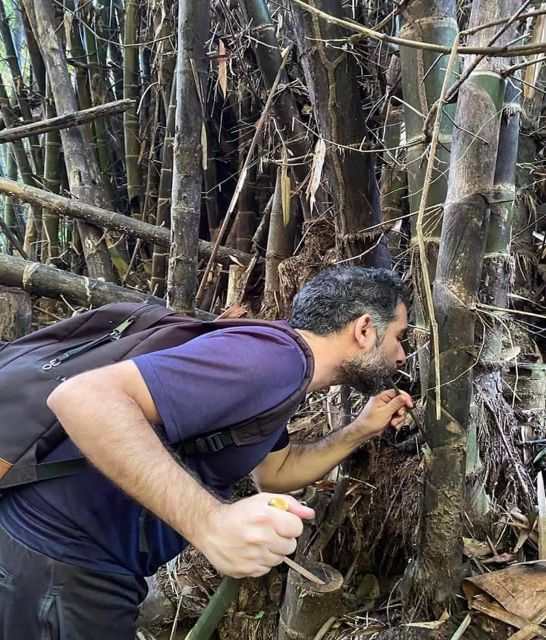
At $94 per person for a full day, you’re not paying just for a hike. You’re paying for a bundle of time, transport, and included experiences: pickup and transportation, a licensed tour guide (TAT license), lunch plus drinking water, the long-tail boat trip, the tree planting material, and the hot bath at the hot spring.
If you tried to stitch this together on your own, you’d likely spend extra time coordinating transport between river, villages, waterfall, tea stops, and the hot spring. You’d also spend more on paying guides separately for different sections. Here, the value comes from removing that stress and keeping the day flowing.
What’s not included is also worth noting. You’ll need hiking shoes, plus mosquito repellent, and a swim suit if you want to take advantage of the waterfall swim. If you already travel with those items, the package feels even more straightforward.
In plain terms: this is good value for a structured day that mixes culture, hiking, and a real recovery stop at the end.
Who This Tour Is Best For (and Who Should Skip It)
This is best for active travelers who want more than a quick photo stop. You don’t need to be a hardcore athlete, but you should be comfortable walking for a few hours total and handling uneven ground during village and trekking segments.
You’ll likely enjoy it most if you like:
- walking with a guide who explains what you’re seeing
- meeting rural communities respectfully
- mixing scenic river time with outdoor stops
- ending with a hot spring bath instead of plain transportation home
It’s not suitable for people with diabetes, babies under 1 year, or people over 95 years. If any of those apply, it’s worth skipping to protect your safety and comfort.
Should You Book This Chiang Rai Cultural Trek and Boat Day?
I’d book this if you want a day that feels woven together: Mae Kok River boat time, village walks, a meaningful tree-planting act, a waterfall you can swim in, tea and Chinese village stops, then a mineral hot bath to wrap it up. The price makes sense because most of the key logistics are included, and you’re not just doing one activity—you’re doing several in a coherent route.
Book it especially if you appreciate a practical, respectful way of meeting local life. And if you’re the type who trains your body for long walks, this route has a pace you can handle, with an easier rhythm after the early steeper sun-exposed stretch.
Just go prepared: pack hiking shoes, consider mosquito repellent, and bring a swim suit if you want that waterfall moment.
FAQ
What’s the tour duration?
It’s a 1-day experience.
How do I get to the start of the day?
Pickup is included from your hotel, the airport, or the bus station.
How long is the boat trip?
The boat trip is about 45 minutes.
How long will I walk?
Total walking is around 3 hours, spread across the hiking sections.
What’s included in the price?
Transportation, a TAT-licensed tour guide, lunch and drinking water, the boat trip, the tree planting, and a hot bath at the hot spring.
What language is the tour guide?
The guide speaks Thai and English.
What should I bring?
Bring a camera, hiking shoes, and cash.
What about cancellations and flexible booking?
You can cancel up to 24 hours in advance for a full refund, and you can reserve now and pay later.