REVIEW · UBUD
Private Mount Batur Sunset Trekking – All inclusive tour
Book on Viator →Operated by Bali Volcano Hiking · Bookable on Viator
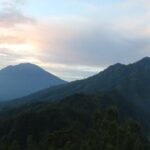
Sunset hikes on Mount Batur hit different at golden hour. This all-inclusive trek is built around a later start, so you trade the early-morning scramble for cooler temps, quieter trails, and that slow reveal of Kintamani and the volcano. I especially like the walk-support details (walking sticks plus torches) and the volcanic-steam cooking moment where eggs or bananas get cooked right on the vents. The one consideration: if weather turns cloudy, you may lose the main sunset view, even though the hike and steam-cooking still deliver.
You’ll also like the flow of the day. Hotel pickup happens in the early afternoon, the hike starts mid-afternoon, and you’re back at your hotel by evening. It’s a simple schedule with real guardrails, which matters on a steep, uneven volcano trail.
The trek is guided, and they ask for moderate physical fitness. Even with sticks, expect slippery volcanic rock and a hike that can feel longer than the clock suggests—especially on the way down when it gets dark.
In This Review
- Quick hits (what stands out fast)
- Sunset Timing That Actually Changes the Experience
- From Ubud Pickup to Kintamani: How the Day Is Structured
- The Climb Up Mount Batur: Sticks, Torches, and Volcanic Rock
- At the Top Around Sunset: Steam-Cooked Eggs and Banana
- Temple Passes and Rainforest Walks: The Cultural Side of the Trek
- Kintamani Area and Coffee Plantation Entry: Worth It or Skip It?
- Included Gear and All-Inclusive Value (Plus What You Still Pay For)
- Guides and Drivers: The Human Part That Makes It Smooth
- What to Wear and Bring for a Comfortable Descent
- Who This Tour Really Suits (and Who Might Want Another Option)
- Booking Tip: When You Should Lock It In
- Should You Book This Mount Batur Sunset Trek?
Quick hits (what stands out fast)
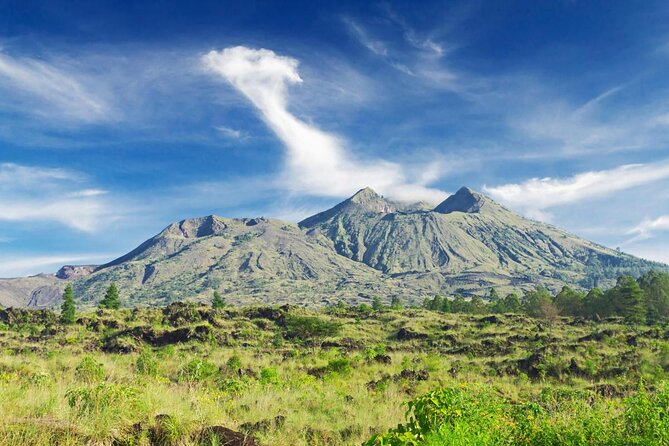
- Afternoon timing for a less hectic Batur: a good swap if you hate the 2–4 a.m. alarm routine
- Walking sticks and torches included: practical gear for steep ground and late descent
- Volcanic steam cooking: banana and eggs cooked in the vents while you’re at the top
- Kintamani and a coffee plantation stop: more than just hiking, with extra cultural flavor
- Max 15 travelers: keeps things from turning into a crowded cattle-car
- Air-conditioned vehicle and bottled water: comfort between stops when Bali traffic and heat do their thing
Sunset Timing That Actually Changes the Experience
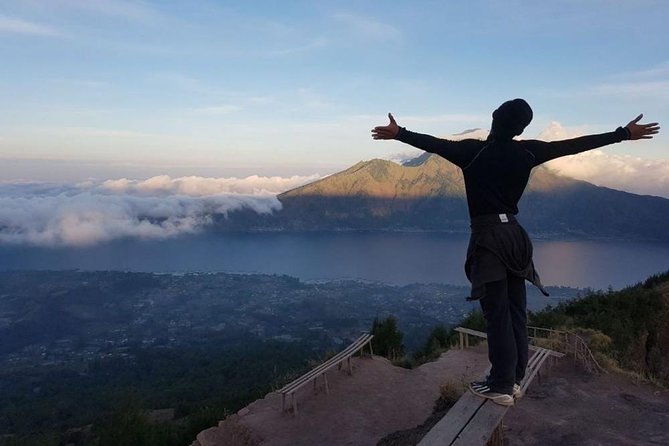
A Mount Batur sunrise trek is famous for a reason, but sunset gives you a different feel. Starting in the afternoon means you’re climbing when the light is softer, and you’re reaching the peak as the day cools down. You also spend less time fighting that pre-dawn darkness and cold that many people struggle with.
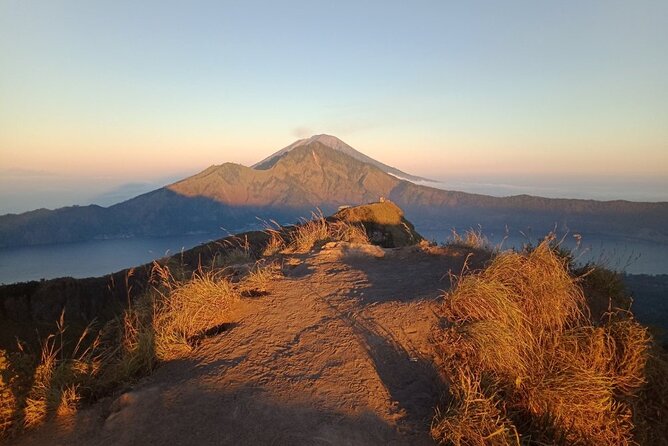
What you’re really buying with the sunset schedule is pacing. The hike starts at 15:15 with a licensed hiking guide, and you’re up top by around 17:35. That gives you time to settle in at the viewpoint, watch the colors shift, and then start descending while the light fades. It’s not just a timing tweak; it changes how your legs experience the mountain.
One more detail I appreciate: this kind of evening trek tends to mean fewer “rush moments.” You’re not sprinting to be early at the top, which makes it easier to enjoy the views, listen to the guide, and take breaks without feeling like you’re in a race.
You can also read our reviews of more tours and experiences in Ubud.
From Ubud Pickup to Kintamani: How the Day Is Structured
The day is organized around three main parts: transport, hiking, and sightseeing stops.
- 13:00–14:00 Hotel pickup and drive to the starting point
The exact start depends on where you’re staying, but you’re typically collected sometime in that window. This is one of those no-stress inclusions—if you’re staying in Ubud, you don’t want to figure out routes and parking for a mountain adventure.
- 15:00 arrival at the starting point
This is where you get your bearings before the climb. You’ll be guided from the beginning, so you’re not left guessing where to go.
- After the peak and sunset snack break, descent begins around 18:00
Then you’re headed back down, and you don’t end the day on your own. You’re scheduled to wrap up around 19:30 with a return drive to your hotel.
Between the hike and the viewpoint, you’ll also pass through places that feel distinctly local. The route is described as taking you by Balinese holy temples, local farms, and through scenic rainforest. Even if you don’t know every stop name, you’ll feel the shift from village life to volcanic terrain and back again.
There’s also an included entrance ticket to the Kintamani area and a coffee plantation entry. That means the day isn’t only about the mountain; you get time to stretch your legs and see more of what the region is known for.
The Climb Up Mount Batur: Sticks, Torches, and Volcanic Rock
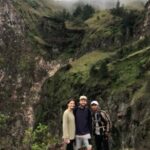
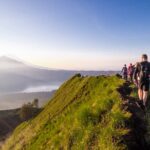
Here’s the honest part: Mount Batur isn’t a flat stroll. It’s steep in places and the ground is volcanic—meaning uneven and sometimes slick. This is why they include walking sticks and torches, and why a licensed guide matters.
The hike is led from 15:15 onward, so you’re climbing in daylight and with enough light to find your rhythm at first. Still, as you get toward the return, things can darken quickly, which is exactly where those torches come in.
A couple of practical points you’ll thank yourself for:
- Use the walking stick. Even when you think you’re fine, the stick reduces strain on your knees during steep sections.
- Watch your footing on volcanic stones. The footing can feel stable until it isn’t. Your guide helps with route choices and pacing, and some people find the descent the trickiest part.
You’ll likely move through different terrain textures—ground that looks and feels different as you gain altitude. The guide will also share context about the volcano and local culture as you walk, so the climb feels like more than cardio.
At the Top Around Sunset: Steam-Cooked Eggs and Banana
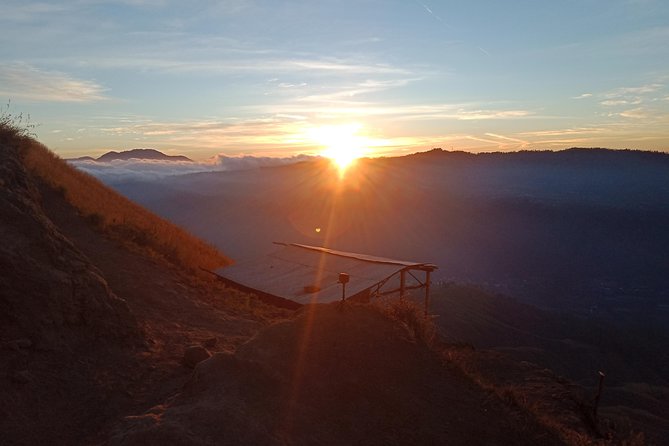
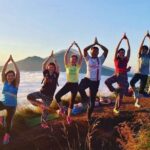
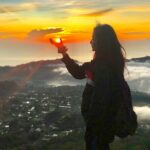
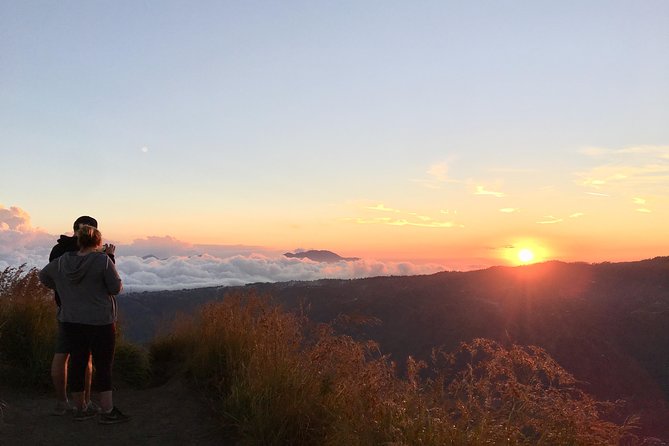
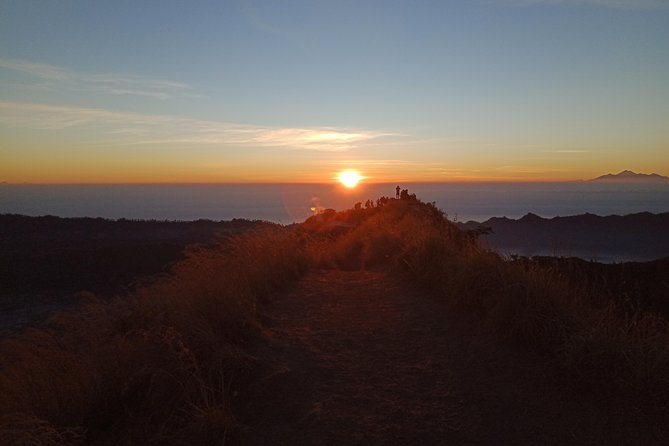
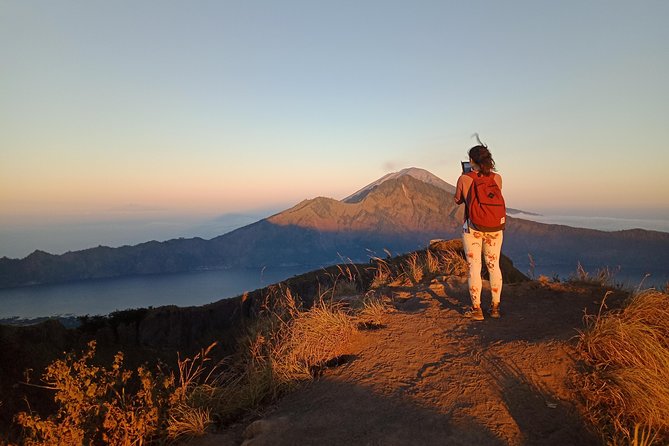
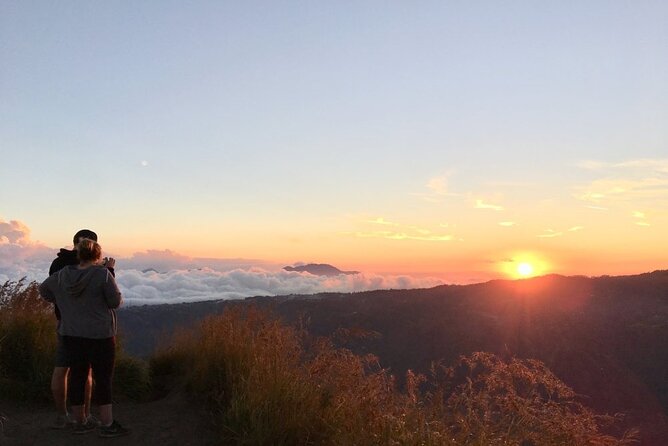
The peak is the payoff. You arrive around 17:35, and that’s when the view takes over. The goal is a spectacular sunset view, and if the weather cooperates, it’s memorable.
Even if the sky is cloudy, the experience has a second anchor: the volcanic steam cooking. Your guide cooks bananas or eggs using steam vent heat. It’s a simple idea, but it’s genuinely fun to watch. You’re standing near a living geological feature, listening to the guide explain the volcano, and then eating something made from that steam.
This is also where you slow down. The schedule gives you time at the top for the viewing moment and the food break before descending. That matters because on hikes, people often rush through the best part just trying to finish. Here, the timing is set up so you don’t have to.
One note based on real-world variability: if clouds roll in, you may lose the sunset view. That happened for at least one person on this kind of trek, but they still enjoyed the eggs cooked in the steam vents. So think of the sunset as a bonus rather than the only reason to go.
Temple Passes and Rainforest Walks: The Cultural Side of the Trek
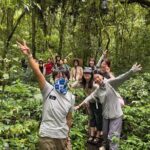
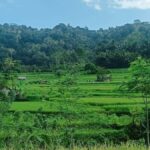
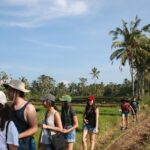
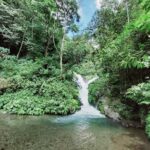
This isn’t a mountain hike that ignores the island around it. The route is described as passing Balinese holy temples and local farms, and it also includes scenic rainforest sections. That means you’re not just looking at rock and sky; you’re walking through the places that make the volcano feel connected to daily life.
What this adds for you is perspective. Mount Batur is famous, but it’s also part of a working landscape—people farm in the area, and communities build spiritual sites close to the environment they depend on.
Your guide should help connect those dots. They’re there not only to keep you moving, but to tell you what you’re seeing as you move through temple areas and farmland. If you like explanations, this is a good fit.

Kintamani Area and Coffee Plantation Entry: Worth It or Skip It?
After the mountain portion, you’ll have included stops that broaden the day beyond the climb itself.
You have entrance ticket to Kintamani Area and coffee plantation entry. In practice, the coffee stop is there to give you a taste of the region’s signature product and a chance to learn how coffee is grown. It’s also a reasonable way to warm up a bit and get a break after the hike.
That said, not everyone connects with every add-on. One person found the coffee plantation part less enjoyable than the hike, while still appreciating the overall tour and the guide and driver. Translation for you: if your priority is only the mountain and sunset, treat the coffee stop as an included extra, not the main event.
For many people, though, it’s a nice way to round out the afternoon. You go from climbing volcanic terrain to learning about agriculture, then finish with transport back to Ubud.
Included Gear and All-Inclusive Value (Plus What You Still Pay For)
For $25.50 per person, this tour is priced as an accessible way to do Mount Batur with the essentials handled. The value is strongest if you don’t want to coordinate transportation, tickets, and hiking supplies on your own.
Here’s what’s included:
- Snacks
- Air-conditioned vehicle
- Torches
- Bottled water
- Coffee and/or tea
- Walking stick
- Entrance ticket to Mount Batur
- Entrance ticket to Kintamani Area
- Entrance ticket to Coffee plantation
What’s not included:
- Alcoholic beverages
- Soda/Pop
- Dinner
So you should plan for your own dinner. Since the tour ends around 19:30, you’ll likely want to eat afterward in Ubud. If you’re the type who likes to carry a little extra energy, you may want a simple snack you love in your day bag too, even though snacks are included.
Also worth noting: it’s listed with mobile ticket and you’ll get confirmation at booking time. And the group size is capped at 15 travelers, which usually means you won’t feel lost in a huge crowd.
Guides and Drivers: The Human Part That Makes It Smooth
On volcano hikes, your guide makes a huge difference. This tour uses licensed professional hiking guides, and the experience tends to feel well-organized. People specifically praised safety and pacing, and that’s not small.
You may meet different guides and drivers depending on your date. Some names that came up include Mede as a guide, Wayan as a guide, and Mawe as a driver (all in the same tour context). If you get a similarly experienced team, you’ll likely get help with the steep sections and a calm, clear approach during the descent.
English might vary by guide, but the goal is simple: you’re being led safely up and down, and you’re getting the context for what you’re seeing. If you prefer clear communication, it’s still smart to go in with a patient attitude—hikes are about teamwork, not perfect grammar.
What to Wear and Bring for a Comfortable Descent
Even with included gear, you’ll want to dress for volcano conditions. The hike involves steep climbing, uneven ground, and a descent that can get dark—so comfort and grip matter.
I’d plan around:
- Sturdy shoes with grip (volcanic stones can be slippery)
- Light layers: the top cools off and the weather can shift
- A small day bag for water you might prefer beyond what’s provided
- Sun protection if the sky stays clear on the way up
Torches are included, and walking sticks are included too. But your body still does the work, and good footwear turns the whole hike from stressful to manageable.
Also, you’re doing this in the afternoon into evening. Bring a mindset that says: pack for comfort, not just style.
Who This Tour Really Suits (and Who Might Want Another Option)
This tour is a strong fit if:
- you want to do Mount Batur without an ultra-early start
- you like having a guide explain the volcano and the cultural stops
- you want hands-on help with safety gear (sticks and torches)
- you care about value and prefer a package that includes tickets, transport, and essentials
You might think twice if:
- you’re extremely sensitive to steep stairs-like uphill walking, even with sticks
- you’re only interested in the absolute best sunset conditions and don’t want weather uncertainty
- you dislike sightseeing add-ons, since Kintamani and a coffee plantation are part of the day
Because the schedule is about 8 hours approx., this works well for many visitors who want an adventure day but still need enough evening time to eat and unwind in Ubud.
Booking Tip: When You Should Lock It In
On average, this tour is booked about 15 days in advance, which tells you something: it’s popular. If you’re traveling during busy periods or you’re picky about timing, booking earlier gives you better odds of fitting your schedule.
Also remember that confirmation comes at booking, and cancellation is free up to 24 hours in advance for a full refund. That’s useful if you’re juggling weather or flight changes.
Should You Book This Mount Batur Sunset Trek?
I’d book it if you want the Mount Batur experience with a more civilized schedule and you like the idea of a volcanic-steam cooking stop at the top. The combination of licensed guiding, included sticks and torches, and an organized pickup-to-dropoff day makes it feel practical, not chaotic.
I would hesitate only if you know you can’t handle steep, uneven footing or if you’re expecting a guaranteed sunset no matter what the sky does. The sunset is a target, not a promise. But even then, the steam-cooked eggs or bananas and the guided hike still give you a solid core experience.
If your Bali trip includes Ubud and you want one memorable mountain day without the sunrise alarm, this is a very reasonable choice.