REVIEW · KATHMANDU
Everest Base Camp Trek 14 days
Book on Viator →Operated by Happyland Treks · Bookable on Viator
A trek to Everest starts with a flight. This 14-day Everest Base Camp route takes you into the high Himalaya with planned altitude breaks, acclimatization days, and an English-speaking guide who keeps the logistics moving.
I also like that the big moving parts are covered in the package—Kathmandu to Lukla flights, meals on trek, and required permits—so you can focus on your steps. One consideration: you’re going high (above 5,000m), and the trip doesn’t include travel medical insurance or emergency evacuation, so you’ll want that sorted before you go.
In This Review
- Key highlights worth clocking before you book
- Kathmandu first: getting ready for altitude, not just sightseeing
- The Lukla flight jump: exciting, quick, and logistics-friendly
- Phakding to Namche: the first big “wow” comes with work
- Namche to Tengboche: altitude rises, scenery gets sharper
- Dingboche to Lobuche: you’re nearly in the “high zone”
- Gorakshep and Everest Base Camp: the final grind, then payoff
- Kalapathar sunrise: an early wake-up with a reason
- The return walk: Pangboche back toward Namche and Lukla
- What’s included (and why it matters for real value)
- Pace, fitness, and the reality of 5,000m-plus trekking
- Who this Everest Base Camp trek fits best
- Should you book Happyland Treks for Everest Base Camp?
- FAQ
- What duration is the Everest Base Camp trek?
- Where does the tour start and what time does it begin in Kathmandu?
- Are airport transfers included in Kathmandu?
- Are domestic flights to Lukla included?
- What’s included for meals and drinks during the trek?
- Is a guide included, and do I get porter support?
- Is travel medical insurance included?
Key highlights worth clocking before you book
- Kathmandu-to-Lukla domestic flights are included (round-trip), which removes a huge guessing game.
- Everest National Park permit and TIMS card are covered, so you don’t have to chase paperwork once you arrive.
- Acclimatization days in Namche Bazaar and Dingboche help break up the altitude climb with real rest time.
- Tea house lodging and meals on trek are included, plus three cups of tea or coffee per day.
- Porter support is built in (one porter for every two people), which helps you stay more comfortable.
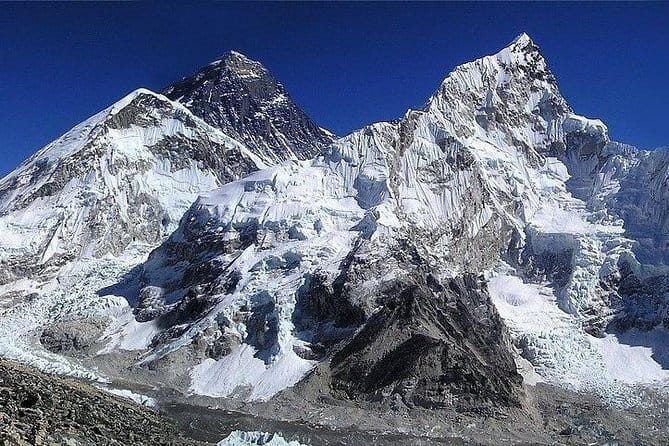
- Kalapathar early hike is part of the schedule for sunrise views over the Everest area.
Kathmandu first: getting ready for altitude, not just sightseeing
You start in Kathmandu with an easy first step: transfer to your hotel and two nights in town with breakfast. This matters because Everest trek days are long, and you’ll want a solid base before the first big movement north.
Even if you’re arriving with jet lag, Kathmandu is the place to handle the practical stuff: confirming your gear list, getting your body used to local time, and asking your guide how the first hiking day usually feels. Happyland Treks also sets expectations through their team communication. In customer feedback, the owner Bimal Dahal (often called Happy Bimal) is mentioned as clear and responsive ahead of the trek—use that. Ask how strict the pace will be, what to pack for cold nights, and how they handle small trail changes if weather shifts.
You’ll also get a trip certificate, plus a company duffel bag and t-shirt. Those aren’t the reason to go, but it’s a nice touch that helps you feel like the trip is organized, not improvised.
What I like: two Kathmandu nights with breakfast gives you breathing room before the climb.
What to watch: the package doesn’t cover lunch/dinner in Kathmandu, so plan on a couple of meals out on your own.
You can also read our reviews of more tours and experiences in Kathmandu.
The Lukla flight jump: exciting, quick, and logistics-friendly
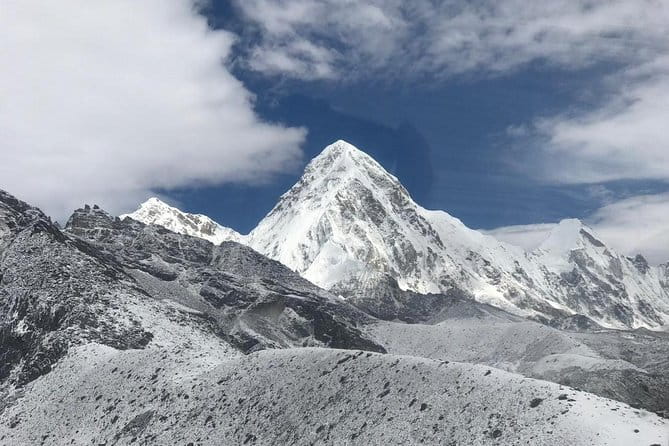
The trek really starts when you fly from Kathmandu to Lukla (2,840m). The flight time is listed as about 40 minutes, and it’s followed by your first walking day toward Phakding (2,610m).
This is a key value point. Many Everest trips either make you arrange domestic flights yourself or treat them like a separate cost. Here, the domestic flights Kathmandu–Lukla–Kathmandu and airport tax are included, and that’s one less risk to manage. Also, getting to Lukla quickly helps you spend more energy on the trail days that actually change your altitude and scenery.
Practical note: if you’re sensitive to early starts, keep in mind the meeting time is 5:00am at Happyland Treks’ meeting point in Kathmandu. That early call time is normal for mountain travel, but it’s good to plan your rest accordingly.
Phakding to Namche: the first big “wow” comes with work
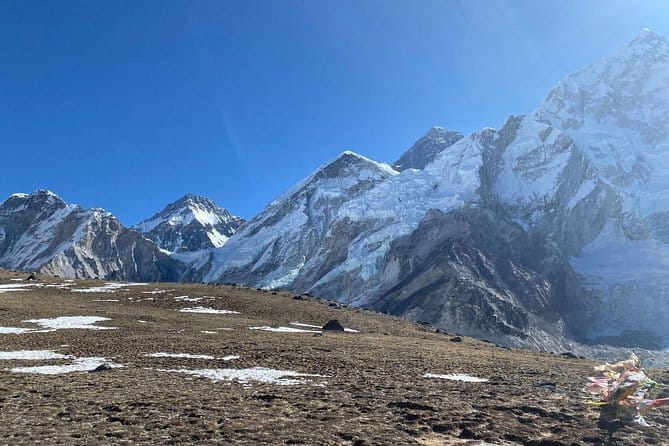
After arriving in Lukla, you walk to Phakding. Your next major push is from Phakding to Namche Bazaar (3,440m), which is listed as a long walking day (about 12 hours).
This section is where your legs learn the trail rhythm. Even when the altitude gains feel gradual on paper, your body notices. Expect that the work comes from steady uphill sections, breathing through the thinner air, and walking for hours.
Then you arrive in Namche Bazaar, and the focus shifts from movement to adjustment. This trip builds in a full acclimatization day in Namche—rest, light exploration, and time to enjoy the views without forcing more climbing.
Why I think the Namche day is smart: it gives your body a buffer before you go higher. You’re not just “resting for fun”; you’re setting up your next days with better odds of feeling human on the trail.
Namche to Tengboche: altitude rises, scenery gets sharper
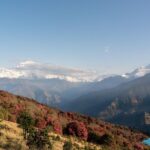
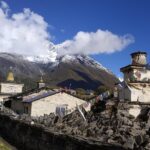
From Namche you continue up to Tengboche (3,868m). This is the kind of day where every stop to catch your breath also gives you a closer look at what you came for—higher ridges, more snow peaks nearby, and the feel of being truly in the Himalaya.
That’s followed by the next key milestone: Dingboche (4,410m). The Tengboche-to-Dingboche day is another step upward, and then you get your next built-in pause: an acclimatization day at Dingboche.
If you’ve ever wondered whether EBC trekking is just a grind, the structure answers that. Two acclimatization days (Namche and Dingboche) are the trip’s way of respecting altitude, not ignoring it.
Dingboche to Lobuche: you’re nearly in the “high zone”
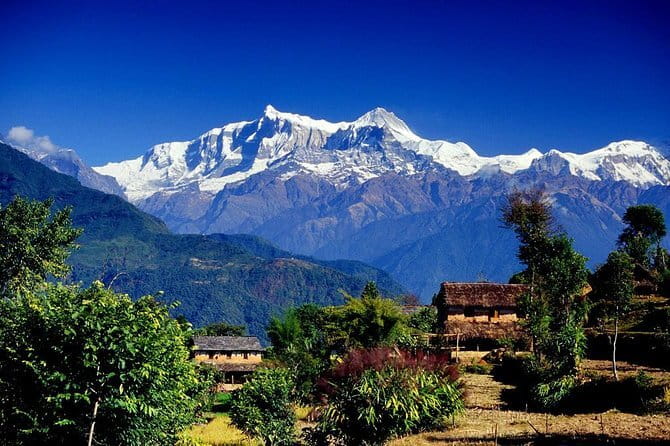
Now things get serious. The route takes you from Dingboche to Lobuche (4,910m). From here, the air feels different, and the trail days start to feel longer even if your walking hours stay similar.
Lobuche acts like a staging point. You’re working toward the Everest Base Camp area, and your schedule is designed so you can reach the high points without skipping everything that makes this trek possible.
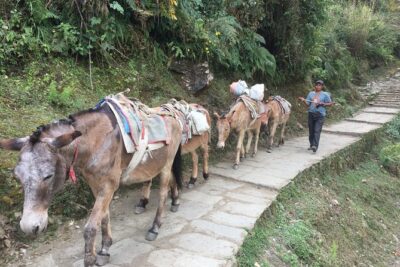
At this stage, your choice to have a guide and porter service becomes more than a comfort issue. An English-speaking guide helps with pacing, route clarity, and keeping you aligned with the trek’s plan. A porter (shared by two people) also matters because it reduces the load on you when you’re already fighting thin air.
Gorakshep and Everest Base Camp: the final grind, then payoff
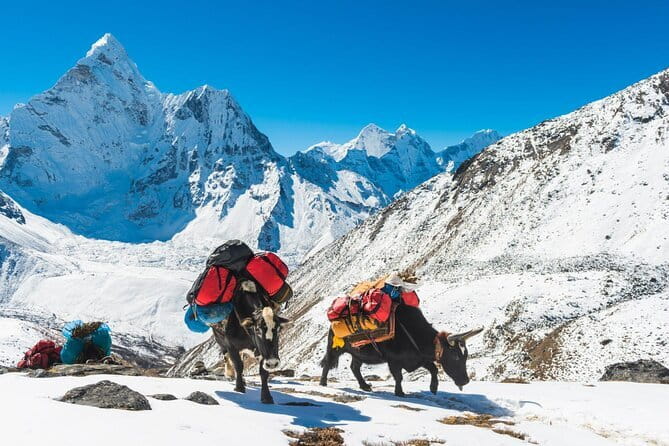
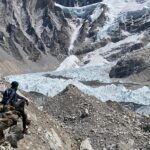
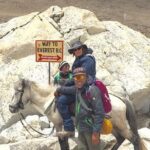
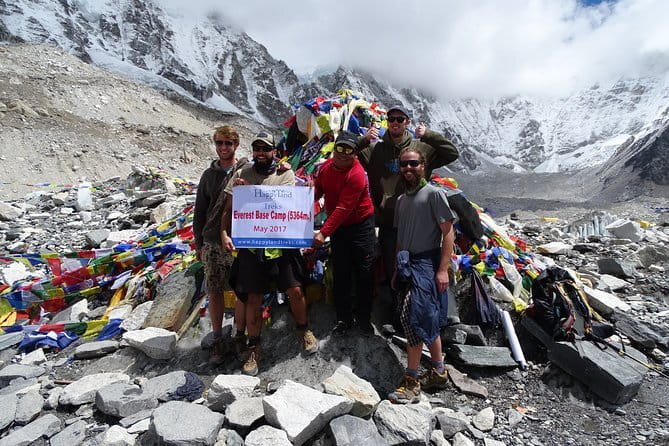
The high day is described as moving from Lobuche to Gorakshep (5,180m), then on to Everest Base Camp (5,364m), with an overnight in Gorakshep. This is the part most people imagine: big elevation, heavy atmosphere, and that moment when you see the Base Camp area as something real, not just a photo.
You’re not only walking to a place. You’re reaching a position in the mountains where weather changes fast and the air feels thinner by the hour. This is exactly where having your meals and tea/coffee support included makes a difference—you can refuel without constantly doing math on costs.
One more practical detail: the trek includes tea house accommodation. That means you’re sleeping where the trail life happens, not chasing beds elsewhere. It’s basic mountain lodging, but it keeps you in sync with the schedule.
Kalapathar sunrise: an early wake-up with a reason
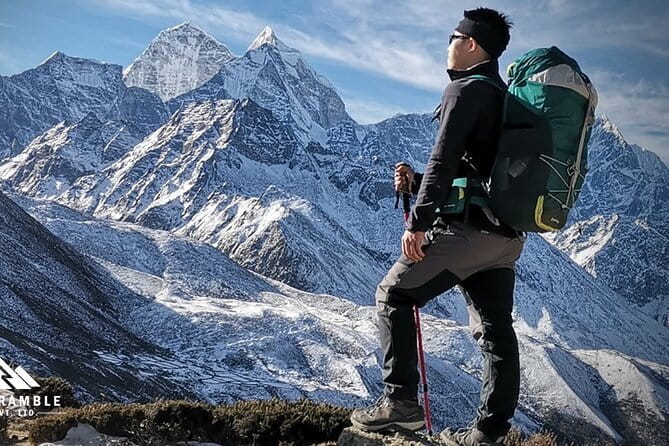
On the next morning, you hike up to Kalapathar (5,550m) for sunrise views of the Everest region, including Mount Everest, then return to Gorakshep for breakfast. After that, you head down to Pangboche (3,990m).
That sunrise hike is famous for a reason, but the value here is the structure: you don’t get sunrise as a vague promise. It’s built into the plan, and it comes right after reaching the Everest Base Camp area. You’re already close—so you’re not adding an extra random side mission. It’s timed to your acclimatization and your overall route.
Then you move downward to Pangboche, which helps you recover. Going down is still work, but it’s a relief compared with climbing into thin air again.
The return walk: Pangboche back toward Namche and Lukla
After your time in the high zone, you trek Pangboche back to Namche Bazaar, then Namche Bazaar back to Lukla (2,840m). The path is essentially retracing your altitude journey, and that’s intentional: it lets you get out of the highest elevations while still experiencing the full route.
From Lukla, you fly back to Kathmandu in the morning, arriving around 1,336m. It’s a huge change from Gorakshep-era altitude, and you’ll likely feel it in your energy levels immediately.
What’s included (and why it matters for real value)
At $1,897 per person, this trek isn’t a cheap weekend. But when you look at what you get, the price starts to make sense as a “full-service” package.
Included highlights:
- Airport pickup and drop in Kathmandu (car/van/bus)
- Two nights in Kathmandu with breakfast
- TIMS card and Everest National Park entry permit
- All standard meals on trek (breakfast/lunch/dinner, plus three cups of tea/coffee per day)
- Tea house accommodation
- English-speaking guide
- Porter service: one porter between two people
- Medical kit
- Domestic flight tickets + airport tax (Kathmandu–Lukla–Kathmandu) for guide and member
- Trip certificate, plus a duffel bag and t-shirt
What’s not included (important):
- Travel medical insurance and emergency evacuation cost
- Nepal entry visa fee
- International air fare
- Personal equipment
- Tips for guide and porter (expected)
- Personal costs like alcohol, hot showers, battery charging, water bottle, and cold drinks/hot water
My value take: you’re paying for the parts that are hardest to DIY: permits, the Lukla flight logistics, and staying fed and bedded on the trail. The parts you still need to handle yourself are the typical traveler responsibilities: insurance, personal gear, and tipping.
Pace, fitness, and the reality of 5,000m-plus trekking
This trek is described as requiring moderate physical fitness. That phrase is helpful because Everest Base Camp is not a stroll, but it’s also not limited only to elite athletes. The itinerary does, however, stack long walking days—some listed around 12 hours—and it regularly pushes altitude.
The biggest “consideration” isn’t whether you can walk. It’s whether you’re ready for:
- thin air at over 5,000m
- early mornings (including sunrise hike timing)
- multi-day trekking with limited comforts compared to home
The trip’s inclusion of acclimatization days in Namche and Dingboche is your built-in advantage. Use it. Take the rest day seriously. Don’t treat it like a free day off; treat it like altitude homework.
Also, because this is a private tour/activity, you only share the trip with your group. That can be great for pacing and comfort, especially if your group likes to stick together and move as one.
Who this Everest Base Camp trek fits best
This version fits best if you:
- want a well-structured plan with acclimatization built in
- prefer an English-speaking guide and porter support rather than self-organizing everything
- like the idea of having meals, tea/coffee, and tea house beds handled day to day
- value the covered logistics of Kathmandu–Lukla flights and required permits
It might not be the best fit if you:
- want fully flexible itinerary changes day-by-day (this plan is more fixed)
- don’t want to budget for extra costs like visa, insurance, and tips
- aren’t comfortable committing to long walking days and very early mornings
Should you book Happyland Treks for Everest Base Camp?
If you’re looking for a practical, organized way to reach Everest Base Camp, I’d say this is a strong option. The included permits and TIMS card help remove paperwork stress. The Lukla flight being part of the package takes away one of the most complicated pieces of EBC travel. And in feedback, the communication and English-speaking support are repeatedly praised, with Bimal Dahal (Happy Bimal) mentioned as especially detailed and clear ahead of time.
My advice: book if you’re ready for high altitude, early mornings, and the simple tradeoffs of tea house trekking. Don’t book if you’re still treating insurance as optional. On a route that gets above 5,000m, you want that safety net in place before the first flight.
FAQ
What duration is the Everest Base Camp trek?
The trek is listed as 14 days (approx.).
Where does the tour start and what time does it begin in Kathmandu?
The start is at Happyland Treks. Nepal Trekking, Everest Trek, South Asia, Paknajol Marg, Kathmandu 44600, with a start time of 5:00am.
Are airport transfers included in Kathmandu?
Yes. The package includes airport pick up and drop by car/van/bus.
Are domestic flights to Lukla included?
Yes. Domestic flight tickets and airport tax Kathmandu–Lukla–Kathmandu are included.
What’s included for meals and drinks during the trek?
All standard meals while trekking are included (breakfast, lunch, dinner), plus three cups of tea or coffee per day.
Is a guide included, and do I get porter support?
Yes. You get an English-speaking guide. Porter service is included on a 1 porter between 2 people basis.
Is travel medical insurance included?
No. Travel medical insurance and emergency evacuation cost are not included. The trek includes a medical kit, but insurance is your responsibility.