REVIEW · KATHMANDU
10 Days Nepal Trip – Heritage Kathmandu – Natural Pokhara and Poon Hill Trek
Book on Viator →Operated by Couch Adventure Nepal (CAN) · Bookable on Viator
Ten days, three regions, one smooth plan. I like how this trip layers Kathmandu heritage sites with the early Poon Hill sunrise payoff. I also appreciate the practical support—English-speaking help, permits handled, and the right mix of private car transfers. One thing to consider: meals and most attraction entry fees aren’t included, so you’ll want to budget a bit beyond the package price.
You get two 2-star hotel nights bases (Kathmandu and Pokhara) plus simple guesthouse stays during the trek. The route is built for people who want big variety without jumping through planning hoops—just show up, follow the schedule, and focus on walking and sightseeing.
In This Review
- Key things that make this trip work
- How this 10-day route connects culture and mountains
- Getting around: pickups, tourist bus rides, and local ground support
- Kathmandu’s heritage circuit: Pashupatinath, Boudhanath, Swayambhunath, and Durbar Square
- Pokhara exploration: Devi’s Fall, caves, stupa views, and the lake circuit
- Ulleri and Ghorepani treks: where the hike turns into the trip
- Poon Hill sunrise: the early start you’ll remember
- Ghandruk and the Gurung village moment, then a fast exit by jeep
- Hotels, guesthouses, and what “2-star” likely feels like
- Inclusions that actually save time (and money)
- Price and value: is $480 fair for this mix?
- Who this Nepal plan suits best
- A quick reality check before you pack
- Should you book this Kathmandu–Pokhara–Poon Hill trip?
- FAQ
- What is the duration of this trip?
- Where does the trip start and end?
- How much does the trip cost?
- Is airport pickup included?
- Are trekking permits included?
- Is meals during the trip included?
- Are entrance fees included for the city tours?
- What kind of lodging should I expect?
- Is there a fitness requirement?
- What is the cancellation policy?
Key things that make this trip work
- Heritage Kathmandu on a guided circuit across major temples and Kathmandu Durbar Square
- Poon Hill sunrise timing that starts early and then keeps moving toward Tadapani
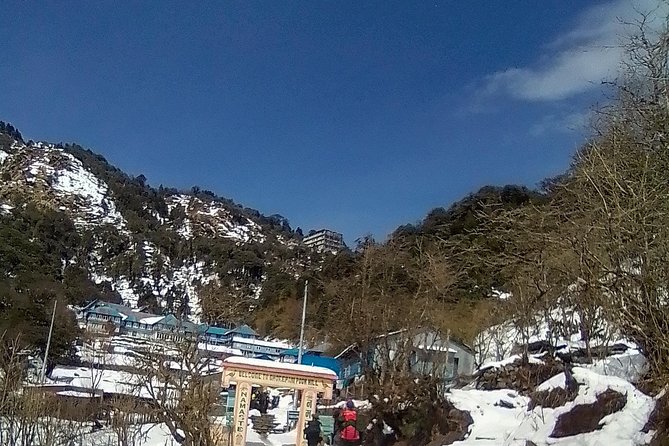
- A real trek flow from Nayapul to Ulleri, then Ghorepani, then the sunrise viewpoint
- Ghandruk village time with a chance to see Gurung village life before descending
- Pokhara exploration with classic stops like Devi’s Fall, Fewa Lake, and Sarangkot
- Permits included (TIMS and trekking permit), plus guide support on trek and city days
How this 10-day route connects culture and mountains
This itinerary is basically a “best-of” circuit: Kathmandu for history and iconic religious sites, Pokhara for lakes and viewpoints, then a trek that’s short enough to fit into 10 days but still feels like trekking. The nice part is the pacing. You’re not trying to do major hiking every single day back-to-back from start to finish.
The trip also gives you a clear rhythm: transfer days first, then trekking blocks, then guided sightseeing in both cities. That matters because Nepal planning can get complicated fast—permits, logistics, transport timing—so having those pieces handled is a real value.
For many people, the biggest emotional win comes late in the middle: you’ll be tired from walking, then the early morning view from Poon Hill makes it all feel worth it.
You can also read our reviews of more tours and experiences in Kathmandu.



Getting around: pickups, tourist bus rides, and local ground support
The transport plan is built to reduce stress. Your trip starts with airport shuttle by private car and includes hotel and bus-station pickup/drop by private car. That’s the kind of detail you feel on day one—especially if you arrive with jet lag or you just want to get to your hotel fast.
Between Kathmandu and Pokhara, you’ll take a tourist bus (6:30 am going, and about 7:00 am returning from Pokhara). Bus travel is not the most comfortable way to cover distance in general, but it’s common for this route, and using it helps keep the cost down while still keeping the travel day organized.
In the trek-to-Pokhara transition, the plan includes ground links that prevent you from being stuck. After exploring Ghandruk and trekking down toward Kimche, you’ll take a sharing jeep from Kimche to Nayapul, then a car transfer back to Pokhara. That combination is smart: long-distance walking is hard enough—why add an extra complicated transfer?
Kathmandu’s heritage circuit: Pashupatinath, Boudhanath, Swayambhunath, and Durbar Square
Kathmandu is where Nepal’s spiritual and historic side hits you first. Your guided city time focuses on the core big names, which is exactly what you want if you only have 10 days total.
You’ll visit:
- Pashupatinath Temple: one of the most famous Hindu temples in Nepal. Expect a powerful atmosphere and lots of everyday temple activity happening around you.
- Boudhanath Temple: known for its large stupa and the way pilgrims move around it. It’s a great place to slow down and watch.
- Swayambhunath (Monkey Temple): a viewpoint temple where you’ll see the city from above and likely spot monkeys in the area.
- Kathmandu Durbar Square: a key historic square, with the feeling of older Kathmandu at the street level.
A practical tip: these places can involve lots of walking and time standing around. Go with the mindset that part of the value is simply watching how people move through these sacred spaces every day. That’s where “heritage” becomes more than a list of monuments.
Also note: entrance fees in Kathmandu are not included, so plan to cover those directly during your tour days.
Pokhara exploration: Devi’s Fall, caves, stupa views, and the lake circuit
Pokhara is the second half of the trip’s mood shift. Kathmandu can feel intense and busy; Pokhara is the calmer, scenic counterweight—lakes, viewpoints, and a slower pace.
Your Pokhara sightseeing block includes:
- Devi’s Fall
- Cave
- Mountain Museum
- World Peace Stupa
- Sarangkot (famous viewpoint area)
- Begnas Lake and Fewa Lake
Here’s how I’d think about this mix. Devi’s Fall and the cave add geology and curiosity. The stupa and Sarangkot bring viewpoint time—useful for photos, but also for that quiet “breathe for a minute” feeling. Then Fewa Lake and Begnas Lake give you the downtime. If you’re the kind of person who likes your sightseeing to include both views and street-level atmosphere, this portion does a good job.
One consideration: you’ll likely spend a good chunk of the day traveling between stops. If you’re sensitive to long car rides, wear comfortable shoes and plan to drink water often.
Again, Pokhara entrance fees aren’t included, so keep that in mind for the museum and any paid viewpoints.
Ulleri and Ghorepani treks: where the hike turns into the trip
The trek starts after a drive to Nayapul (about 1.5 hours) and then you hike up to Ulleri. That leg is scheduled for about 6 hours. From there, the next trek day goes to Ghorepani, also around 6 hours.
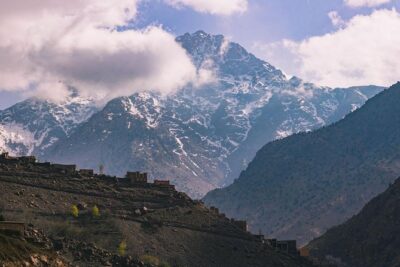
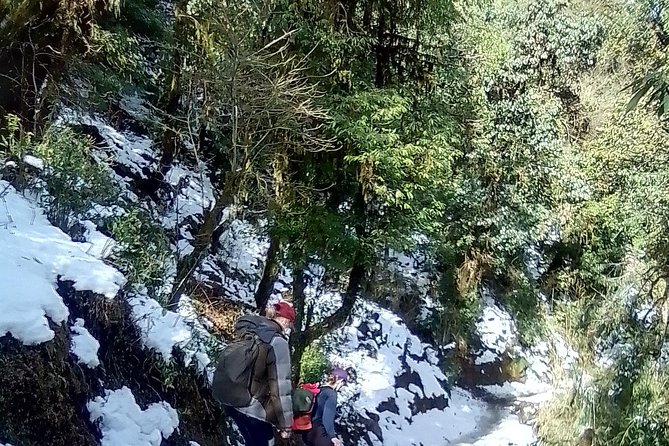
What you’ll experience on these days (and what you’ll probably feel) is the slow build: you’re gaining altitude gradually, passing through villages and tea-house areas, and learning how the terrain changes underfoot. These early trekking days are also where your body figures out the new routine: steady pace, frequent breaks, and managing breathing on slopes.
Even though the days aren’t listed as ultra-long, Nepal trekking still works differently than a gym workout. You’ll likely walk on uneven paths and deal with temperature swings. Your best move is simple: pace yourself earlier rather than trying to “catch up” later.
Your trekking support includes an English-speaking trekking guide, plus the trekking permit and TIMS (so you’re not scrambling for documents mid-trip). That’s not glamorous, but it’s crucial.




Poon Hill sunrise: the early start you’ll remember
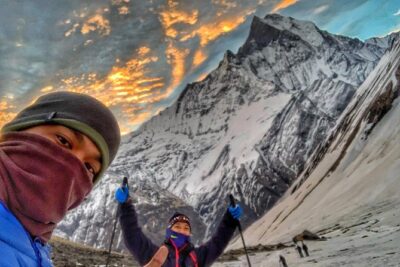
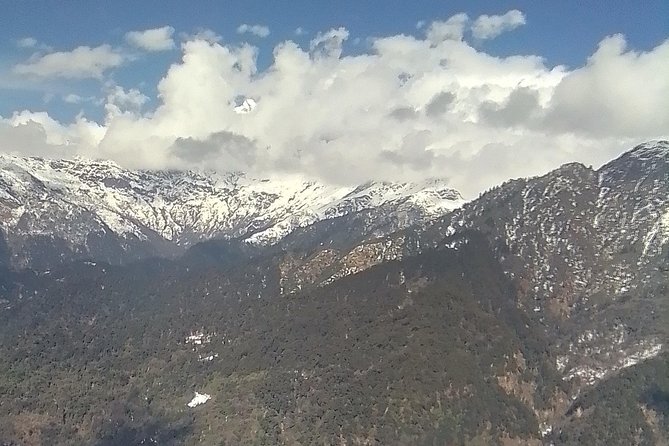
This is the “wow” day. You’ll start with an early hike to Poon Hill for sunrise over Mt. Annapurna, then continue onward to Tadapani (about 7 hours total on this trek day).
Here’s why this is such a strong itinerary choice: it gives you a major reward without requiring a super long, high-stamina trek. Poon Hill is popular because it’s achievable for many people who have moderate fitness. And sunrise adds that extra magic because the mountains change tone as the light hits them.
What to watch for:
- Early mornings mean colder temperatures, especially in shoulder season. Bring layers you can remove as the day warms up.
- After sunrise, you’ll keep walking to Tadapani. So even if the viewpoint is the highlight, you still need trek stamina for the rest of the day.
Your trek lodging on these days is small, basic guesthouse accommodation. That’s normal for this route. Don’t expect hotel amenities; do expect a bed, basic services, and the chance to recover for the next walking day.
Also, this trek day includes Poon Hill (admission included), which helps keep the paid parts of the day from multiplying.
Ghandruk and the Gurung village moment, then a fast exit by jeep
After Ghorepani, your next segment takes you to Ghandruk, exploring the Gurung Village there before trekking down to Kimche. Then you’ll take a sharing jeep back to Nayapul, and from there a car transfer brings you back to Pokhara. That whole day is about 7 hours.
This part of the route is a thoughtful balance: you get time in a village, not just viewpoint chasing. Ghandruk is known for its Gurung community, and having an organized stop there means you can experience village life as part of your hike, rather than as a random stop.
The jeep transfer is also a smart design. Once you’ve walked downhill, you don’t want to spend hours more figuring out how to get back. The route gives you that relief.
One note: downhills can feel harder than uphills on your knees and thighs. Good shoes and trekking poles (if you use them) can make a big difference.
Hotels, guesthouses, and what “2-star” likely feels like
Your stay includes 2-star hotel accommodation in Kathmandu and Pokhara. During the trek, you’ll sleep in small basic guest houses. The reality of Nepal’s trekking guesthouses is that you should pack for simplicity. Expect clean basics, but not the comfort style of a resort.
If you like a warm shower and modern comfort, plan accordingly. But if you treat the trek lodging as part of the adventure—some quiet at night, a bed, and a place to dry gear—you’ll be fine.
Also, because city sightseeing days include a lot of walking, a simple hotel location and solid sleep matter. Your plan includes guides and structured transport, so you’re not wandering all day trying to connect dots.
Inclusions that actually save time (and money)
The package includes a lot of the “hard parts” that usually burn your time planning:
- Airport shuttle in private car
- Hotel accommodation in Kathmandu and Pokhara (2-star)
- Transfers by tourist bus between Kathmandu and Pokhara
- Pickup and drop off from hotel and bus station in private car
- Trekking permit and TIMS
- English-speaking trekking guide during trek and city tour
- Round trip private transfer between Pokhara and Nayapul (and back)
- Sharing jeep from Kimche to Nayapul
- Accommodation in basic guesthouse during the trek
- Private trip format (your group)
There’s also the operational bonus: mobile ticket and pickup offered, plus group discounts. Those little features help when you’re trying to keep things organized.
What’s not included is just as important:
- All meals and drinks
- Entrance fees during city tour in Kathmandu and Pokhara
- Gratitude (optional)
So the best budgeting approach is: consider the $480 price as covering transport, guides, lodging, and permits, and then add a daily amount for meals plus entrance fees you pay on-site.
Price and value: is $480 fair for this mix?
At $480 per person for roughly 10 days, the value depends on what you’d otherwise pay if you planned separately.
This plan reduces your costs in the places that usually add up fast:
- guided trekking support
- permits (TIMS and trekking permit)
- coordinated transfers
- hotel nights in both Kathmandu and Pokhara
- the “bridge” transfers around the trek (Nayapul and Kimche)
It’s not a cheap “bag of tricks” price—this is still a real trip with real walking time, lodging changes, and multiple guided days. But compared to booking each piece separately, the package makes sense, especially if you want smooth logistics and an English-speaking guide.
Your main extra costs are meals and entrance fees. Those are normal for Nepal travel anyway. And if you keep spending simple—tea-house meals during the trek and basic meals in cities—you can control the total budget.
Who this Nepal plan suits best
This tour fits best if you want:
- a two-city cultural base (Kathmandu and Pokhara)
- one signature trek experience (Poon Hill sunrise)
- structured logistics and an English-speaking guide
The physical requirement is listed as moderate fitness. That usually means you should be comfortable walking for several hours on uneven ground and handling a cold early start for sunrise.
You’ll also appreciate the private setup if you don’t want to feel like you’re stuck with strangers all day. At the same time, you still get efficient travel via the tourist bus segments, so you’re not spending all your time in transit.
A quick reality check before you pack
This trip’s structure is strong, but you still need to be ready for common Nepal travel friction:
- Early mornings for sunrise mean you’ll want sleep and layers.
- Basic guesthouse lodging during the trek means you shouldn’t expect luxury.
- City days include temple and square walking, so comfy shoes are non-negotiable.
- Meals aren’t included, so plan how you’ll handle food every day.
One practical mindset shift: treat the trek days as the “main course,” and treat the city days as the “context.” When you do that, everything clicks.
Should you book this Kathmandu–Pokhara–Poon Hill trip?
I’d recommend booking this if you want a well-paced, guided blend of Kathmandu heritage, Pokhara scenic stops, and a Poon Hill sunrise trek without needing to build the plan yourself.
You should book it especially if you value:
- guided structure
- permits handled
- a clear route with trekking support
- a sunrise viewpoint experience that’s realistic for moderate fitness
You might think twice if you hate early mornings, dislike basic lodging, or don’t want to pay extra for meals and entrance fees. But if you’re the type who likes walking, viewpoints, and temples—and you want the logistics handled—this is a strong way to experience a lot of Nepal in one go.
FAQ
What is the duration of this trip?
It’s about 10 days.
Where does the trip start and end?
It starts in Kathmandu and ends back in Kathmandu, with airport drop-off based on your flight schedule.
How much does the trip cost?
The price is $480.00 per person.
Is airport pickup included?
Yes. You get an airport shuttle in a private car, plus pickup and drop off from your hotel and bus station in a private car.
Are trekking permits included?
Yes. The trekking permit and TIMS are included.
Is meals during the trip included?
No. All meals and drinks are not included and are available for purchase.
Are entrance fees included for the city tours?
No. Entrance fees during city tour in Kathmandu and Pokhara are not included.
What kind of lodging should I expect?
You’ll stay in 2-star hotels in Kathmandu and Pokhara, and in small basic guesthouses during the trek.
Is there a fitness requirement?
Yes. You should have a moderate physical fitness level.
What is the cancellation policy?
You can cancel up to 3 days in advance for a full refund. If you cancel less than 3 full days before the start time, you won’t get a refund. Cut-off times are based on local time.