REVIEW · KATHMANDU
Annapurna Sanctuary Trek ( 11 Days)
Book on Viator →Operated by KJ Adventure Nepal Private Limited · Bookable on Viator
Himalaya views, teahouse nights, and village life. This Annapurna Sanctuary Trek strings together Kathmandu temples and the big payoff of Annapurna Base Camp, with forest walks, suspension bridges, and hot springs along the way.
You’ll like the practical structure: domestic flights, private transfers, and teahouse nights handled on a full-board basis so you’re not stuck figuring out logistics at altitude. I also like that the trip is built around experienced English-speaking guides and porter support, including the kind of steady coaching that helps you move smart and stay comfortable.
One thing to consider: you’re dealing with real altitude and strenuous hiking days, and the plan depends on weather for the flights and mountain views.
In This Review
- Key things I’d circle before you book
- Kathmandu Valley first: temples, orientation, and calm before the climb
- From Kathmandu to Pokhara by air, then straight into oak and rhododendron forests
- Jhinu Danda to Upper Sinuwa: Chhomrong views, bridges, and that 2,340m night
- Hinku Cave to Deurali: forests thin out and mountain views start doing the work
- Machhapuchhre Base Camp to Annapurna Base Camp: the moment you’ve been hiking for
- Coming back down from Base Camp to Dhovan: you’ll feel it, but it’s also smart
- Chhomrong at night: culture close to the trail and the suspension bridge again
- The Pokhara reset: stone stairs back to Matkyu and a real night off
- Back to Kathmandu, plus a farewell dinner that closes the loop
- What’s included in the $1,300 value picture
- Accommodation on the trek: teahouses, full board, and what “comfortable” really means
- Guides and porters: where the experience is won or lost
- Altitude, pace, and packing: how to keep the days enjoyable
- Who this trek fits best
- Should you book this Annapurna Sanctuary Trek?
- FAQ
- Where does the trek start and end?
- Are domestic flights included?
- What kind of accommodation is included during the trek?
- What about hotel nights in Kathmandu and Pokhara?
- Do I need permits, and are they included?
- Is porter service included?
- Do I get help with Kathmandu sightseeing?
- What is included besides flights and lodging?
- What are the main exclusions from the price?
Key things I’d circle before you book
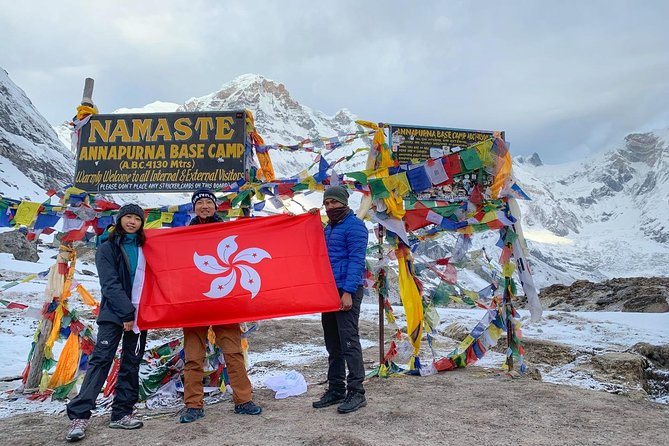
- Altitude payoff is timed well: you reach Annapurna Base Camp at 4,130m, then come back down the same way for recovery.
- Hot springs early on: Jhinu Danda gives you a natural soak option after forest trekking.
- Mountain drama builds step by step: Machhapuchhre-area viewpoints come before the Base Camp day.
- Village stops feel human, not rushed: Chhomrong and nearby hamlets keep the culture close to the trail.
- Porter support reduces strain: 1 porter for 2 clients helps you keep a manageable load.
- Care on the ground matters: guides like Prajwol are praised for clear info and constant attention.
Kathmandu Valley first: temples, orientation, and calm before the climb
Kathmandu is a strong warm-up because it shows you what kind of places you’ll be walking through. You visit major UNESCO sites in the Kathmandu Valley, including Kathmandu Durbar Square, Swayambhunath, Pashupatinath, and Bouddhanath. It’s not just sightseeing; it also helps you understand the cultural backdrop of the trek.
Day 2 is also where your trekking rhythm gets set. You’ll get trekking basics, plus time to configure your backpack for the next morning. That small prep step matters on multi-day hikes because a good pack setup can save your shoulders and make long stair sections easier.
What to expect: mornings and early afternoons are temple time, then briefing time for the trek ahead. Expect walking on uneven surfaces and lots of looking up at old stone and prayer flags.
A possible drawback: Kathmandu can feel busy and spread out, so give yourself a little mental buffer after check-in. You’ll feel better starting the hike if you don’t burn all your energy on extra stops.
You can also read our reviews of more tours and experiences in Kathmandu.



From Kathmandu to Pokhara by air, then straight into oak and rhododendron forests
On Day 3, you fly from Kathmandu to Pokhara (about 25 minutes), then drive for roughly 2 hours to Matkyu. That combination is smart: it cuts long overland travel and gets you into trekking terrain while you’re still fresh.
Pokhara itself is a useful reset point. Even if you only see it in transition, it sets the mood: lakes, hills, and that slower pace that helps before the mountains start tightening your schedule.
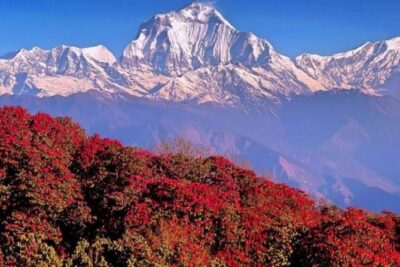
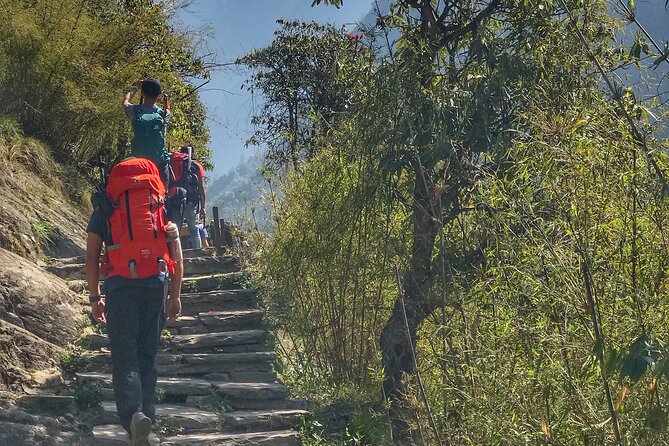
From Matkyu, the trek begins with a climb through oak and rhododendron forests. You’ll walk beside the Modi River, with stone stairs and forest trails that gradually build your stamina. The day ends at Jhinu Danda, where you can choose to use natural hot springs to loosen up after a full day of hiking.
Why this day is valuable for your body: you don’t jump straight into the hardest elevation. It’s a “get warm” trek day with a clear finish and a recovery option at the end.
Watch-outs: the first day of stairs can feel longer than you expect. If you go too fast, your legs will remind you tomorrow.
Jhinu Danda to Upper Sinuwa: Chhomrong views, bridges, and that 2,340m night
Day 4 climbs uphill for about an hour toward Chhomrong village, a Gurung community with traditions that you can see and feel in everyday village life. It’s a nice pause because you’re not just passing through the region—you’re stopping long enough to notice how people live near the trail.
After that brief cultural stop, you descend down steep stone staircases to a suspension bridge over Chhomrong Khola. Crossing it gives you quick, dramatic river views of fast-moving water below. Then the trail rises again, leading to Upper Sinuwa at about 2,340 meters, where you overnight.
What you’ll like here: suspension bridges create a “you’re really in the Himalaya” moment. Plus, Upper Sinuwa is a good staging point—enough altitude to feel the mountain air, without pushing too far on day four.
Possible drawback: stair sections can be hard on knees. If you’re planning to do lots of uphill later, treat this day as your rehearsal for careful pacing.
Hinku Cave to Deurali: forests thin out and mountain views start doing the work
The trek begins to open up on Day 5. Dense forest transitions into more open stretches where you start getting clearer views of the glacial river systems below. The region’s biodiversity is part of the reason this trek is so loved—this area is described as home to 1,226 species of flowering plants, 105 mammals, 518 birds, 40 reptiles, and 23 amphibians. Even if you don’t spot everything, you’ll feel the ecological richness as you walk through changing forest types.
You’ll pass an important landmark area called Hinku Cave, known from early Annapurna I expedition history. Then you continue through jungle trails with a slight uphill to reach Deurali for lunch and rest.
After lunch, it’s time to keep moving toward MBC—Machhapuchhre Base Camp area—for the night. This is where the route gets more demanding, but the effort starts paying back through big peak views.
Why you’ll appreciate this pacing: Deurali is a smart “reset” stop before the final push of the day. Taking a longer lunch break here helps you arrive steadier rather than rushing.
Watch-outs: when forests thin and views improve, it’s easy to start walking faster just to see more. Keep your pace steady; altitude doesn’t care about your enthusiasm.
Machhapuchhre Base Camp to Annapurna Base Camp: the moment you’ve been hiking for
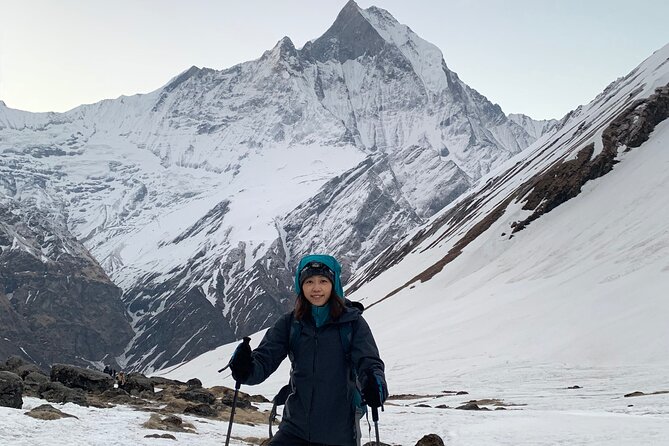
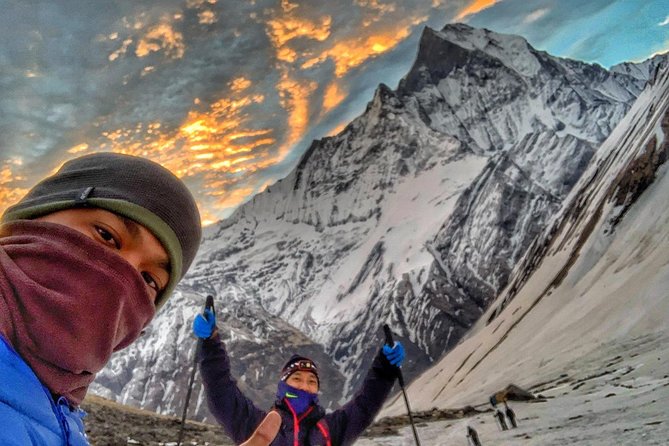
Day 6 and Day 7 are where the mountain payoff really sharpens. You’ll move through similar terrain—forests that open up, glacial river views, and steady uphill effort—until you’re in the Machhapuchhre Base Camp area. From there, you gain classic vantage points and start seeing the Annapurna region feel bigger than your mind expected.
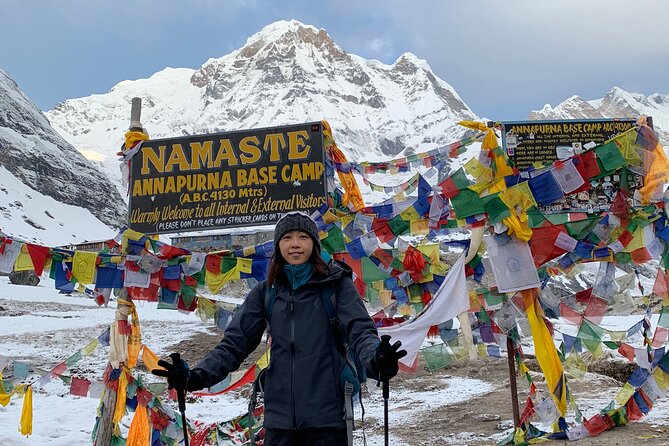
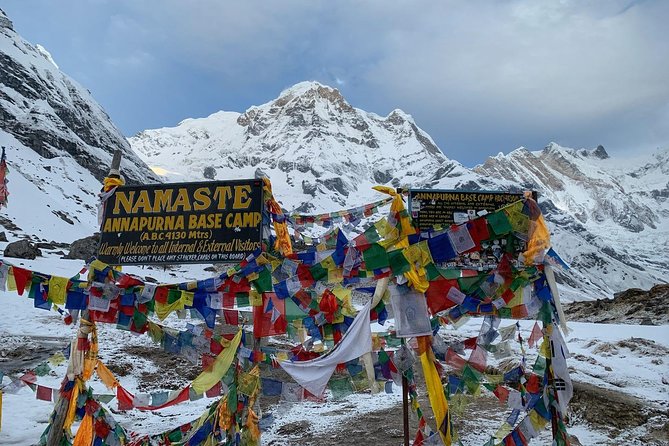
Then comes the Base Camp day. On Day 7, the route from Machhapuchhre Base Camp to Annapurna Base Camp is about a 2-hour hike, and the trail is wide and clear. Annapurna Base Camp sits at 4,130 meters, and the view of Annapurna South is described as jaw-dropping—plus you’ll see Annapurna, Dhaulagiri, Machhapuchhre, Hiunchuli, Nilgiri, and other high peaks.
What this feels like in practice: the air can feel thin, so you’ll notice your breathing before you notice the scenery detail. Give yourself time at Base Camp—don’t treat it like a quick photo stop. A slower stop makes the view more meaningful.
A realistic consideration: weather can affect visibility. This trek is noted as requiring good weather, and that’s the honest truth of mountain time.




Coming back down from Base Camp to Dhovan: you’ll feel it, but it’s also smart
After spending quality time at Annapurna Base Camp, you return the way you came down to Dhovan. The route goes through MBC, Deurali, and Himalaya on the descent.
A descent can feel easier than the climb, but it has its own stress—especially on knees and ankles. This is where trekking poles can help if you use them, and where your pacing from earlier days shows up in how your legs feel.
Why the “same trail back” matters: it keeps navigation straightforward and avoids surprises. You’re also retracing terrain you already understand, which reduces mental load.
What you’ll like: the views often look different on the return. You’ll spot parts of the valley and forest edges you may have missed on the way up.
Chhomrong at night: culture close to the trail and the suspension bridge again
Day 8 shifts back toward village terrain. After breakfast, the trekking is mostly downhill until you reach bamboo forests and a short climb to Upper Sinuwa. Then you head further downhill to Chhomrong Khola and cross the suspension bridge above it again.
From there, it’s a slightly inclined walk for about an hour to reach Chhomrong, where you overnight. This is a strong cultural stop because the village community has longstanding traditions, and you’ll get time to interact while staying overnight.
The best part of Chhomrong is not the postcard view. It’s the human scale: you feel the trail and village living side by side. That makes the trek feel like a journey, not just a climb.
Possible drawback: downhill days still bring lots of steps. Plan your energy like it’s a “leg day,” not a rest day.
The Pokhara reset: stone stairs back to Matkyu and a real night off
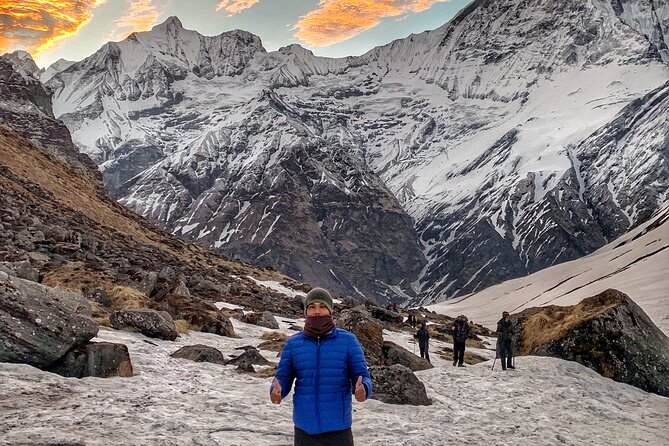
Day 9 brings you back through the route you came from. You trek from Chhomrong to Matkyu via Jhinu Danda, with plenty of descents through dense forests. You’ll also hit several hundred stone stairs again, and you’ll walk alongside oak and rhododendron forests that extend along the Modi River.
At Matkyu, you take a jeep back to Pokhara and spend the night at a hotel around lakeside area (Hotel Da Yatra Courtyard or similar). Pokhara gives you a chance to breathe: it’s known for nightlife and live concerts, and you can also take boating on Fewa Lake or rent a bicycle to explore.
Why this matters for value: trekking success isn’t only about climbing. It’s also about how well you recover when you get the chance. Pokhara is your recovery zone.
Watch-outs: “easy” can still mean tired legs. If you do extra activities that night, choose wisely.
Back to Kathmandu, plus a farewell dinner that closes the loop
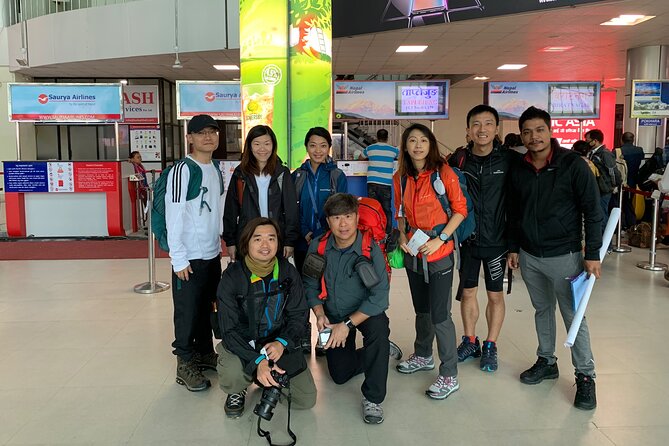
On Day 10, you fly back to Kathmandu after breakfast. Once you arrive, you’re escorted to your hotel to relax and freshen up. In the evening, you go to a farewell dinner, which is a nice way to end the trip with your guide and crew without rushing out the door immediately.
Day 11 is departure day. Depending on flight schedules, your representative meets you at the hotel and escorts you to the airport.
This wrap-up part sounds small, but it’s not. It prevents that last-day stress where you’re trying to organize transport while your brain is already half on the flight.
What’s included in the $1,300 value picture
Price is $1,300 for 11 days, and the key to judging value is what’s covered. This trip includes two-way domestic flights on Buddha Air (Kathmandu–Pokhara–Kathmandu). That alone can be a big chunk of cost compared to self-arranged trekking.
It also includes:
- Kathmandu and Pokhara hotel stays on a BB basis (twin rooms; Kathmandu at Kantipur Village or similar, Pokhara at Hotel Da Yatra Courtyard or similar)
- Twin sharing teahouse/lodge accommodations during the trek on a full board basis
- An experienced English-speaking trekking guide, plus porter service (1 porter for 2 clients)
- Permits and paperwork (ACAP and TIMS)
- Private transportation throughout the trip
- Entrance fee for Kathmandu sightseeing on Day 2
- Farewell dinner, medical kit, and a duffel bag, trekking map, and trip completion certificate
What’s not included: international airfare, Nepalese visa fee, lunches/dinners in Kathmandu and Pokhara, travel insurance/rescue insurance, personal expenses, and tips for guides/porters.
So is it good value? For many people, yes—because you’re paying for the mountain support system: flights, permits, guide, porter, and consistent lodging standards along the route. If you like having someone handle the operational pieces so you can focus on the walking, this setup tends to feel fair.
One consideration for your budget: tips and travel insurance can add to the total, even if they’re normal and expected for this kind of trip.
Accommodation on the trek: teahouses, full board, and what “comfortable” really means
During the trek, you’ll stay in teahouses/lodges on a twin sharing basis with full board included. That usually means breakfast, lunch, and dinner are covered while you hike, plus your room for the night.
The important practical point is consistency. Teahouse routes can vary, but having full board built in means you don’t constantly make decisions about meals—especially useful when you’re tired and altitude is making everything feel slower.
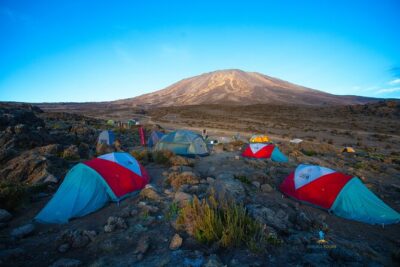
Comfort level reality check: teahouses aren’t luxury hotels, and the weather can affect how warm rooms feel. What you can expect is that the trip is arranged so you have shelter, food, and a schedule that makes sense.
Guides and porters: where the experience is won or lost
This is where your trip can feel smooth or stressful, and this one is set up to reduce stress. You’ll have an experienced English-speaking trekking guide, and porter service throughout the trek with 1 porter for every 2 clients.
One guide name you might hear in connection with this experience is Prajwol. He’s specifically praised for giving the information people need on the trail, and for making the journey feel cared for rather than just managed.
And medical care isn’t ignored. A medical kit is included, which helps you feel better prepared even if you stay healthy.
What this means for you: you can spend more attention on pacing, hydration, and enjoying the scenery instead of worrying about gear weight, route details, or day-to-day logistics.
Altitude, pace, and packing: how to keep the days enjoyable
The trek includes nights at higher elevations, with Annapurna Base Camp at 4,130 meters. The trip is designed for moderate physical fitness, so you’re not looking at a “superhuman only” climb—but you should still expect real effort.
To keep the experience enjoyable:
- Walk at a pace where you can speak in short sentences.
- Take breaks before you feel exhausted.
- Keep your backpack setup simple, because you’ll be adjusting as you go.
- Be ready for lots of stone stairs—both uphill and downhill.
If you’re prone to altitude issues, it’s smart to talk with your doctor before you go. This trek’s schedule is demanding enough that you should treat altitude seriously.
Who this trek fits best
This Annapurna Sanctuary Trek fits best if you want:
- A classic route with major mountain viewpoints
- Village culture stops near the walking path
- A structured plan that handles permits, lodging, and transport
- Porter support to keep your hike comfortable
You might reconsider if you hate stair-heavy hikes or if you’re not comfortable with mountain altitude. Also, if you need strict luxury comforts, teahouse nights may not feel like what you’re expecting.
Should you book this Annapurna Sanctuary Trek?
If you want an 11-day package that covers the big moving parts—domestic flights, guides, porters, permits, and full-board teahouse stays—this is a strong option. The combination of Kathmandu temple time, a Pokhara lakeside recovery night, and the Base Camp payoff makes it feel balanced rather than all suffering and no sweetness.
Book it if you like having a clear plan and you’re open to the real rhythm of the mountains: slow walking, lots of stairs, and views that depend on weather. Skip it if you’re looking for a flexible DIY adventure with no support.
If you do book, pay attention to your pack weight and your pacing early. That’s usually where people win the day—and where the Annapurna views feel like a reward instead of a task.
FAQ
Where does the trek start and end?
The experience starts and ends back at the meeting point at Nepali Ghar Hotel, Amrit Marg 26, Kathmandu.
Are domestic flights included?
Yes. Two-way domestic flights are included by Buddha Air between Kathmandu and Pokhara (and back).
What kind of accommodation is included during the trek?
During the trek, you’ll stay in twin sharing teahouses/lodges on a full board basis.
What about hotel nights in Kathmandu and Pokhara?
Kathmandu is included on a BB basis (Kantipur Village or similar), and Pokhara is included on a BB basis (Hotel Da Yatra Courtyard or similar).
Do I need permits, and are they included?
All necessary permits and paperwork are included, including ACAP and TIMS.
Is porter service included?
Yes. Porter service is included throughout the trek (1 porter for 2 clients).
Do I get help with Kathmandu sightseeing?
Yes. An experienced English-speaking tour guide is included for Kathmandu sightseeing, and entrance fees for the Day 2 sites are included.
What is included besides flights and lodging?
You’ll have an experienced trekking guide, private transportation throughout the trip, a medical kit, a farewell dinner, and a duffel bag plus a trekking map and trip completion certificate.
What are the main exclusions from the price?
International airfare, Nepalese visa fee, lunches/dinners in Kathmandu and Pokhara, travel insurance/rescue insurance, personal expenses, and tips for guides and porters are not included.