REVIEW · KENYA
12 Days wildebeest migration Masai Mara Nakuru Uganda gorilla trekking safari
Book on Viator →Operated by Direct Kenya Safaris Ltd · Bookable on Viator
Gorillas and migrating plains in one trip. This safari strings together Masai Mara wildlife days and gorilla trekking in Uganda’s mountain jungle, with Rift Valley lakes and Nile adventures in between.
I love how the safari builds big-game momentum: you get more than one day on the Mara plains, so you’re not forced to hit every sighting in a single drive. I also loved reading about how the Uganda part can feel led with real care—one guide named David stood out for making the experience fun and keeping everyone comfortable and safe.
One consideration: the adventure is not just “sit and watch.” The road days can be long, and the gorilla trek is demanding—so plan for a hike that may feel tougher than you expect, plus some stretches that run on longer than you’d like.
In This Review
- Key highlights you’ll care about
- The big picture: Kenya savannas, then Uganda gorilla country
- Getting your bearings: Nairobi arrival night and daily rhythm
- Masai Mara National Reserve: wildebeest migration vibes and Big Five chances
- Lake Nakuru National Park: flamingos, rhinos, and bird-first energy
- Lake Bogoria: geysers, volcanic heat, and a practical picnic
- Jinja on the Nile: craft markets today, adventure tomorrow
- Lake Bunyonyi: crater-lake calm before the gorilla climb
- Batwa Cultural Heritage: optional canoe time and a community walk
- Mgahinga Gorilla National Park: what you should truly expect
- Lake Naivasha and the Kasuku Cottage stop: an easy landing back into city life
- Price and logistics: what $4,150 actually covers
- Who should book this safari, and who should rethink it
- Should you book this 12-day Masai Mara to Mgahinga safari?
- FAQ
- FAQ
- What does the price include on this Kenya and Uganda safari?
- Are the meals included for the full 12 days?
- Is the gorilla trek entrance fee included?
- What optional activities cost extra?
- Do you get bottled water during the game drives?
- What should I bring for the gorilla trekking day?
- Is this tour private?
- What is the cancellation refund timing?
Key highlights you’ll care about
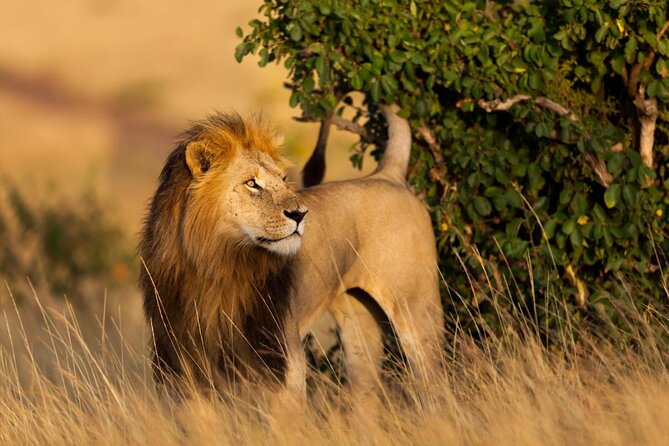
- Masai Mara big-cat hunting grounds with chances for the Big Five
- Lake Nakuru’s flamingos and birding plus rhino opportunities
- Lake Bogoria’s hot springs and a picnic lunch near dramatic geysers
- Jinja at the source of the Nile with optional adventure activities
- Lake Bunyonyi reset time before Mgahinga trekking
- Mgahinga gorilla trekking all day with local guides and an hour with the gorillas
The big picture: Kenya savannas, then Uganda gorilla country
This is an East Africa “from plains to jungle” safari. You start where the action is open and wide—Masai Mara—then you work your way toward tighter, cooler mountain forest in Uganda for the one experience people plan trips around: tracking mountain gorillas.
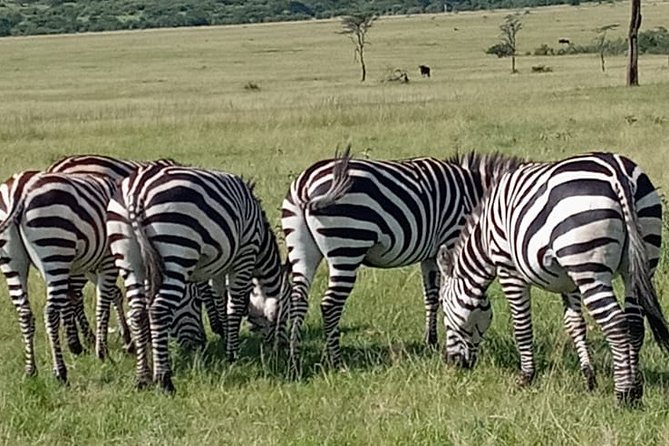
What makes this combination so appealing is the contrast. On the savanna, you’re scanning for movement across the grasslands—lion silhouettes, grazing zebras, and the constant motion of wildebeest and other herds. Then the vibe shifts. In the forest, it’s quieter, slower, and more physical. You’re moving through thick greenery with a guide who knows where the gorillas feed and travel.
You’re also not just doing wildlife. You spend time around Jinja and Lake Bunyonyi, plus a community visit connected to the Batwa heritage. That mix helps the trip feel like more than a checklist.
Getting your bearings: Nairobi arrival night and daily rhythm
Day 1 is a classic “arrive, reset, then go.” You’re picked up at the airport and taken to a hotel for a tour briefing, then you spend the night before the main safari starts the following day. The listed base for the first night is the 67 Airport Hotel (Bed and Breakfast).
I like this approach because it solves the most annoying first-day problem: jet lag plus a long drive is a bad combo. You get your orientation, you sleep, and you start fresh the next morning.
The tour is described as a private experience for just your group. That matters. It means the driver can tailor pace and stops to your group, instead of being stuck waiting on strangers who move slower (or faster) than you do.
Masai Mara National Reserve: wildebeest migration vibes and Big Five chances
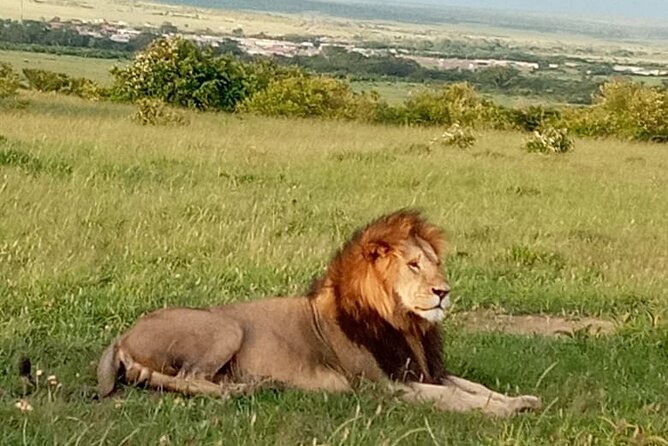
Masai Mara is where this itinerary earns its name. You head there via the Great Rift Valley, passing Mount Long’onot along the way. Then you settle into camp and ease into your first game drive in the Mara.
On Day 2 and Day 3, you get morning and afternoon game drives. That rhythm is key. Animals aren’t evenly active all day. Early hours can be best for predator movement and more compact sightings; afternoons often deliver different behavior—feeding, resting, and sometimes the kind of sudden action that makes a guide’s eyes sharpen fast.
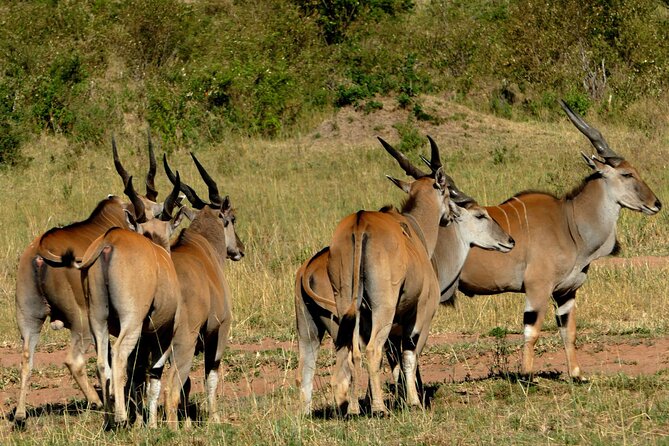
You should also expect to chase the Big Five list, which in this itinerary is specifically framed as lion, elephant, rhino, buffalo, and leopard. Even if sightings don’t line up perfectly, the Mara is one of the places where “not perfect” still feels like a top-tier safari. You’ll also be looking for wildebeest and zebras, plus cheetahs, gazelles, and a full menu of birdlife.
Two practical notes for your comfort:
- You’ll have unlimited bottled mineral water during game drives, which is a simple luxury on long sightings days.
- You’re in a Toyota Hiace-style safari vehicle (described as a 4×4 minivan) with a first-aid kit and a fire extinguisher. It’s not exciting, but it makes the day feel more secure.
One drawback to keep in mind: the trip includes a lot of ground travel between regions. In the Mara specifically, one written comment flagged that the Mara stay didn’t feel great. That doesn’t mean your stay will be the same, but it’s a reminder to be flexible and to focus on the time outdoors, where the value really shows.
Lake Nakuru National Park: flamingos, rhinos, and bird-first energy
After breakfast, you transfer to Lake Nakuru National Park and arrive in time for lunch and check-in. Your afternoon is reserved for a lake-area game drive where flamingos and pelicans are a major draw.
This is a different kind of wildlife watching day. The action here is as much about what’s happening around the water as it is about spotting big mammals at random. You’ll also be watching for white and black rhinos, plus Rothschild giraffes, waterbucks, and other common park wildlife. The note about the “lake forest” attracting many birds is a clue: plan to slow down and actually look.
A useful mindset for Nakuru: treat it like birding plus wildlife safari. If your brain only hunts for the biggest animals, you can miss what makes this day special.
Lake Bogoria: geysers, volcanic heat, and a practical picnic
Lake Bogoria is where the safari adds a fun scientific twist. You’ll drive out after an early breakfast, and you stop for picnic lunch near the geothermal area.
The draw is the hot springs and geysers created by volcanic activity. There’s even a hands-on idea mentioned: you’ll have eggs with you and do practical checks on how hot the geysers are. That’s the kind of detail that turns a tourist stop into a story you’ll tell later, because you’re not just looking—you’re participating.
The timing here is also clear: this is a half-day style activity, listed as about 6 hours. That keeps it from eating your whole day, which matters because the rest of the trip keeps moving toward trekking and cultural stops.
Jinja on the Nile: craft markets today, adventure tomorrow
Jinja shows up twice in the itinerary, which tells me the operator expects you’ll want more than one slice of the area. You go to the Nile source and also keep an eye on what adventure options you might add.
On the first Jinja day, you travel via the Malaba border, then spend time at the source of the River Nile. The tour includes time for craft markets and time to meet locals. Optional activities are listed there too—white-water rafting and kayaking—so if your idea of a “good day” involves action on water, this is where you’ll feel at home.
Later, you return to Jinja again. This second day also includes exploration of the Nile source area and points out that Jinja is an adventure town, with activities such as white-water rafting, bungee jumping, and kayaking.
I’d treat these days as your chance to offset the heavy wildlife schedule. After days of long drives and safari searching, a water-and-town break makes the whole trip feel more balanced.
Lake Bunyonyi: crater-lake calm before the gorilla climb
Then you head to Lake Bunyonyi, which is framed as Uganda’s highest town (around 2000m). You’ll see lush scenery on the way, and then you camp at the lake, described as Africa’s deepest crater lake (about 900m).
Bunyonyi serves an important role: recovery. Gorilla trekking days don’t come with a “take it easy” button. So you’re given a relaxing evening to prepare for what comes next.
There’s also a bird angle built in. The name Bunyonyi is explained as place of the little birds, and the itinerary notes you can expect unique birdlife while you’re there. Even if you’re not a hardcore birder, the lake’s atmosphere tends to make you slow your pace for a bit.
Batwa Cultural Heritage: optional canoe time and a community walk
The next day includes a Batwa Cultural Heritage activity with options. You can take an optional guided walk to visit local community members. You also have an option to visit with the Batwa people or choose canoeing on the lake.
You’re also given a second optional idea: you may visit a local children’s orphanage in the village, or simply spend the evening at leisure after lunch.
This section can feel like a breath of humanity in between wildlife. You’re not just watching animals—you’re learning how people live with the environment around them. Still, go in with realistic expectations: cultural visits move at their own pace, and the point is understanding daily life, not a “performance.”
Mgahinga Gorilla National Park: what you should truly expect
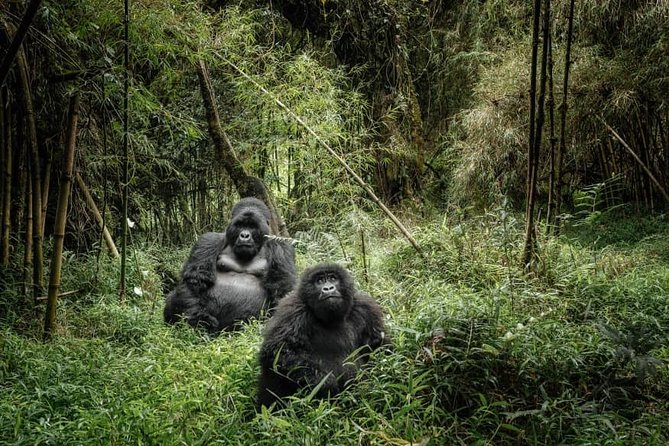
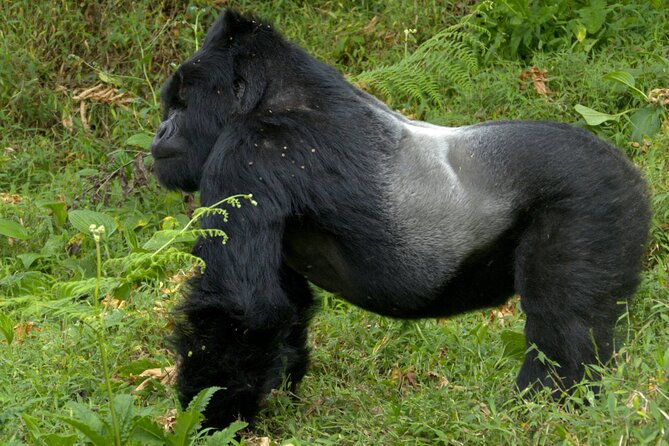
This is the heart of the trip. You drive to Mgahinga Gorilla National Park, and the itinerary explains it as home to more than half of the world’s endangered mountain gorillas. It also flags golden monkeys in the area.
Then comes the main event: gorilla trekking. The guidance here is honest. The trekking can be demanding and can last the day. Local guides lead you through thick mountain jungle, and you’ll be advised to bring a water bottle plus good walking shoes or boots.
Once you locate the gorillas, you observe them for about one hour. The hour is strictly governed, which is how the park protects the animals while still giving you meaningful face-to-face time.
How to plan emotionally: you might spend hours hiking through dense vegetation, listening for guide cues, then suddenly you’re there. That stop is the moment you’ll remember long after other sightings blur together.
Also, if you’re thinking of fitness: “adventurous walking” is not the same as “steep, muddy, and slow.” Even if you exercise, build in humility for the terrain and the jungle conditions.
Lake Naivasha and the Kasuku Cottage stop: an easy landing back into city life
On your way back toward Nairobi, you go to Lake Naivasha. There’s time to relax in your room, and you can opt for an afternoon boat ride.
The listing notes the overnight spot as Fisherman’s Camp – Kasuku Cottage. That’s a useful detail because it signals a more lodge/camp style stay, not a big city hotel. You should expect a more relaxed vibe here, with time to rest your legs after the trekking day.
If you do the boat ride, it’s listed as not included, so plan the added cost. The tradeoff is simple: it’s a slower wildlife session that helps balance out the nonstop safari energy of the earlier days.
Price and logistics: what $4,150 actually covers
At $4,150 per person for about 12 days, this safari is priced around the big-ticket items you can’t cheap out on: multi-park driving time and the gorilla entrance park fees.
Here’s what’s included, based on the tour details:
- Park entrance fees and game drives as noted
- Gorilla entrance park fees
- Pickup and drop-off transfers
- Meals: 12 breakfasts, 11 lunches, 10 dinners
- Unlimited bottled mineral water during game drives
- Vehicle safety gear: a first-aid kit, ice-chest, and fire extinguisher
- A small comfort perk: window seat guaranteed
- Park-focused timing plus Kenyan cultural context from the driver/guide
What isn’t included:
- International airfare and departures taxes
- Tips and gratuities for your driver/guide
- Drinks beyond what’s provided in the vehicle
- Optional add-ons like balloon ride (USD 470 pp), plus a village visit (USD 20 pp) and a boat ride (USD 30 pp)
So is it good value? For me, it’s mostly about how the price protects your time. You’re not organizing borders, permits, and park logistics yourself. You’re also not stuck without water on long drives or without someone who understands the wildlife rhythm.
If you’re the type who wants maximum comfort and minimal driving, the long-route nature of a Kenya+Uganda combo might feel like the cost in energy, even if the money side is well-managed.
Who should book this safari, and who should rethink it
You’ll be a great fit if:
- You want both Masai Mara game drives and a real gorilla trek experience in Uganda
- You like variety: savanna wildlife, lake scenery, a cultural visit, and Nile-area time
- You can handle a demanding day of hiking in forest conditions
You might rethink it if:
- You dislike long road days and want a trip with fewer transfers
- You need a very cushy pace every day—because the itinerary is built around moving and doing
One more practical point: bring the right shoes. The trek note is clear about good boots. Don’t treat that like a suggestion.
Should you book this 12-day Masai Mara to Mgahinga safari?
I think this is a strong booking if your top priority is the combination of big wildlife country plus gorillas, and you’re okay with the physical reality of trekking. The included gorilla fees, the park admissions, and the practical safety setup in the vehicle all point to a trip built for the serious part of safari travel.
If you’re on the fence, do this simple check: can you realistically walk all day in rugged jungle terrain and still enjoy the rest of the week? If yes, book. If no, you might end up wishing you’d chosen a lighter itinerary.
FAQ
FAQ
What does the price include on this Kenya and Uganda safari?
The tour includes pickup and drop-off transfers, park entrance fees and game drives as noted, gorilla entrance park fees, meals (12 breakfasts, 11 lunches, 10 dinners), and unlimited bottled mineral water during game drives. It also includes taxes, levies, and fees, plus the safari vehicle setup and a guaranteed window seat.
Are the meals included for the full 12 days?
Yes. Breakfast is included 12 times, lunch 11 times, and dinner 10 times across the trip.
Is the gorilla trek entrance fee included?
Yes. Gorilla entrance park fees are included.
What optional activities cost extra?
The balloon ride is listed as USD 470 per person. A village visit is listed at USD 20 per person, and a boat ride is listed at USD 30 per person.
Do you get bottled water during the game drives?
Yes. There is unlimited bottled mineral water during game drives.
What should I bring for the gorilla trekking day?
Bring a water bottle and wear good walking shoes or boots, since the trek is described as demanding and can last the day.
Is this tour private?
Yes. It’s a private tour/activity with only your group participating.
What is the cancellation refund timing?
You can cancel up to 6 days in advance for a full refund. Canceling 2–6 days before gives a 50% refund, and canceling less than 2 days before results in no refund.