REVIEW · KATHMANDU
Goisankunda, Trek of the Holy Lakes
Book on Viator →Operated by Flyeast Nepal · Bookable on Viator
Holy lakes meet serious hiking. This Goisankunda route is interesting because it’s paced like a real journey—private jeep to start, then you hike daily toward sacred lakes instead of hopping around. I like that an experienced guide handles the permits and keeps the plan moving, so you’re not stuck figuring out logistics at altitude.
What I really like is the built-in rhythm: you’ll have 3 meals a day on the trek (plus breakfast), and tea house or lodge lodging arranged for you. One consideration: you’re trekking every day for about five days, and the highest point in the lake area reaches 4,390m, so you’ll want a moderate fitness level and a steady pace. Also, beverages aren’t included, so plan to budget for drinks and hydration.
Because this is a private tour, you’re hiking with your own group only (minimum 2, maximum 14). The start time is 7:15am, and the whole thing finishes with a drive back to Kathmandu from Sundarijal—nice when you’ve earned your last set of steps.
In This Review
- Key things to know before you go
- Why Goisankunda feels like a real journey, not a checklist
- Getting to Dhunche: the 7:15am start you’ll be glad you took
- Day 2: Chandanbari at 3,330m and the art of climbing steadily
- Practical note for your pace
- Day 3: Gosainkunda (4,390m) and the lake-area goal
- What you should plan for emotionally
- Day 4: Ghopte (3,530m) for a controlled drop
- Day 5: Kutumsang at 2,470m and why the descent helps
- Day 6: Chisapani (2,215m) and the last steady day on foot
- Day 7: Trek to Sundarijal (1,460m) and the drive home
- Permits, tea houses, and included meals: the value you feel day by day
- Vegetarian option is available
- Beverages are not included
- Guide support that actually helps: from planning to the tough moments
- Price and logistics: is $555 actually fair?
- What you should pack for this kind of daily trek
- Who this trek suits—and who should rethink it
- Should you book Goisankunda, Trek of the Holy Lakes?
- FAQ
- What time does the trek start?
- How long is the Goisankunda trek?
- What’s the highest elevation on the route?
- Is pickup included?
- Are meals and lodging included?
- Can I request a vegetarian option?
- What’s the cancellation policy?
Key things to know before you go
- Private jeep transfers cut the stress on arrival and departure, with pickup to Dhunche and return from Sundarijal
- Daily trekking for five days means you’ll feel the trail, not just sample it
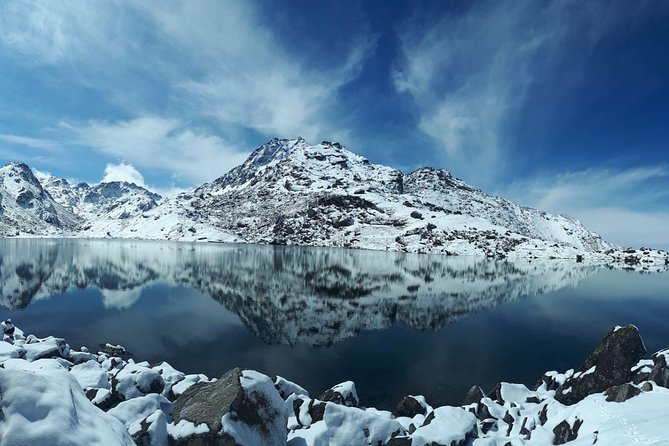
- Gosainkunda lake area sits at 4,390m, so pacing and altitude awareness matter
- Tea house / lodge stays keep you fed and off your feet each night
- Meals are included (3 per day on trek) with one menu item per meal, plus vegetarian can be arranged
- Small group limits (max 14) make the experience feel coordinated without feeling crowded
Why Goisankunda feels like a real journey, not a checklist
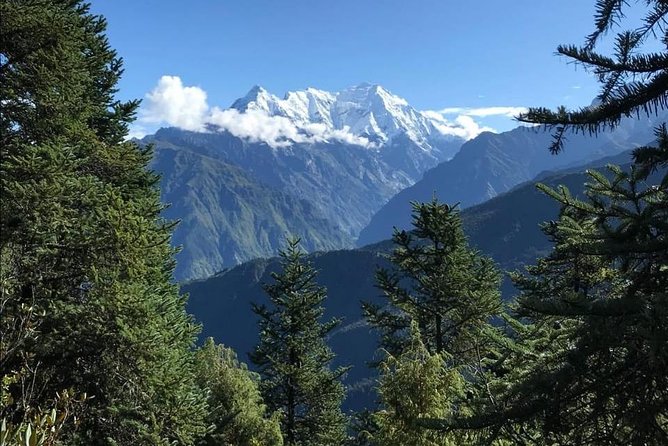
This trek is built around connection—between villages, changing elevations, and the sacred draw of the lakes. You’ll start at Dhunche (1,900m), then work your way upward toward Gosainkunda (4,390m). After that lake day, the route gradually lowers again, which helps your body shift from “climb mode” to “recovery mode.”
The value for me is that your big moving parts are handled: permits, a guide, food, and basic lodging. You don’t need to hunt for tea houses mid-trek or negotiate meal options after a long day. That means you can focus on the only thing that matters out there—walking well and taking in the views you’ve climbed for.
You can also read our reviews of more tours and experiences in Kathmandu.
Getting to Dhunche: the 7:15am start you’ll be glad you took
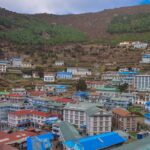
You’ll start at 7:15am and drive to Dhunche, around 1,900m. That matters because it removes the most common first-day headache: arriving in Kathmandu and scrambling to get to the trailhead area. With a private jeep transfer included, you get a direct path into the trek.
On Day 1, you’re basically setting your base. Expect the day to feel like transit plus orientation rather than a brutal hike. If you’re the type who likes to settle in early—get your bearings fast, check your gear, and avoid rushing—this structure helps.
Day 2: Chandanbari at 3,330m and the art of climbing steadily
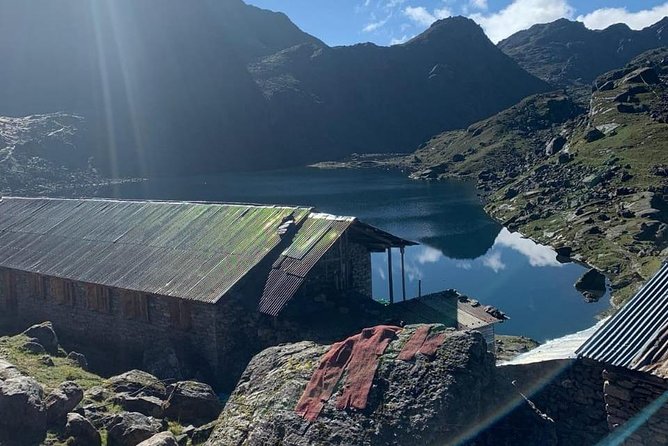
Day 2 takes you from Dhunche up to Chandanbari (3,330m). This is where the trek starts feeling real. The elevation gain is significant, but it’s not a straight vertical line; it’s a village-to-village push, which usually means you can find a rhythm.
What’s smart about this day is that you don’t jump straight to the highest altitude. You’ll have at least one acclimatization step in the middle before heading higher. Tea house or lodge accommodation is included for the trek, so you’ll have a place ready at the end of the day.
Practical note for your pace
If you’ve ever noticed how quickly you can burn out at altitude, this is where you prevent it. Go slower than you think you should. On treks like this, slow often feels easier than you expect once the thinner air kicks in.
Day 3: Gosainkunda (4,390m) and the lake-area goal
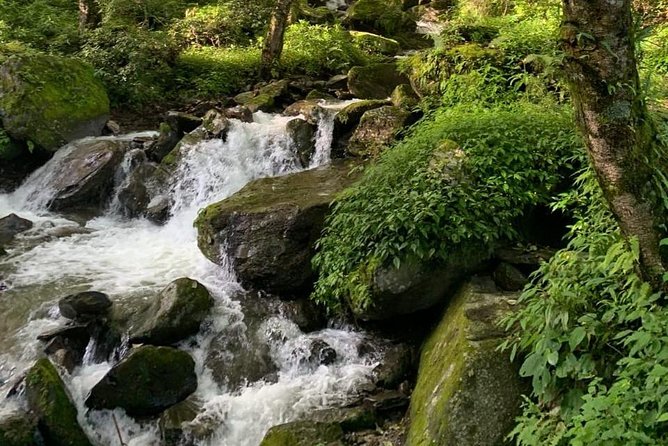
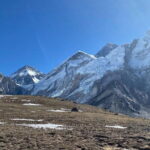
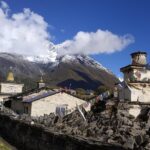
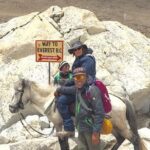
Day 3 is the headline day: trekking to Gosainkunda (4,390m), specifically the lake area. This is where you’ll feel altitude most strongly. It’s also where the trek’s meaning concentrates—Gosainkunda is not just a number on a map. It’s the reason people plan their days around this route.
The good news is that your logistics are handled. You have an experienced guide, permits included, and meals covered for the trek. That’s huge because at high elevations you want fewer decisions and smoother support.
What you should plan for emotionally
Lake-area days tend to make people pause more. You’ll likely want time to look, rest, and take photos. Build that into your energy. If you rush through because you think you need to “keep moving,” you can end up tired for no reason.
Day 4: Ghopte (3,530m) for a controlled drop
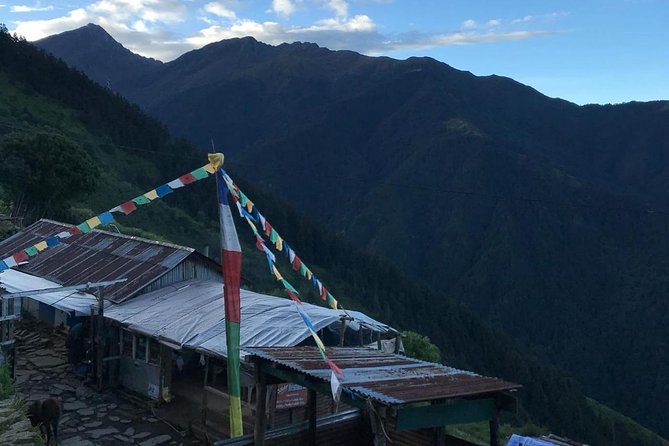
On Day 4 you head to Ghopte (3,530m). This is a step down from Gosainkunda. That drop matters. After reaching the lake area at 4,390m, your body benefits from easing down while you continue trekking forward.
This day often feels like the transition from “climb and fight for altitude” into “move more comfortably and enjoy the walk.” You’re still hiking every day, so don’t treat it like a vacation stroll—but it’s usually easier than the highest-point effort.
Day 5: Kutumsang at 2,470m and why the descent helps
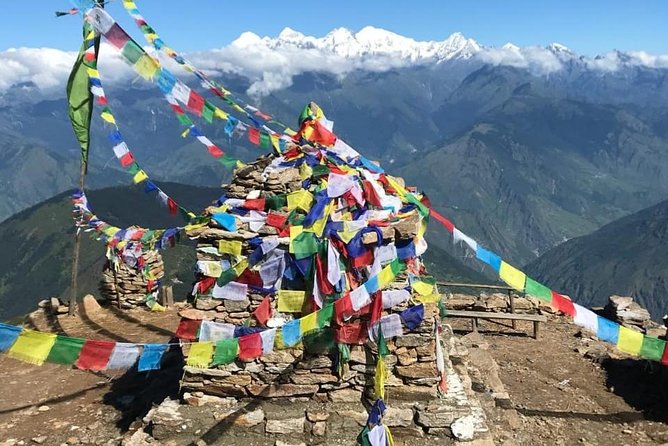
Day 5 brings you down to Kutumsang (2,470m). That’s a big altitude shift. For many hikers, this is the day where legs start to loosen up and your breathing settles. The downside is that fast descents can be tough on knees and ankles, so you’ll still want good trekking technique—shorter steps, careful footing, and a steady pace.
Accommodation is arranged at the tea house or lodge level, so you can recover properly. Since meals are included (and you can request vegetarian when booking), you won’t be scrambling for food choices at the wrong time.
Day 6: Chisapani (2,215m) and the last steady day on foot
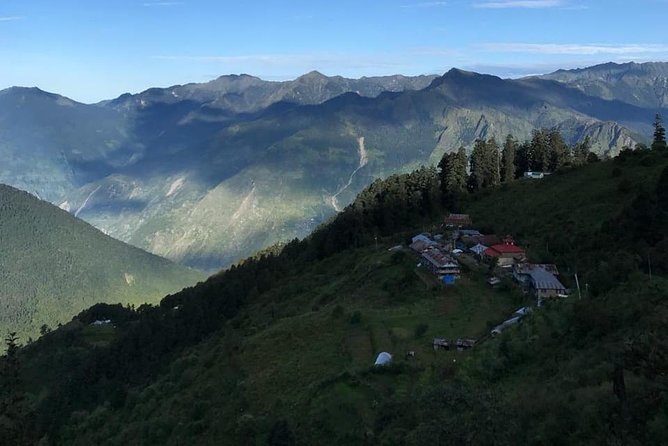
Day 6 takes you to Chisapani (2,215m). By now you’ve done enough trekking days that your body knows the routine: walk, stop, eat, hydrate, rest. This is a good moment to check your gear and habits. Small issues—like sore spots or not-enough water—are easier to fix now than if you wait for the final day.
Chisapani sets you up for the finish. You’re not far from the lower-elevation drive back, which helps make the overall experience feel achievable even if you’re not a hardcore trekker.
Day 7: Trek to Sundarijal (1,460m) and the drive home
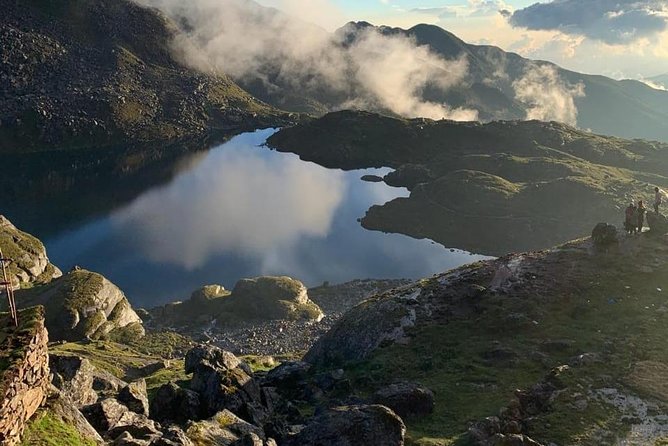
Day 7 is split between trekking to Sundarijal (1,460m) and then a drive back to Kathmandu. This is the payoff structure I appreciate most. You end with a bit of walking—enough to finish feeling like you completed the trek—but not so much that it drains you before the ride.
Reaching Sundarijal early enough usually makes the drive feel like a reward instead of a chore. And since you’re not responsible for finding transport or lining up permits at the end, you can just focus on getting your body back into Kathmandu mode.
Permits, tea houses, and included meals: the value you feel day by day
Here’s what makes the package feel practical: the essentials are covered. You get a permit for the trek, a guide, and food across the trek days—3 meals a day with one menu item per meal, plus breakfast. You also get accommodation in tea houses or lodges during the trek.
That matters because on Himalayan treks, delays and extra costs often come from the “small stuff.” A missed meal, an unexpected night without lodging, or a surprise permit problem can turn a good plan into a stressful one. This tour reduces those risks by handling the key logistics up front.
Vegetarian option is available
If you eat vegetarian, you can request it at booking. That’s worth noting because food availability and options can vary by stop on many routes. Having that set before you go makes a real difference.
Beverages are not included
This is the main food-related catch. You’ll want to budget for drinks and plan hydration. On altitude treks, it’s not a place to get stingy with water.
Guide support that actually helps: from planning to the tough moments
The trek includes an experienced guide, and Flyeast Nepal’s service approach shows up repeatedly in the way staff are described. People like Abhi and Roshan are credited with being quick and spontaneous when arranging trek options and explaining risks and gear needs. On the trail, porter guide support—people like Ram—is praised for taking care of what you need, not just walking alongside you.
There’s also a softer side to the support: crew members such as Nani are described as patient and responsive when questions come up. On a trek like this, that matters because you’ll have plenty of practical questions—pace, gear, and how to handle the day’s elevation changes.
As a final note: your tour is private to your group. That helps with comfort and reduces the feeling of “racing someone else’s pace.”
Price and logistics: is $555 actually fair?
At $555 per person for a roughly 7-day trek, the price can feel like a lot until you break down what you’re getting.
You’re paying for:
- Private jeep transfers (to Dhunche and back from Sundarijal)
- An experienced guide
- Trek permits
- Accommodation in tea houses or lodges during the trek
- Most meals (3 per day on the trekking days, plus breakfast)
- Fuel surcharge
When those items are bundled together, the tour avoids the common “add-ons stack up” problem. You’re not just buying hiking scenery; you’re buying a functioning plan—meals, beds, and a guide—so you can keep moving day after day.
What’s not included is also clear: Kathmandu hotels or other activities, personal insurance, beverages, and tips. If you like drinking plenty of tea, soda, or water bought along the way, bring extra cash. And don’t forget travel insurance, because that’s on you.
What you should pack for this kind of daily trek
Even with a guide, you still carry the responsibility for comfort. For a route that tops out at 4,390m and keeps you trekking daily, pack for layering and weather shifts.
I’d prioritize:
- Warm layers (nights at altitude can feel cold fast)
- Rain protection (mountain weather flips quickly)
- Good trekking shoes and socks (blisters are your enemy)
- A water bottle or hydration plan
- Basic first-aid and any personal meds for altitude concerns
- Power bank and essentials in a dry bag or waterproof liner
Also remember: beverages aren’t included, so plan how you’ll purchase or carry what you need between meals.
Who this trek suits—and who should rethink it
This is a strong fit if you:
- Have moderate physical fitness
- Are comfortable walking daily for about five days
- Like the structure of guided support (permits, meals, lodging)
- Want a private group experience without planning every step
It may be a tougher match if you:
- Struggle with altitude effects or want a more gradual acclimatization schedule than this provides
- Prefer lots of rest days or a non-daily pace
One more detail: the booking requires a minimum of 2 people and caps at 14. So this is best for couples and small groups who want everything arranged, rather than solo travelers looking for a fully independent experience.
Should you book Goisankunda, Trek of the Holy Lakes?
If you want a guided route where your days are mapped out, your meals and beds are handled, and the sacred lakes at Gosainkunda are the point, this trek is a solid choice. The private jeep transfers are a practical win, and the included support means you spend your energy on walking and enjoying the high-altitude experience instead of troubleshooting.
Book it if you’re realistic about the daily hiking and you’re ready for high elevation at the lake area. Skip it (or ask more questions first) if you’re not confident in your fitness, because this is not a “one or two big hikes” style itinerary—it’s steady trekking for days in a row.
FAQ
What time does the trek start?
The start time is 7:15am.
How long is the Goisankunda trek?
The duration is approximately 7 days.
What’s the highest elevation on the route?
The Gosainkunda lake area is at about 4,390m.
Is pickup included?
Yes. The tour includes a private jeep to Dhunche and a drive back from Sundarijal.
Are meals and lodging included?
Yes. Food for the trek is included (3 meals a day, with 1 item from the menu), and accommodation is included in tea houses or lodges for the trek.
Can I request a vegetarian option?
Yes. Vegetarian options are available—tell the provider at the time of booking.
What’s the cancellation policy?
Free cancellation is available. You can cancel up to 24 hours in advance for a full refund. If you cancel less than 24 hours before the experience’s start time, the amount you paid will not be refunded.