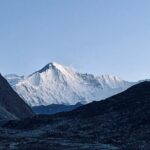
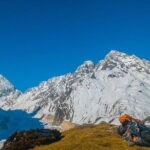
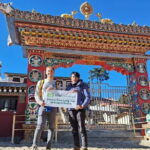
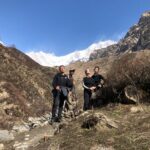
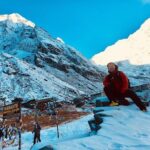
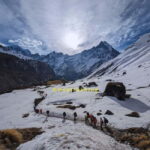
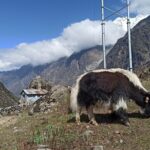
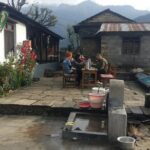
Everest from the trail is the real deal. This 6-day hiking adventure (wrapped in an 8-day schedule) puts you on the classic Everest View route, with Sherpa villages, suspension-bridge moments, and big-name peaks like Everest, Ama Dablam, and Lhotse showing up in stages. I especially like that the trip handles the heavy logistics—airport transfers, trekking lodges, and meals—so you can focus on walking and breathing. Another standout is the cultural stops, including Tengboche Monastery plus Sherpa sites like Khumjung Monastery and the Hillary School. The one drawback to think about is the flight-based plan: the Lukla hops can be weather-dependent, and those changes can affect timing.
If you like a trek that feels authentic but doesn’t require weeks of preparation, this one fits well. The days are long enough to earn the views, but the route also gives you chances to pause, take photos, and learn what you’re looking at. You’ll also want to plan for a pack you can manage, because a porter is not included—so you’ll either carry your own load or arrange something separately.
In This Review
- Key highlights worth your attention
- The Everest View concept: big peaks without the Everest summit grind
- Day 1 in Kathmandu Thamel: set your pace before the mountains
- Day 2: fly to Lukla, then ease in at Phakding
- Day 3: Namche Bazaar day and the first serious Everest views
- Day 4: Tengboche Monastery and the Ama Dablam/Everest picture day
- Day 5: retracing to Manjo via Namche Bazaar
- Day 6: Manjo back to Lukla, with downhill plus a climb up
- Day 7: return to Kathmandu, then time to exhale
- Day 8: final flight home or your next program
- What you actually get for the $790 price
- Included (the big-ticket stuff)
- Not included (so you can budget without surprises)
- Guide support and safety reality checks
- What to pack and how to plan your load (since no porter)
- Who this trek fits best (and who should think twice)
- Should you book Everest Experience Trek 6 Day Hiking Adventure?
- FAQ
- How long is the trek?
- Where does the trip start in Nepal?
- Do I need permits for the Everest region?
- Are meals included during the trek?
- Are airport transfers included?
- Is the Lukla flight included?
- Is travel insurance included?
- Do I get a porter?
Key highlights worth your attention
- Lukla flight plus the Dudh Koshi start: you ease in with a gentle first hiking day after landing.
- Suspension bridges and pine forest walking: classic Everest-region scenery without going too far off the standard route.
- Namche Bazaar area viewpoints: your first strong Everest views tend to show up as you work your way upward.
- Tengboche Monastery day: a spiritual stop with panoramic mountain focus.
- Return flight for an easier ending: you finish with a short hop back to Kathmandu instead of a final long walk down.
The Everest View concept: big peaks without the Everest summit grind
Let’s get one thing straight: this is not a summit attempt. It’s an Everest region hike designed for jaw-dropping views and memorable Sherpa culture, without the extreme, oxygen-demanding pressure of climbing to Everest’s high camps. That’s a big reason many people choose it. You’ll still feel the altitude and the effort, but the goal is to see the mountains clearly and experience the trail life.
The itinerary also keeps things practical. Your trekking section is supported by standard lodge stays and included meals, which matters when your choices up high are limited. You’re also given the official paperwork you need for the region—Everest National Park permit, TIMS card, and Pasang Lhamu Municipality entry—so you’re not trying to sort documents mid-trip.
One more plus: the route is built around gradual acclimatization. You walk up from Lukla into the Namche area, then you move onward and later retrace your steps. That gives your body repeated chances to adjust, instead of jumping straight to the highest points in one go.
You can also read our reviews of more tours and experiences in Kathmandu.
Day 1 in Kathmandu Thamel: set your pace before the mountains
Your trip starts in Kathmandu with arrival at Tribhuvan International Airport and a transfer into Thamel. Thamel is your practical base in Kathmandu: easy to find gear, snacks, and pharmacies if you need something last minute. On this day, you’ll get a briefing and time to prepare for the trek.
You’ll sleep in a 4-star hotel in Kathmandu for night one. That matters more than it sounds. After a long flight, a proper bed and a reset day reduce stress when you’ll be up early for the Lukla flight the next morning.
Also keep in mind: the trip includes airport-hotel transfers by private tourist vehicles, so you’re not navigating Kathmandu traffic with backpacks and jet lag.
What to do with your evening? If you’re the kind of traveler who likes to get ready early, use this time to:
- confirm what you’ll carry each day,
- lay out layers (morning and evening temperatures can vary fast),
- and plan how you’ll handle cash for drinks or extras (those aren’t included).
Day 2: fly to Lukla, then ease in at Phakding
The day you leave Kathmandu is a mix of quick flight time and steady trail time. You’ll fly about 30 minutes from Kathmandu to Lukla, then start walking for roughly 3–4 hours to Phakding along the Dudh Koshi River.
That “easing in” part is real value. Lukla sits at a higher elevation than Kathmandu, and it can feel punchy even before you start hiking. A short trek on day two helps your legs warm up while your lungs adjust.
Expect scenery that keeps changing as the river valley opens and narrows. The description calls out lush forests and classic riverside walking, and on this route that usually means a mix of shade, bridge crossings, and viewpoints that pop in and out as you move.
Overnight is in Phakding at a trekking lodge. Meals are included here (and throughout the trek), including tea/coffee with those meals, so you’re not paying for every basic calorie after you spend your money on flights and permits.
Practical note: since your itinerary includes “Admission Ticket Free” on some days, you’ll likely just follow the guide’s instructions for entry where required. Still, always keep your own copies of identification and any paperwork the guide mentions.
Day 3: Namche Bazaar day and the first serious Everest views
From Phakding you’ll trek about 5–6 hours to Namche Bazaar. This is where the Everest View part starts to feel less theoretical.
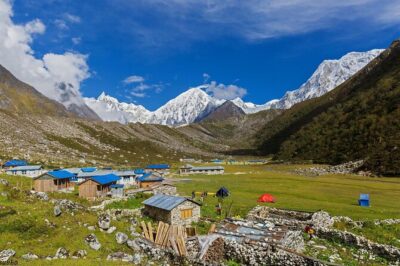
You’ll cross suspension bridges and spend time in pine forests. Those bridges are not just photo stops—they’re also a rhythm change. One minute you’re focused on footing; the next you’re catching your breath and looking down valley, then up at the ridgelines.
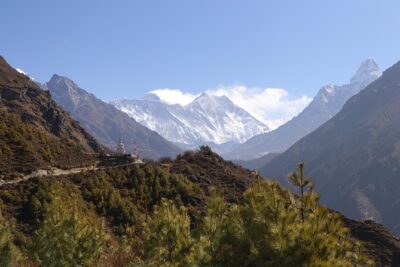
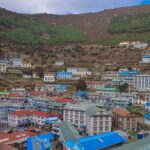
As you approach Namche, you get your first views of Everest en route. It’s not always one clean, postcard angle, but even partial glimpses can be motivating. Namche itself is a hub—part Sherpa community, part supply center—so it’s also a good place to see how trekking tourism fits into daily life.
You’ll spend the night in Namche Bazaar, which supports acclimatization by giving you a place to settle. Your route also points to important Sherpa cultural sites in this broader area, including Khumjung Monastery and the Hillary School. If your timing lines up, this is typically the kind of side visit that makes the trek feel richer than just mountain scenery.
Day 4: Tengboche Monastery and the Ama Dablam/Everest picture day
Day four is the most “movie scene” day for many people, and for good reason. You’ll trek about 5–6 hours to Tengboche, with a monastery visit at the heart of the day.
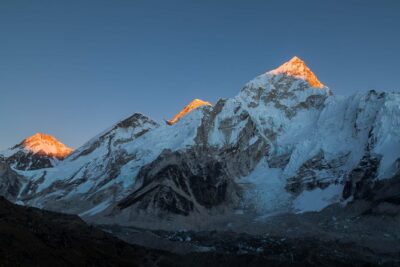
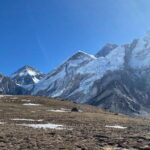
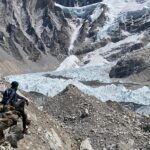
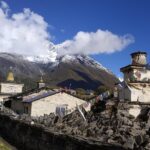
You’ll reach Tengboche Monastery and get panoramic views that often highlight Everest and Ama Dablam. The monastery setting adds calm to a day that’s still physically demanding. For me, that balance is one of the best parts of Everest-region treks: walking hard in the morning, then slowing down at a spiritual site with mountains in the background.
This is also where you can start spotting the kind of wildlife people mention in the region—pheasants, musk deer, and Himalayan Thar have been reported along these trails. You shouldn’t hike expecting to “guarantee” animal sightings, but the point is the habitat is alive, and you might catch quick movement in the trees or on the slope.
Overnight is in Tengboche. It’s a good day to practice your “layer discipline”: mornings can start cool, and afternoon sun can change how warm you feel inside the lodge.
Day 5: retracing to Manjo via Namche Bazaar
After Tengboche, the plan turns into a longer retrace. You’ll trek back to Manjo via Namche Bazaar for about 6–7 hours.
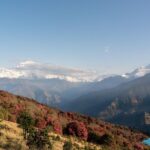
This is one of those days where the itinerary becomes an advantage. Retracing routes can feel repetitive on paper, but on the trail it often works the opposite way. Lighting changes, the air can clear or cloud up, and mountain angles shift as you gain and lose elevation. That means the same valley you saw coming up can look brand new on the way back.
The route calls out plenty of time to enjoy the scenery. Use that time for slower walking and more breaks. If you treat the day like a race, you’ll miss what makes the Everest View route worth it.
Overnight is in Manjo, again in standard trekking lodges on the Everest View trek route. Meals are included, so once you arrive you can focus on rest instead of figuring out what’s open and what’s available.
Day 6: Manjo back to Lukla, with downhill plus a climb up
Day six is the “hike back to the flight” day. You’ll trek 6–8 hours, dropping downhill toward Phakding and then hiking back up toward Lukla for about three hours.
That combination is why this day feels different:
- Downhill walking can be tough on knees if you move fast.
- The hike back up takes patience, especially as you’re already tired from multiple days in altitude.
The good news is the route structure gives you a reason to break the day into phases. You’ll first get your downhill reset, then you transition into the climb toward Lukla when you’re ready to focus on steady effort.
Overnight is in Lukla. That sets you up for the return flight to Kathmandu on day seven.
If you’re sensitive to carrying weight, this is the moment to be honest with yourself about how much you packed. A porter is not included, so your load choices matter.
Day 7: return to Kathmandu, then time to exhale
You’ll fly about 30 minutes from Lukla back to Kathmandu. Once you land, you’ll have time to explore or just relax, with an overnight back in Kathmandu.
This is where the trip earns its “value” in a very human way. You’re done with trekking. You can shower, eat something you actually recognize, and stroll around without worrying about daylight and trail conditions.
If your body needs recovery, this is the time to take it. If you’re energized, Kathmandu is the kind of place where you can fill the day with cultural wandering.
Day 8: final flight home or your next program
Day eight is a short 30-minute transfer to Tribhuvan International Airport and the fly-back stage. The structure is simple: you end cleanly and can join another program if you want.
What you actually get for the $790 price
At $790 per person, this is priced like a guided, supported Everest View trekking package—not like a DIY trip where you handle permits, guides, lodges, and meal planning yourself. The best way to judge value is what’s included.
Included (the big-ticket stuff)
- Airport-hotel transfers by private tourist vehicle
- Standard trekking lodge stays on the route
- Meals during the trek: 6 breakfasts, 5 lunches, 5 dinners, with tea/coffee listed with meals
- Key paperwork: Everest National Park permit, TIMS card, and Pasang Lhamu Municipality entry
- A licensed trekking guide for up to five trekkers, with salary, meals, and accommodation handled
- Additional guide for groups over six
- First-aid medicine items
- A T-shirt and trip certificate after completion
- Government/local taxes listed as included
- Mobile ticket and a group-private setup for your group
Not included (so you can budget without surprises)
- International airfare and Kathmandu–Lukla–Kathmandu airfare
- Travel insurance
- Drinks like desert, bar items, and other beverages bills
- Tips for crew members
- Porter
Here’s my practical take: the trek portion sounds well-supported financially because meals, permits, lodge lodging, and the guide are covered. Where the cost can jump is flights to/from Lukla and whatever you add for insurance, drinks, and tipping. If you already have solid travel insurance and you know your tipping plan, you’ll feel a lot more comfortable with the total.
Guide support and safety reality checks
You’ll be with an experienced guide, and the trip describes insurance coverage as part of keeping things safe. That’s important in the Everest region where weather shifts and trail conditions can change.
One detail I like from the feedback shared with me is how communicative the team can be. A guest mentioned Sobit as easy to reach, with quick answers and a meeting arranged at their Kathmandu hotel. Another guest described Ramesh as a strong presence during a longer EBC-style round trip plan. Even if your specific guide differs, these examples are a good sign: the company doesn’t treat communication as an afterthought.
Still, there’s one safety consideration you should own: altitude affects everyone. Follow the guide’s pace, take breaks when offered, and don’t try to “win” the trek.
What to pack and how to plan your load (since no porter)
Because a porter is not included, you’ll carry your own gear. That can be totally manageable if you pack like a realist.
You’ll likely want:
- a warm mid-layer for mornings/evenings,
- a rain shell (weather up high can turn fast),
- quick-dry hiking clothes,
- gloves and a hat if you run cold,
- and a small daypack for water/snacks on the trail.
Don’t forget: drinks and extra items at lodges cost extra. Keep some budget set aside for that, especially if you like tea beyond what comes with meals.
Who this trek fits best (and who should think twice)
This is a great match if you want:
- an Everest View itinerary with classic scenery,
- structured guidance and included permits,
- lodge-based comfort with meals handled,
- and a trek that ends with flights back to Kathmandu.
It’s also a sensible pick for couples, since the trip is private for your group and gives you flexibility within the route schedule.
You might think twice if:
- you’re unwilling to handle a personal pack without porter support,
- you need a perfectly predictable schedule and can’t deal with flight timing changes,
- or you’re looking for a fully custom, off-the-beaten-path adventure.
Should you book Everest Experience Trek 6 Day Hiking Adventure?
If you want Everest-region views, Sherpa culture, and a guided plan that’s mostly handled for you, I’d say yes. The value comes from the structure: permits, guide support, lodge stays, and trek meals are included, and the route hits the big spiritual and scenic anchors like Tengboche Monastery and the Namche area.
I’d only hesitate if you’re still figuring out your total budget for Lukla flights, insurance, drinks, and tips—or if you’re not ready to carry your own bag. If those parts are under control, this trek offers a satisfying mix of mountain awe and real trail days without requiring an Everest-summit level commitment.
FAQ
How long is the trek?
The itinerary runs about 8 days in total, including flights and Kathmandu days, with a 6-day hiking adventure built into that schedule.
Where does the trip start in Nepal?
It starts in Kathmandu, with arrival at Tribhuvan International Airport and a transfer to a hotel in Thamel, plus briefing and preparation for the trek.
Do I need permits for the Everest region?
Yes. The tour provides the Everest National Park permit, Pasang Lhamu Municipality entry, and the TIMS card.
Are meals included during the trek?
Yes. Meals are included for the trekking days: 6 breakfasts, 5 lunches, and 5 dinners, and tea/coffee are included with meals as listed in the itinerary.
Are airport transfers included?
Yes. The tour includes all airport-hotel transfers by private tourist vehicles as per the itinerary.
Is the Lukla flight included?
No. International airfare and Kathmandu–Lukla–Kathmandu airfare are not included.
Is travel insurance included?
No. Travel insurance is not included.
Do I get a porter?
No. A porter is not included.