REVIEW · KATHMANDU
Everest Base Camp Kalapathar Trek 14 Days
Book on Viator →Operated by Eco Holidays Nepal · Bookable on Viator
Everest Base Camp feels close here. This 14-day Everest Base Camp and Kalapathar trek pairs Sherpa village life with big, high-altitude moments in the Khumbu, inside Sagarmatha National Park. I really like the built-in acclimatization days, and I love how the route escalates from green woodland to icy glacier country without feeling chaotic.
One watch-out: you need a moderate fitness baseline. Also, while guides like Sagar, Bikram, Anup, Dhruba’s team, and others are praised for support, one note flagged that English ability can vary, so it helps to come with clear, simple questions.
In This Review
- Key highlights worth caring about
- Kathmandu warm-up: Thamel, airport pickup, and Swayambhunath
- Flight to Lukla and the first trail: easing into Khumbu life
- Namche acclimatization: the stop that makes the whole trek feel safer
- Tengboche: forests, monastery time, and the view punch
- Pangboche and Dingboche: more exposure, same Sherpa heartbeat
- Lobuche to Gorak Shep: Everest Base Camp is the main event
- Kalapathar sunrise: the highest point above 5,545 m
- Back to Namche and Lukla: long days, but you’ll appreciate them
- What you actually get for $1,990: value, not just a sticker price
- Tips for choosing your fit: who should book this trek
- Should you book the Everest Base Camp Kalapathar 14-day trek with Eco Holidays Nepal?
- FAQ
- How long is the Everest Base Camp and Kalapathar trek?
- Does the package include flights to and from Lukla?
- Is accommodation included during the trek?
- Are permits included for Sagarmatha National Park?
- What equipment is provided?
- Are meals included?
- Do I need to hire a porter?
- What’s not included in the price?
- What is the cancellation policy?
Key highlights worth caring about
- Lukla return flights included so you avoid last-minute scrambling
- Kalapathar above 5,545 m with early-morning summit time for mountain views
- Tea house lodging across the trek, keeping the schedule realistic
- Namche acclimatization with a museum stop and a viewpoint break
- Tengboche Gompa and monastery time for spiritual-and-scenery contrast
- A private tour where it’s only your group on the itinerary
Kathmandu warm-up: Thamel, airport pickup, and Swayambhunath
You start in Kathmandu, with an airport handoff and a transfer to a hotel in Thamel. That matters more than it sounds. After a flight, having a staff member and guide ready to move you saves energy for the days that require it.
On day 2, you get a guided walk around Swayambhunath Temple and other World Heritage sights. This is a useful palate cleanser before the mountain rhythm starts. Temples, prayer wheels, and Kathmandu streets help you understand the human side of Nepal, not just the trekking brochure.
You also get afternoon time to prep for the trek. That downtime is smart. In real high-altitude travel, the smallest things—checking layers, keeping your daypack dry, sorting cash—can make the whole trip smoother.
You can also read our reviews of more tours and experiences in Kathmandu.
Flight to Lukla and the first trail: easing into Khumbu life
Day 3 takes you by air from Kathmandu to Lukla (about 30 minutes). Then the trek drops you into the river valley toward Dudh Kosi, walking to Phakding. This first stage is about momentum, not suffering. You pass Sherpa farm villages, cross bridges, and start getting a feel for how the trail threads through daily life.
One thing I like about this pacing: it doesn’t jump straight into the biggest altitudes. It gives you time to adjust to walking on steep sections while your body still has a few altitude buffers in hand.
Your overnight is in a tea house. That’s a recurring theme here, and it’s one reason this trek works for many first-time Everest travelers. You’re not constantly switching hotels or logistics.
Namche acclimatization: the stop that makes the whole trek feel safer
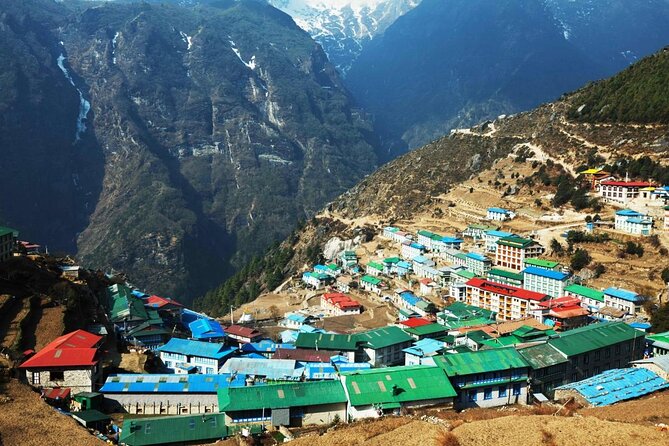
On day 4, you push to Monjo and enter Sagarmatha National Park, then continue to Namche Bazaar. This is a classic change-of-world moment: smaller farms and bridges give way to higher Sherpa hubs with shops, lodges, and thicker trekking traffic.
Namche is where the itinerary leans into acclimatization. Day 5 keeps you at 3,440 m with time for a short viewpoint excursion and the park museum, which focuses on Khumbu area life and Sherpa culture, plus mountaineering history. I like this combination because it’s not just rest. It’s rest plus context, so you understand what you’re walking through.
You also get a low-pressure social break built into the schedule, including time at the Irish Pub in Namche. It’s not the spiritual center of the Himalaya, but on a long trek it’s a practical reset: warmth, a place to charge devices (where available), and an easy way to regroup with your guide.
Day 5’s takeaway is simple: you’re giving your body time, while your mind stays engaged.
Tengboche: forests, monastery time, and the view punch
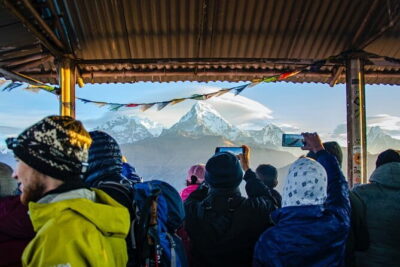
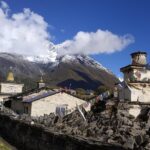
Day 6 brings a solid walking day (about 8 hours) to Tengboche. The approach moves through forest, and Tengboche is known for dramatic mountain sightlines, including Everest and close views of Ama Dablam with surrounding peaks.
You also visit Tengboche Gompa and monastery time. That’s more than tourism. In this region, the prayer wheels, chants, and monastery spaces connect the trek to the culture that shapes everyday life up here. It also gives you a quiet moment after big visual days.
The practical advantage: Tengboche is a staging place where you can breathe, hydrate, and make sure your layers and gear are working before the higher, more exposed sections.
Pangboche and Dingboche: more exposure, same Sherpa heartbeat
After Tengboche, you continue through Pangboche, described here as the last permanent village route-wise before Everest Base Camp. Then you go on to Dingboche and climb briefly to a viewpoint.
This day matters because it’s where the terrain starts feeling less like village living and more like high-altitude trekking. The itinerary calls out views of Island Peak and Ama Dablam from the viewpoint. Even if clouds roll in, you’re still getting that big-Everest sense that changes how you walk.
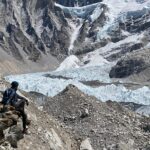
You overnight in Dingboche. Then day 8 pushes you further to Lobuche via Thugla, passing prayer flags and Buddhism monuments. It’s a steady climb with a shift in scenery: the higher you go, the more the trail feels like it’s cutting through the raw edges of the mountains—moraine, ice, glacier country, and that in-between world where weather can change fast.
Lobuche to Gorak Shep: Everest Base Camp is the main event
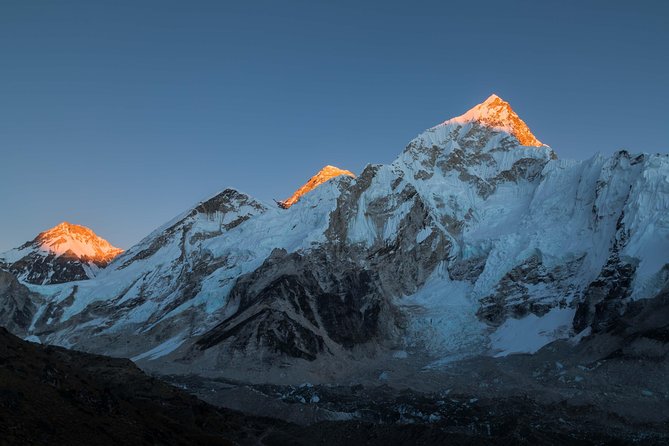
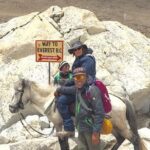
Day 9 is where the trek’s headline happens. You go from Lobuche to Gorak Shep, then continue to Everest Base Camp. The itinerary frames it as the main highlight, close to the Khumbu Icefall and glaciers, beneath Mount Everest itself.
Here’s what you should plan for mentally. Reaching Base Camp isn’t just a hike milestone. It’s a sensory moment: cold air, dramatic ice features, and the feeling of being near a global icon while still surrounded by local guides, tea-house routines, and the practical logistics of mountain travel.
After time at Base Camp, you return to Gorak Shep for overnight. The point of coming back is simple: you’re not done. The next morning is the true payoff climb.
Kalapathar sunrise: the highest point above 5,545 m
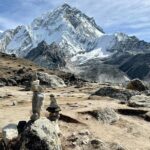
Day 10 starts early. You climb to Kalapathar, described here as the highest point of the adventure, above 5,545 m, with Mount Everest close distance views.
This is the trek’s big “yes, it was worth it” moment. The height and the early timing help you catch clearer sightlines. If your energy is managed well, the climb feels like a big step, not a random punishment.
Then you descend to Gorak Shep for breakfast and continue on toward Thugla, then downhill to Pheriche with scenic walking, arriving for lunch options along the way. The day ends with reaching Pangboche for overnight.
This is also where you start to notice a mental shift. On the way in, you’re chasing altitude. On the way out, you’re seeing the trail again with new eyes.
Back to Namche and Lukla: long days, but you’ll appreciate them
Day 11 takes you from Pangboche to Namche via Thayangboche, with time around Thayangboche. You overnight in Namche. This is a useful transition day because Namche feels like civilization compared to the higher, colder stretch you just finished.
Day 12 is the longer push: a walk takes you back toward Lukla from Namche Bazaar, then overnight there. The itinerary calls it a full day (about 8 hours). You’ll likely feel it in your legs. That’s normal. This is the home stretch, not a victory lap.
Day 13 then returns you to Kathmandu by flight from Lukla. After landing, you transfer back to your Thamel hotel area and have time for the final Nepal-hours you didn’t know you’d want: dinner, shopping, sorting photos, or just sitting somewhere warm and staring at the skyline.
What you actually get for $1,990: value, not just a sticker price
At $1,990 per person for 14 days, this trek is priced like a package that includes the big-ticket items, not like a bare-bones climb.
What’s included that matters most:
- Necessary permits (including park-related requirements)
- Round-trip flights Kathmandu–Lukla–Kathmandu
- A professional trekking guide
- Tea house accommodation throughout the trek
- Sleeping bag and duffel bag (helpful if you don’t want to buy gear)
- Private vehicle transport for included city legs
- Route map and a branded t-shirt
- Meals: 12 breakfasts, 10 lunches, 11 dinners
What’s not included (plan for it):
- Your personal expenses and soft/hard drinks
- WiFi and shower (and other personal comfort items)
- A porter if needed (porter is listed as not included if you want one)
So here’s my value take: if you were to piece together permits, guides, and Lukla flights on your own, you’d spend a lot of time and energy coordinating. This package trades that effort for a clear plan and included logistics.
Also, the private format helps. It means you’re not forced into someone else’s pace or group dynamic. Several guides in the team are mentioned by name in feedback—Sagar, Bikram, Anup, Balaram—and the overall tone is that the company is organized and hands-on. Dhruba (owner) and the ground team show up in positive notes as well, which is a good sign when you’re relying on local coordination at altitude.
Tips for choosing your fit: who should book this trek
This trek suits you best if:
- You have moderate fitness and can handle long trekking days.
- You want a structured route with acclimatization built in.
- You prefer tea house lodging and a guide-managed schedule rather than DIY logistics.
- You like cultural stops with monastery and museum time, not only peak-chasing.
It may feel like a poor fit if:
- You’re expecting huge downtime every day. Several days are paced at 8 hours walking blocks.
- You rely heavily on fluent English explanations. One note mentioned a guide whose English wasn’t strong, though friendly help and on-the-ground competence made up for it. If language matters to you, ask questions in advance and make sure your communication expectations are clear.
Should you book the Everest Base Camp Kalapathar 14-day trek with Eco Holidays Nepal?
If your goal is a well-structured Everest Base Camp + Kalapathar experience with permits, Lukla flights, tea house stays, and most meals handled, this package looks like a solid deal. You’re buying logistics, not just trails, and that matters a lot on a trek where the route and timing are everything.
I’d say book it if you like steady progress, cultural stops, and a clear plan that gets you to the Everest-adjacent moment at Base Camp and then up to Kalapathar for the high views. If you’re less confident with altitude and endurance, treat the moderate fitness requirement seriously and train before you go.
FAQ
How long is the Everest Base Camp and Kalapathar trek?
It’s listed as about 14 days.
Does the package include flights to and from Lukla?
Yes. It includes round trip flights Kathmandu – Lukla – Kathmandu, and you’ll fly to Lukla after departing Kathmandu.
Is accommodation included during the trek?
Yes. You’ll stay in tea house accommodation during the trek.
Are permits included for Sagarmatha National Park?
Yes. The tour includes necessary all permits.
What equipment is provided?
The package includes necessary equipment like a sleeping bag and a duffel bag.
Are meals included?
Yes. Meals included are breakfast (12), lunch (10), and dinner (11).
Do I need to hire a porter?
A porter is not included if you want one. The info says porter if needed is not part of the package.
What’s not included in the price?
Personal expenses, soft and hard drinks, WiFi, shower, and other personal items are not included.
What is the cancellation policy?
You can cancel for a full refund up to 24 hours in advance of the experience’s start time.