REVIEW · KATHMANDU
Private 12-Day All Inclusive Guided Annapurna Base Camp Trek Tour
Book on Viator →Operated by Cordial Trek Pvt. Ltd. · Bookable on Viator
From the first morning in Kathmandu, this trip has momentum. Annapurna Base Camp is a classic trek, but the way this plan strings together private guidance plus guided pacing makes it feel calmer than most. You’re trekking into the Annapurna Sanctuary, where the scenery turns dramatic fast, and the payoff is timed for sunrise.
What I like most is the organization around the human stuff: pickup, hotel check-in, and a guide who keeps things moving when trails, weather, or timing get messy. I also like that the package covers the practical basics, including down jacket and sleeping bag gear plus trekking permits, so you can travel lighter and worry less.
One consideration: this route sits at altitudes above 4000 meters, and the itinerary depends on good weather. If you’re expecting guaranteed sunshine every day, you’ll want to keep your expectations flexible.
In This Review
- Key highlights and what to notice
- Annapurna Base Camp isn’t just a trek, it’s a place
- The 12-day pacing: why it feels doable
- Kathmandu arrival day: clean start, less admin
- Drive to Pokhara and a lakeside reset
- Birethanti to Ghandruk: your first real look at Gurung life
- Chhomrong and the forest-to-farm feel
- Sinuwa and Dobhan: quieter trails, more time in the woods
- Deurali: tea-house life and waterfall energy
- Deurali to Machhapuchhre Base Camp to Annapurna Base Camp
- Sleeping at ABC: sunrise that’s built into the plan
- Jhinu Danda: a hot spring break on the way down
- Back to Birethanti and Pokhara: celebrate the finish
- Kathmandu again: optional flight shortcut and your certificate
- What’s included (and why it changes your trip)
- Price and value: what $1,175 buys you
- Weather and altitude: your two real variables
- Who should book this tour
- Should you book this Annapurna Base Camp trek?
- FAQ
- Does this tour include pickup from the airport in Kathmandu?
- How do you get to Pokhara from Kathmandu?
- Where does the trekking start?
- Is the trek tour private?
- What trekking gear is included?
- Are meals included?
Key highlights and what to notice
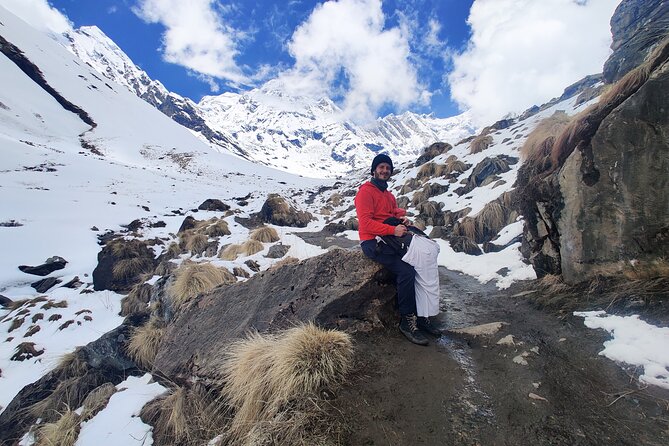
- Annapurna Sanctuary setting: an oval high glacial basin inside the Annapurna range, accessed through a narrow valley
- Sunrise focus: you sleep at base camp and wake early for breakfast and the view
- Gear included: returnable down jacket, sleeping bag, and duffle bag for cold nights
- Private format: it’s your group only, with pickup and transfers handled
- Guides get praised for English and attention: names that come up include Pratip Tamang, Raj, Ganesh, Prakesh, and Prakash
- Hot spring moment: Jhinu Danda is known for natural hot springs, built into the descent
Annapurna Base Camp isn’t just a trek, it’s a place
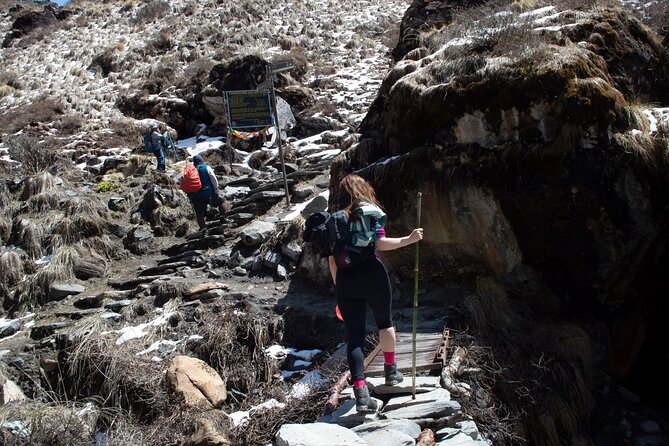
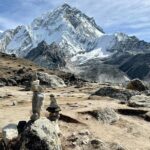
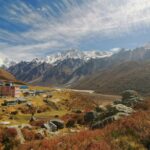
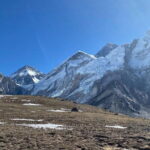
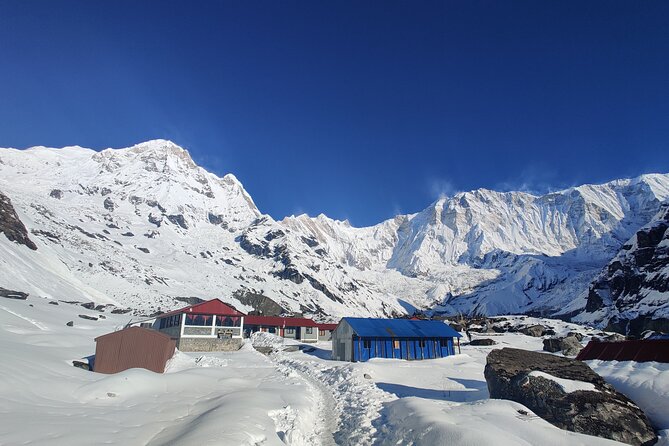
Annapurna Base Camp sits inside the Annapurna Sanctuary, a high glacial basin about 40 km north of Pokhara. It’s described as oval-shaped and sitting at an altitude over 4000 meters, ringed by mountains—most of them above 7000 meters. The key geographic detail is the access: the sanctuary’s entrance is a narrow valley between Himchuli and Macchapucchre. That’s part of why the area feels like a natural amphitheater once you reach the plateau.
One more detail I really like: the sanctuary wasn’t penetrated by outsiders until 1956. Even today, you don’t feel like you’re walking through a theme park. Instead, it feels like you’re moving through mountain villages and forested trails that slowly funnel you toward the big wall of peaks.
You can also read our reviews of more tours and experiences in Kathmandu.
The 12-day pacing: why it feels doable
This is listed as a 12-day tour, but the trekking starts on the third day after you get to the trailhead at Birethanti. The route then builds in a rhythm: a few shorter trekking days mixed with longer descent segments. That matters because ABC is not a sprint. You want time to adjust and keep your legs working without turning every day into a fight.
You’ll also sleep in teahouses and guest houses along the way. Those places are simple, but they’re part of the experience: you’re eating real Nepalese meals, meeting other trekkers sometimes, and letting the days run at trail speed instead of airport speed.
Your guide’s job is more than “showing the path.” A good guide helps you manage breaks, chooses timing for better visibility, and keeps the plan on track so you don’t arrive at ABC exhausted or rushed. In past feedback, guides like Pratip Tamang and Raj get called out for being attentive and helpful, with good English and a calm presence.
Kathmandu arrival day: clean start, less admin
Day 1 is a straightforward Kathmandu landing: you arrive at Tribhuvan International Airport, get greeted by a Cordial Trek representative, and get picked up. Then you check into a hotel and are briefed about what’s coming next. This kind of first-day structure is underrated. It helps you get oriented fast—where to be, what to carry, and how the first logistics steps fit together—before you disappear into the mountains.
You’re also introduced to your guide. That matters because by the time you reach Birethanti, you’ll be leaning on your guide’s decisions: pace, timing, and how to handle small problems that always pop up on treks.
Drive to Pokhara and a lakeside reset
On day 2, you take a scenic drive from Kathmandu to Pokhara via a luxury tourist bus. The drive is 6–7 hours, and then you get time to explore Pokhara Lakeside in the evening and sleep there.
For your body, this reset day is useful. Even if you don’t “relax,” at least you’re not trekking yet. For your planning brain, it’s also where you can double-check clothing layers, water strategy, and the small stuff that can annoy you later—like realizing your gloves are missing.
Birethanti to Ghandruk: your first real look at Gurung life
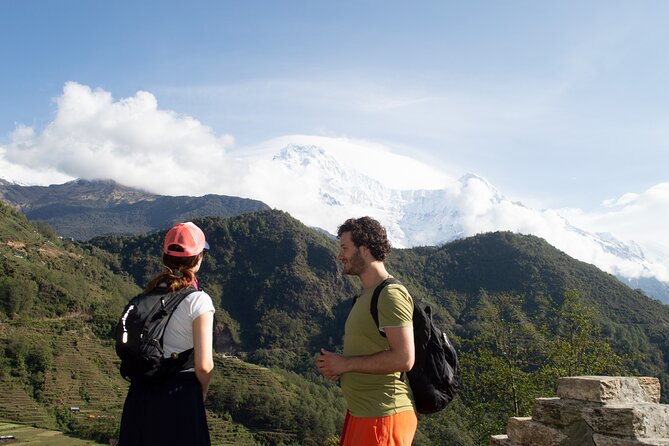
Your trek officially begins day 3 from Birethanti. From there, you head toward Ghandruk, trekking about 5–6 hours.
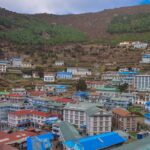
Ghandruk is one of those villages where you feel the culture as well as the views. It’s described as offering insight into traditional Gurung culture and hospitality, plus some amazing cuisine. On the trail you pass waterfalls and get spectacular mountain views along the way. It’s a good first trekking day because it isn’t purely punishing climbs; you get rewarded with scenery and a village culture stop that sets a warm tone.
You sleep in a mountain guest house in Ghandruk. Expect basic comfort, not luxury. But that’s part of the deal: teahouses are how this area survives, and you’re helping keep the mountain economy alive one meal at a time.
Chhomrong and the forest-to-farm feel
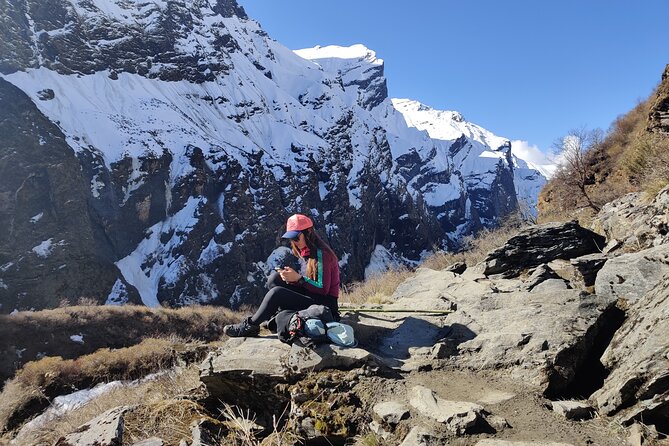
Day 4 moves you from Ghandruk to Chhomrong (about 4–5 hours). Chhomrong is described as a modern Gurung village, with traditional farming views and dense forest on the way.
This stretch is often where trekkers start syncing their effort: you learn how to manage your breathing on the steeper bits and how to time your rests so you’re not wiped out too early. Also, forest sections change the air feel—cooler shade one moment, then bright sun the next—so layering matters.
Sinuwa and Dobhan: quieter trails, more time in the woods
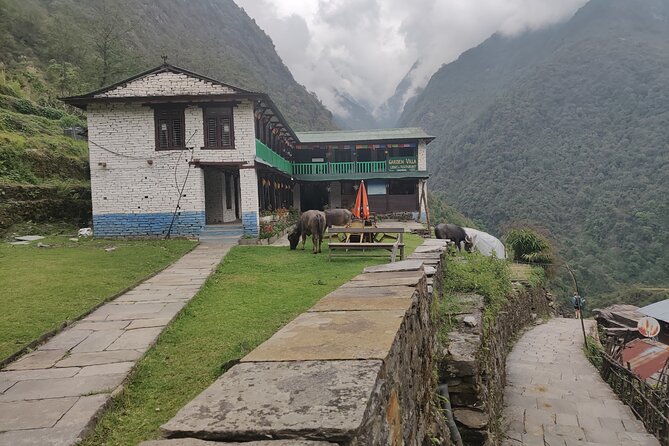
Day 5 is two parts. First you hike about 2 hours from Chhomrong to Sinuwa, then you continue about 4 hours to Dobhan. The route is described as dense forest, with wild flora and fauna along the way.
Two things make this day valuable. First, the village stops let you practice the “steady trekking” mindset: eat, walk, stop, repeat. Second, the forest trekking gives you a break from constant big-view exposure. That’s not a downside—it can actually help your head. Sometimes you need fewer dramatic moments and more steady movement.
You stay at a guest house in Dobhan for the night.
Deurali: tea-house life and waterfall energy
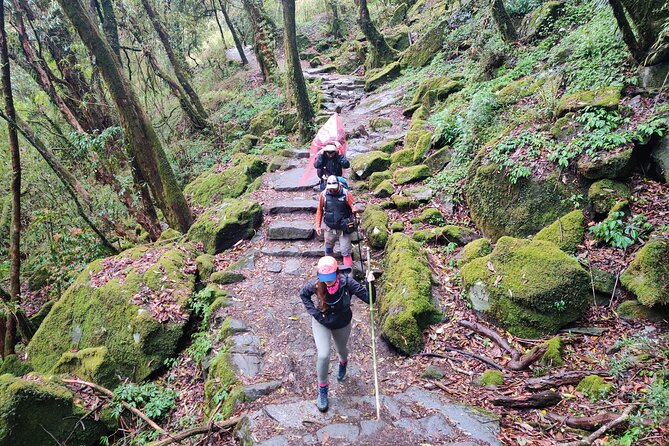
Day 6 takes you to Deurali, hiking around 5–6 hours through dense forest and passing waterfalls. Deurali is described as a small settlement with tea houses, and you sleep in a mountain guest house there.
This is one of those days where you start thinking about warmth. Even if the sun is strong, altitude can shift the feel of the air quickly once you’re in shade or after hours of walking. That’s exactly why this tour includes a down jacket and a sleeping bag in the necessary equipment list. You’re not just carrying gear—you’re using it.
Deurali to Machhapuchhre Base Camp to Annapurna Base Camp
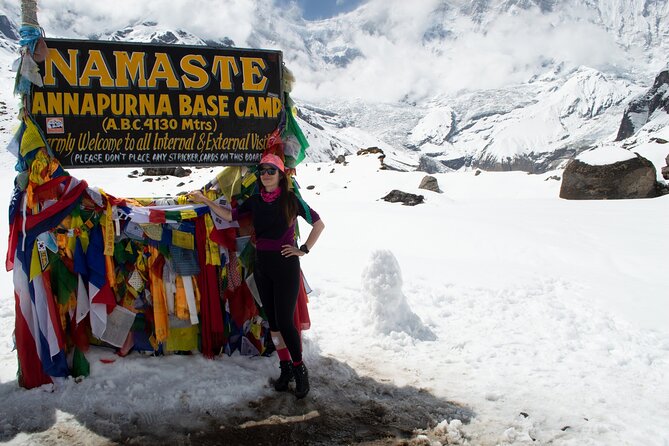
Day 7 is the “big stairs” day. You hike about 3–4 hours from Deurali to Machhapuchhre Base Camp (MBC) via the MBC valley, then continue another 2–3 hours to reach Annapurna Base Camp (ABC). You stay at a tea house at base camp.
This is the part that most people travel for: the close views of the Annapurna mountain range and the sunrise and sunset atmosphere described for ABC. Even before you reach the main base camp area, the approach is designed to build anticipation. MBC is a checkpoint that gives you a sense of scale before the final push.
If you’ve seen photos online, you might still be surprised by how “close” the peaks feel in person. When the mountains surround you like that, you stop thinking about distance and start thinking about stillness. It’s one of the rare trek outcomes that feels equal parts sport and awe.
Sleeping at ABC: sunrise that’s built into the plan
Day 8 starts early. You’re at Annapurna Base Camp for sunrise, with breakfast served at the early morning timing. Then you trek down about 7–8 hours to Sinuwa, where you sleep at a guest house.
This is a smart design: you don’t just do the classic “arrive, take photos, leave.” You sleep at ABC, so the view is part of the rhythm, not a rushed stop. It also means your day is structured around early light, not around whichever hour the clouds decide to be friendly.
The descent day is long. If you’ve ever done a trek where legs start turning into noodles, you’ll recognize the pattern. A long descent day is where trekking poles (if you bring them) and careful foot placement matter most.
Jhinu Danda: a hot spring break on the way down
Day 9 takes you from Sinuwa to Jhinu Danda (about 4–5 hours). Jhinu Danda is known for natural hot springs, and it’s where the itinerary gives you a very human reward after the long descent.
This is also where your body starts thanking you, even if your pride won’t admit it. The hot spring stop isn’t required for the trek to work, but it helps the experience feel complete. You’re not just collecting altitude—you’re earning recovery.
Back to Birethanti and Pokhara: celebrate the finish
Day 10 brings you down to Birethanti again (about 4–5 hours), then a drive back to Pokhara for the evening. The tour includes a celebration of the successful completion, plus a farewell with your trekking crew. You sleep in a hotel in Pokhara.
This part matters because it closes the loop. The trek is intense, and a proper landing helps you process it instead of immediately booking your next flight and forgetting your own story. It’s also a chance to talk with your guide about what you saw, what changed, and what your group did well.
Kathmandu again: optional flight shortcut and your certificate
Day 11 drives you back to Kathmandu (6–7 hours). There’s an option to book a flight for the return part as well, described as 30 minutes, which can save time if you’re tired of sitting.
Day 12 ends with a Trip Certificate and drop-off back to the airport about three hours before your departure. Certificates are a small thing, but I like them. They give your trek a neat ending point, not just a fuzzy memory and a pile of dirty socks.
What’s included (and why it changes your trip)
This tour includes a lot of the stuff that usually turns into last-minute headaches.
Down jacket, sleeping bag, and duffle bag (returnable): This is one of the biggest value items. Cold nights at altitude can punish you if your packing is sloppy or you’re depending on rental gear with unclear quality. Having the kit in the package means your mental energy goes into walking and enjoying the day, not negotiating temperatures and gear lists.
Accommodations and transfers: You get hotel stays in Kathmandu and Pokhara, plus airport transfers. You also get tourist coach time on the Kathmandu–Pokhara route and private transfers between Pokhara and Birethanti.
Permits and first aid: Necessary trekking permits and first aid are included. That reduces the odds of arriving and realizing you forgot a document.
Meals: Breakfast is included 11 times, lunch 8 times, and dinner 8 times. That doesn’t mean you’re covered for every single meal, so budget for a few you’ll purchase yourself. Still, the included meals remove a lot of uncertainty when you’re tired and deciding what to eat.
Trek support materials: First aid, a trekking map, and a company t-shirt are included. Not life-changing, but helpful.
Also, the experience is set up as private. That means you’re not squeezed into a crowded group dynamic.
Price and value: what $1,175 buys you
At $1,175 per person, this isn’t a budget trek. The value comes from how much is handled for you: Kathmandu and Pokhara hotels, airport and route transfers, trekking permits, equipment (down jacket, sleeping bag, duffle bag), plus a guide and meals that cover most days.
If you tried to DIY this, your costs might look lower at first. But then you’d factor in gear rental, permits, transport coordination, guide arrangements, and the time cost of organizing it. That’s where packages like this tend to earn their keep.
What isn’t included is also clear. You’ll cover travel insurance on your own, and you’ll handle gratitude for the guide and porter. Those are normal in Nepal treks, but it’s good to plan for them early instead of treating it like an afterthought.
Weather and altitude: your two real variables
This experience requires good weather. That sounds obvious for the Himalayas, but it matters because it can affect sightlines. At altitude, cloud cover can wrap the mountain walls and steal the sunrise vibe you planned for.
The good news: the itinerary includes sunrise timing and a whole base-camp day structure that’s designed around getting those views when conditions cooperate. The other reality is that you should be ready for a day to be “better than nothing,” even if it’s not postcard-perfect.
On the physical side, your fitness should be moderate. This trek is built around multi-hour days and at least one very long descent. You don’t need to be a mountain athlete, but you do need to be comfortable walking consistently for hours.
Who should book this tour
This tour makes sense if you want:
- Guided navigation and pacing so you don’t spend your trek time troubleshooting logistics
- A plan that includes gear so you can pack smarter
- The iconic Annapurna Base Camp experience with time for sunrise at ABC
- A private group format, not a crowded joiner trek
It might be a less good fit if you:
- Hate long descents (Day 8’s 7–8 hour trek down is not short)
- Want a guaranteed clear-sky view every morning
- Are strictly set on DIY travel where you manage every detail yourself
From the feedback I saw, people especially appreciated guides who were attentive and friendly, and who handled details without making it feel tense. Names that show up include Ganesh, Raj, Pratip Tamang, Prakesh, and Prakash, plus porter support such as Raju and a smile-focused helper named Smile.
Should you book this Annapurna Base Camp trek?
If you want the classic Annapurna Base Camp experience with the hard parts handled—permits, transfers, gear, and a guide who can keep your pace steady—this looks like a strong match for your money.
I’d book it if you like structured days, you’re okay with teahouse-style lodging, and you want sunrise at base camp to be part of the plan, not an optional bonus. I’d hesitate only if you’re nervous about altitudes above 4000 meters or you can’t tolerate weather-driven changes.
In short: this is a well-built trek package for people who want authentic mountain days, not trip-management stress.
FAQ
Does this tour include pickup from the airport in Kathmandu?
Yes. You’re picked up from Tribhuvan International Airport in Kathmandu on arrival, and airport drop-off is included at the end of the trek.
How do you get to Pokhara from Kathmandu?
You take a scenic drive from Kathmandu to Pokhara using a luxury tourist bus (about 6–7 hours). Later, you drive back from Pokhara to Kathmandu (about 6–7 hours).
Where does the trekking start?
The trek starts on day 3 at Birethanti, with a short drive from Pokhara to the trail start point.
Is the trek tour private?
Yes. It’s listed as a private tour/activity, meaning only your group participates.
What trekking gear is included?
The package includes returnable necessary equipment: a down jacket, a sleeping bag, and a duffle bag.
Are meals included?
Yes, but not every meal. Breakfast is included 11 times, lunch 8 times, and dinner 8 times. Travel insurance and any unspecified meals are not included.