REVIEW · KATHMANDU
Everest Base Camp Trek with Kathmandu Valley Sightseeing Tour
Book on Viator →Operated by Mountain Kick Private Limited · Bookable on Viator
Two weeks, one mountain-shaped life. This Everest Base Camp trek, starting in Lukla with Kathmandu Valley sightseeing, is interesting because it strings together Sherpa villages, deep gorges, and the rare chance to stand close to the world’s highest peak. I like how guide Kumar and the Sherpa support keep things organized and low-stress, and I also like that you get practical trek help plus the required national park and TIMS permit coverage. One drawback to plan for: the Lukla flight is weather-sensitive, so your schedule can shift.
You’ll climb from about 4,600 feet (Kathmandu) up to 18,519 feet at Kala Patthar, and the Everest region is cold and arid. Think snow underfoot, mountain-side trails, and long stretches where you’re constantly working at altitude—even when you’re stopping often.
Logistically, the trip is built for comfort where it counts: a three-star Kathmandu hotel (twin share, breakfast included) and guesthouse nights on the trail (twin share). It’s also a private tour, meaning it’s only your group, not a mixed crowd floating between different paces.
In This Review
- Key takeaways
- Everest Base Camp starts with a very real Lukla flight
- Kathmandu Valley sightseeing: your breathing space before altitude work
- Trekking through Sherpa villages: slow and steady beats heroic
- Approaching Everest: where the views start feeling personal
- Everest Base Camp plus the return: the mountain keeps giving
- Kala Patthar (18,519 ft): the day you’ll plan for all trip
- Where your money goes: hotel, guesthouses, permits, and porter support
- Support team and group format: private, but still real work
- Accommodations and daily life on the trail
- Fitness and altitude prep: moderate isn’t casual
- Price and logistics: when $1,500 feels fair
- Who should book this Everest Base Camp trek (and who should pause)
- Should you book Mountain Kick for this Everest Base Camp trek?
- FAQ
- How long is the Everest Base Camp trek with Kathmandu Valley sightseeing?
- Where does the experience start, and what time is the start?
- Is pickup included?
- What’s included in the price?
- What is not included?
- Do I need travel insurance, and can I buy it in Nepal?
- What altitude does the trip reach?
- Are permits included for the trek?
- What are the cancellation terms?
Key takeaways
- Lukla first step: weather can delay or cancel flights, so build buffer days around your trek.
- Kumar + Sherpa support: the biggest repeat praise is smooth organization and calm, professional guiding.
- Permits handled: Sagarmatha National Park entry and a TIMS card are included.
- Real altitude goal: you’re planning for a summit-style viewpoint day at Kala Patthar (18,519 ft).
- Porter model: one porter per pair of trekkers, plus local support staff on the trek.
Everest Base Camp starts with a very real Lukla flight
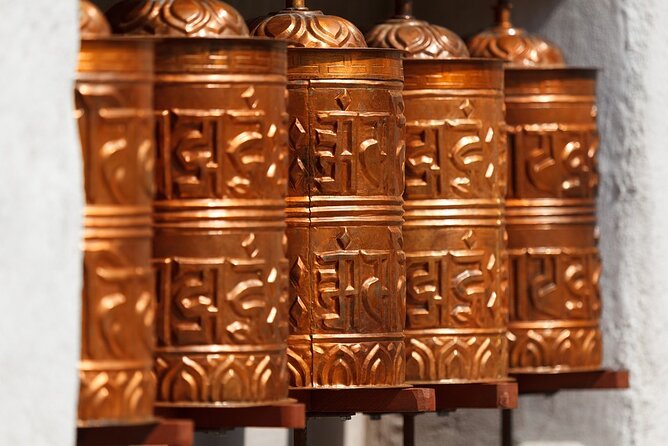
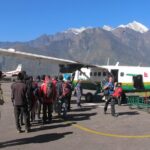
Most Everest itineraries rise and fall on one thing: getting to Lukla. Your trip begins from Tribhuvan Airport in Kathmandu at 5:45am, and you’ll fly out from there as the first step of the trekking journey. The practical twist is that Lukla flights are vulnerable to weather shocks, and delays or cancellations aren’t rare.
What I’d do in your shoes: treat your first trekking day like it’s flexible. The operator even recommends freeing a few days before and after the trip schedule for reasons outside anyone’s control—flight delays, accidents, or natural hazards. This matters because altitude hikes don’t wait politely for airplanes.
Also note: pickup is offered, and you’ll have a mobile ticket. That’s small stuff, but it helps reduce the day-of chaos when you’re already running on early-morning nerves.
You can also read our reviews of more tours and experiences in Kathmandu.
Kathmandu Valley sightseeing: your breathing space before altitude work
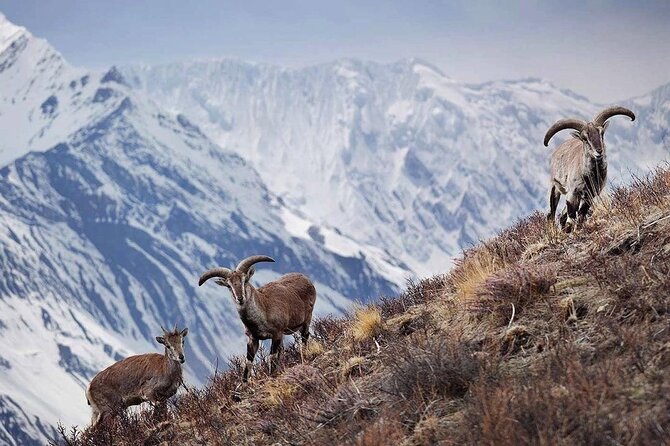
Your trip isn’t just a long walk in thin air. It also includes Kathmandu Valley sightseeing, plus you start with a three-star hotel stay in Kathmandu on a twin-sharing basis with breakfast included.
Why this part matters: Kathmandu is where you get your bearings, handle gear needs, confirm logistics, and move at a normal pace for a few days. You’ll also be able to focus on the basics that make altitude trekking safer and more comfortable—sleep quality, hydration routines, and learning how you react to cooler temperatures.
And because the trek climbs from roughly 4,600 feet in Kathmandu up to extreme heights later, those early days in town are your chance to adjust your expectations. You’re not “warm-up hiking” forever; you’re preparing your body for sustained mountain effort.
Trekking through Sherpa villages: slow and steady beats heroic
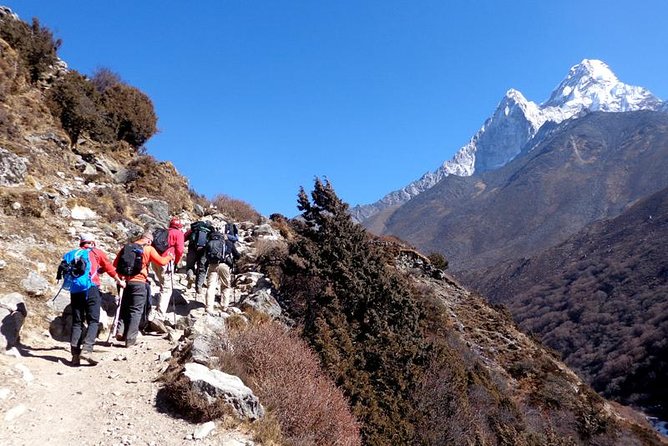
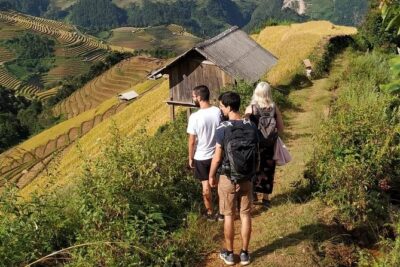
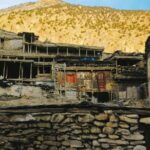
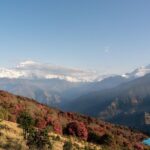
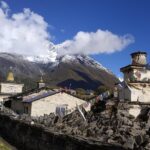
Once you’re in the Everest region, the walking is the show. The route idea is straightforward in concept: you start from Lukla, hike through Sherpa villages on the way out, then trek back the same way in reverse. What makes it feel special isn’t just the final landmark. It’s the in-between world—valleys, rivers, forests, and gorges you cross along the way.
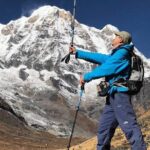
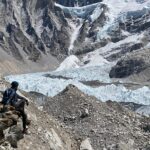
The altitude and cold are real. This area is described as cold, arid, and unforgiving. Trails may include snow, mountain-side paths, and steep sections over deep gorges. Translation: your best plan is a pace you can keep for hours, not a pace you can only manage for the first hour.
The trip’s difficulty notes emphasize short climbing sessions with plenty of rest and sightseeing breaks. That’s exactly the right philosophy at this altitude. If you’re tempted to speed up to “make up time,” try to resist. The mountain doesn’t care about your schedule.
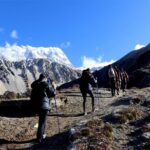
A key comfort point: you’re not doing it alone. Porters are part of the support system—one porter each for a pair of travelers—plus local staff to help you trek. Even if you pack light, having porter support can take pressure off your legs and back, which helps you focus on breathing and footing.
Approaching Everest: where the views start feeling personal
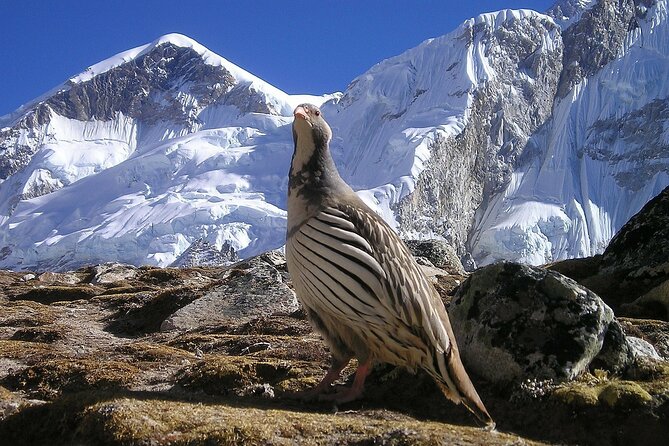
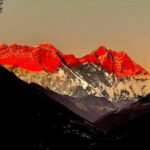
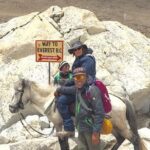
At some point, the trip stops feeling like a trek and starts feeling like a front-row seat. This experience is built around the idea that you’ll not only reach Everest Base Camp, but also get moments to stand near it and gaze at the mountain for as long as your body will allow.
Being up high and far from everyday life changes your perspective fast. The trek experience is described as offering a unique point of view on life because you’re removed from the rest of the world. That’s not marketing fluff—it’s what happens when you’re moving slowly through cold air, using effort as your measuring tool.
Practical reality check: high-altitude weather can be harsh. Even if the route is manageable in small bursts, you still need to be ready for cold wind, snow or icy patches, and the fatigue that builds day after day. Layering and footwear matter more than anything you can buy at the last minute.
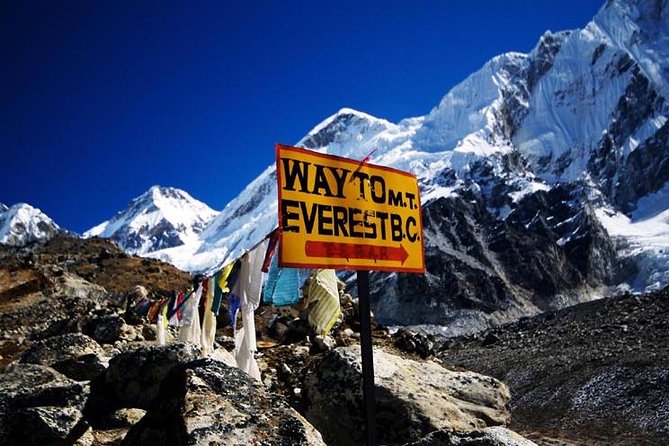
And yes, you’ll get that “I’m really here” feeling at the base of Mount Everest. The key is to recognize it as a long-building payoff, not a single postcard moment.
Everest Base Camp plus the return: the mountain keeps giving
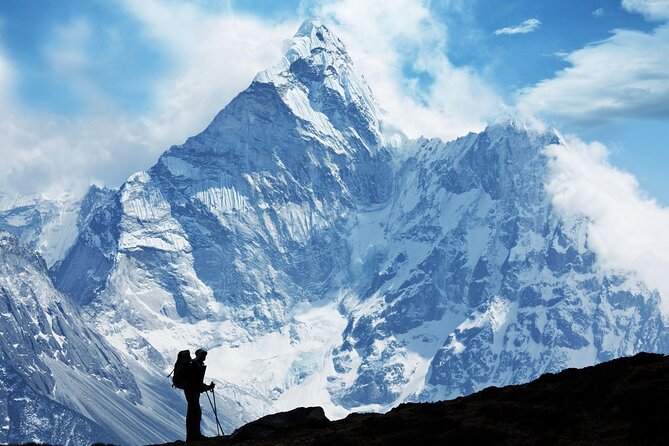
Reaching Everest Base Camp is the headline, but what you’ll remember longer is the rhythm of the trek and the sense that the whole hike has a purpose. The trip is designed to walk through Sherpa villages both on the way up and on the way back, so the days won’t feel like one long straight line.
That has two big benefits for you:
- You get repeated chances to rest and reset your pace.
- You’re not only “chasing altitude”—you’re moving through a living region with villages, routes, and local patterns of travel.
It also keeps the experience grounded. Even when the destination is iconic, the trail is where your energy is managed. Guesthouse nights on the trek give you a place to recover, eat, and prepare for the next day’s cold and climbing.
Kala Patthar (18,519 ft): the day you’ll plan for all trip
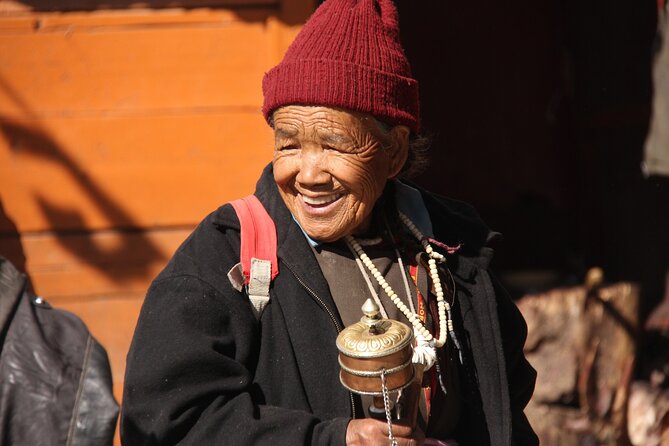
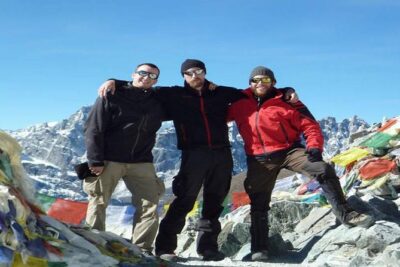
The maximum altitude in this experience is listed at 18,519 feet at Kala Patthar. This is important because it’s the one piece of the trip that feels closest to a summit day, even if you’re not trying to climb Everest itself.
Why I’d take this seriously: your body will notice the altitude even if you’re taking it in short sessions. Thin air can make simple tasks—walking slowly, changing layers, stopping to catch your breath—feel harder than you expect.
This is where the trip’s structure helps. The notes emphasize rest breaks and sightseeing between climbing sections. That gives you a chance to adjust if your breathing or energy dips. Still, you should be ready for a tough push. The name of the game is sensible pacing and consistent hydration.
If you have any medical condition that could affect altitude trekking, tell the operator and your guides ahead of time. The guidance is clear: inform them of medical issues, consult your doctor beforehand, and carry medicines you need. Your travel insurance is also meant to cover emergency rescue or evacuation if altitude complications turn serious.
Where your money goes: hotel, guesthouses, permits, and porter support
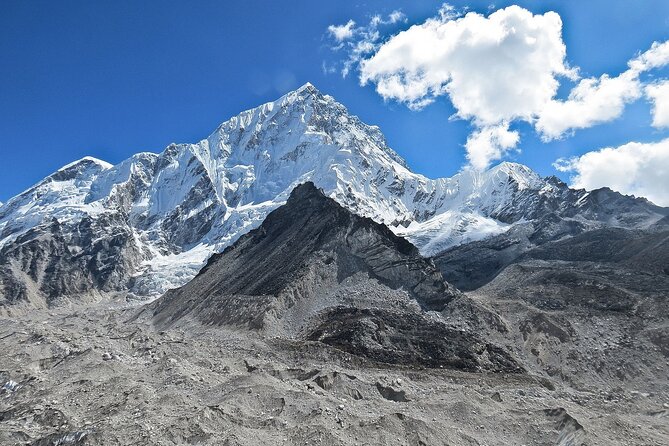
The price is $1,500 per person, and to judge value you need to look at what’s included versus what’s on you.
Included:
- Three-star Kathmandu hotel on twin-sharing basis, with breakfast
- Guesthouse stays during the trek on twin-sharing basis
- Porters (one per pair) and local support staff
- Sagarmatha National Park entering permit and a TIMS card
Not included:
- Travel insurance (mandatory)
- International airfare to and from Kathmandu
- Visa fees for Nepal
- Trekking equipment
Here’s how I think about the value: the permit coverage and TIMS card are not trivial, and porter/local support can significantly reduce the burden on your body. A large chunk of the “pain management” of Everest treks comes from logistics. If the support system works well, you arrive at the hard days less stressed.
On the other hand, the big missing line item is travel insurance and flights. If you’re coming from far away, those costs can swing the total budget. Also, you’ll have to provide your own trekking equipment, so don’t count on last-minute options solving everything.
Support team and group format: private, but still real work
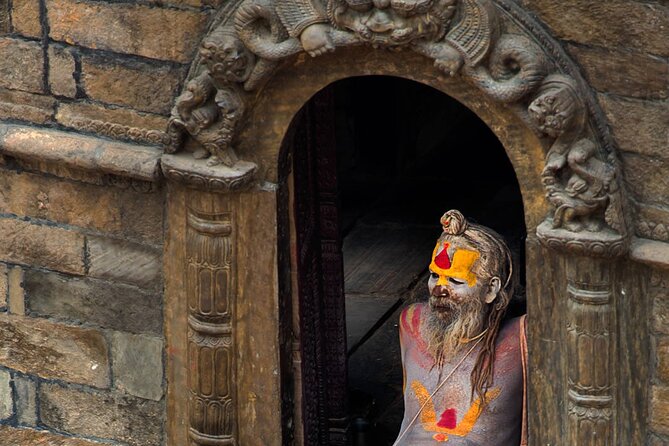
This is a private tour/activity, which means only your group participates. That tends to matter for Everest treks because pace differences can cause friction fast in cold, low-oxygen conditions. With private group dynamics, your guide can keep decisions consistent for everyone.
The reviews place a lot of weight on the human side of the plan. Guide Kumar shows up repeatedly in positive comments—meeting people at the airport, keeping the trip smooth, and making the overall administration feel handled. There’s also praise for Sherpas as part of that confidence.
That matters because you want more than route knowledge. You want someone who can keep you calm when weather disrupts timing, when conditions change, or when your body needs extra patience.
Accommodations and daily life on the trail
In Kathmandu, you’re in a three-star hotel on twin share with breakfast included. That’s useful because Kathmandu is where you manage sleep, meals, and gear checks before trekking.
During the trek, you stay in guesthouses, also twin-sharing. Guesthouses are basic, but they’re practical. They give you a warm-ish base for recovery, and they make it easier to keep the trek rhythm moving.
What you should not assume: that guesthouses will make Everest feel easy. They’re a recovery tool, not a comfort guarantee. Cold air and fatigue still come back the next morning.
So plan your day like this: walk steadily, rest when offered, eat what you can, and keep layers ready. Your best “comfort hack” is usually staying dry and warm, not chasing perfect conditions.
Fitness and altitude prep: moderate isn’t casual
The experience states it’s best for travelers with a moderate physical fitness level. That sounds doable until you realize the trek requires climbing mountains for most of the trip.
So what “moderate” should mean for you: you can hike for hours, you can handle repeated climbs, and you can keep a steady pace without needing constant breaks to recover. You don’t need to be a mountain athlete, but you do need endurance.
Also keep in mind:
- You’ll travel through snow and icy conditions at altitude
- Trails may include mountain-side sections and deep gorges
- You’ll climb from Kathmandu’s elevation up toward Kala Patthar’s extreme height
If you haven’t hiked at altitude before, take the guidance seriously and talk to your doctor. The operator’s advice is clear about medical conditions and the role of insurance for emergency rescue/evacuation.
And please read the equipment requirement as it’s written: trekking equipment is not included. If you show up under-prepared, you’ll feel it daily in the cold.
Price and logistics: when $1,500 feels fair
This trek costs $1,500 per person plus your own insurance, flights, visa, and trekking gear. The included parts—hotel, guesthouses, porter support, local staff, and key permits—are where a lot of trek value is hiding.
I think the best way to decide if this price is fair is to ask yourself what you’d have to organize separately:
- Permits and TIMS card logistics
- Porter arrangements
- A support staff model that handles the trek flow
- A fixed plan that includes Kathmandu hotel and recovery time
If you’re comfortable organizing those yourself, you might find cheaper alternatives. But for many people, the real expense is not just money—it’s time, uncertainty, and decision fatigue during a high-stakes trek.
Two more practical notes:
- Confirmation is promised within 48 hours of booking, subject to availability.
- Flight delays are common, so you should keep flexible dates.
Who should book this Everest Base Camp trek (and who should pause)
This trip fits best if you want:
- A structured Everest Base Camp experience with support staff and porters
- A plan that includes Kathmandu Valley sightseeing before or alongside trekking
- A calm, guided approach led by Kumar and Sherpa support
- Twin-share accommodations and guesthouse nights without trying to rough it more than necessary
You should pause if you:
- Have serious medical limitations related to altitude and haven’t cleared them with a doctor
- Can’t tolerate travel schedule uncertainty due to Lukla flight sensitivity
- Are expecting a non-strenuous trek. Even with rest breaks, this is mountain trekking for most days
Should you book Mountain Kick for this Everest Base Camp trek?
If you want a guided, support-heavy Everest Base Camp trek that handles the permits and makes the logistics feel run by professionals, I think it’s a strong candidate. The repeated emphasis on smooth administration and guide care—especially around Kumar and the Sherpa team—suggests you’re buying more than route planning. You’re buying reduced stress during a high-altitude journey.
My main caution is timing: build in buffer days. If you have tight vacation windows, the Lukla flight reality can mess with your plans.
If you’re ready to train a bit, pack well, and accept that the mountain sets the pace, this one is worth serious consideration.
FAQ
How long is the Everest Base Camp trek with Kathmandu Valley sightseeing?
The tour runs about 15 days, including both the trek and Kathmandu Valley sightseeing.
Where does the experience start, and what time is the start?
The start is at Tribhuvan Airport in Kathmandu, with a start time of 5:45am.
Is pickup included?
Yes, pickup is offered.
What’s included in the price?
Included are a three-star hotel in Kathmandu (twin-sharing, with breakfast), guesthouse stays during the trek (twin-sharing), porters (one each for a pair of travelers) and local support staff, plus Sagarmatha National Park permit and a TIMS card.
What is not included?
Travel insurance, international airfare to and from Kathmandu, Nepal visa fees, and trekking equipment are not included.
Do I need travel insurance, and can I buy it in Nepal?
Travel insurance is compulsory and covers emergency rescue and evacuation. You’re advised to buy it at home before arriving, and it cannot be taken in Nepal.
What altitude does the trip reach?
It goes from about 4,600 feet in Kathmandu up to 18,519 feet at Kala Patthar.
Are permits included for the trek?
Yes. The Sagarmatha National Park entering permit and the TIMS card are included.
What are the cancellation terms?
You can cancel for a full refund if you cancel up to 24 hours in advance of the experience’s start time. If you cancel less than 24 hours before, the amount paid is not refunded.