REVIEW · SICILY
Etna – Trekking to the summit craters (only guide service) experienced hikers
Book on Viator →Operated by Guide Vulcanologiche Etna Nord · Bookable on Viator
Etna by the north side hits different—wind, ash, and real crater views. What I like most is the small-group crater hike led by a licensed volcano guide, plus the way the day mixes 4×4 access with a serious high-altitude trek. The other big win is the hands-on kit: helmets, warm layers, poles, and even extra socks. Only caution: this is a tough, high-altitude walk with a long downhill, so if your knees or breathing are touchy, think twice.
One of the standout details is the guide team. Names like Paolo, Nikos, Daniele, Poldo, Raphael, and Vincenzo show up in real experiences, and the common thread is solid on-the-ground explanation and pacing. Expect the route to change based on gas, heat, fractures, and daily volcanic rules. You’re not just buying a hike—you’re buying safe access to an active mountain.
In This Review
- Key Things to Know Before You Go
- Trekking to Etna’s summit craters: what you’re really signing up for
- Piano Provenzana: the quiet north-side basecamp (and why it matters)
- The north-flank 4×4 ride: lava fields, fractures, and panoramic reward
- Summit craters at 2,960–3,323 m: what the hike actually feels like
- From crater edges back down: the long return you shouldn’t underestimate
- Gear and small practical tips that keep the day enjoyable
- Price and value: what $139.13 buys, and what can cost extra
- Who should book this Etna north summit hike
- Should you book this Etna north summit hike?
- FAQ
- FAQ
- What time does the tour start?
- How long is the trek?
- What’s included in the price?
- What’s not included?
- Do I need to be very fit?
- What’s the age limit?
- Are there any rules for pregnancy or health conditions?
- Do I need extra gear like gloves?
- What if the volcano activity or weather changes?
- Is the tour in English?
Key Things to Know Before You Go
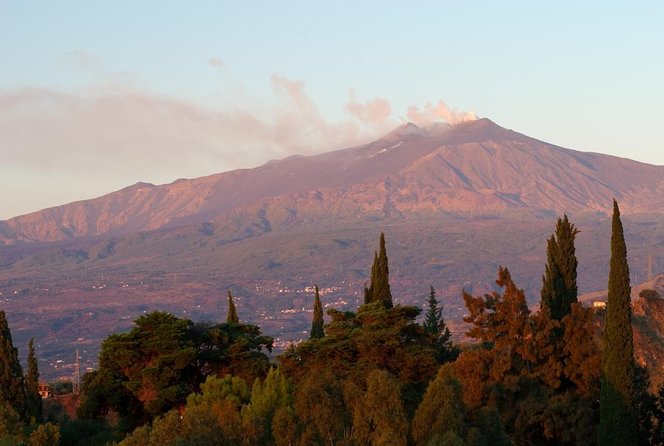
- You climb to crater territory around 2,960 m, then hike toward the summit craters based on what’s safest that day
- Guides choose the most active but secure crater when conditions shift (gas, heat, fractures)
- Total hiking is about 12–13 km, with a steep-feeling return and major negative gain
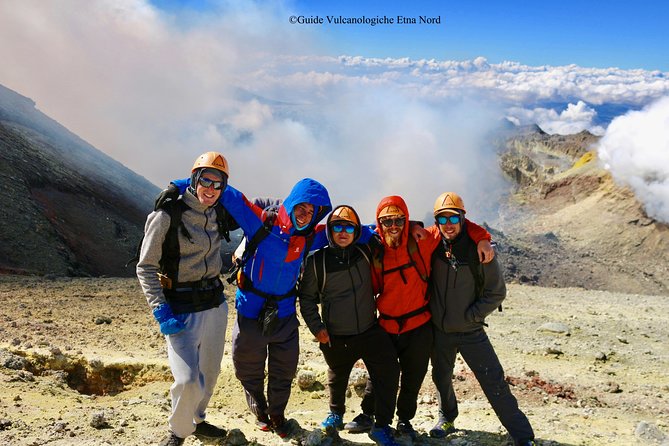
- Groups are capped at 12, and the north-side approach is generally less crowded
- Your gear is included, but you may still want added items like gloves and a hat depending on season
Trekking to Etna’s summit craters: what you’re really signing up for
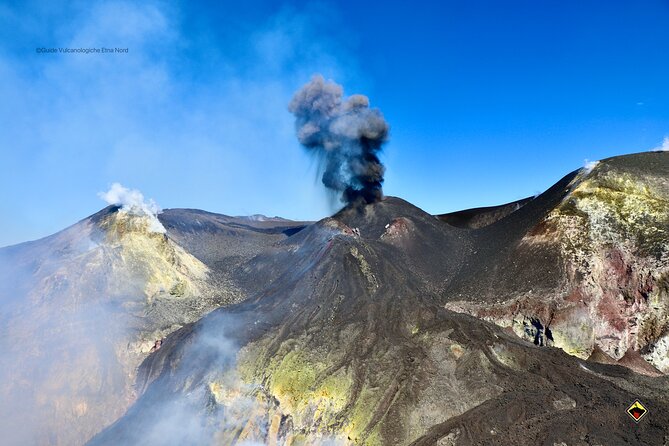
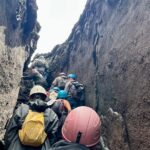
This is a full “get up there” Etna day. You start at Piano Provenzana on the north flank, ride higher by authorized 4×4, then lace up for a guided push toward the summit area and its craters. The goal isn’t a stroll. You’ll be walking on uneven volcanic ground—soft scoria, sand-like gullies, and stretches that can feel harder on the way down than on the way up.
The altitude range runs from about 2,960 m up to roughly 3,323 m, and the program is built for experienced hikers with strong fitness. Mild altitude effects can happen, even if you feel fine at sea level. Add in wind and cold at elevation, and you’ll understand why people consistently emphasize dressing warm.
You can also read our reviews of more tours and experiences in Sicily.
Piano Provenzana: the quiet north-side basecamp (and why it matters)
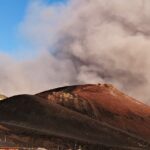
Piano Provenzana is the hub on Etna’s north slope—less crowded than the better-known south side, and closer to the volcanic action itself. It’s also easy to reach by car along paved public roads. That matters because your day starts with you getting to the meeting area on time, not with a complicated transfer from your accommodation (transport from your lodging isn’t included).
Before the climb, you meet the volcanology guide and get settled. There’s time to use restrooms and grab breakfast—café stops and pastries are part of the local rhythm here. One practical detail: the meeting point sits within an area reshaped by the October 27, 2002 eruption, and the environment still shows the scars. That gives the day a more grounded feel than just visiting a viewpoint.
In winter, plan ahead for road conditions. If you drive, snow chains or winter tires may be needed.
The north-flank 4×4 ride: lava fields, fractures, and panoramic reward
After a briefing, you head out by authorized 4×4 vehicles with the guides. This is a big part of why the day works. You get access to higher, wilder terrain without wasting hours on roads that would otherwise drain your energy.
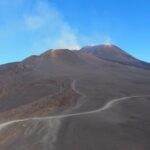
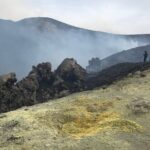
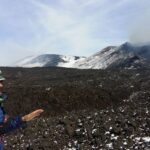
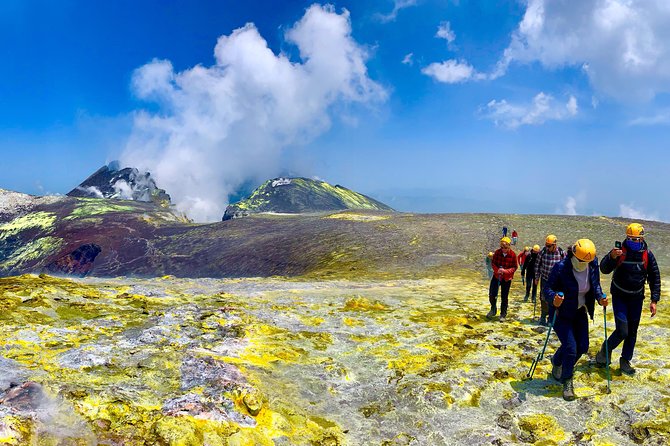
Along the way, the route crosses lava fields and lateral craters, climbing up to about 2,960 m, where the on-foot part begins. The panoramic drive also runs along a wild north-side track—about 9.5 km of unpaved route—passing forests, recent lava flows, a lava-flow channel, eruptive fractures, and crater zones with dramatic depth.
This portion is also where the views pile up: northern Sicily, the Aeolian Islands, Strait of Messina, and (on rare clear days) even distant ranges and multiple coastlines in both directions. Even if clouds block the far horizon, you still get plenty of “wow, that’s Etna” moments.
Summit craters at 2,960–3,323 m: what the hike actually feels like
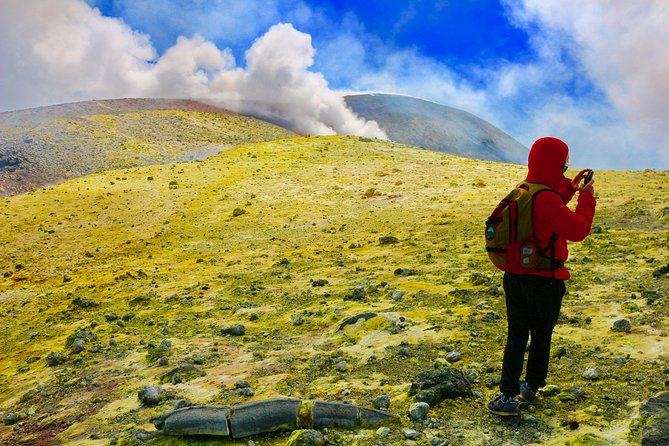
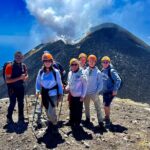
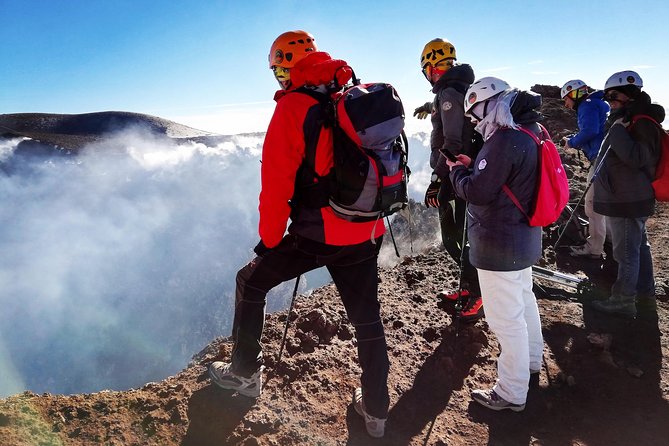
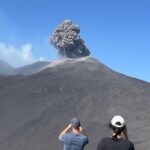
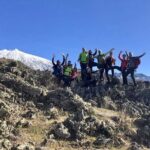
From the 2,960 m starting point reached by 4×4, the guided ascent begins. The summit hike climbs about 5 km with roughly 550 m of ascent to reach the summit crater area. From there, the focus is the four main craters: North-East, Voragine, Bocca Nuova, and South-East.
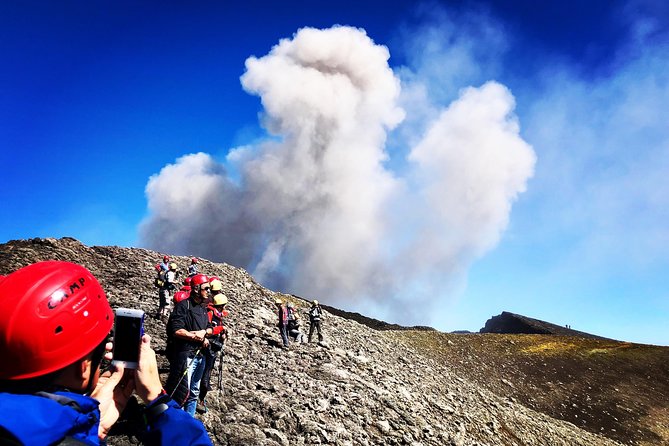
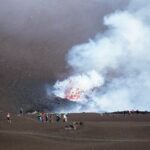
A key detail: activity varies daily. The guides don’t stick to one fixed path just for the sake of a schedule. They choose the safest route toward the most active yet secure crater. That means you might see different combinations of crater areas depending on gas levels, heat, and ground fractures that day.
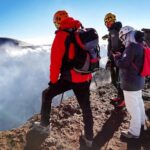
Also, the walk isn’t only about climbing—it includes time along crater edges. That can cause dizziness for some people, so keep your eyes up, stay steady, and don’t force it if you’re not comfortable near edges.
You’ll likely feel the altitude once you’re above the tree line. Wind can cut fast. And since this is an active volcanic zone, the air can include gases and ash—one reason contact lenses aren’t recommended.
From crater edges back down: the long return you shouldn’t underestimate
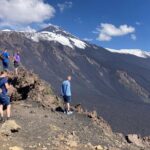
The return is the part that surprises people. Even when the ascent feels manageable, the descent can feel harder—because it is steep and long. You’re looking at a drop from around 3,300 m back toward 1,800 m, with about 1,500 m of negative gain on foot. Total hiking distance is often 12–13 km, and the whole day typically runs around 6 hours (some schedules run closer to a bit over 6).
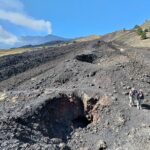
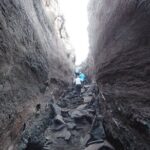
The ground is loose: soft scoria and sandy patches. That’s great for “real volcanic hiking,” but it also means you’ll want grip and a careful foot rhythm. A common mistake is going too fast on the way down. Your legs and knees pay for impatience.
If you’re returning by foot, you’re also walking through different types of volcanic terrain, including areas that can feel like sandy ski-slopes before you hit rougher, stony ground closer to the bottom.
Gear and small practical tips that keep the day enjoyable
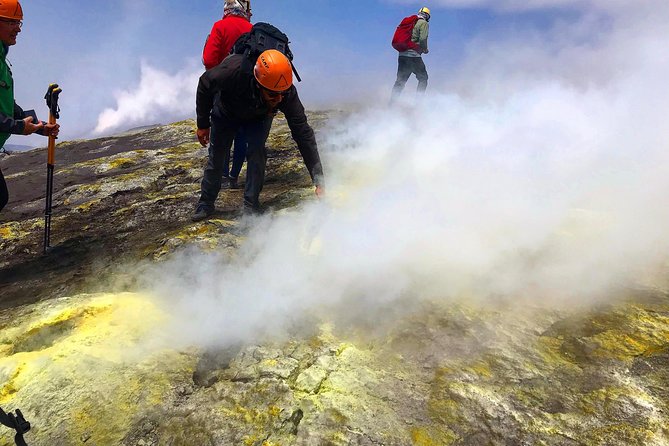
This is one of the rare tours where the basics are genuinely covered. You get trekking poles, trekking shoes, helmets, a warm jacket, extra socks, and an extra backpack. Insurance is included for accidents. So you’re not walking in blind with zero equipment support.
But you should still show up prepared. Hat and gloves are not included, and reviews strongly suggest adding them when it’s colder or windy. Long pants that cover your ankles also help a lot on the descent—lava stones love getting into shoes if you leave skin exposed at the wrong spots.
A few high-value, grounded tips:
- If you can, wear long socks and pants you don’t mind getting dusty.
- Avoid contact lenses because volcanic gases and ash can cause problems.
- Plan for cold and wind even in shoulder season.
- Bring water habits seriously—you’ll want to refill during the earlier station time.
Also remember: routes and even access can change due to volcanic rules. In extreme conditions, guides may stop earlier than the highest point you imagined. That doesn’t mean the day is a wash. It means the operation is following safety limits.
Price and value: what $139.13 buys, and what can cost extra
The published price is $139.13 per person, and it’s built around a guided, licensed-volcano experience. What you get for that money is significant: a licensed volcano guide, entry/admission to Mount Etna, accident insurance, and the climbing kit (helmets, warm jacket, poles, shoes).
Where costs can jump is transportation choices inside the volcanic zone. There’s an off-road vehicle one-way option from about 1,800 m up to 2,825 m for €50 per person, paid on the spot. Some people also report additional transit like cable car use depending on conditions, and the exact route can shift if safety rules limit access.
Parking is another extra: €5 weekdays and €8 Sundays and public holidays. If you choose bus return from around 2,850 m to 1,800 m, the provided info notes €70 instead of €50.
So does this still feel like good value? Usually, yes—because the core costs (licensed guidance, equipment, and admission) are already included, and the day is capped at small group size. What you’re really paying for is safe access to active crater territory, not just movement from point A to point B.
Who should book this Etna north summit hike
Book it if you:
- Hike often and handle loose, steep volcanic ground
- Like geology and want craters explained in real, practical terms
- Want early access to a less-crowded Etna side
- Are comfortable with a big elevation day and a steep descent
Think twice or ask questions first if you:
- Have breathing issues, hypertension, or other conditions that affect fitness
- Struggle with strong knee loading on descents
- Get dizzy near steep crater edges
Important boundaries from the tour rules: children under 12 aren’t allowed, and pregnant women after the third month aren’t permitted. If you wear contact lenses, swap them for glasses.
Should you book this Etna north summit hike?
If your ideal Sicily day is active, high, and genuinely close to an operating volcano, this is one of the best formats to choose. The guide-led approach, included equipment, and the focus on crater activity (with safety route choices) make it feel like more than a checkbox.
I’d book it if you’re fit enough for a serious hike and you’ll dress for wind and cold. I wouldn’t book it if your goal is easy scenic walking. This is a workout with unforgettable payoff—just make peace with the fact that the mountain sets the final terms.
FAQ
FAQ
What time does the tour start?
You meet at 7:45 am at the CHIOSCO BAR MARENEVE DI FERRARO Etna nord-Piano Provenzana area, with departure typically between 8:00 and 8:15 am. There is also an afternoon start at 1:00 pm from May to October.
How long is the trek?
It’s listed at about 5 hours 30 minutes overall, but the hike portion includes a longer descent and is roughly 6 hours in many real-world schedules.
What’s included in the price?
The tour includes a licensed volcano guide, entry/admission to Mount Etna, trekking poles, trekking shoes, helmets, warm jacket, extra socks, extra backpack, and accident insurance.
What’s not included?
Not included items include hat and gloves (for autumn, winter, spring), parking fees, and an optional off-road vehicle one-way from around 1,800 m to 2,825 m (50€ paid on the spot). Public transport costs for bus return can also apply.
Do I need to be very fit?
Yes. The tour is described for people with strong physical fitness and good physical health, with the trek happening at high altitude and on unstable volcanic ground.
What’s the age limit?
The experience is not suitable for children under 12.
Are there any rules for pregnancy or health conditions?
Pregnant women who have passed the third month are not allowed. You should also inform the guide about your health conditions if needed, especially breathing or hypertension concerns.
Do I need extra gear like gloves?
Gloves and a hat are not included. The day can be cold and windy at altitude, so plan for winter-style comfort even if Sicily looks sunny at lower elevations.
What if the volcano activity or weather changes?
The excursion depends on conditions. It can be varied or even stopped for safety. If it’s canceled due to poor weather, you’ll be offered a different date or a full refund.
Is the tour in English?
Yes, it’s offered in English and you’ll receive a mobile ticket.