REVIEW · SICILY
Half day Trekking Tour on Etna
Book on Viator →Operated by Etnavic · Bookable on Viator
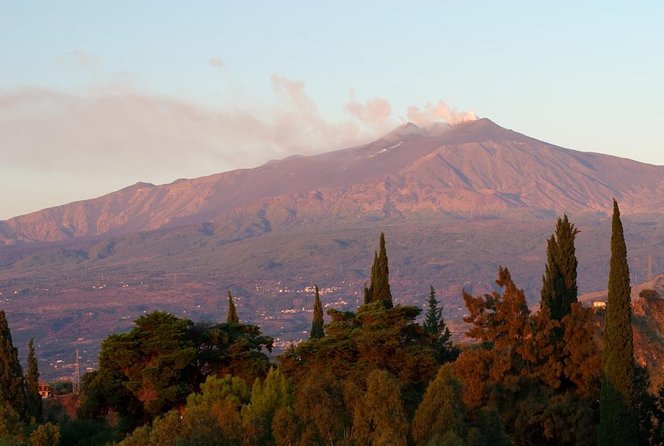
Etna has a way of getting into your head. This hike mixes pines-to-lava scenery with guided stops from Catania up toward the crater country.
Two things I like right away: you get a small group (max 8), and you’re set up for the lava cave with helmets and torches. The one catch to plan for: lunch, snacks, and water aren’t included, so you’ll want to bring your own.
You start around 2000m, then climb to about 2300m on a medium/easy path. Along the way, the scenery shifts from normal-ish volcanic scrub to that lunar feeling people come for in the first place. If you’re looking for a half day that still feels like you did something real, this hits that sweet spot.
In This Review
- Key points before you go
- Price and what your money actually buys
- Where the day begins: Catania pickup, the sea views, then the climb
- The hike up Mount Etna: 300m of climbing and two totally different moods
- Valle del Bove at ~2300m: the view without the summit stress
- Craters Silvestri and the lava cave: when the tour turns hands-on
- Colata Lavica 1992: watching a lava front meet real places
- Oro d’Etna tasting: a short food break that feels earned
- The drive back: finishing with Catania in view again
- Guides, group vibe, and what makes this tour stand out
- What to bring (and what not to forget)
- Who this tour is best for
- Should you book this Mount Etna trekking tour?
- FAQ
- FAQ
- How long is the Half Day Trekking Tour on Etna?
- Where does pickup happen?
- Is the hike difficult?
- Do I need tickets for the stops?
- Is the cave visit included, and do I get gear?
- Is lunch or water included?
- What’s the group size?
- Is the tour dependent on weather?
- Are service animals allowed?
- What’s the cancellation policy?
Key points before you go
- Max 8 people keeps the hike manageable and the guide easier to hear
- Valle del Bove viewpoint at ~2300m gives big caldera energy without a summit push
- Craters Silvestri + lava cave visit adds variety beyond just walking
- 1991–1993 lava front stop near Zafferana Etnea ties the volcano to living places
- Oro d’Etna tasting is a simple food break included in the route
- Cave gear included: helmets and torches, plus waterproof jackets on request
Price and what your money actually buys
At $126.76 per person for a 6 to 7 hour outing, you’re not just paying for a trail. You’re paying for the whole logistical package: an air-conditioned vehicle, a guide-led route with multiple Etna zones, and safety gear for the cave section.
On top of that, the stops on this trek list free admissions. That matters because Etna tours can nickel-and-dime you with separate site fees. Here, the value feels more straightforward: you’re getting transport, guiding, and time at the key volcanic spots, rather than paying extra each time you stop for photos.
One more value detail: the group limit is 8 travelers. That usually means fewer people blocking viewpoints, more attention on your footing, and quicker adjustments if weather or terrain changes.
You can also read our reviews of more tours and experiences in Sicily.
Where the day begins: Catania pickup, the sea views, then the climb
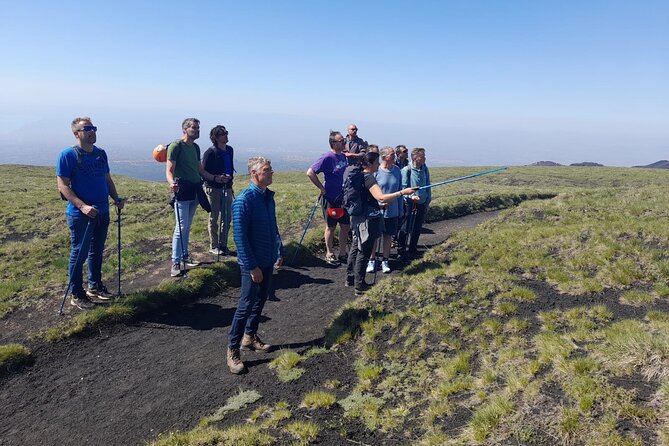
The tour starts at the Info Point in Catania, with pickup offered from your hotel in Catania or from another agreed meeting point. If you like structure, this is helpful: you’re not hunting for a meeting place with a crowd.
After pickup, you pass the Catania waterfront and you can see the rock stacks at Acitrezza. Even if you’ve been in Catania for a day already, it’s a nice way to widen the view before you head uphill. The city-to-volcano contrast hits fast: sea air in the morning, then a completely different world as you gain elevation.
You’re driven up to the ~2000m area where the ascent begins. That matters for your energy. This isn’t an all-day grind from sea level, and it keeps the trek aimed at people with moderate physical fitness.
The hike up Mount Etna: 300m of climbing and two totally different moods
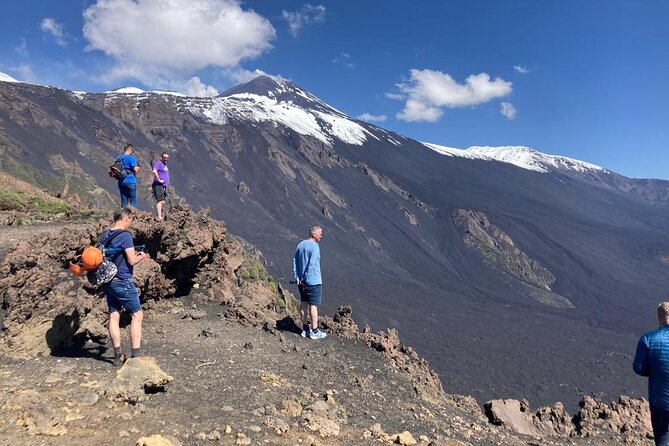
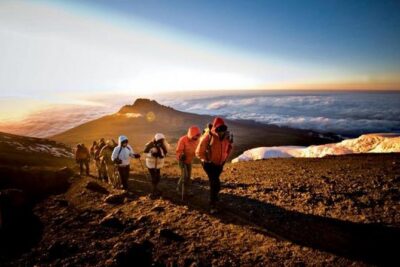
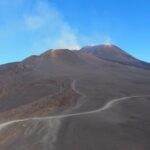
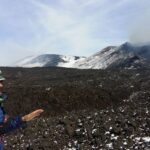
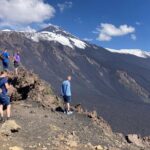
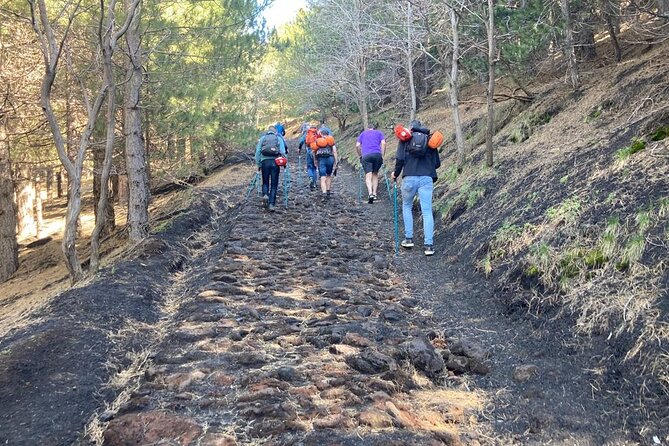
The main trekking section is described as medium/easy, with about 300 meters of altitude gain. The path first goes through native vegetation—a mix of pines and scrub—then changes into those striking lunar landscapes Etna is famous for.
Why this works for most people: you don’t spend the whole trek feeling like you’re walking on hot rocks with no shade. The vegetation phase gives you a breather. Then, once the ground turns moon-like, you’re already warmed up and ready for the wow factor.
This segment runs about 2 hours, and you end around 2300m. That timing is great if you want a real hike but still want to get to multiple stops after. The route keeps moving, so you won’t feel stuck waiting for the group.
Valle del Bove at ~2300m: the view without the summit stress
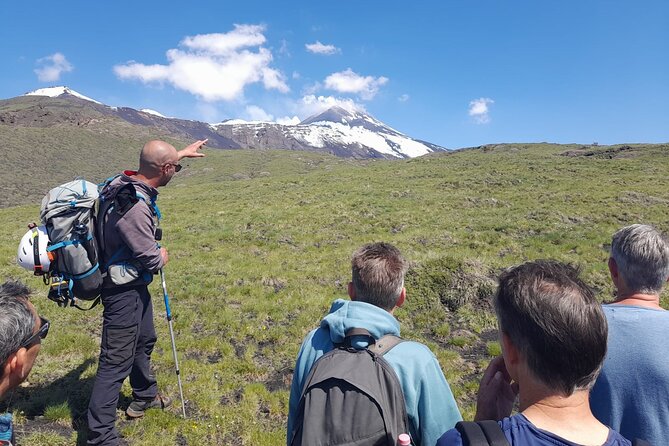
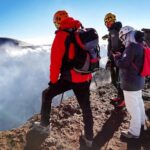
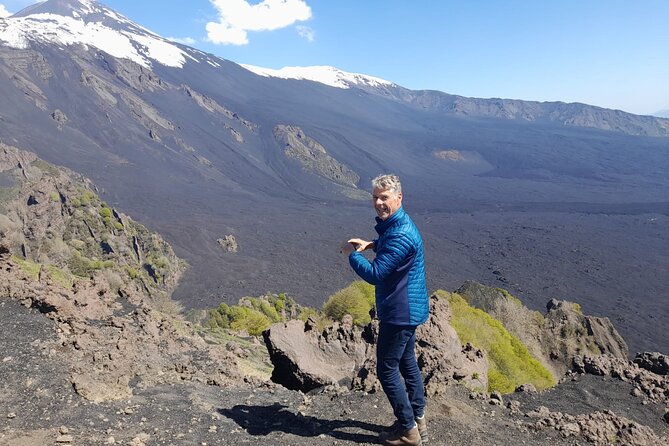
Reaching around 2,300m is when the itinerary switches from walking to looking. You get a 30-minute viewpoint stop over Valle del Bove, an ancient volcanic caldera.
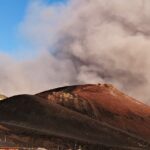
The key payoff here is the sightline: you’re looking toward the south-east crater from a vantage point that feels high enough to be dramatic, but not so demanding that you need a summit-style effort. It’s the kind of photo stop that actually lets you take photos without sprinting.
One practical tip: if you’re the kind of person who likes slow sightseeing, use the full 30 minutes. Etna’s scale is hard to judge quickly, and the view gets better the longer you let your brain adjust.
Craters Silvestri and the lava cave: when the tour turns hands-on
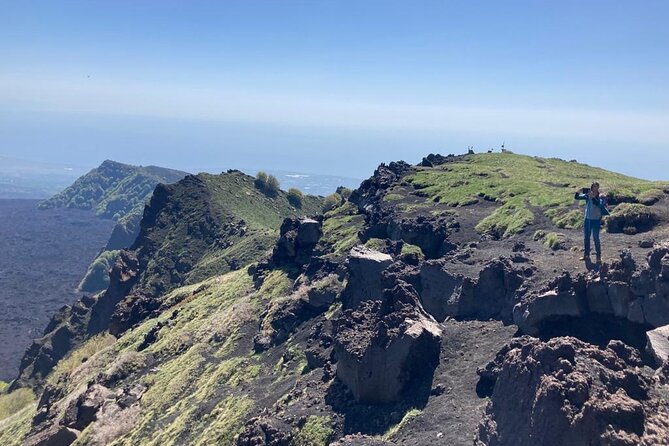
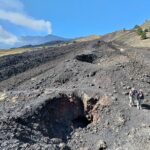
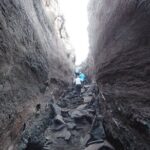
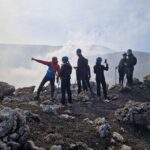
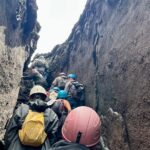
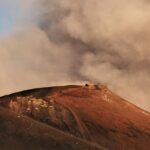
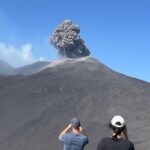
Next comes one of the most memorable parts: a walk through the ancient craters of Mount Etna’s Silvestri area. You get about 2 hours here, and the route includes a visit to a lava flow cave afterward.
This is where the included gear really matters. The tour provides helmets and torches for entering the cave. If you’ve ever seen photos of caves, you know why: it’s dark, uneven, and you want your light source handled for you, not improvised.
A cave visit also adds a different kind of excitement. Outside, you’re reacting to the size of everything. Inside, it becomes more about texture, rock shapes, and how volcanic material changes over time. The guide’s explanations (and the way guides like Monica are described by guests) tend to be a big part of why this section lands.
If you want one consideration: caves can feel tighter and colder than the outside air. Plan to move carefully and follow instructions. Your comfort will depend a lot on whether you’re willing to slow down for safety.
Colata Lavica 1992: watching a lava front meet real places
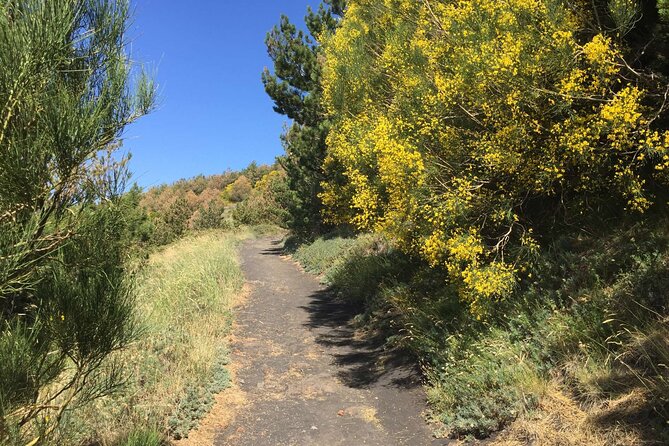
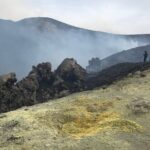
After the cave, you shift to something more grounded in human geography: Colata Lavica 1992. This stop is about 30 minutes, visiting the lava front from the 1991–1993 flow that reached the village of Zafferana Etnea.
I like this stop because it keeps Etna from becoming only a science or scenery trip. You’re seeing how the volcano’s power changes the ground and connects directly with communities nearby. It’s not abstract. You’re looking at evidence of a flow that actually interacted with a town.
For walkers, this is also a good break between heavier sections. You’re still outside, still moving through volcanic terrain, but the itinerary timing makes it feel like a pause rather than another long grind.
Oro d’Etna tasting: a short food break that feels earned
Then you get Oro d’Etna—a 30-minute free tasting of typical Etna products. This is simple, but it’s smart. After hours of hiking and cave exploring, tasting turns the day from visual only into something you can remember with your taste buds.
I’d treat it as a bonus snack stop, not a meal replacement. The tour notes that lunch and water aren’t included, so your best plan is to eat light before you go, then use this tasting as a treat during the route.
The drive back: finishing with Catania in view again
At the end, you return to the starting point in Catania, passing through the city as you go. That’s a nice way to close the loop. You’ll have gone from sea views to crater world and back again, and the contrast can make Etna feel even more real.
Guides, group vibe, and what makes this tour stand out
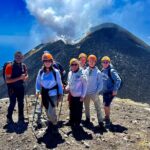
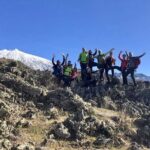
Small-group Etna trekking is where your experience often rises or falls. Here, the 8 traveler max makes a visible difference. It’s the kind of setup where you can ask questions without your voice disappearing into a crowd.
And the guide names show up consistently in guest feedback: Monica, Ludovico, Giuseppe, Luigi, Julien, Santi, and Diego appear across reviews. More important than the name, the pattern is how guests describe the day: guides explain not just the volcano, but how Etna is part of Sicilian life and how local people connect to it.
One review mentions the science side with the help of a vulcanologist expert. Even if you’re not a geology nerd, that kind of input often makes the crater and cave stops click faster.
What to bring (and what not to forget)
The big rule: don’t count on lunch or water being provided. Bring what you need for the day—snacks and water. It’s also smart to bring a light layer for the cave section, since indoor temperatures can feel cooler than outside.
You can request waterproof jackets, but that’s not automatic, so if weather is uncertain, it’s worth preparing for wet conditions.
And because you’ll be hiking on volcanic terrain, wear shoes you trust on uneven ground. If you’re unsure, pick the most stable footwear you own. Your ankles will write you a thank-you note later.
Who this tour is best for
You’ll probably love this tour if you:
- want a guided Etna experience without aiming for the most extreme summit effort
- like walking that’s medium/easy but still substantial
- want more than one type of stop: views + craters + lava cave + a tasting
- enjoy learning from guides who connect the volcano to Sicilian life
It’s also a good match if you’re traveling with mixed interests in your group. The day isn’t just one thing. Even if you’re not the biggest hiker, the cave and the viewpoints can carry you.
Should you book this Mount Etna trekking tour?
If you’re choosing between a quick photo drive and a full-day summit plan, this is a strong middle route. The pricing feels fair for what’s included—transport, cave gear, multiple free admission stops, and an included tasting—and the small group keeps it personal.
I’d book it if your priority is: learn something, see a lot, walk a real amount, and still feel fresh enough to enjoy the rest of Sicily afterward.
Skip it (or at least reconsider) if you want a fully stocked day with meals and water included, or if you hate cave environments and can’t tolerate uneven, rocky terrain.
If the weather looks good and you’re okay bringing your own snacks and water, this is the kind of Etna day that leaves you with both photos and context.
FAQ
FAQ
How long is the Half Day Trekking Tour on Etna?
The duration is listed as approximately 6 to 7 hours.
Where does pickup happen?
Pickup is available from the Info Point or from your hotel in Catania, or from another meeting point to be agreed.
Is the hike difficult?
The trekking portion is described as medium/easy level with about 300 meters of altitude gain, and the activity is recommended for travelers with moderate physical fitness.
Do I need tickets for the stops?
The itinerary notes admission ticket free for the trekking and sightseeing stops listed on the route.
Is the cave visit included, and do I get gear?
Yes. The tour includes a lava flow cave visit and provides helmets and torches. Waterproof jackets are available on request.
Is lunch or water included?
No. Lunch, snacks, and water are not included, so it’s recommended to bring them.
What’s the group size?
The tour has a maximum of 8 travelers.
Is the tour dependent on weather?
Yes. It requires good weather. If it’s canceled due to poor weather, you’ll be offered a different date or a full refund.
Are service animals allowed?
Yes. Service animals are allowed.
What’s the cancellation policy?
You can cancel for a full refund up to 24 hours in advance. If you cancel less than 24 hours before the start time, the amount paid is not refunded.