REVIEW · SICILY
Trekking to Bottoniera Craters
Book on Viator →Operated by Vincenzo Modica | Volcanological Guide of Mount Etna · Bookable on Viator
Volcano walks beat museum days. This Mount Etna trek takes you to the Bottoniera craters from the 2002 eruption, set among old lava flows and distinctive plants you won’t see anywhere else. I like that the whole thing is guided so you’re not just looking at rocks, you’re understanding how Etna works in plain language.
I also love the way volcanology becomes practical on the ground: you’ll learn the story behind the eruption and what you’re standing on, not just facts from a screen. One thing to consider is the hike is listed as moderate physical fitness, so if you’re dealing with knee issues or tight stamina, you’ll want to go in with realistic expectations.
In This Review
- Key things you’ll like about Bottoniera Craters Trek
- Bottoniera craters: what you’re actually walking into
- Your 3-hour Etna timing and what happens from the start
- The geology lesson you feel in your feet
- Views, lava flows, and the plants that survive on Etna
- Photos that actually look like Etna science
- Vincenzo Modica: why the guide quality matters here
- Price and value: is $229.28 per person worth it?
- Who should book this Etna trek (and who should think twice)
- Should you book Trekking to Bottoniera Craters?
- FAQ
- How long is the Trekking to Bottoniera Craters experience?
- What is the meeting point?
- What time does the tour start?
- Is this a private tour?
- What do we visit during the trek?
- Is admission included?
- What fitness level do I need?
- Does it run in bad weather?
- How do tickets work and who is the guide?
Key things you’ll like about Bottoniera Craters Trek
- Bottoniera craters from the 2002 eruption: the focus is specific, not a vague “Etna view.”
- A volcanological guide named Vincenzo Modica: you get geology explained in a simple, informative way.
- Admission ticket included: you’re not scrambling for entry details mid-trip.
- Endemic Etna vegetation: you’ll notice plant life that’s part of the volcano story.
- Private tour for your group only: less waiting, more direct attention to your pace.
- 3-hour outing with a tight start time: good if you want a major Etna highlight without using the whole day.
Bottoniera craters: what you’re actually walking into
Etna is big, loud, and complicated. This trek is different because it narrows the focus to the Bottoniera craters tied to the 2002 eruption. You’re not trying to “see everything.” You’re going to one of the most meaningful eruption areas from the last century and learning what that means.
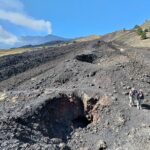
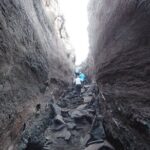
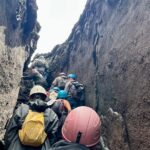
When you step into volcanic terrain, it’s not just scenery. It’s evidence: cracks, layers, and the shapes that form after lava cools and breaks apart. The best part of having a guide is that those shapes suddenly make sense. Instead of guessing, you learn why the ground looks the way it does and how eruptions leave long-term marks.
This is also a tour that leans into the human side of Etna. One of the strongest guide themes that comes through in feedback is the connection between the volcano and the towns and people around it. That turns your walk into a bigger story than just geology.
You can also read our reviews of more tours and experiences in Sicily.
Your 3-hour Etna timing and what happens from the start
The experience runs about 3 hours with an 9:30 am start, and it ends back where you begin. The scheduled start point is Vincenzo Modica | Etna Excursions at Via Provenzana, 35, 95015 Linguaglossa CT, Italy. That matters because Etna can be tricky for timing—being early and organized helps you avoid stress when roads, weather, and group coordination all come into play.
The tour is private, meaning it’s only your group. In practice, that usually feels calmer than big-van crowds. It also makes it easier for your guide to adjust explanations to the people in front of them—especially if you’ve got kids or you prefer a slower pace.
You’ll spend the bulk of the time at Mount Etna, specifically visiting the Bottoniera craters from the 2002 eruption. The pacing is designed to fit that 3-hour window, so if you want a longer trek, you’d need to ask about options beyond this exact format.
Also, admission for the craters is included, so you won’t be hunting for tickets during the experience. That’s a small detail, but on a volcano outing it saves real time and mental load.
The geology lesson you feel in your feet
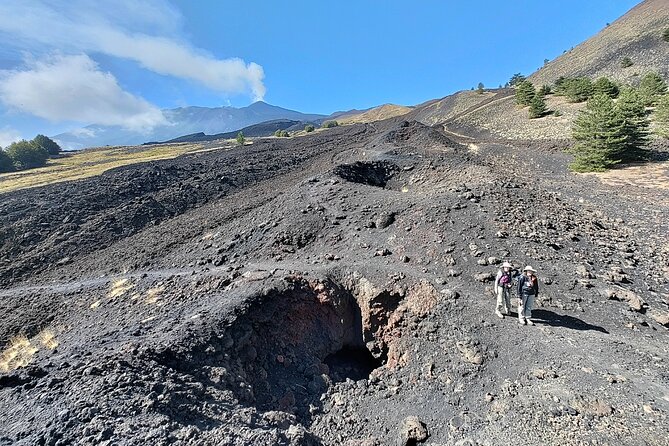
I love when a tour teaches you something you can point to. This one does that. The excursion is built around learning Etna’s geology in a simple, informative way, and the guide’s job is to translate volcanic processes into what you can observe right there.
Here’s what you can expect to get out of it: you’ll learn how eruptions shape the ground and how to read volcanic features like a map. That turns random rocks into a timeline. You start to recognize the clues left by past eruptions and understand why some areas look more fractured, darker, or layered than others.
From the feedback on Vincenzo Modica, the explanations aren’t generic. You get context along the route—how the volcano influences the surrounding towns and daily life, plus geology and local anecdotes. That blend is valuable because it keeps the science from feeling like a lecture. You’re walking and learning at the same time.
This is especially good for families with curious children. The tour is recommended for kids who want to learn about the geological world firsthand. If your child asks a lot of questions, this is the kind of setting where it can actually work in your favor.
Views, lava flows, and the plants that survive on Etna
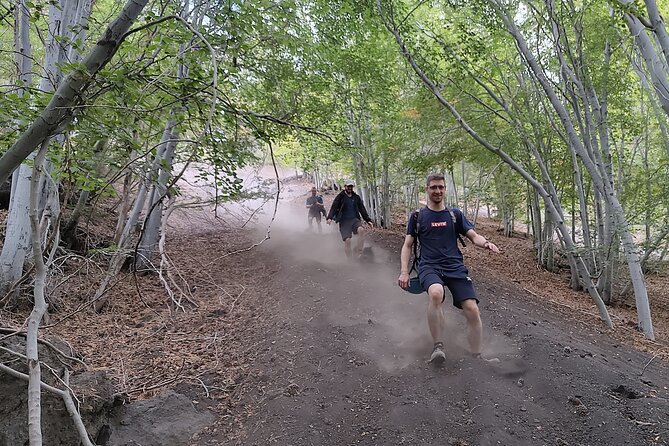
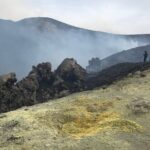
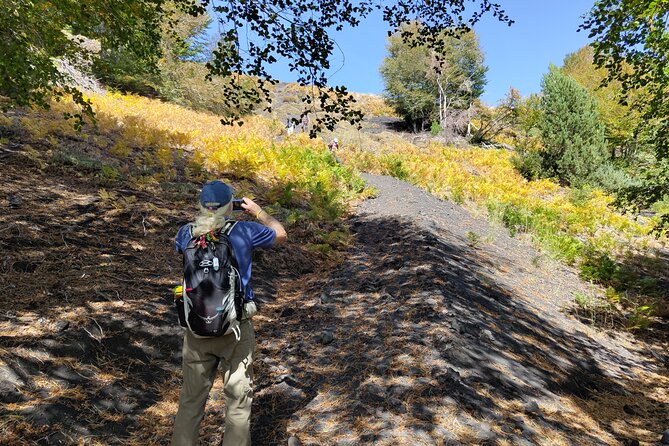
The Bottoniera crater area comes with more than dramatic ground. The experience highlights historic lava flows and endemic vegetation, which is the quiet payoff of a good volcano walk.
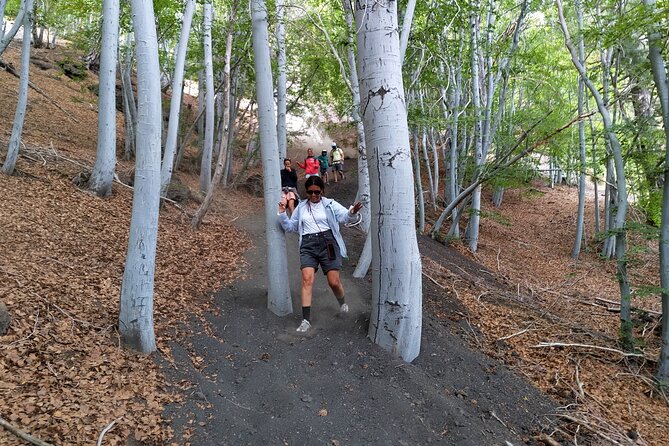
Endemic vegetation means plants adapted to the specific conditions created by volcanic terrain and local climate. Even if you’re not a plant person, you’ll likely notice that the guide steers your attention toward what’s growing where. That turns the trek into more than a “look at the rocks” outing.
And lava flows do something neat to your sense of scale. Old flows make you realize eruptions are not one-day events; they reshape the area over time and leave structures that influence movement, agriculture, and where people settle. If you’re the type of traveler who likes connecting geography to real life, you’ll probably enjoy that thread.
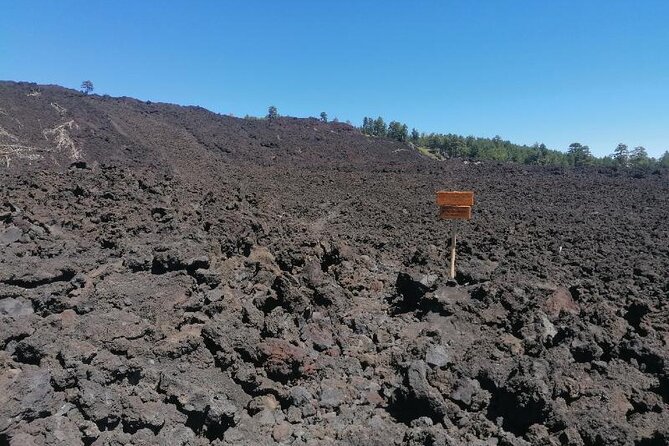
One practical note: volcanic areas can change how your footing feels. You might encounter uneven ground, loose gravel, or surfaces that don’t behave like a paved trail. This is one reason the tour calls for moderate physical fitness—it’s not “extreme hiking,” but it’s also not a stroll.
Photos that actually look like Etna science
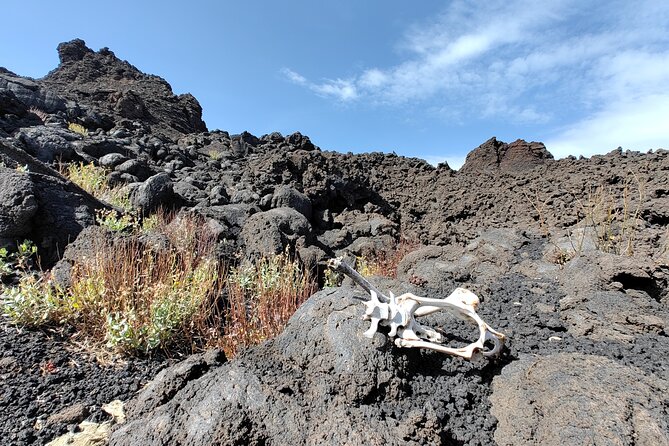
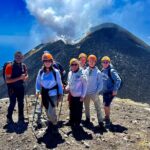
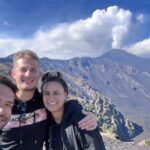
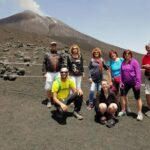
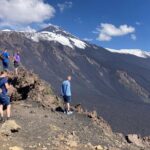
Let’s talk about pictures, because you’ll want them. The tour is designed so your photos become real memories, not just quick snapshots. When you understand what you’re seeing, your photos improve automatically: you choose angles that show the features that matter.
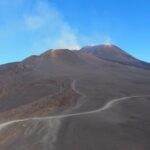
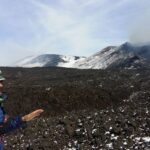
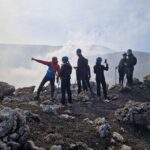
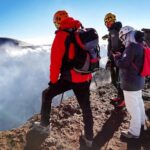
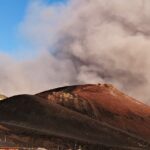
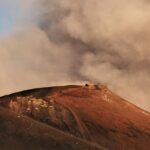
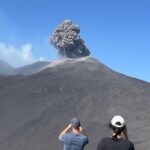
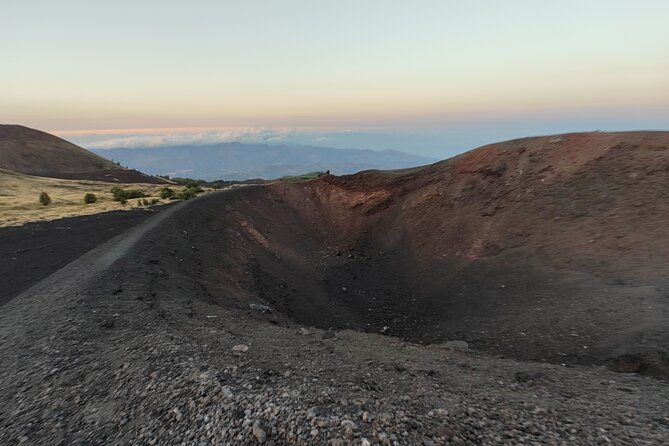
The Bottoniera craters from the 2002 eruption give you strong visual anchors. Crater edges, volcanic textures, and the contrast between darker volcanic material and surrounding growth create natural photo variety even within a short visit.
Here’s the tip I’d keep in mind if you’re camera-happy: plan to photograph more slowly than you normally do. On a volcano trek, you’ll see something interesting, then the guide explains why it looks that way, then you’ll want to get a second photo using that new context. Build in that rhythm and your set of images will feel more complete.
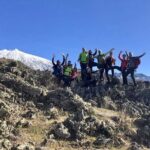
Also, if you’re traveling as a group, you’ll get more flexibility because it’s a private outing. You’re less likely to feel rushed into one photo moment and out the door.
Vincenzo Modica: why the guide quality matters here
This experience is built around a specific kind of guide: someone who can explain volcano processes without turning your hike into a textbook. The provider is Vincenzo Modica | Volcanological Guide of Mount Etna, and that focus on volcanology shows in the way the tour is described and in the feedback.
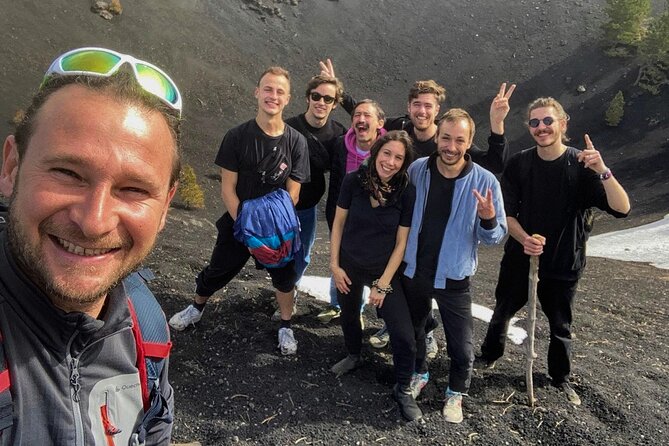
One recurring theme in comments about Vincenzo is his passion and the clarity of his explanations. People mention lots of explanations, learning plenty of details, and enjoying the upbeat, attentive vibe. They also highlight that he’s aware of clients’ needs, not just delivering facts and moving on.
Another useful detail: there’s mention of Vincenzo coordinating pickup from a hotel. The official meeting point is Via Provenzana in Linguaglossa, so I’d treat hotel pickup as something you confirm during booking rather than something you assume. Either way, knowing there’s potential flexibility is a plus if you’d rather not drive yourself to the meeting point.
In short: if you want to come home with a real story—what happened in 2002, why Bottoniera looks like it does, and what you can learn from the terrain—this guide-centered format is a big part of the value.
Price and value: is $229.28 per person worth it?
At $229.28 per person, this isn’t a “cheap add-on.” It is, however, priced like a guided, ticket-included experience focused on a specific eruption site.
The main value drivers here are:
- 3 hours of guided time with a named volcanology guide
- Admission ticket included
- Private format for your group only
- A geology lesson designed for real understanding, not just viewpoints
If your goal is a quick Etna photo stop, you could likely find cheaper options. But if your goal is learning and getting access to an eruption-related crater area with context, the price starts to make more sense. You’re paying for interpretation and for the time structure that gets you to the right place at the right time.
One more value angle: when a guide is good, you spend less time asking yourself what you’re seeing. Your money becomes understanding—plus better photos and a stronger sense of the place.
Who should book this Etna trek (and who should think twice)
This tour fits best if you want a serious Etna highlight but don’t want to spend a whole day trekking. 3 hours is a workable chunk of time, especially if you’re balancing other Sicily plans.
It’s also a strong pick if:
- you’re curious about geology and want it explained in everyday terms
- you’re traveling with kids who like questions and hands-on learning
- you prefer a private, paced experience instead of a large group shuffle
Think twice if you:
- have low stamina or mobility limits, since the tour is described as moderate physical fitness
- expect a fully paved, easy walk (volcanic terrain can be uneven)
If you’re unsure, focus on how comfortable you are walking on irregular ground for a few hours. That single factor matters more than your general “I like hiking” attitude.
Should you book Trekking to Bottoniera Craters?
Yes, I’d book it if you want a focused Etna experience with real explanation. The big reason is the format: Bottoniera craters from the 2002 eruption plus a volcanology guide who connects what you see to why it matters.
Skip it if you mainly want a scenic pass-through and aren’t interested in geology. In that case, you might feel like you’re paying for instruction you won’t use.
For most people—especially families and curious travelers—the payoff is strong: you leave with a clearer picture of Etna, photos that make sense, and the kind of story that sticks long after you’re back in Sicily.
FAQ
How long is the Trekking to Bottoniera Craters experience?
It lasts about 3 hours.
What is the meeting point?
The meeting point is Vincenzo Modica | Etna Excursions, Via Provenzana, 35, 95015 Linguaglossa CT, Italy.
What time does the tour start?
The start time is 9:30 am.
Is this a private tour?
Yes. It’s private, meaning only your group participates.
What do we visit during the trek?
You visit Mount Etna and the Bottoniera craters from the 2002 eruption.
Is admission included?
Yes. The admission ticket is included.
What fitness level do I need?
The experience calls for a moderate physical fitness level.
Does it run in bad weather?
The tour requires good weather. If it’s canceled due to poor weather, you’ll be offered a different date or a full refund.
How do tickets work and who is the guide?
You receive a mobile ticket, and the guide is Vincenzo Modica, a volcanological guide of Mount Etna.