REVIEW · KATHMANDU
14 Days Everest Base Camp Trek
Book on Viator →Operated by Magic Himalaya Treks · Bookable on Viator
Lukla’s airstrip changes your mood fast. This 14-day Everest Base Camp trek is interesting because you’re not only walking toward the world’s highest mountain—you’re also getting a close look at Sherpa life and how the Khumbu communities support high-altitude adventure.
I especially like how the route builds in real acclimatization while still hitting the big photo moments, like the Kalapather sunrise viewpoint.
I also like the trip’s “logistics handled” feel: you get an airport welcome in Kathmandu, flights between Kathmandu and Lukla, and an organized team with a licensed guide and porters. One drawback to plan for: altitude is not a suggestion. You need a strong fitness level, and you should be mentally ready for slower days or itinerary adjustments if your body doesn’t adapt as expected.
In This Review
- Key highlights at a glance
- Everest Base Camp at 5,463m: what you’re really signing up for
- Getting to the mountains: Kathmandu airport to Lukla flight
- Day-by-day: what you’ll do, why it matters, and where it’s tough
- Day 1: Arrive in Kathmandu
- Day 2: Kathmandu to Lukla, then start trekking downhill
- Day 3: Dudhkoshi river bridges to Namche Bazaar approach
- Day 4: “Rest” day with acclimatization options
- Day 5: Tengboche/Tyangboche day with major Everest-facing views
- Day 6: Dingboche, shorter day with big Amadablam vibes
- Day 7: Another rest day that’s actually a hike (Nangkartshang)
- Day 8: Toward Laubecha with Thukla Pass monuments
- Day 9: Long day toward Gorekshap and then Everest Base Camp
- Day 10: Sunrise hike to Kalapather, then down to Gorekshap for breakfast
- Day 11: Down to Namche Bazaar via Tengboche/Pangboche areas
- Day 12: Namche to Lukla, last trekking day (and a celebration)
- Day 13: Fly back to Kathmandu, then full rest day
- Day 14: Depart Nepal
- What makes the acclimatization plan feel solid
- Price and value: what $1,680 buys you on this route
- Meals, nights, and day-to-day comfort in the mountain villages
- The safety reality check (and how to work with it)
- Who should book this Everest Base Camp trek
- Should you book this 14-day Everest Base Camp trek?
- FAQ
- What’s included in the $1,680 price?
- What’s not included on this trek?
- Do I get picked up in Kathmandu?
- How do the flights work to and from Lukla?
- When does the experience start?
- What happens if poor weather cancels the trek?
Key highlights at a glance
- Kathmandu-to-Lukla flights and private transfers that reduce stress on arrival and departure
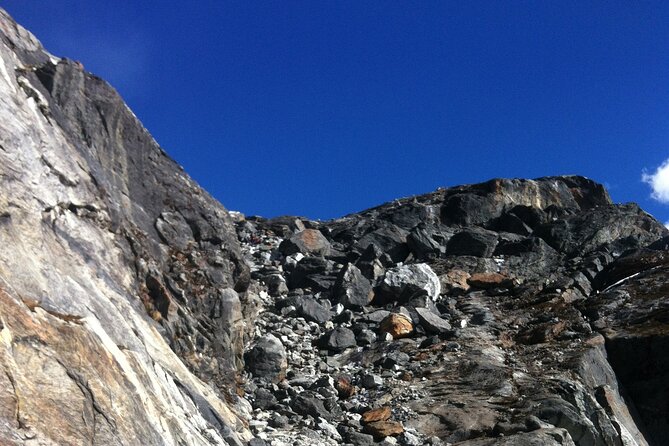
- Kalapather sunrise for close-up mountain views at about 5,450m
- Everest-facing trekking days plus iconic stops like Namche Bazaar and Tengboche
- Licensed guide + porters for a smoother pace and safer decisions on the trail
- Sagarmatha National Park and government fees included, plus a medical kit on hand
- Private tour format, so it’s just your group trekking together
Everest Base Camp at 5,463m: what you’re really signing up for
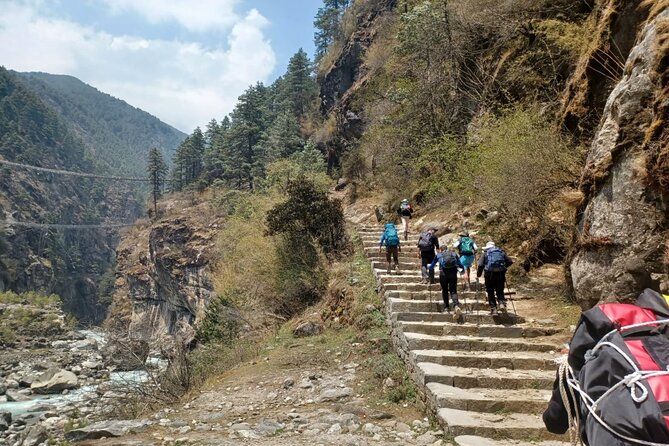
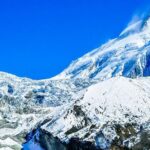
Everest Base Camp sits at about 5,463m, and that elevation changes everything. The air feels thinner fast. Your breathing does more talking than your feet. Nights get cold enough that you’ll start respecting your layers in a hurry.
The trek also has a quirk that makes it feel current, not like a museum visit: the base camp location can shift year to year because glaciers move. So when you reach the base camp area, you’re seeing the mountain’s most famous staging zone in the context of the current season, not a fixed postcard.
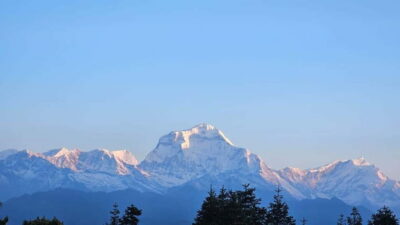
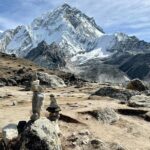
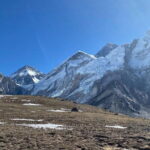
Another thing I like about this trek is that it doesn’t only chase one view. You also go to Kalapather (around 5,450m), which is often treated as the quickest “closest Everest” experience on the route. That means you get more than one chance to take in the big wall of peaks—especially on the early sunrise day when the light can make the ridgelines look razor sharp.
And behind the scenery, you’re walking through places where Sherpa history and climbing culture are part of daily life. Even if you’re not a climber, you’ll feel that sense of purpose in the tea houses and the trail rhythm—people move with experience.
You can also read our reviews of more tours and experiences in Kathmandu.
Getting to the mountains: Kathmandu airport to Lukla flight
If you’ve ever watched people struggle with transfers, you’ll appreciate how this trip handles the first day-to-day pieces.
On arrival in Kathmandu, you’re met at Tribhuvan International Airport by representatives from Magic Himalaya Treks and Expeditions, with your name. Then the guide picks you up and gets you to the domestic terminal for the flight to Lukla. You’ll meet your porters after you land, and that immediately helps the trek feel more manageable from day one—your main job becomes hiking, not planning.
Two practical wins here:
- You use round-trip flights between Kathmandu and Lukla, which is a big time-saver compared with longer approaches.
- You also get airport pickup and drop using private transportation in Kathmandu.
This matters because Everest logistics can be chaotic when you’re doing it on your own. Here, the “start” is clearly designed so you don’t lose half a day figuring out buses, terminals, or local schedules.
One note: the listed start time is 12:45 pm. Build your travel day around that. If your flight lands late, you’ll feel it. If it lands early, you’ll enjoy the buffer.
Day-by-day: what you’ll do, why it matters, and where it’s tough
Below is what you can expect across the 14 days, plus the “why” behind each stop.
Day 1: Arrive in Kathmandu
You land, you get greeted, and you’re set up for the next step. This is a simple day by design, because the trek starts quickly after.
What to watch: Kathmandu altitude is lower than the trek, but you’ll still benefit from taking it easy the rest of the afternoon—hydration and sleep do real work here.
Day 2: Kathmandu to Lukla, then start trekking downhill
Today you fly to Lukla, meet porters, and begin trekking, including a descent early in the experience. The timing is about 5 hours of activity listed here, and you’ll start feeling the change from city time to trail time.
Day-2 trekking is often where first-timers realize: you don’t need to go fast. You need to go steady.
Day 3: Dudhkoshi river bridges to Namche Bazaar approach
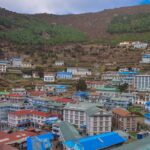
You follow the Dudhkoshi River and cross suspension bridges repeatedly. You’ll have lunch in Jorsella village and then continue walking toward Namche Bazaar.
Why this day is important: the repeated bridge crossings and varied walking keep you awake mentally. It’s also a gentle way to transition your body into long, continuous movement.
Day 4: “Rest” day with acclimatization options
Instead of doing nothing, you go for a walk to help your body adapt. You’ll have options like Syangboche viewpoint or the Everest View Hotel area.
This is a smart approach. True rest is great, but altitude acclimatization is not just about lying down. Moving slightly at the right time helps your breathing adjust.
Day 5: Tengboche/Tyangboche day with major Everest-facing views
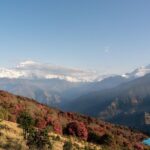
Today includes one of the better viewpoint-oriented sections: you walk with Mount Everest and other Himalayas in view, plus prominent peaks such as Ama Dablam, Thamserku, and Taboche (spelling may vary in local references).
Expect this day to feel more emotional than physical, because the peaks show up clearly when the weather is good. The hike is listed at around 6 hours, so you’ll still earn the views.
What to watch: if clouds roll in, don’t panic. The route gives you more shots later.
Day 6: Dingboche, shorter day with big Amadablam vibes
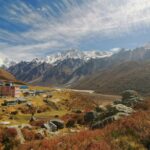
This is listed as a shorter day (about 4 hours to reach Dingboche, then time for lunch). You’ll pass places like Pangboche and Sanasa, and you’ll arrive with an “incredible view” of Ama Dablam.
Shorter walking here is intentional. You’re gaining altitude, but you’re also giving your body time to catch up. Take it slow even if you feel good.
Day 7: Another rest day that’s actually a hike (Nangkartshang)
Again, you won’t just sit. You hike to Nangkartshang hill (around 5,000m) for views over the Imja Tse valley, plus peaks like Island Peak and Ama Dablam.
Why this works: it builds acclimatization without pushing you into an all-day grind.
What to watch: you might feel fine at the bottom and then feel the burn higher up. That’s normal.
Day 8: Toward Laubecha with Thukla Pass monuments
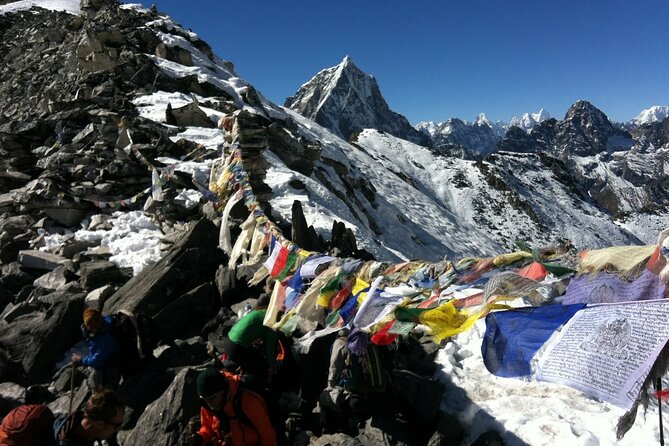
You head toward Laubecha, passing Thukla and the Thukla Pass area. The highlights include monuments made by famous climbers at the pass, plus lunch at Laubecha.
Expect a longer, more “commitment” feel here because you’re pushing toward the Everest Base Camp approach zone.
Day 9: Long day toward Gorekshap and then Everest Base Camp
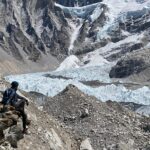
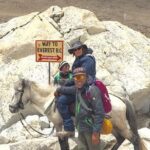
This is one of the longest days. You walk toward Gorekshap in the morning, have a light lunch, and then continue toward Everest Base Camp. There’s a note that after walking for two hours, you continue into the base camp area/time.
This is the day where energy management matters most. Don’t save everything for the final viewpoint. Pace yourself so you can actually enjoy the moment once you get there.
Day 10: Sunrise hike to Kalapather, then down to Gorekshap for breakfast
Early morning you hike to Kalapather for a sunrise view of the mountains. You’ll take pictures, sit for a bit, and then come down to Gorekshap for breakfast.
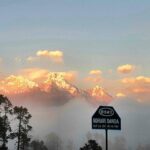
Why it’s a standout: Kalapather gives you that dramatic “closest Everest” perspective without needing to climb. Sunrise is also when the atmosphere is often clearer—if the weather plays along.
Day 11: Down to Namche Bazaar via Tengboche/Pangboche areas
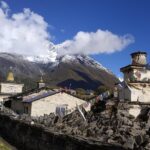
You trek downhill toward Namche Bazaar, passing Pangboche and Tengboche. Lunch is at Phortse Tangha, and once you reach Namche you can enjoy the bar and pubs mentioned for the town vibe. You’ll overnight with accommodation arranged.
Downhill days feel easier in theory. They aren’t always easier on the knees. Take your time on descents.
Day 12: Namche to Lukla, last trekking day (and a celebration)
Today you trek about 7 hours from Namche Bazaar to Lukla. You’ll stop for lunch in Phakding, and since it’s your last trekking day, you’ll celebrate and make sure your porters feel appreciated.
This day is emotionally important. It’s also the day where you’ll want good footwear traction and a smart pace, because the end makes people speed up.
Day 13: Fly back to Kathmandu, then full rest day
After breakfast, you go to the airport depending on flight timing. Once you reach Kathmandu, your driver transfers you to your hotel. This day is a full rest day, with accommodation and breakfast provided.
Don’t treat this as a “do everything in Kathmandu” day. Treat it as recovery. You’ll thank yourself later.
Day 14: Depart Nepal
Breakfast is provided, and then you fly home.
What makes the acclimatization plan feel solid
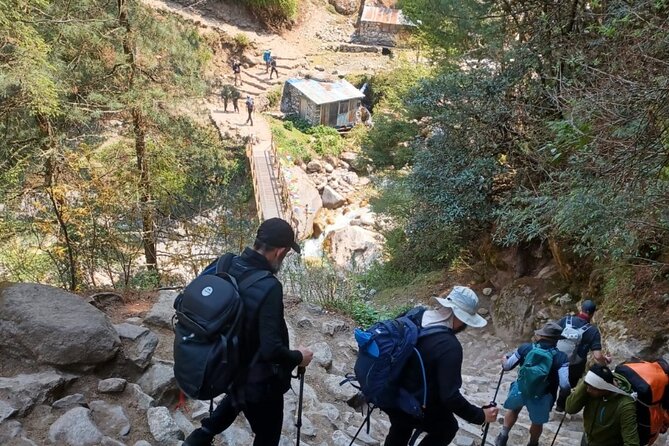
This trek uses a pattern that works: you gain altitude, you rest, you move a bit, you gain again. You have rest days on Day 4 and Day 7, but they still include short hikes to viewpoints and hills (Syangboche/Everest View Hotel options on Day 4, and Nangkartshang hill on Day 7).
That matters because altitude adaptation isn’t instant. These small elevation pushes help you adjust while keeping the overall pace manageable.
Also, you’re not hiking alone in a vacuum. The included support includes an experienced licensed guide plus required porters with their salary and expenses covered. Add a medical kit box and required medicine, and you get a setup designed for the reality of high-country trekking.
One more practical thought: on days like Kalapather sunrise, you’ll be starting early. Plan to sleep like you mean it the night before. Early starts plus cold air can make people grumpy. Cold air does that. Bring a calm attitude.
Price and value: what $1,680 buys you on this route
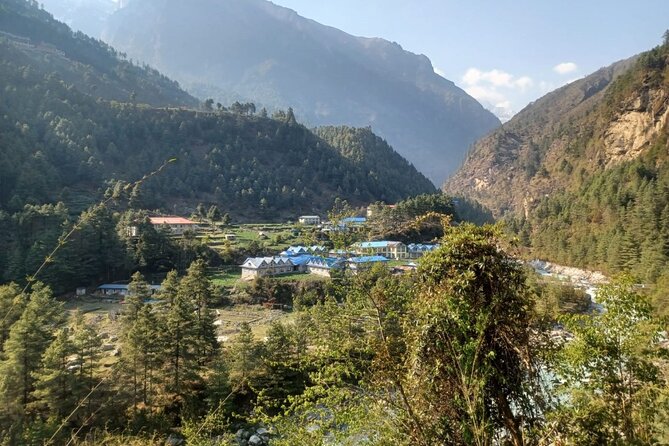
The price is $1,680 per person for roughly 14 days. That number matters less than what’s inside it.
Here’s what’s included based on the tour details:
- Government fees including Khumbu Municipality charges and Sagarmatha National Park entrance fee, plus government tax and VAT
- Licensed guide, and required porters (with salary and expenses covered)
- A medical kit box and required medicine
- Air-conditioned vehicle between Kathmandu and Lukla round tickets (plus airport pickup and drop on private transportation)
- Meals: breakfast (13), lunch (11), dinner (13)
And practical extras listed:
- Pickup offered
- Mobile ticket
What’s not included (important for budgeting):
- Tips for guide and porters (listed as compulsory)
- Personal expenses
- Bar bills (alcoholic and non-alcoholic drinks)
- Rescue operation in an emergency
- Extra items during breakfast, lunch, and dinner
- Nepal entry visa fee and travel insurance (you’ll need these)
So is $1,680 good value? On the Everest Base Camp route, you’re paying for several costly and hard-to-organize pieces: permits/fees, a licensed guide system, porter staffing, and the Kathmandu–Lukla flight connection. If you tried to assemble all of that yourself, you’d spend time—and likely money—debugging logistics.
Just don’t ignore the add-ons you must handle yourself, especially visa and travel insurance, plus the compulsory tips.
Meals, nights, and day-to-day comfort in the mountain villages
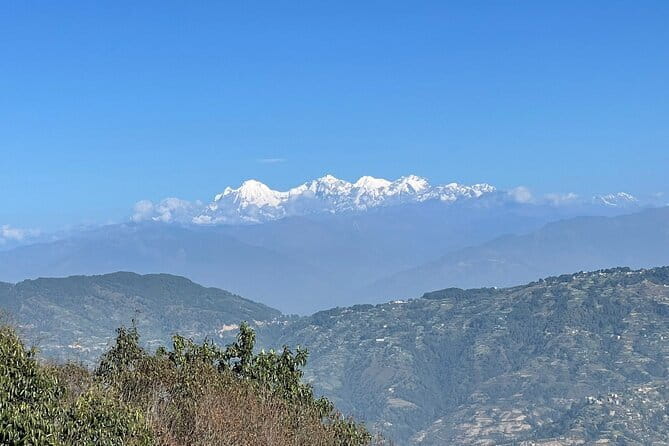
This trek is built around included meals: breakfast, lunch, and dinner are scheduled across the days. Lunches and dinners are tied to where you stop, so you’re not constantly hunting for food.
As for sleeping: the itinerary uses overnight stops with accommodation noted on at least some legs (for example, Namche on Day 11, and Kathmandu hotel on Day 13). The overall expectation should be simple mountain lodges/tea house-style stays rather than luxury.
If you’re used to “comfortable by default,” temper expectations. The reward is the scale of what you see every day, not the plushness of the pillows.
The safety reality check (and how to work with it)
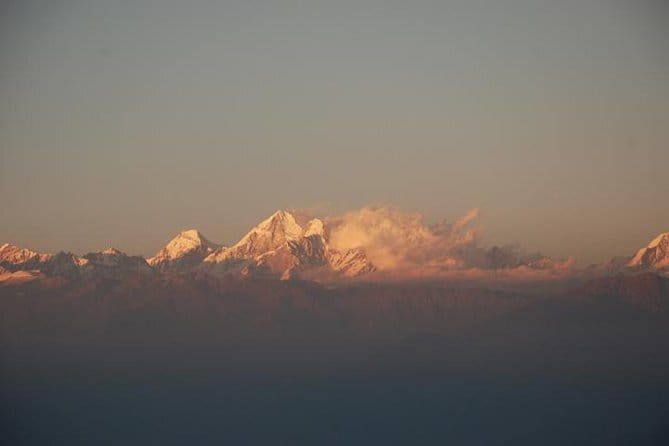
Altitude sickness is the big risk on any Everest route, and this trek is no exception. The tour notes emphasize strong physical fitness as a requirement, and the included medical kit helps—but nothing removes altitude risk.
The best way to improve your odds is boring and effective:
- keep a steady pace (no hero speed)
- hydrate as best you can
- tell your guide early if symptoms show up
- treat rest-day hikes as acclimatization, not a race
This operator’s team is also described as prioritizing safety and taking good care of people, with professional support and gentle encouragement. A helpful guide doesn’t make altitude disappear, but they can help you make better choices when your judgment is tired.
Who should book this Everest Base Camp trek
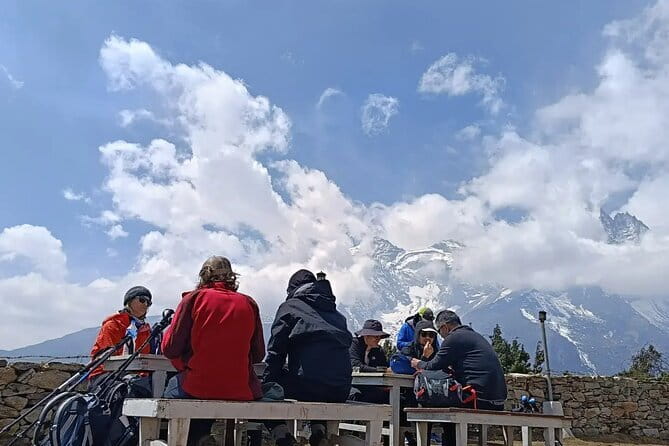
This is a good fit if you:
- want a classic Everest Base Camp experience with structured acclimatization
- like the idea of sunrise at Kalapather and multiple Everest-view days
- prefer having a licensed guide + porters and a plan that removes most logistics stress
- like the private-tour feel where it’s only your group
You should be cautious if you:
- don’t tolerate cold well or can’t commit to early mornings
- have trouble with physically demanding days and long stretches of walking
- have a history of altitude issues and haven’t talked with a medical professional
Should you book this 14-day Everest Base Camp trek?
If your main goal is reaching Everest Base Camp with a clear route, solid acclimatization structure, and hands-on support, I think this is a strong choice—especially given what’s included for the price: permits/fees, guide + porters, flights, and meals.
If you’re the kind of traveler who wants total control down to the last cup of coffee and the last minute of pacing, a guided trek might feel too planned. But for most people, the planning is the point. It protects your energy for the trail and your attention for the mountain.
If you book, do the homework that matters: get fit before you go, pack smart for cold and wind, and have travel insurance. Then show up ready to move slowly and enjoy the ride.
FAQ
What’s included in the $1,680 price?
The price includes government fees (Khumbu Municipality charges and Sagarmatha National Park entrance fee), a licensed guide and required porters (with their salary and expenses), a medical kit box and required medicine, air-conditioned private transportation in Kathmandu with airport pickup and drop, Kathmandu–Lukla round tickets for guide and clients, and meals: breakfast (13), lunch (11), and dinner (13).
What’s not included on this trek?
Not included are personal expenses, tips for guide and porters (listed as compulsory), bar bills (alcoholic and non-alcoholic drinks), rescue operation in case of an emergency, Nepal entry visa fee, international flight and departure tax, travel insurance for the trek, and extra items during breakfast, lunch, and dinner.
Do I get picked up in Kathmandu?
Yes. Airport pickup and drop on private transportation in Kathmandu are included, and the guide also picks you up to take you to the domestic terminal for your Lukla flight.
How do the flights work to and from Lukla?
You fly from Kathmandu to Lukla with round-trip tickets included for both guide and clients. On the return, you go to the airport from the trek’s last day depending on the flight schedule, then return to Kathmandu.
When does the experience start?
The meeting point lists a start time of 12:45 pm.
What happens if poor weather cancels the trek?
The experience requires good weather. If it’s canceled due to poor weather, you’ll be offered a different date or a full refund.