REVIEW · KATHMANDU
Annapurna Base Camp Trekking – 14 Days
Book on Viator →Operated by Annapurna Foothills Treks Expedition Pvt. Ltd. · Bookable on Viator
One of Nepal’s best treks is the one you actually finish. Annapurna Base Camp in 14 days strings together rice terraces, rhododendron forests, deep river gorges, and finally a high glacial basin under the big peaks. I like how close you get to the Annapurna I expedition zone, and I especially like the acclimatization pacing that makes the climb feel safer and more human.
Two more things I’d highlight: you get a licensed English-speaking Sherpa guide and a porter set-up (one porter for every two trekkers), so you spend your energy walking instead of wrestling your pack. The trade-off is simple: you’re committing to daily altitude changes and long hiking days, and the tea-house style means you’ll trade comfort for location.
In This Review
- Key things that make this ABC trek a strong deal
- Annapurna Base Camp in 14 days: why this route feels different
- Kathmandu setup and the Pokhara warm-up you’ll be glad you planned
- Days to Ghorepani and Tadapani: where the trek starts earning its view time
- Chhomrung to Dovan: steep effort, calmer breathing
- Machhapuchre Base Camp to Annapurna Base Camp: the 4,000m moment
- Descending through Bamboo and Jhinu Danda: the mental win of letting gravity help
- Tea houses, meals, and water: how comfort is managed on the mountain
- Altitude strategy and safety: what keeps this from feeling reckless
- Guide, porter, and group size: why the trek feels easier than it looks
- Price and value: what $1,250 covers and whether it feels fair
- Best season, weather reality, and what you should pack
- Should you book Annapurna Base Camp for 14 days?
- FAQ
- Where does this trek start and end?
- How long is the Annapurna Base Camp trek?
- What’s included in accommodations?
- Are meals included?
- Do I need a porter?
- Are permits and conservation fees covered?
- What about drinks and water?
- What type of guide do I get?
- What time of year is best to go?
Key things that make this ABC trek a strong deal
- 14 days built for acclimatization, not a speed run to 4,130m
- A licensed, English-speaking Sherpa guide plus a porter (1 for 2 trekkers)
- Tea-house/lodge trek with full-board meals on the mountain nights
- All key logistics handled: Kathmandu–Pokhara–trailhead transfers included
- Permits and conservation fees included, so you’re not scrambling for paperwork
- Flexibility on route decisions when weather or health risk shows up
Annapurna Base Camp in 14 days: why this route feels different
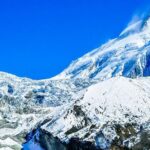
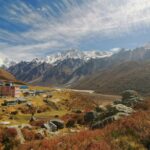
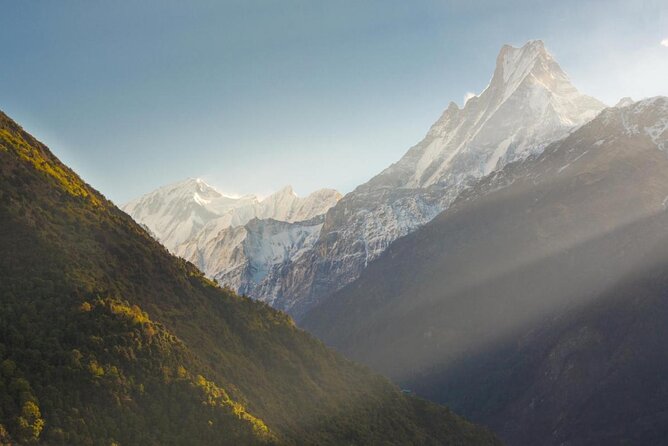
Annapurna Base Camp doesn’t just add altitude. It changes your whole environment quickly: start in settled valleys, then climb through forests, then work your way into a cold, glaciated pocket at the foot of major peaks like Annapurna I. That’s the core magic here, and the 14-day shape of the trek matters because it gives your body time to adjust.
I also like the way this itinerary manages the seesaw between higher and lower elevations. You get multiple days where you gain altitude, then spend enough time at a new level before pushing again. That’s not just “nice”—it’s what helps reduce the odds of altitude trouble.
The final consideration is that the experience is demanding even if it’s well-paced. Your legs will feel it on steeper stretches and on the longer hours, and you’ll be walking between elevations every couple of days. If you prefer very short days or zero altitude impact, this may feel like work, not vacation.
You can also read our reviews of more tours and experiences in Kathmandu.
Kathmandu setup and the Pokhara warm-up you’ll be glad you planned
Your trek starts in Thamel, Kathmandu, where you’ll handle the first-day check-in and settle in. Then you drive to Pokhara, dropping the altitude to around 900m (about 2,953 ft). Even though it’s a vehicle day, I treat this as more than “transport.” It’s where you reset, sleep, and collect yourself before the real climb starts.
From Pokhara, you don’t jump straight onto the highest ground. You drive to Nayapul, then begin trekking toward Hile (around 1,400m). This first walking day is short enough to let you find your rhythm, but it still wakes up your calves and gets you used to trekking with a proper pace and breaks.
Why I think this matters for you: a smooth start reduces early mistakes. People often go out too fast on day one simply because the air feels fine. Here, you get a gradual entry, and that makes the next climbs easier.
Days to Ghorepani and Tadapani: where the trek starts earning its view time
After the Nayapul to Hile start (about 3 hours), the next big move is to Ghorepani at about 2,855m, a longer day at roughly 6–7 hours. This is where you feel the altitude more clearly, and where slow walking becomes your best friend. The route shape in this section also tends to make you work steadily—no dramatic tricks, just consistent climbs and pauses.
Then you continue to Tadapani (about 2,610m), around 5 hours. You’re still gaining and losing elevation, and that keeps your body adapting rather than shock-climbing. I like these “in-between” days because they let you enjoy the mountain without constantly feeling like you’re racing the clock.
Possible drawback in this stretch: you’ll likely arrive at lodges a bit tired and a bit cold, even in good weather. Tea-house rooms are simple, so your comfort depends on warmth layers and your willingness to keep expectations realistic.
Chhomrung to Dovan: steep effort, calmer breathing
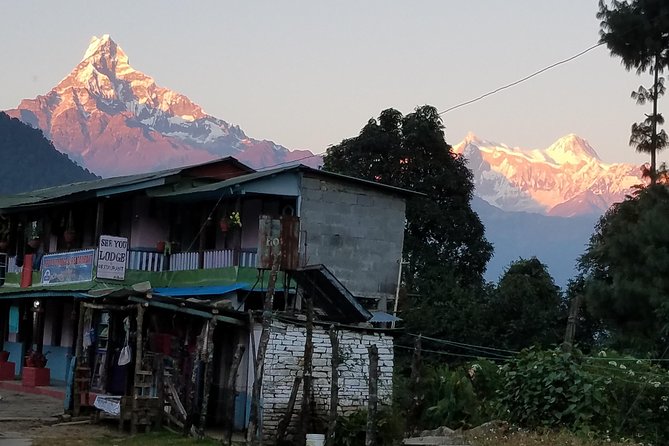
Next you head to Chhomrung (around 2,040m), about 4 hours. This part of the trek is known for feeling more intense than the time estimate suggests, because elevation changes can pack extra effort into a relatively short day. Expect steep segments where you have to control your pace and keep your breathing steady.
From there you move to Dovan (around 2,550m), typically 4–5 hours. This is a key altitude stop because it sets you up for the truly high days ahead. I like this segment because it feels like the trail is transitioning from valley hiking into something more serious—more glacial-cold energy, more mountain air, and more focus on taking your breaks.
This is also where the guide’s style becomes noticeable. In past experiences with this operator, guides like Ngima and Dawa were praised for being attentive and patient, including for amateur trekkers and groups with teenagers. That kind of on-the-ground pacing is exactly what you want here—especially if you’re not trying to prove anything on the trail.
Machhapuchre Base Camp to Annapurna Base Camp: the 4,000m moment
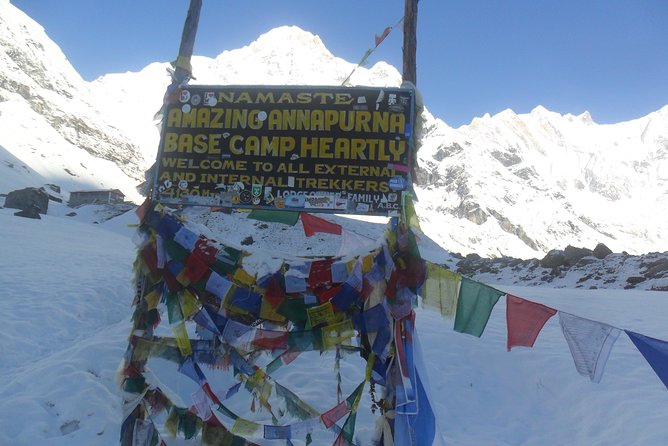
The climb to Machhapuchre Base Camp (about 3,700m) takes roughly 4–5 hours. This is the kind of day where your legs may feel okay, but your breathing reminds you you’re moving in thin air. I recommend you treat the win here as not just reaching the lodge, but arriving without overheating. If you go too fast, you’ll pay for it later.
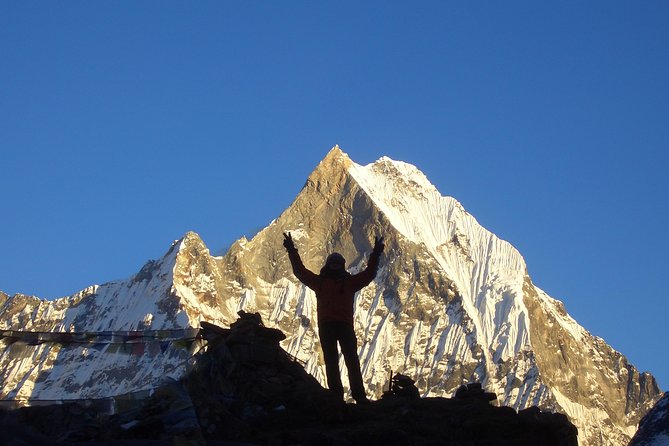
Then comes the big day: trekking to Annapurna Base Camp (about 4,130m), roughly 2–3 hours. Shorter on paper, but don’t let that fool you. By this stage of a properly paced trek, you’re ready to absorb the altitude and enjoy the moment instead of fighting it.
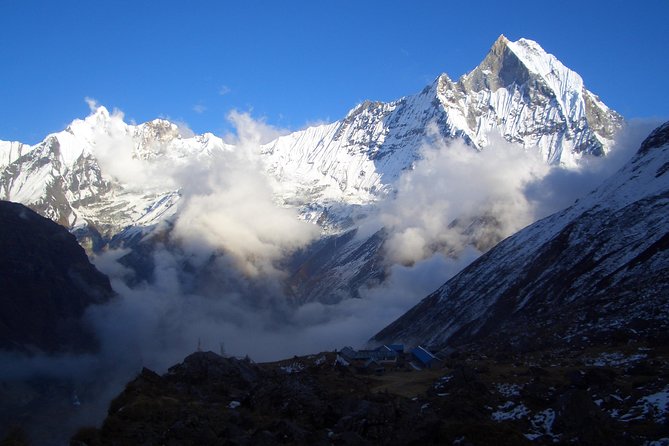
What you’ll actually experience at ABC is a glacial basin feeling, surrounded by major peaks. The practical value of reaching it in a planned way is that you can spend time there and not feel wrecked after. That makes the summit-view day feel like a celebration rather than a survival checkpoint.
The one consideration: weather matters a lot here. Your group may face cloud, wind, or cold, and you’ll want a layering system that doesn’t depend on perfect skies.
Descending through Bamboo and Jhinu Danda: the mental win of letting gravity help
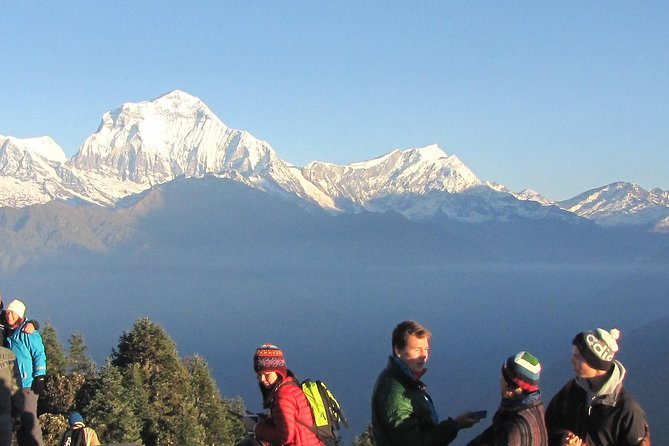
After Annapurna Base Camp, you go down to Bamboo (around 2,340m) in about 4–5 hours. This is one of the most satisfying parts of the whole trek. Not because it’s easy, but because your body can breathe a little better and your joints get a chance to recover.
Next is Jhinu Danda (around 1,780m), about 5 hours. This descent continues your move back into more comfortable air, while still keeping you walking enough to stay in “trek mode.” I find this helps you avoid the post-high-day slump where you feel stiff and sluggish.
Finally, on day 12, you trek to Nayapul-Pokhara (around 900m) in about 5–6 hours, then you drive back toward Kathmandu the next day. Those last travel transitions are long enough to feel real, but they’re also a relief. You’ll be trading views for rest, which is exactly what you want after 9+ days of sustained effort.
Tea houses, meals, and water: how comfort is managed on the mountain
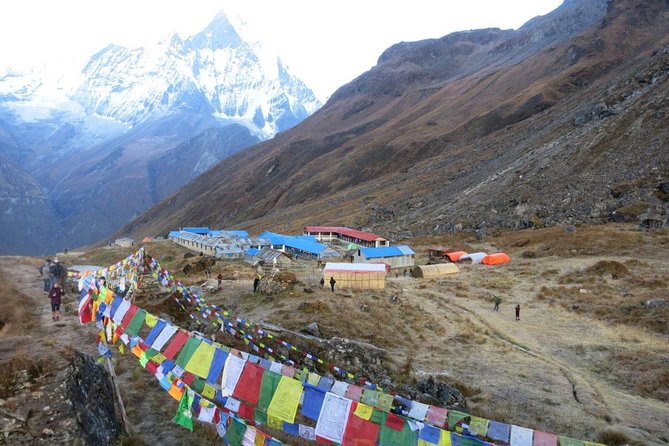
This is a tea-house/lodge trek, meaning accommodation is arranged in local lodges each night. In Kathmandu and Pokhara, you get two nights each on a twin-share bed and breakfast basis. On the trek, your nights are in local lodges for 9 nights with full-board meals included.
Rooms are typically simple, with narrow twin beds. That doesn’t sound glamorous, but it’s the honest trade: you’re staying in the middle of the route, not commuting from the nearest hotel with Wi‑Fi and hot showers. If you’re flexible and you pack well, these nights can be surprisingly cozy.
Food is also a big part of value here. Since meals are included on trek days, you don’t get hit with constant cash decisions mid-hike. You’ll still likely want to buy extras occasionally (chocolate, soft drinks, beer), but your main energy comes from included meals plus the snack supply.
One detail I really like: the trek includes energy supplies like Snickers, Mars, Bounty, plus fresh fruits on the trek. It’s small, but it helps you keep your calories up when appetite dips under altitude stress.
Water is another practical point. You should plan on drinking about 3 liters per day while trekking. The Annapurna region uses Euro-guard filters, so you can refill from safe sources with your own bottle rather than relying on bottled water the whole time.
Altitude strategy and safety: what keeps this from feeling reckless
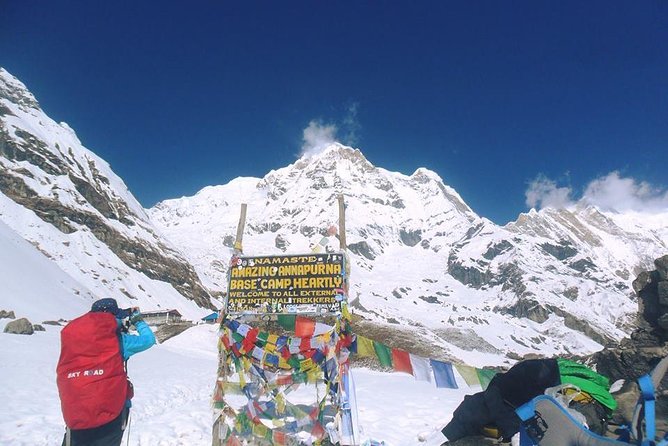
This trek is planned with acclimatization in mind, even though Annapurna Base Camp sits at a little over 4,000m. You’re walking up and down, and the schedule avoids the classic mistake of rushing straight to the highest point.
In real life, that means slow pacing and plenty of breaks. Your guide’s job is not just route knowledge—it’s keeping you at a sustainable effort level. The included guidance by a licensed Sherpa matters most when your body starts negotiating with you.
Safety is handled as a priority rather than a slogan. You may need flexibility if weather or health risk changes the plan. This kind of backup thinking is smart in the Himalaya, where conditions can turn fast.
A key point for your own planning: you should have a moderate physical fitness level. This isn’t a stunt trek, but it is sustained hiking with altitude. If you’ve done multi-day hikes before, you’ll likely feel at home. If you haven’t, start training now and don’t wait for the mountains to teach you everything.
Guide, porter, and group size: why the trek feels easier than it looks
This is a private tour/activity, so only your group participates. That can make a huge difference in how relaxed the daily pace feels, especially if you’re with friends, family, or a mixed-experience group.
You’ll have an English-speaking experienced Sherpa guide and a porter setup: one porter for every two trekkers. Translation: you can hike with a lighter load, which helps when the trail turns steep or your energy drops at altitude. Porters also take care of their portion of logistics, which means fewer “What do we do now?” moments.
In past trekkers’ stories, guides were praised for being super supportive and attentive, including with teenagers. That’s exactly the kind of human detail you want on a trek where your body and head both need steady reassurance.
Price and value: what $1,250 covers and whether it feels fair
At $1,250 per person, this isn’t a budget bargain, but it also isn’t just “pay for a guide.” A big chunk of the value is in what’s included:
- Kathmandu and Pokhara accommodation (two nights each) on twin-share bed and breakfast
- Tea-house lodge accommodation during the trek (9 nights) plus full-board meals
- A licensed English-speaking Sherpa guide
- Porters (one porter for 2 trekkers)
- Trek staff costs: salary, insurance, food, and accommodation
- Permits (Annapurna Conservation Fee, TIMS, and required official documentation)
- Ground transfers Kathmandu–Pokhara–Phedi and Nayapul–Pokhara–Kathmandu
- Basic on-trail support items: first aid kit, snack energy supplies, and fresh fruit
When I look at value like this, I see less risk for you. You’re paying for the structure: permits handled, lodges arranged, transport timed, and meals included where it matters. The money you save isn’t just cash—it’s fewer unknowns.
What’s not included is also clear: your personal travel insurance, Nepal entry visa fee, and city lunch/dinner, plus beverages. So budget extra for snacks and drinks you want on the trail.
Best season, weather reality, and what you should pack
The best times for Annapurna trekking are spring (February to late April) and autumn (late September to late November). Winter trekking is also possible for portions like Ghorepani, Poonhill, Ghandruk, Annapurna Base Camp, and Kali Gandki, but you should expect colder conditions and plan layers.
Packing should focus on altitude and temperature swings more than fashion. You’ll want warm layers, rain protection, and a good hat and gloves mindset for the higher days around Machhapuchre Base Camp and ABC.
Also plan hydration and a simple water strategy: bring your bottle, refill with the filters available on the route, and keep your 3-liter-per-day goal in mind. If you’re inconsistent with drinking, altitude feels harder.
Should you book Annapurna Base Camp for 14 days?
If you want the Annapurna Base Camp experience with a calm, structured pace, I’d say yes. This trek’s biggest strength is how it treats altitude as something you manage, not something you gamble with. The combination of licensed guide support, porter help, tea-house lodging, and built-in acclimatization makes it a strong choice for first-time ABC trekkers and even groups that include teenagers.
I’d only hesitate if you’re looking for an ultra-light, minimalist hike, or if you want guaranteed easy weather and zero cold. Mountain conditions can change, and the schedule depends on safe trekking decisions.
If you can handle steady multi-day hiking and you want to earn those 4,000m views the right way, book it and focus on walking smart. The rest gets easier.
FAQ
Where does this trek start and end?
It starts at Thamel in Kathmandu and ends back at the same meeting point in Kathmandu.
How long is the Annapurna Base Camp trek?
The duration is about 14 days.
What’s included in accommodations?
You get two nights in Kathmandu and two nights in Pokhara with breakfast, plus 9 nights in local tea houses during the trek with meals included.
Are meals included?
Full-board meals are included during the trekking days. Lunch and dinner in cities are not included.
Do I need a porter?
Yes, you’ll have porter support set up as one porter for two trekkers.
Are permits and conservation fees covered?
Yes. The package includes Annapurna Conservation Fee, TIMS permits, and required permits or official documentation.
What about drinks and water?
Beverages like soft drinks, mineral water, boiled water, and beer aren’t included. For trekking water, you can refill using Euro-guard filters, and you should aim to drink about 3 liters per day.
What type of guide do I get?
You get an English-speaking experienced Sherpa guide who is government trained and licensed.
What time of year is best to go?
Spring (February to late April) and autumn (late September to late November) are the best seasons. Winter trekking is also possible for some parts, including Annapurna Base Camp.