REVIEW · KATHMANDU
Everest Gokyo Lake Trek
Book on Viator →Operated by Accessible Adventure Pvt. Ltd · Bookable on Viator
There’s something about Gokyo Lakes that feels unreal. This Everest region trek wins you over fast with turquoise glacial lakes framed by 8000-meter peaks, and a big payoff view from Gokyo Ri early in the morning. My main caution is practical: part of your plan depends on the Kathmandu–Lukla–Kathmandu flights, and the trek also asks for a moderate fitness base.
What I like even more is how the trip is set up to keep you comfortable up high: you get a highly experienced guide, a porter team (including a 1 porter for two people setup), and gear support like a down jacket and sleeping bag. You’ll still want to budget extra for meals and tea/coffee during the trek, since those aren’t included—plus tips for staff.
In This Review
- Key things that make this Everest Gokyo Lake Trek special
- The big picture: what this trek really is about
- Day 1 in Kathmandu: land, settle, get ready
- From Kathmandu to Phakding via Lukla: the “real starts now” day
- Namche Bazar: the acclimatization base camp you’ll appreciate later
- Everest View Hotel + Sherpa Culture Museum day: classic altitude views with context
- The Kyangjuma–Dole stretch: rhododendrons, rhododendron air, and serious views
- Gokyo Lakes day: the steep moraine climb is worth it
- Gokyo Ri morning: your knees will notice, your eyes won’t
- Downhill days: choosing the mountain experience over rushing home
- Lukla and the descent to greener air: recovery happens here
- Kathmandu finale: hotel comfort, farewell dinner, and a clean landing
- Value and cost: what $1,290 is buying you (and what to budget)
- Who this trek suits best
- Should you book this Everest Gokyo Lake Trek?
- FAQ
- Where does the trek start and end?
- What time does the experience start?
- How many days is the Everest Gokyo Lake Trek?
- What flights are included?
- Is pickup included in Kathmandu?
- What accommodation is included during the trek?
- Are private bathrooms included?
- What trek permits are included?
- What gear is provided?
- What meals are included vs not included?
- What’s not included that I should budget for?
Key things that make this Everest Gokyo Lake Trek special
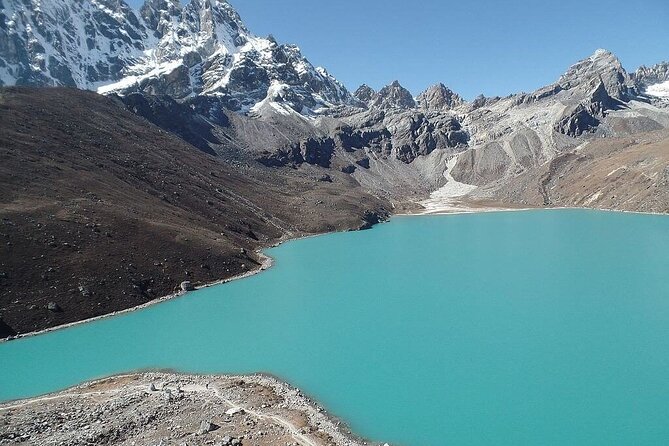
- Turquoise lake time: you explore multiple Gokyo Lakes, with the third lake Dudh Pokhari, fourth lake Thonak Tsho, and fifth lake Ngozumpa Tsho called out as main highlights.
- Gokyo Ri sunrise-style viewpoint: early wake and a steep climb for panoramic views of Everest, Cho Oyu, Lhotse, Makalu, and more.
- Ngozumpa Glacier walk + story moment: you get time around the glacier and hear crew stories (including a Bigfoot/Yeti-style tale).
- Smart acclimatization pacing: Namche Bazar includes two days to adjust before you push higher toward Gokyo.
- Comfort upgrades where it counts: private bathrooms are provided in Phakding, Namche, and Lukla.
- Limited group size: max 20 travelers, which usually helps keep the trek feeling organized and not chaotic.
The big picture: what this trek really is about
The Everest Gokyo Lake Trek is not just a scenic hike in the Khumbu. It’s a swap: instead of focusing on Everest Base Camp territory, you head toward the Gokyo Valley and the lakes—then you earn the big views from Gokyo Ri. If your goal is to see the Everest–Cho Oyu–Lhotse skyline as cleanly as possible, this route makes a strong argument.
You’ll spend your days walking through classic Sherpa-world terrain: pine and cedar forest lower down, then rhododendron and pasture-like kharkas as you go higher. The routine is simple, but altitude changes everything. The trek keeps you moving, then gives you the breathing room you actually need—especially around Namche Bazar.
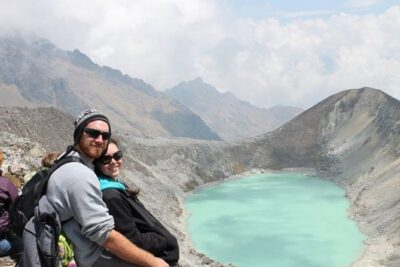
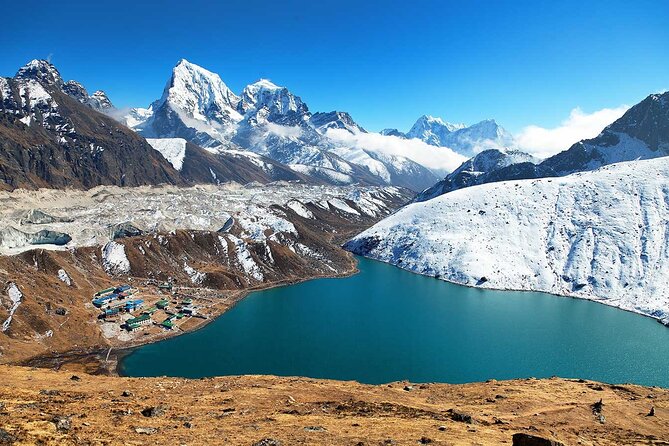
And yes, the lakes are the main character. They’re turquoise glacial basins sitting under huge mountain walls. The second you get that first clear lake view, you start to understand why people come back to this valley year after year.
You can also read our reviews of more tours and experiences in Kathmandu.
Day 1 in Kathmandu: land, settle, get ready
Your trek starts with pickup at Tribhuvan International Airport in Kathmandu, followed by a private-vehicle transfer to your hotel. Even though this is just your arrival day, it matters. You’re trying to start this trip calm, with time to organize small items (passport photos if you need them for permits, charging cables, layers, and the usual trekking essentials).
This also sets a good tone for the whole experience: the program uses an early airport meeting, and it keeps logistics tied to Kathmandu.
From Kathmandu to Phakding via Lukla: the “real starts now” day
The trek’s legs really begin when you go from Kathmandu to Lukla. Even if you’ve flown in mountains before, Lukla is its own thing because the airfield sits very high, and the runway is short with a noticeable elevation change between ends. It’s the kind of flight that makes you fully pay attention.
Then you hike to Phakding. This is a first taste of the Khumbu feel—green surroundings, river crossings, and early views of peaks like Kusum Kangraru. You’ll spend about four hours on the trail, which is a good way to settle into walking with a pack.
A small but meaningful comfort detail: your lodging in places like Phakding includes private bathrooms as part of the included setup. That’s not luxury for its own sake—it helps your body recover at night and makes the trip feel less stressful.
Namche Bazar: the acclimatization base camp you’ll appreciate later
From Phakding, you follow the Dudh Koshi river upward through pine and cedar forest to Namche Bazar. Namche isn’t just a pretty stop—it’s a historic trading hub where Nepalese and Tibetan traders exchanged goods like salt, dried meat, and textiles. Even today, it’s the kind of town where markets and gear shops keep you stocked up.
You’ll spend two days in Namche for acclimatization. I love this part of the plan because it’s not a rushed “tick the box” approach. Those two days mean you can adjust, walk a bit, and learn how your breathing changes as you gain altitude. On the hikes out of Namche, you also get early glimpses of Everest and neighboring peaks. That keeps motivation high while your body catches up.
Practical note: Namche can feel busy compared to smaller villages, but it’s also where you’ll have a real chance to stock up on trekking supplies you might discover you forgot.
Everest View Hotel + Sherpa Culture Museum day: classic altitude views with context
After Namche, you get a dedicated acclimatization day that climbs to Syangboche Airport (around 3700m), described as the highest airport in the world. Then you go higher to the Everest View Hotel for panoramic viewpoints of Everest, Lhotse, Ama Dablam, Tawache, and more.
On the way back, you visit the Sherpa Culture Museum and the Everest Photo Gallery. This is smart pacing: your eyes get the peaks, then your brain gets the human context behind them. It also gives you a bit of variety when you need a break from constant trail time.
Expect about four hours on the plan for this day. It’s not designed to exhaust you—it’s designed to help you adjust and still feel like you’re progressing.
The Kyangjuma–Dole stretch: rhododendrons, rhododendron air, and serious views
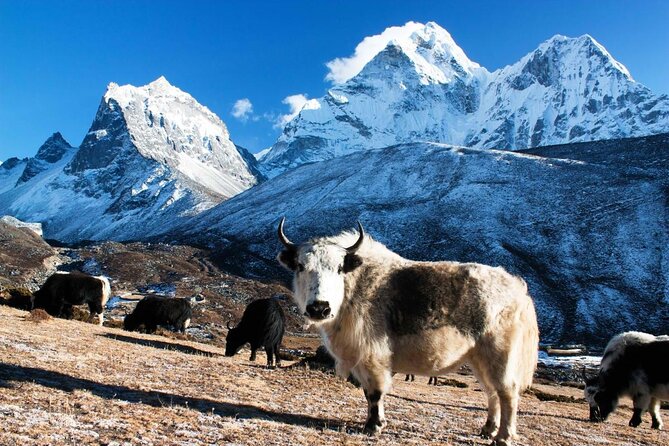
Next comes a day focused on route scenery and elevation change. You’ll hike through rhododendron forests, then higher zones shift toward juniper and conifers. The trail also passes kharkas, which are summer settlements used when Sherpas graze yaks at higher elevations. This is one of those walking days where you start noticing that you’re moving through working mountain life, not only scenery.
You pass Tongba (around 3950m) and Gyele (around 3960m), then continue to Dole, where there are a few hotels. Along the way, the views of Khumbila and Tawache are described as incredible throughout the day, which makes this a good day to keep your camera ready—but also your legs honest.
You’ll spend about five hours. If you’re the type who wants to feel like you’re earning every viewpoint, this day delivers.
Gokyo Lakes day: the steep moraine climb is worth it
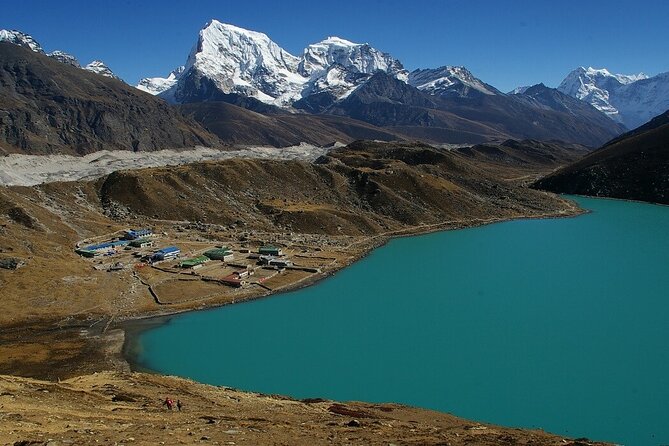
This is where the trek starts feeling distinctly different. You’ll climb a ridge for a view down the valley toward Kantega and up toward Cho Oyu. Then the route passes through Pangka (about 4390m) before descending to the riverbank.
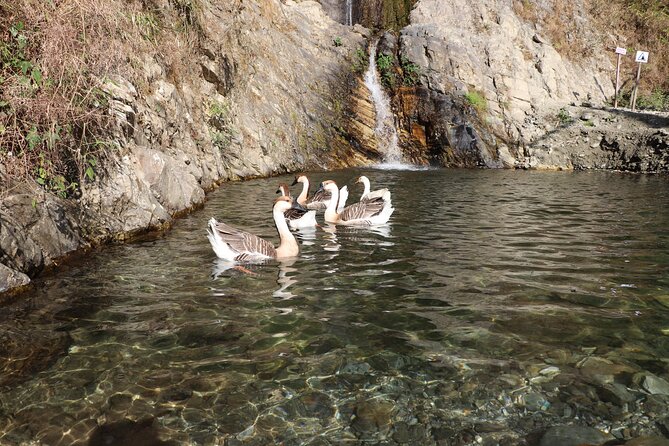
After that, you begin the climb toward the Ngozumpa Glacier’s terminal moraine. This section is steep and includes switchbacks along the stream to reach the first small lake (around 4650m). An interesting detail here: the itinerary notes a family of green brainy ducks living near that lake. Whether you spot them or not, it’s a reminder that the lakes aren’t just backdrops—they have life and micro-ecosystems around them.
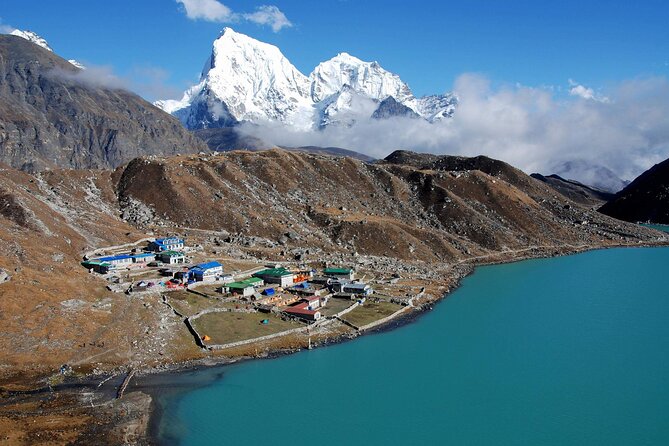
You’ll reach the main lake area after about four hours. Lodging is in twin-sharing lodge rooms, and the itinerary highlights best-available lodge accommodation during the trek. The big value of this day is that it turns your altitude effort into immediate visual payoff.
Gokyo Ri morning: your knees will notice, your eyes won’t
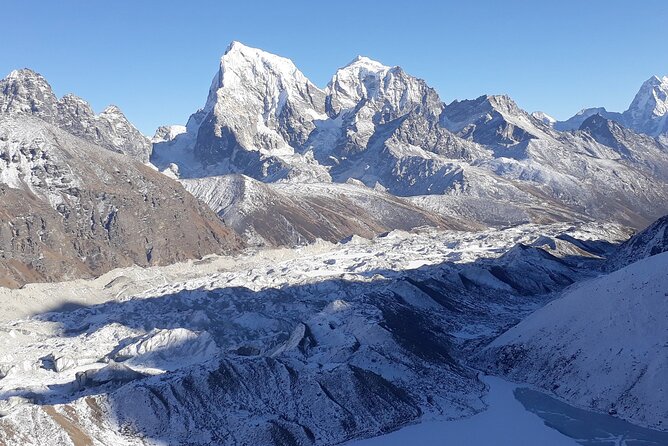
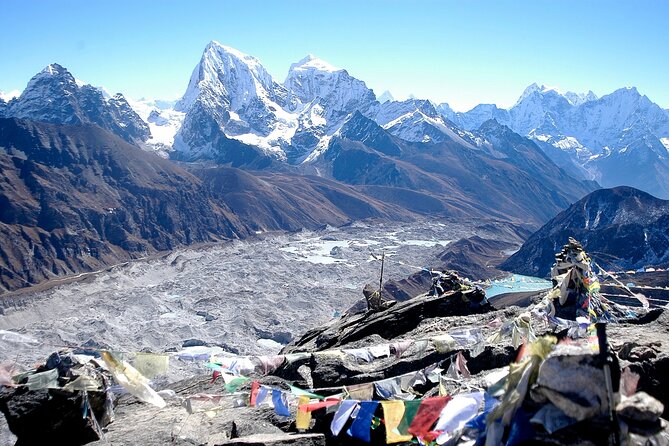
This is the signature moment. You wake early, then climb up to Gokyo Ri, with the top taking about two hours of climbing. From the viewpoint, you get panoramic views across the Mahalangur Himalaya range, including Cho Oyu, Gyachung Kang, Everest, Lhotse, Makalu, Cholatse, Tawache, and the Ngozumpa Glacier.
It’s also your best chance to see how the valleys and glaciers connect visually. You’re not only looking at peaks—you’re reading the terrain.
The plan notes about six hours total for this day, which suggests more time for the descent and lake-area walking afterward. If you’re thinking about gear, this is the day when you’ll be grateful you have a down jacket and sleeping bag provided. Cold mornings hit hard even when days feel manageable.
Downhill days: choosing the mountain experience over rushing home
After Gokyo Ri, your trek follows downhill with views back toward Cho Oyu. You’ll also pass waterfalls and spend time among Himalayan flora and rhododendron trees, especially in spring when blossoms are noted. The route includes opportunities for snowy peak views of Amadablam, Tawache, Thamserku, and even a far view toward Tengboche from Mongla.
Then you carry on to Sansa to connect back to the main Everest trail, walking to Namche Bazar again. This is one of the best parts of any trek: returning on the same corridor makes you feel like you’re traveling through memory. You’re seeing earlier places from new angles, after your body has learned the altitude rhythm.
Plan time is about six hours. The “work” is real, but the emotional payoff is calmer. You’re moving, but you’re also absorbing the mountain.
Lukla and the descent to greener air: recovery happens here
From Namche, you walk back the route you came up earlier. You cross the Dudh Koshi river multiple times on suspension bridges, then head toward Jorsale at ground level of the Himalayas, where the area becomes more greener and denser.
This downhill stretch can feel easier day-to-day, but it’s still real walking. Downhills ask for careful pacing so your knees don’t complain. The good news is that the breathing gets easier as you drop in elevation.
By the time you reach Lukla, you also get some breathing room to handle practical items like Everest souvenir shopping in Namche Bazaar before your flight. The overall plan gives you about seven hours for this day.
Then it’s back to Kathmandu by morning domestic flight, timed for clearer early conditions (the program specifically schedules flights in the morning when weather is best). Again, this is the part of the trip that depends on flight operations, so keep your day flexible in Kathmandu too.
Kathmandu finale: hotel comfort, farewell dinner, and a clean landing
Once you’re back in Kathmandu, you’ll assist with hotel check-in. After that, you’re invited to a farewell dinner at a cultural restaurant near Thamel. Then you stay overnight with breakfast and farewell dinner included.
This final night matters more than people think. You’ve spent days on the trail, then you still need a decent meal, showers, and sleep that doesn’t involve negotiating layers in a lodge room. The program is set up so you don’t rush out the moment the trek ends.
On the last day, your representative transfers you to the international airport about three hours before your scheduled flight. That’s exactly the kind of timing buffer I like—especially after a trek where you’ve already been managing altitude and energy.
Value and cost: what $1,290 is buying you (and what to budget)
At $1,290 per person for an 11-day Everest Gokyo Lake Trek, the value looks best when you break down what’s covered and what’s not.
What you get for the price
- Round trip flights Kathmandu–Lukla and Lukla–Kathmandu (including departure taxes)
- Private-vehicle ground transport in Kathmandu plus airport transfers
- Two nights in a 3-star category hotel in Kathmandu with breakfast
- Best-available twin-sharing lodge accommodation during the trek, including private bathrooms in Phakding, Namche, and Lukla
- One highly experienced guide and porter support (porter ratio: 1 porter for two people)
- Gear use: down jacket and sleeping bag
- Park and trek paperwork: Sagarmatha National Park permit fee and TIMS fee
- Trekking map and trip achievement certificate
- Duffle bag, first aid medicine kit, and staff accident insurance
- Group size capped at max 20 travelers
What you should plan to pay separately
- Tips/gratuities for trekking staff and drivers
- Three daily meals with tea/coffee during the trek (the program specifically lists this as not included)
- Any GST is not included (listed as not included)
- Fuel surcharge is also not included
My take: you’re paying for a proper support system—especially guides, permits, and the logistics of getting to Lukla and back. The main “hidden” budgeting area is food on the trek and gratuities. If you budget for those early, the overall cost feels much more predictable.
Who this trek suits best
This program states travelers should have moderate physical fitness. That’s a good match for most people who can hike a full day at high altitude without sprinting. You’ll have steep sections, including the moraine climb toward the Ngozumpa Glacier area and the uphill effort to Gokyo Ri.
You’ll also enjoy this trek if you like a plan that balances:
- big views
- acclimatization time (Namche takes care of you)
- storytelling and cultural stops (Sherpa Culture Museum and the glacier story moment)
- a small-ish group size (max 20)
If you want Everest-area panoramas but prefer turquoise lakes and ridge viewpoints over a more crowded Base Camp style experience, the Gokyo angle is a smart fit.
Should you book this Everest Gokyo Lake Trek?
I’d book if you want a route where the day-to-day hiking leads to a sequence of visual payoffs: lakes in the Gokyo Valley, then a signature viewpoint from Gokyo Ri, then glacier scenery and a calmer downhill return. The inclusion of permits, gear (down jacket and sleeping bag), and porter support makes it easier to travel light and walk smarter.
I’d think twice if you’re tight on budget for on-trail meals and tips, or if you know you’re uncomfortable with the flight dependency of getting to Lukla. For most people with moderate fitness and a realistic altitude mindset, it’s a high-value way to experience the Everest region without losing the plot.
FAQ
Where does the trek start and end?
It starts at Tribhuvan International Airport in Kathmandu, Nepal, with an airport representative pickup. It ends back at the meeting point, with an airport transfer to depart for onward travel.
What time does the experience start?
The start time is listed as 6:30 am.
How many days is the Everest Gokyo Lake Trek?
It’s about 11 days.
What flights are included?
Round trip flights are included: Kathmandu to Lukla and Lukla to Kathmandu, including departure taxes.
Is pickup included in Kathmandu?
Yes, pickup is offered, including airport transfers by private vehicle.
What accommodation is included during the trek?
You get best-available twin sharing lodge accommodation during the trek, plus two nights in a 3-star hotel in Kathmandu with breakfast.
Are private bathrooms included?
Private bathrooms are provided in Phakding, Namche, and Lukla.
What trek permits are included?
Sagarmatha National Park permit fee and TIMS fee are included. You’ll need to bring two passport size photos for the permit.
What gear is provided?
Down jacket and sleeping bag use are included for the trekking days.
What meals are included vs not included?
Breakfast is included for Kathmandu nights, and breakfast is also included on the final day. During the trek, three daily meals with tea/coffee are listed as not included.
What’s not included that I should budget for?
Not included items include trekking staff tips/gratuities, three daily meals with tea/coffee during the trek, GST, and fuel surcharge.