REVIEW · KATHMANDU
Kathmandu: 10-Day Adventurous Annapurna Circuit Trek
Book on GetYourGuide →Operated by Himalayan Nomad Treks Pvt. Ltd. · Bookable on GetYourGuide
There’s a moment when the mountains go quiet. This 10-day Annapurna Circuit is built around that feeling—moving from village trails to the big edge of Nepal, the Thorong La Pass at 5,416m—with culture stops and high-altitude days that actually make sense.
I like that this trip gives you a clear rhythm: drive in, trek day by day, add an acclimatization break in Manang, then commit to the pass with an early start.
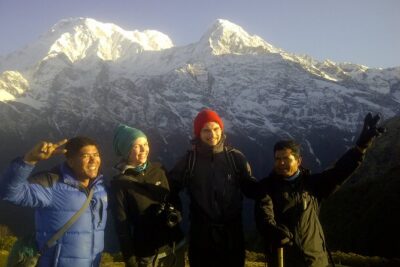
I especially love two things: first, the way the itinerary sets you up for altitude without rushing (that Manang rest day is the key). Second, the mix of views and real village life—think suspension bridges, forest tracks, mountain-gazing in Upper Pisang, and temple time in Muktinath. Guides like Keshab, Mahesh, Prakash, and Milani show up in past experiences with a common theme: keep you informed, manage pace, and get you to the best viewpoints without turning the trek into a race.
One consideration: this is strenuous, cold at altitude, and it’s not suitable for pregnant women. If you’re not comfortable with long climbs and a very long pass day, you may feel it the most on Thorong La day (up to about 12 hours on foot).
In This Review
- Key Things That Make This Trek Worth Your Time
- Thorong La at 5,416m: The Moment This Trip Keeps Promising
- From Kathmandu to Besisahar to Dharapani: The Drive That Sets Your Pace
- Chame and Upper Pisang: Forest Trails, Bridges, and Viewpoints
- Manang: The Acclimatization Day That Makes the Pass Feel Possible
- Yak Kharka to Thorong Phedi: High Pastures and a Real Pre-Pass Warm-Up
- Thorong La Pass to Muktinath: Start Early, Expect the Long Day
- Muktinath to Jomsom: A Drop in Elevation and a Switch in Scenery
- Jomsom to Pokhara: The Windy Finish and the Comfort Reset
- What’s Included (and Why the Price Looks Fair for a 10-Day High Mountain Trek)
- Real-World Comfort: Tea Houses, Basic Lodgings, and How to Pack for Cold Mornings
- Who Should Book This Annapurna Circuit Trek (and Who Should Not)
- Should You Book This Annapurna Circuit Trek?
- FAQ
- How high is Thorong La Pass on this trek?
- How long is the trek and what are the main segments?
- Is an English-speaking guide included?
- Are porter services included in the price?
- Are meals included?
- What are the accommodations like during the trek?
- What do I need for the trek packing list?
- Is travel and rescue insurance included?
Key Things That Make This Trek Worth Your Time
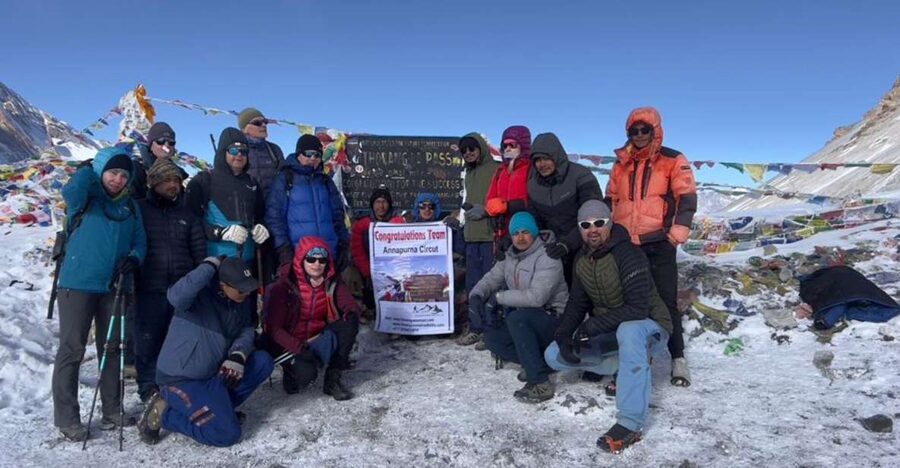
- Thorong La Pass crossing built around an early start and a huge altitude target (5,416m)
- Manang acclimatization day so you can rest, explore the village, and reduce altitude risk
- Village-to-high-pasture progression (Dharapani → Chame → Upper Pisang → Manang → Yak Kharka)
- Muktinath after the pass: a spiritual stop that helps break up the intensity
- Jomsom in Mustang feel: drier, more arid scenery and a windy town vibe
- Comfort upgrades at the end: a tourist-standard luxury hotel night in Pokhara (Hotel Orchid)
Thorong La at 5,416m: The Moment This Trip Keeps Promising
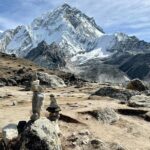
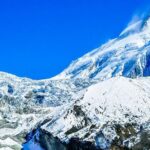
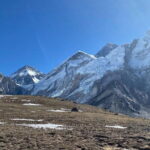
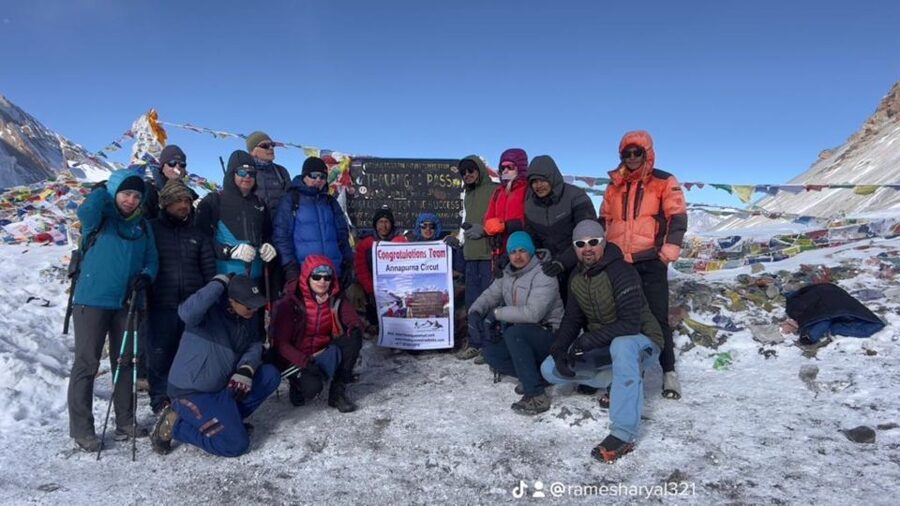
The Annapurna Circuit is popular because it has variety. But the real headline is Thorong La Pass. You’re targeting 5,416m / 17,769 ft, and the trek is structured so that the pass day doesn’t come out of nowhere.
What matters for you is how that altitude changes the hike. At higher elevations, the air gets thinner, temperatures drop, and your body asks more questions. This itinerary doesn’t just “hand you altitude”—it staggers it: you climb in stages, then you get an acclimatization day in Manang, then you push from Yak Kharka to Thorong Phedi (the pass base camp) before the summit push.
You should also know the pass day is the longest one. The plan is early start to Thorong La, then a long descent to Muktinath. The payoff is the kind of high-mountain scenery that makes you stop talking, even if your legs are still arguing with you.
You can also read our reviews of more tours and experiences in Kathmandu.
From Kathmandu to Besisahar to Dharapani: The Drive That Sets Your Pace
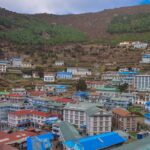
Your trip starts with transport that nudges you into trekking mode fast. You’re driven from Kathmandu to Besisahar on a bus, then you continue toward Dharapani on a shared Jeep. The day is long—about 10 hours of driving—so it’s not a “sleep in and ease into it” day.
This matters because your first trekking day is only about 1800m in Dharapani. In real life, that means you’ll want to treat Day 1 like a warm-up: stay hydrated, keep your layers ready, and don’t use the bus/Jeep time to overpack your body with heavy food. If you’re the type who gets impatient on long rides, bring something for small mental breaks—music, a book, or just a quiet plan for tomorrow.
Also: you’re dealing with shared transport. It’s part of the adventure, but it can be rougher than private travel—expect bumps, variable timing, and the general “this is Nepal” vibe.
Chame and Upper Pisang: Forest Trails, Bridges, and Viewpoints
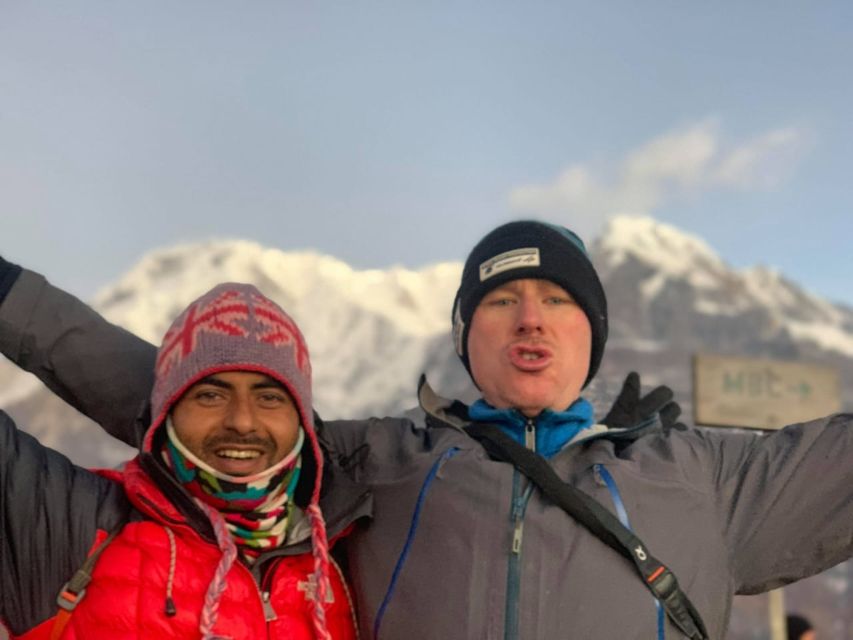
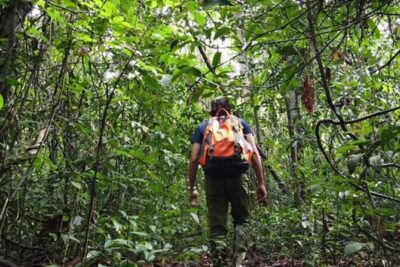
Day 2 takes you from Dharapani (1800m) to Chame (2,670m) on about a 6-hour trek. The route climbs through forests and includes suspension bridges. That mix is useful for you: forest shade helps your body regulate heat early, and bridges give you a different kind of footing challenge (your brain gets to focus on safe steps instead of pure altitude panic).
Day 3 goes from Chame to Upper Pisang (3,300m) for another 6-hour trek. Upper Pisang is known for mountain views and for feeling like a real village stop, not a scenic postcard only. You’re in an area where local traditions show up in everyday life—so take breaks in the places you’d normally just pass by quickly. Buy a simple drink if it helps you rest; say hello; look up from your feet sometimes.
The practical drawback here: as you gain elevation, distances feel longer even when hours are similar. Keep your effort steady. If you go too hard, you’ll pay later—possibly on the Manang day or on the run-up to Thorong Phedi.
Manang: The Acclimatization Day That Makes the Pass Feel Possible
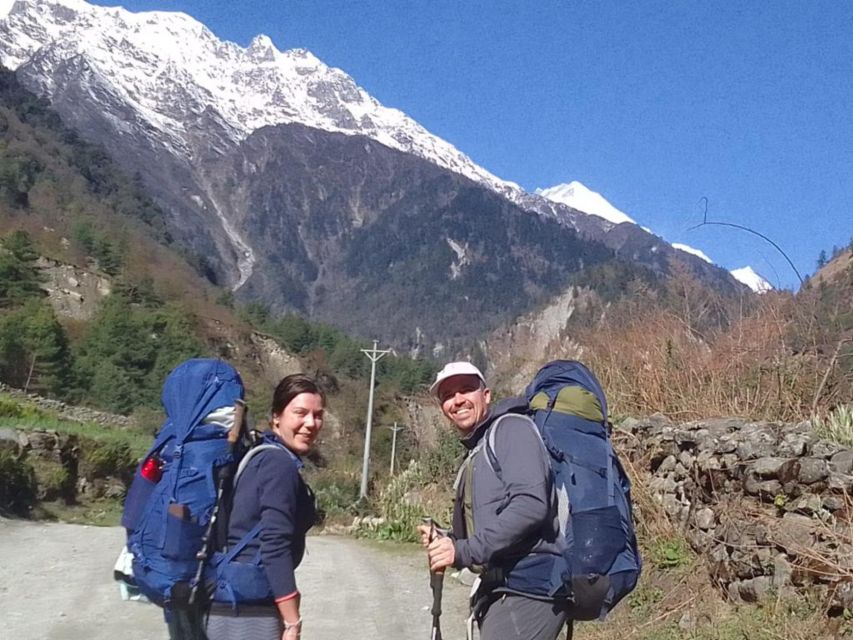
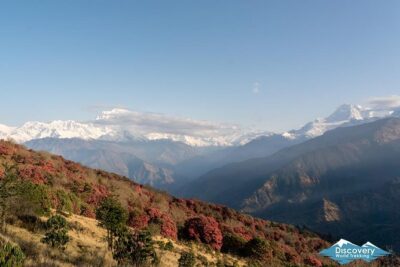
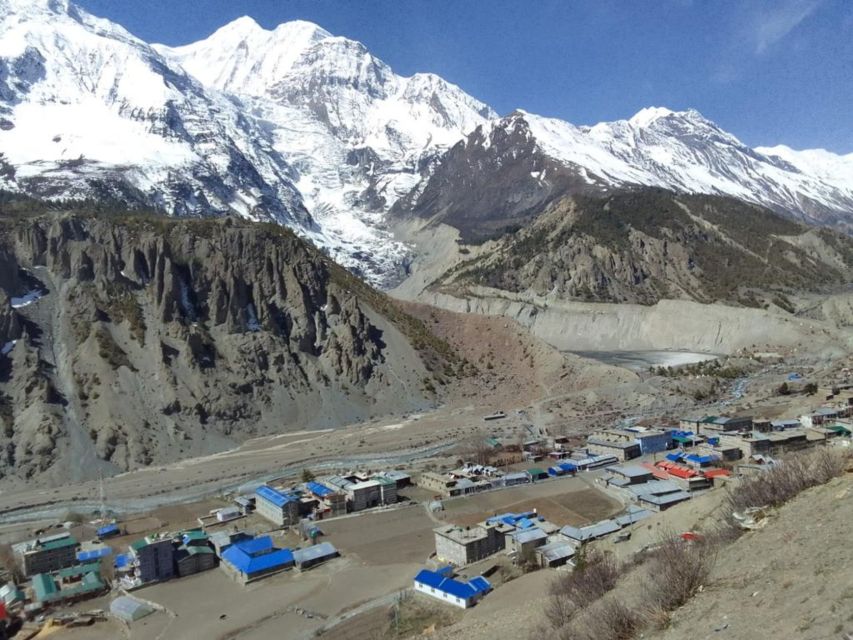
Day 4 climbs from Upper Pisang (3,300m) to Manang (3,540m) in about 6 hours. You’re moving into a broad valley with major peaks showing around you—Annapurna II, Annapurna III, and Gangapurna. This is the part of the trek where the scenery starts looking like it belongs on a wall poster, but you still have work to do.
Then comes the smartest part of the whole schedule: Day 5 is an acclimatization day in Manang. You rest, explore the village, and enjoy the panoramic mountain views—without pushing upward again. This is where you should use your brain, not just your legs.
How to use this day well:
- Walk gently around the village areas if you feel good, but don’t treat it like a “bonus hike.”
- Hydrate and eat normally for you (no need for hero meals).
- If you’re feeling headaches, nausea, or unusual fatigue, take it seriously and stay low.
This is also the kind of day where a good guide makes the difference. Past guides named in experiences—like Mahesh and Prakash—are described as careful about altitude management and pacing. That matters, because the body’s signals are not something you want to ignore in the thin air.
Yak Kharka to Thorong Phedi: High Pastures and a Real Pre-Pass Warm-Up
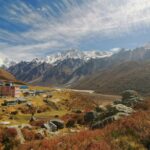
Day 6 takes you from Manang to Yak Kharka (4,050m) for about 6 hours. Yak Kharka is a grazing pasture surrounded by mountains. Expect a shift in environment: more open air, more alpine feel, and a quieter landscape than the earlier village days.
Day 7 continues from Yak Kharka to Thorong Phedi (4,450m) in about 6 hours. This is the pass base camp area, so you’re now in the zone where preparation becomes part of your hiking. You’re likely to feel cooler temperatures at night and possibly windier conditions depending on weather.
This is where you should check your gear routine:
- Layers ready for early cold mornings
- Sunglasses and sunscreen (high altitude glare is real)
- Trekking poles if you use them (they can save your knees on descents later)
- Flashlight/headlamp for early departures
- Water plan (and keep it simple: carry enough for comfort, and follow your guide’s practical advice)
One more point: these days can feel mentally long even if they aren’t the most dramatic hours. Use the time to slow down. Your legs will thank you on Day 8.
Thorong La Pass to Muktinath: Start Early, Expect the Long Day
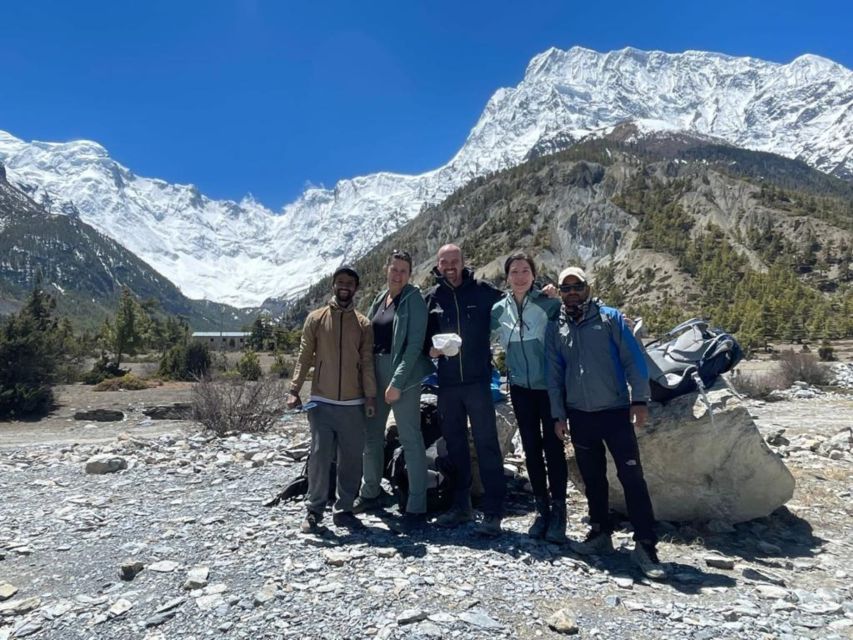
Day 8 is the big one: Thorong Phedi to Muktinath via Thorong La Pass (5,416m). The trek is listed as about 12 hours, so plan your energy accordingly. The itinerary notes a rewarding ascent and panoramic views during the pass crossing, followed by a descent to Muktinath.
This day is a balancing act for you:
- The ascent asks for patience at altitude.
- The descent asks for leg strength and good footwork.
- Your breathing and hydration matter almost as much as your speed.
Muktinath breaks up the day in the best way. After the pass, you’re descending to a sacred pilgrimage site for Hindus and Buddhists, and you can explore the village. That change of pace—mountain effort to cultural space—helps your brain settle. It also gives you a reason to stop walking long enough to enjoy the place, not just survive it.
If you’re the type who needs a “goal to look at,” use the viewpoint moments wisely: look up when you can, focus on your breathing, and let the pass crossing arrive rather than chase it.
Muktinath to Jomsom: A Drop in Elevation and a Switch in Scenery
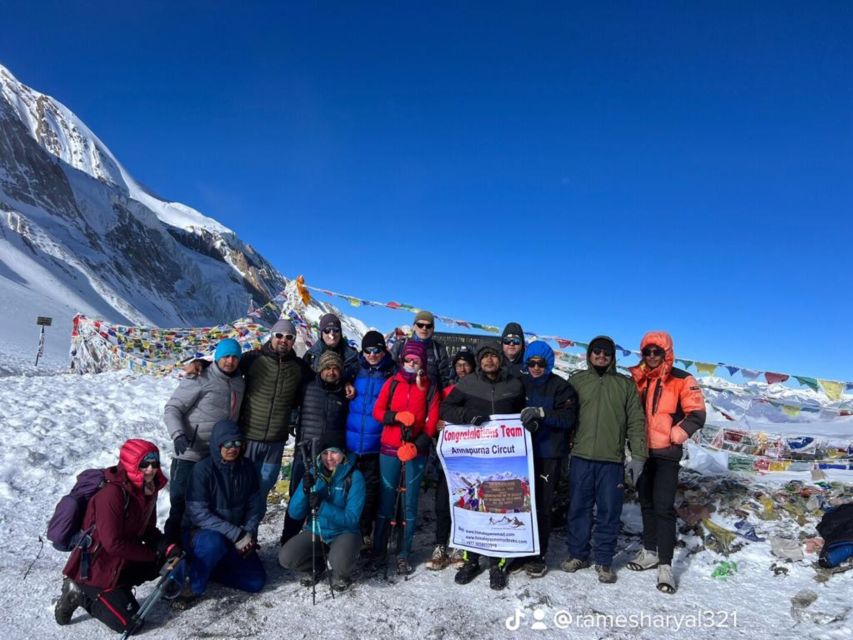
Day 9 goes from Muktinath (3,800m) to Jomsom (2,720m) in about 5 hours. You’re descending, which often feels like relief—but don’t assume it’s automatically easy. Your legs can feel stiff or heavy after the pass day, and your balance matters on uneven stretches.
Jomsom is described as a windy town in the Mustang region, and you can feel that shift. The area is more arid and desert-like compared with the earlier, greener sections. Expect a different atmosphere when you arrive: dust in the wind, different plant life, and that dry air feeling that makes you notice your water more.
This is also your “get ready to transfer” day. You’re going to shift from trekking rhythm to vehicle transport soon.
Jomsom to Pokhara: The Windy Finish and the Comfort Reset
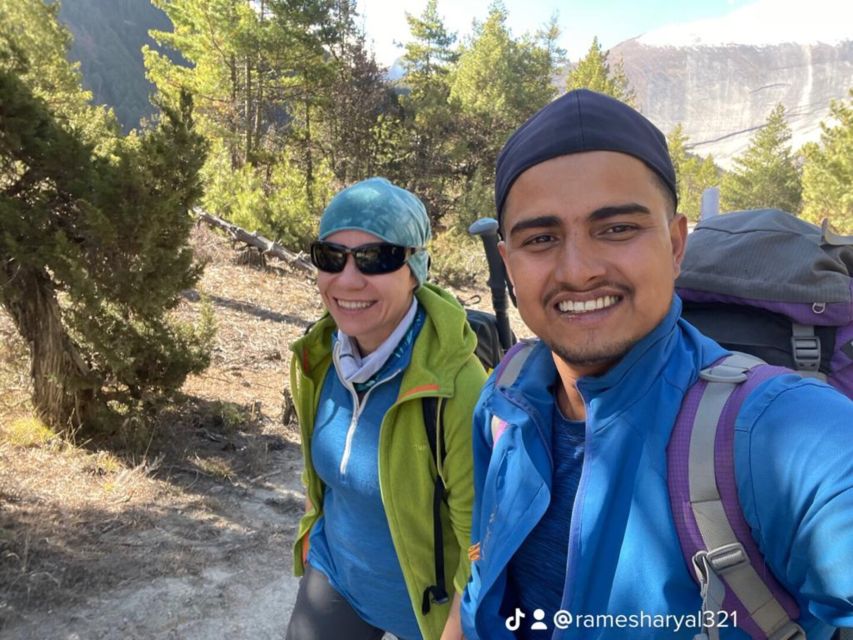
Day 10 is Jomsom to Pokhara by bus, about 8 hours of driving. The ride can be long, but it’s also your decompression window. You’re exchanging high-altitude air for lakeside comfort and mountain views in a softer way.
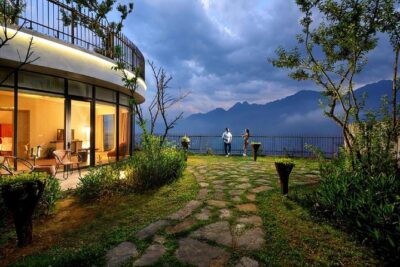
Pokhara is where you get your recovery. The included end-of-trip night is at a tourist-standard luxury hotel: Hotel Orchid. You’ll also get a farewell with a Nepalese typical dinner in Lakeside Pokhara.
This combo is practical. After a serious trek, you want a proper bed and a bit of normal shower-and-sit-down time. And you want a chance to reflect without rushing straight into a new itinerary.
What’s Included (and Why the Price Looks Fair for a 10-Day High Mountain Trek)
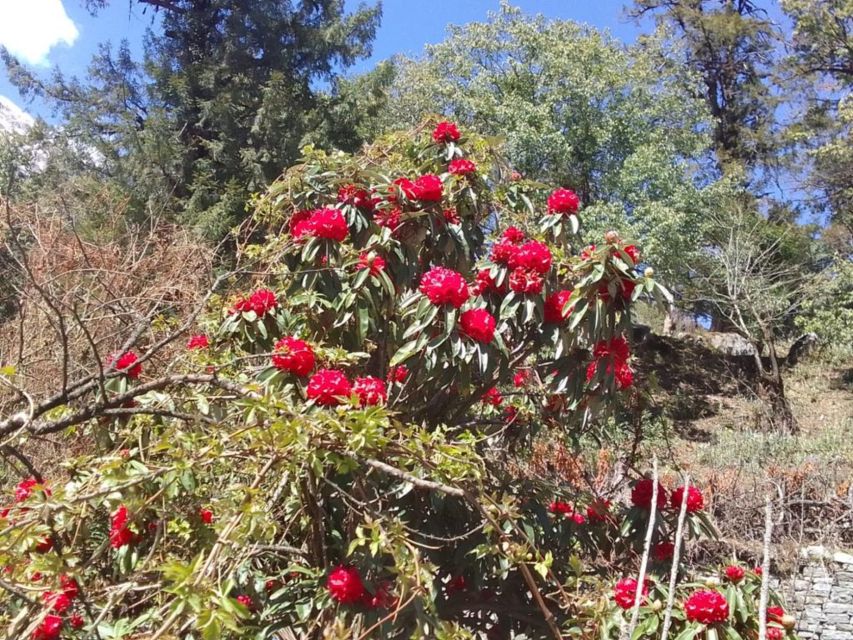
The price is listed as $467 per person for 10 days. For an Annapurna Circuit route that reaches Thorong La at 5,416m, that’s not just a low number—it’s a sign the package is focused on the essentials you can’t skip.
Here’s what you’re getting:
- A guide and trekking logistics: English-speaking authorized guide included, with staff expenses covered
- Permits and paperwork: includes trekking permits and related fees (including TIMS)
- Trek accommodation: x9 nights during the trek with comfortable lodgings
- Meals: all meals during the trek are included for the Full Package option (breakfast, lunch, dinner)
- Transfers: Kathmandu → Besisahar (bus), Besisahar → Dharapani (shared Jeep), Jomsom → Pokhara (bus)
- Luggage storage facility
- Comfort transport at the end: an AC sofa-seater tourist bus from Pokhara to Kathmandu
- A final-night upgrade: Hotel Orchid in Pokhara plus a farewell Nepalese dinner
What’s not included (and you should budget for it):
- Travel and rescue insurance (high-altitude coverage matters)
- Drinks and personal expenses
- Bottle/boiled water and extra comfort items (batteries, laundry, phone calls, etc.)
- Porter charges are extra
- International flights and Nepal visa fee
- Any extra hotel nights due to itinerary changes beyond the planned schedule
Value-wise, the best part is the structure: transportation, permits, and food are handled so you can focus on hiking and altitude decisions. The biggest variable you control is how you handle pacing and how prepared you are with gear and layering.
Real-World Comfort: Tea Houses, Basic Lodgings, and How to Pack for Cold Mornings
This route runs through village tea house style stays. The plan is “comfortable accommodation” during the trek, but you should still expect basic comforts rather than hotel polish in the Himalaya towns.
That means your packing list matters:
- Sleeping bag (listed as what to bring)
- Warm jacket and hat
- Gloves or extra layers you might not see on the list but will appreciate
- Hiking shoes and socks
- Headlamp/flashlight for early morning starts
- Sunglasses and sunscreen
- A daypack and water bottle
I also like that the itinerary includes a luggage storage facility. You can travel lighter mentally and physically, especially if you have a strong system for separating trekking clothes from warmer town layers.
One more small point: the itinerary is customizable based on trekking pace, and the guide can adjust for conditions. That flexibility helps when weather or trail disruptions show up.
Who Should Book This Annapurna Circuit Trek (and Who Should Not)
This trek fits you best if:
- You’re comfortable with sustained uphill hiking over multiple days
- You’re okay with guesthouse/tea house style lodging
- You want both mountain challenge and cultural stops (village life and Muktinath)
You should be cautious (or choose a different plan) if:
- You don’t have a base fitness level for long days (including the pass day)
- You get nervous about altitude, cold mornings, and windier environments
- You’re pregnant (explicitly not suitable)
If you’re a first-time trekker in Nepal, this kind of organized itinerary can be a great introduction—especially because the schedule includes acclimatization and doesn’t pretend Thorong La is casual.
Should You Book This Annapurna Circuit Trek?
If your goal is the classic Annapurna Circuit experience with the centerpiece being Thorong La Pass, this is a strong match. You’re paying for actual mountain logistics: permits, guides, meals (for Full Package), staged climbs, and a real acclimatization plan—not just marketing photos.
I’d book it if you’re ready to train your pace, pack for cold and wind, and take altitude seriously. I’d skip it if you want a gentle walk, perfect predictability, or a trip that avoids long hiking hours.
If you do book, do one thing well: respect Manang day. It’s the quiet “make or break” part of the itinerary—and it often decides whether the pass feels like a triumph instead of a struggle.
FAQ
How high is Thorong La Pass on this trek?
Thorong La Pass is at 5,416m / 17,769 ft.
How long is the trek and what are the main segments?
The trip is 10 days total, starting with Kathmandu to Besisahar and then trekking through Dharapani, Chame, Upper Pisang, Manang, Yak Kharka, Thorong Phedi, Thorong La Pass to Muktinath, then onward to Jomsom and finishing with transport to Pokhara.
Is an English-speaking guide included?
Yes. The tour includes an authorized English-speaking guide.
Are porter services included in the price?
No. Porter charges are mentioned as extra.
Are meals included?
All meals (breakfast, lunch, dinner) during the trek are included for the Full Package option.
What are the accommodations like during the trek?
You stay in tea/guesthouse style accommodation on the trek with basic comforts, and you also get the last night accommodation in Pokhara at a tourist standard luxury hotel (Hotel Orchid).
What do I need for the trek packing list?
You’re advised to bring essentials like a passport or ID card, sunscreen, sleeping bag, socks, daypack, camera, first aid kit, jacket, hat, water, hiking shoes, trekking gear, flashlight, and sunglasses.
Is travel and rescue insurance included?
No. Travel and rescue insurance is not included, and high-altitude coverage is important for a trek like this.