REVIEW · POKHARA
From Pokhara: Budget 2 Night 3 days Poon hill trek
Book on GetYourGuide →Operated by couch adventure nepal (CAN) · Bookable on GetYourGuide
Poon Hill is the quick-hit trek that delivers real mountains fast. I love the Annapurna and Dhaulagiri sunrise payoff from 3,210m, and I also love how the walking threads through rhododendron forests and Gurung village culture instead of feeling like a grind on a single ridge. One thing to consider: you’ll start very early for the sunrise hike, and in colder weather the pre-dawn start plus layers you didn’t pack can feel like a surprise.
In practice, this works best when you want an easy-to-manage trekking rhythm with a guide who handles permits, documents, and the teahouse rhythm so you can focus on the views. Many trekkers specifically name guides like Prakash, Birendra Thapa, Kabindra, and Bikram for being attentive and making solo travelers feel safe and supported.
In This Review
- Key highlights you’ll feel on the trail
- Where Poon Hill sits in the Annapurna universe
- Value and what you’re really paying for
- Day 1: Pokhara to Kilu, then into the forest toward Tadapani
- Why this day is worth your energy
- Possible drawback: longish first-day climb
- Day 2: Tadapani to Ghorepani, with the pre-sunrise focus already on your mind
- Ghorepani is your launchpad, not just a stop
- Weather reality check
- Day 3: Poon Hill sunrise, then down to Ulleri and back to Pokhara
- The sunrise hike to Poon Hill (3,210m)
- After sunrise: breakfast, then a downhill rhythm
- Ulleri back to Pokhara
- The guide matters more than you think
- Teahouses and meals: cozy, but expect simple
- What to pack (so sunrise doesn’t catch you off guard)
- Who this trek is best for
- Tips to make the most of your three days
- Should you book this 3-day Poon Hill trek?
Key highlights you’ll feel on the trail
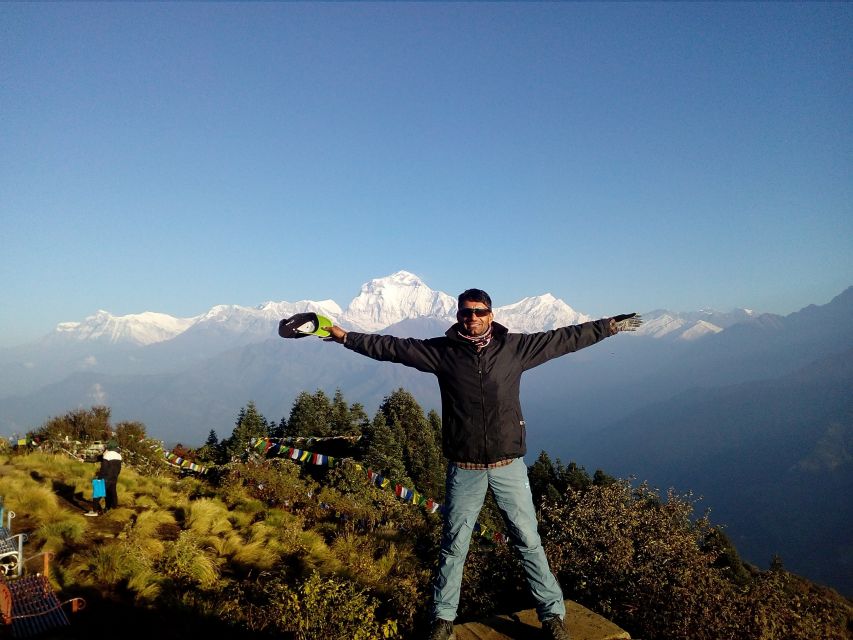
- Poon Hill sunrise (3,210m): the main event with wide Himalayan views
- Rhododendron and oak forests: softer footing through lush sections
- Ghandruk and other village stops: Gurung/Magar communities along the route
- Teahouse nights: simple rooms, warm meals, and local hospitality
- Comfort-focused pacing: moderate effort that fits beginners and families
- Easy logistics from Pokhara: pickup, transfers, and an organized return plan
Where Poon Hill sits in the Annapurna universe
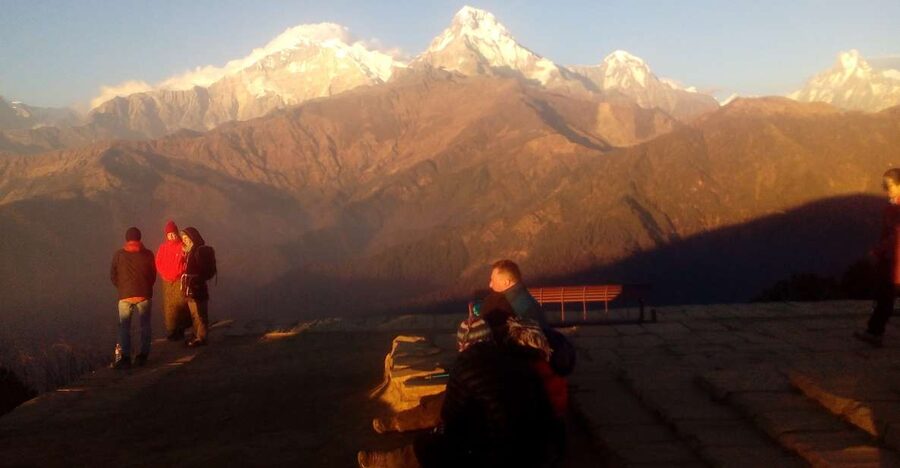
Poon Hill is a viewpoint above the Annapurna Massif range and the Dhaulagiri mountain range. It sits right around the Myagdi District and Kaski District border in Nepal’s Gandaki Province, so you get big scenery from a trek that doesn’t require weeks of time.
If you’re short on days, this is a big deal. Three days is enough time to reach the classic viewpoint at sunrise, trek through villages and forest, and still get a comfortable rhythm with teahouse stays. The trail isn’t just about one photo. It’s about moving through the region’s everyday life—terraces, small settlements, and forest paths that change character hour by hour.
What you should know: weather matters. The trek can be done throughout the year, but the best chances for clear mountain views are spring (March–May) and autumn (September–November). Even then, conditions can shift fast, so your clothing choice is not optional.
You can also read our reviews of more tours and experiences in Pokhara.
Value and what you’re really paying for
The price listed is $179 per person for 3 days (2 nights), including guide support and key transfers. You might think, You’re paying for a viewpoint and a couple of walks. That’s partly true—but the more practical value is the “in-between” parts that can waste time and energy when you’re doing things solo.
Here’s where the money usually goes:
- Permits and official documents are handled for you
- A professional English-speaking guide keeps the pace manageable and helps with the day-by-day plan
- Accommodation in guest houses is arranged during the trek
- Transfers are built in: Pokhara lakeside pickup, private vehicle to start, and a shared jeep/bus back from Ulleri
Food and drinks are not included, and that’s common on teahouse treks. In real terms, that means you should budget extra for meals at the lodges and for hot drinks along the way.
Balanced take: if you already know Nepal logistics and you love doing paperwork yourself, you might do it cheaper independently. But if you want the cleanest path to the sunrise without juggling details, this package tends to feel like good value for time.
Day 1: Pokhara to Kilu, then into the forest toward Tadapani
You start with a drive from Pokhara to Kilu, around 2–3 hours, depending on conditions. Kilu is a small settlement near Ghandruk, and the ride is more than a transfer. It’s a taste of how the region lives—terraced fields, river valleys, and traditional village patterns.
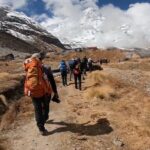
Then you begin trekking. The first walking day goes from Kilu up to Tadapani (2,630m) and typically takes about 5–6 hours.
Why this day is worth your energy
This is where the trek earns its charm:
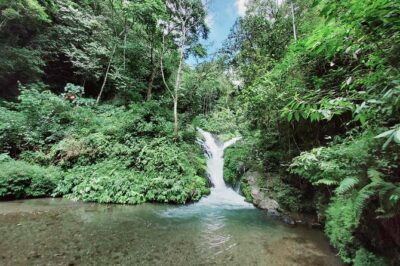
- You move through rhododendron and oak forests, so the walk feels shaded and textured rather than exposed all the time.
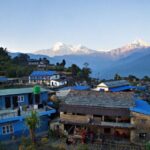
- You pass Ghandruk, one of the most well-known Gurung villages in the area. Even if you don’t spend a long time inside the village, you’ll feel the cultural shift around you—home-styles, fields, and a different pace than the main road.
Possible drawback: longish first-day climb
Tadapani is higher than where you start, so expect a steady effort. If you’re coming from sea-level comfort, take it slow at the start. A guide can help you manage breathing and pace; many guides named in feedback are praised for keeping trekkers feeling safe and supported—especially helpful if you’re not an experienced hiker.
That evening, you check into a teahouse with a warm meal and a night that’s simple but effective. This is where you’re being set up for the sunrise morning later.
Day 2: Tadapani to Ghorepani, with the pre-sunrise focus already on your mind
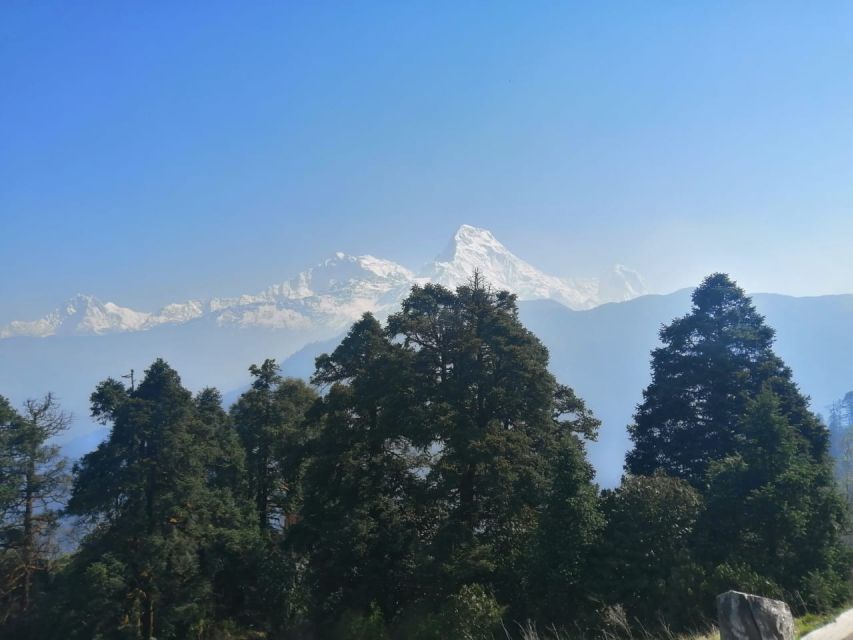
Today is your most classic trek day: Tadapani to Ghorepani (2,850m), about 5–6 hours.
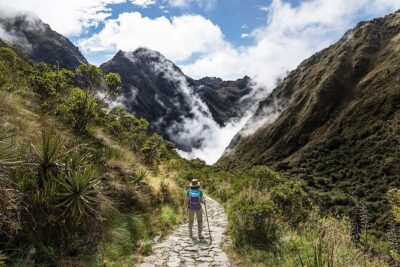
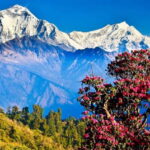
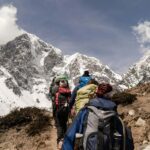
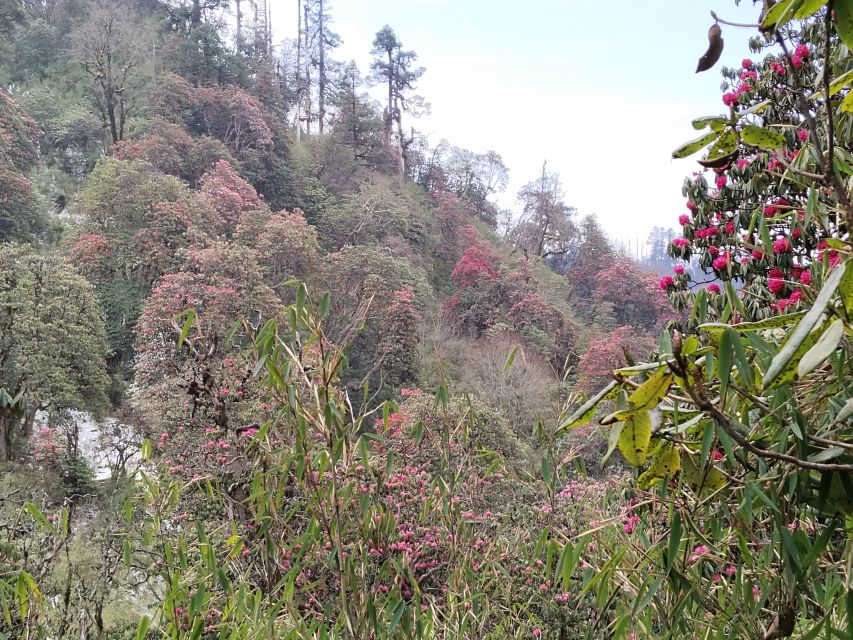
The trail continues with rhododendron forests, ridges, and small settlements. If you trek in spring, the route can be decorated with blooms, which is a big mood boost when you’re walking steadily uphill.
Then you reach Deurali Pass before descending slightly into Ghorepani. This is one of those “crest and shift” days where the scenery opens and closes a bit depending on the moment.
Ghorepani is your launchpad, not just a stop
Ghorepani is where everything starts to feel urgent in a good way. You arrive, check in at your teahouse, and the rest of the day becomes preparation:
- early dinner
- rest
- hydration
- getting your layers ready for the next morning
Because the sunrise hike is pre-dawn, your body will thank you for not treating the evening like a sightseeing marathon.
Weather reality check
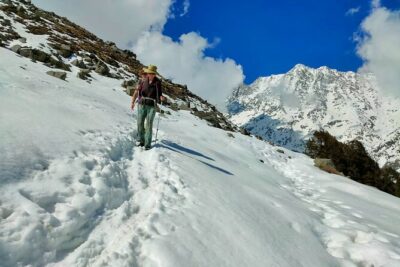
The mountains can be unpredictable. Even in rainy-season timing, you may still get views—but you also might get fog and lower visibility. A practical tip from real-world trek advice: pack for cold even if Pokhara feels warm. Sunrise climbs can feel sharp fast.
Day 3: Poon Hill sunrise, then down to Ulleri and back to Pokhara
This is the day you came for.
The sunrise hike to Poon Hill (3,210m)
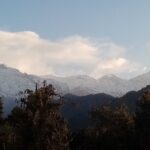
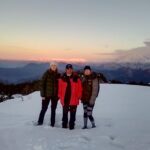
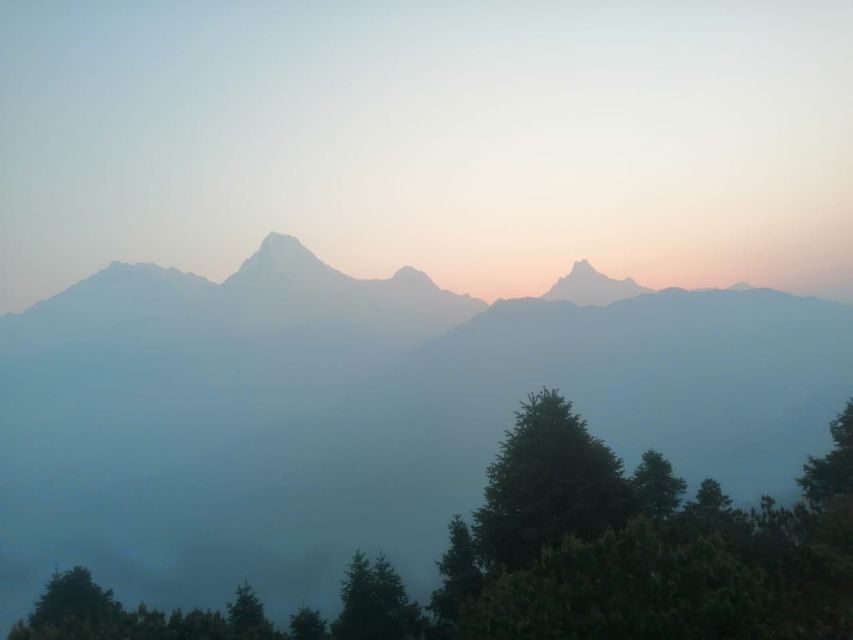
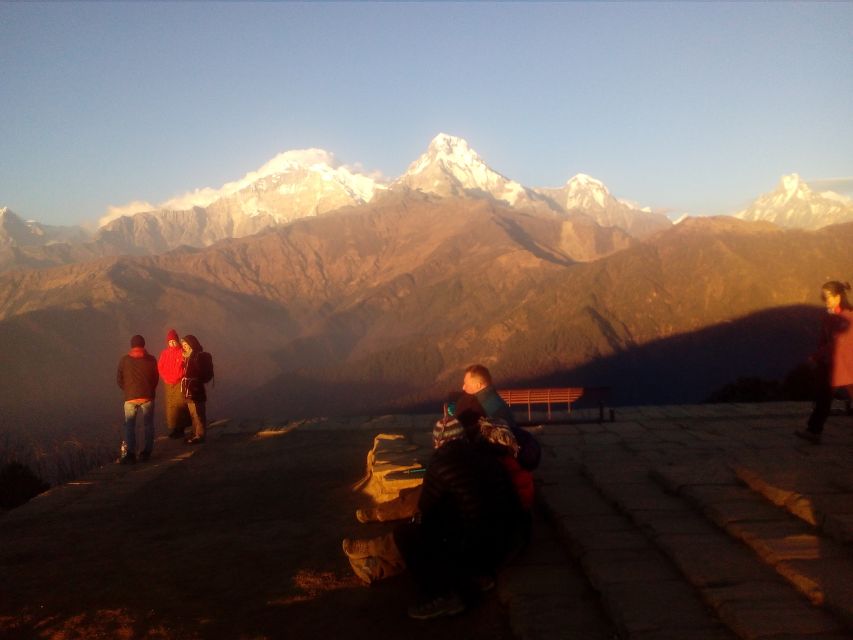
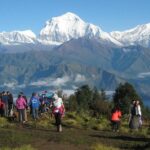
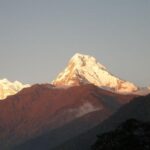
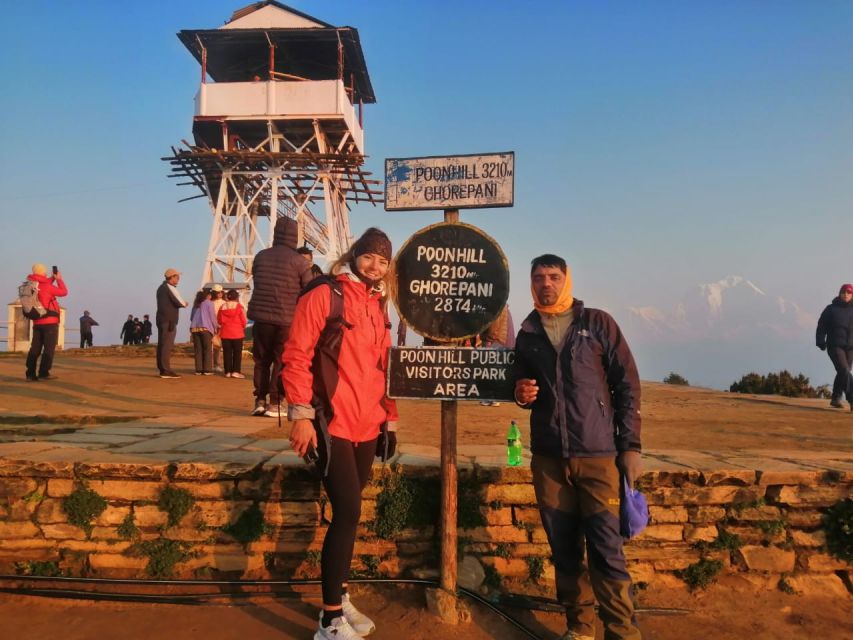
You start pre-dawn, about 45 minutes to 1 hour on foot. The key viewpoint is Poon Hill, and the payoff is a wide panorama across the Annapurna and Dhaulagiri ranges.
If visibility is good, you’re looking for:
- gold light across the peaks
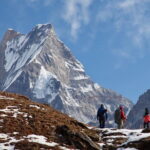
- standout silhouettes including Machhapuchhre (Fishtail), Hiunchuli, and Annapurna South
- a broad Himalayan sweep that feels big even when your legs are tired
Practical note: if you’ve seen smog or haze in Pokhara before, don’t assume it will follow you into the mountains. Several trekkers specifically called out how clear conditions at Poon Hill made the early start worth it.
After sunrise: breakfast, then a downhill rhythm
Once you’re back in Ghorepani, you eat breakfast and start descending. The route heads down through places like Nangethanti and Banthanti before reaching Ulleri, a Magar village with stone-paved steps.
Downhill sounds easier, but your knees still feel it. Take careful steps, especially if the ground is wet or icy.
Ulleri back to Pokhara
From Ulleri, you transfer by shared jeep or local bus back to Pokhara, arriving by late afternoon. This is a long day ender, so plan an easy evening back in town.
The guide matters more than you think
This isn’t a technical trek where you need rope work or climbing skills. What you need is a steady plan, communication with teahouses, and someone who can adjust pace when people feel winded.
The guides named in feedback tend to share a few themes:
- Attentive pacing for different fitness levels (including solo hikers)
- Local village knowledge that makes stops more meaningful than just passing through
- A calm, supportive approach that helps you feel safe, especially if you’re traveling alone
- Help with day-to-day details like meals and checking into the right guest houses
If you’re someone who values being looked after without being babysat, that kind of guiding style is exactly what you want on a short trek.
Teahouses and meals: cozy, but expect simple
Over two nights, you’ll stay in guest houses/teahouses along the route. Rooms are basic by design: they keep the trek comfortable and warm enough, and they give you what matters—rest, a clean-ish sleeping space, and access to meals.
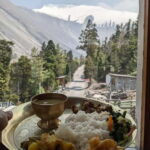
Food and drinks are not included, so you’ll buy meals as you go. That also means you can choose what suits you: hot tea, simple dishes, and whatever a teahouse has on that day.
A useful way to think about teahouses: they’re part of the cultural rhythm. The goal isn’t luxury. The goal is warmth after a walk, a place to dry out a bit, and a shared atmosphere with other hikers (even if your private group means you won’t be mixing much).
What to pack (so sunrise doesn’t catch you off guard)
The trek is described as moderate and great for beginners and families, but the mountain temperature shift is real. From the practical advice you’ll see repeated—especially the cash and layer tips—here’s what you should plan for:
Bring:
- passport or ID card
- warm clothing (expect cold for early morning)
- comfortable shoes with good grip
- cash (so you’re not scrambling at mountain prices)
- any personal items you like for altitude comfort (lip balm, small towel, etc.)
You should also mentally prepare for:
- pre-dawn timing
- a few hours of uphill and downhill days
- weather changes even in better seasons
Not allowed: pets. Not suitable for pregnant women or wheelchair users.
Who this trek is best for
This 2-night, 3-day Poon Hill trek is a strong match if:
- you want major Himalayan views without a long trek
- you’re a beginner and want a moderate challenge
- you’re traveling with family and prefer a plan that keeps logistics handled
- you care about sunrise photos, especially views like Machhapuchhre (Fishtail) and Annapurna South
It may feel less ideal if:
- you can’t handle very early mornings
- you’re sensitive to altitude-related fatigue (even though the route is beginner-friendly)
- you want meals fully included (because food is purchase-based)
Tips to make the most of your three days
A short trek rewards smart habits. These are the things that usually make the experience smoother:
- Start the day with a calm pace. If you go too fast on day 1, day 2 sunrise prep feels harder than it should.
- Treat layers as your priority pack item, not an afterthought.
- Bring cash so teahouse purchases don’t become an issue.
- If visibility is poor at one point, keep going. The trek is planned so that your biggest viewing moment is Poon Hill sunrise.
Should you book this 3-day Poon Hill trek?
If your goal is a classic Annapurna sunrise experience with a clear plan, comfortable teahouse nights, and a guide handling permits and transfers, I think this is an easy yes. The route is designed for good value in limited time: you get forest trekking, village texture, and the big viewpoint payoff without turning the trip into a multi-week project.
I’d only hesitate if early mornings and cold weather are deal-breakers for you, or if you strongly prefer fully included meals and everything handled with zero spending beyond the listed price. If you can handle a bit of prep and you pack warm layers, this is exactly the kind of Nepal trek that turns short time into real mountain memories.