REVIEW · MACHU PICCHU
Salkantay trek to Machu Picchu – 5D/4N – Premium
Book on GetYourGuide →Operated by Grupo Conde Travel · Bookable on GetYourGuide
This trek turns up the drama. You get real mountain hiking plus the big payoff of Machu Picchu, with a premium setup that includes camping gear and meals. I like that the route is a popular alternative to the Inka Trail, and that your basecamp at SalkantayPampa is built for an actual camping experience, not a glamping fantasy. One thing to consider: a small number of recent guests reported organization problems, including guide changes and delays tied to Machu Picchu ticket timing.
What makes this outing especially practical for planning is how clearly it’s structured: 5 days / 4 nights, about 64 km (39 miles), and a moderate-to-challenging pace with daily hikes around 14–18 km. The “premium” label mostly shows up in the support system (bilingual guide, chef/assistants, kitchen setup, sleeping bag), plus the return train/bus included on the back end.
In This Review
- Key things that make this Salkantay trek worth your attention
- Why Salkantay works when you want more than a postcard
- Premium camping at SalkantayPampa: the comfort you’ll miss if it’s gone
- Day-by-day trek rhythm: Humantay Lake, Chaullay, Lucmabamba
- Day 1: Cusco to Humantay Lake, then up to Basecamp SalkantayPampa
- Day 2: Basecamp SalkantayPampa to Chaullay
- Day 3: Chaullay to Lucmabamba
- Day 4: Lucmabamba to Llactapata, then Hydroelectric to Aguas Calientes
- Machu Picchu day: bus to the citadel and the ticket reality
- Price and value: what $510 includes and why it can be a good deal
- What to pack so you don’t suffer for no reason
- Fitness level and safety reality check
- Small-group guide support: the difference between smooth and shaky
- Who should book this Salkantay trek
- Should you book this Premium Salkantay trek?
- FAQ
- How long is the Salkantay trek to Machu Picchu?
- What hiking distance will I cover?
- What’s included in the price?
- Are Huayna Picchu or Montaña Machu Picchu included?
- What language will the guide speak?
- What’s not allowed and what should I bring?
Key things that make this Salkantay trek worth your attention
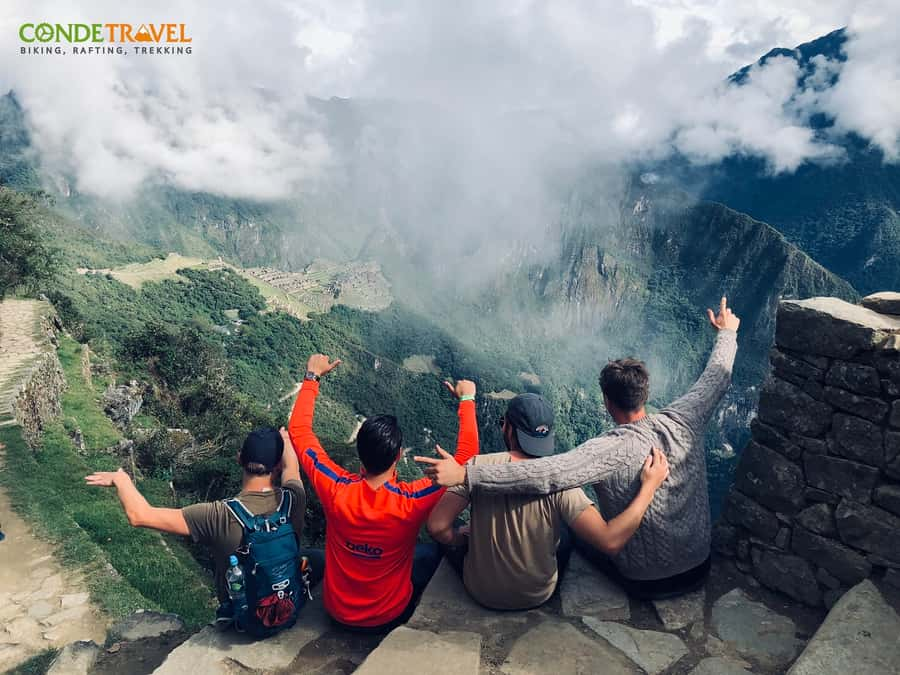
- Small group (up to 15): easier to manage, and you’re less likely to feel like a numbered ticket in a crowd
- Camp setup at SalkantayPampa: you sleep in a campsite with a dining tent and kitchen support
- English bilingual guiding: your trail explanations land in a language you can actually use day-to-day
- Machu Picchu included (citadel entry + bus): the core experience is built into the package
- Real travel chain back to Cusco: train from Aguas Calientes to Ollantaytambo, then transport to Cusco
Why Salkantay works when you want more than a postcard
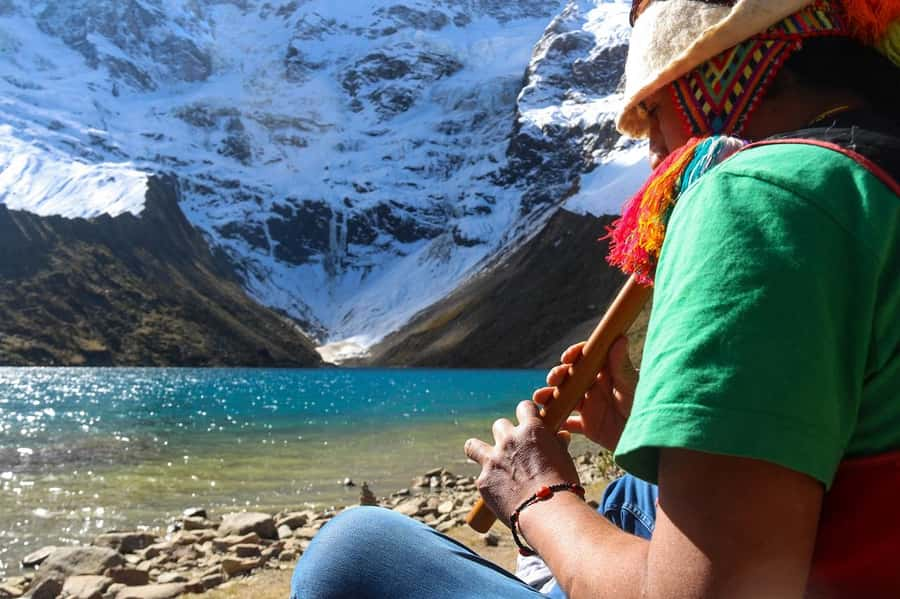
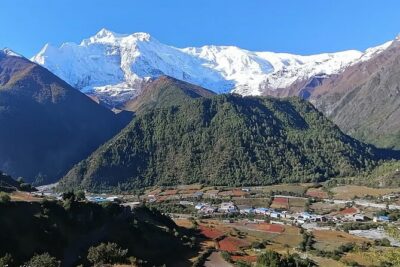
If you’re choosing a trek, you’re probably not looking for a gentle stroll. This route is built around walking days, changing views, and a rhythm that feels like you’re moving through the Andes instead of arriving by van.
Salkantay is also popular for a reason: it offers a classic “alt route” to Machu Picchu. That matters because it can feel like you’re earning the finale. The trek isn’t just about seeing one famous spot. It’s about watching the scenery shift from day to day, and doing it with enough structure that you don’t have to micro-manage logistics.
The premium part is the support around your hike. You’re not responsible for everything. You’ll have a professional bilingual guide, plus a chef and assistants, and they handle the camp’s daily workflow so you can focus on your footing and your breathing.
Premium camping at SalkantayPampa: the comfort you’ll miss if it’s gone
Let’s talk camp, because that’s where most trek discomfort shows up. Here, you get three nights of campsite plus a sleeping bag. You also get a spacious dining tent and a kitchen setup, which sounds like a small detail until you’re hungry and chilled after a long walk.
On a trek like this, the big wins are simple:
- You eat at the right time (or at least you’re not improvising)
- You have a warm-ish place to regroup
- You’re not stuck carrying the things that should be carried by the team
Basecamp at SalkantayPampa is the first campsite stop, and it’s meant to be an authentic camping experience. That means plan to live the trek life: layered clothing, a daypack for essentials, and a bit of “keep it tidy” energy. You’ll also want to bring a garbage bag, because you’re traveling responsibly through fragile areas.
One more practical note: the tour includes entrance tickets for the Mollepata–Salkantay route and Machu Picchu. That’s one less thing you have to worry about while you’re tired and altitude-hazy.
Day-by-day trek rhythm: Humantay Lake, Chaullay, Lucmabamba
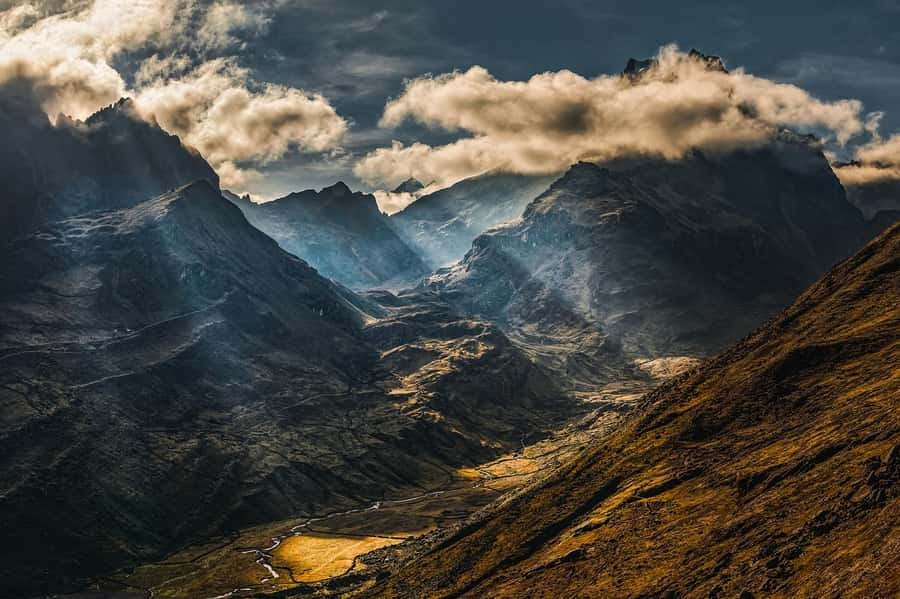
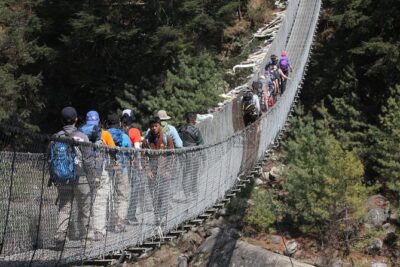
This itinerary is a sequence of hike days that builds stamina without pretending you’re training for a marathon. Your daily walking distances range from about 14 km to 18 km, and the timing is roughly 6–7 hours of hiking depending on the day.
Day 1: Cusco to Humantay Lake, then up to Basecamp SalkantayPampa
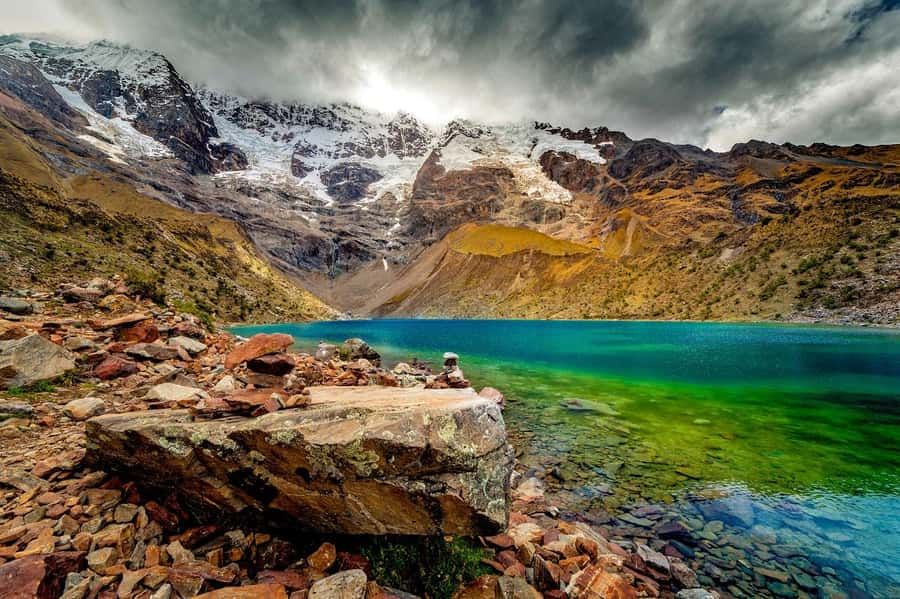
You leave Cusco and head toward Humantay Lake, then continue on to Basecamp SalkantayPampa (about 16 km, roughly 7 hours). Humantay Lake is usually the kind of stop that wakes you up fast: the moment you reach it, you remember why you’re doing the whole thing.
What you’ll want to remember on Day 1 is pace. Don’t sprint early just because the view is pretty. You’re still building altitude tolerance and trail rhythm. After the lake, you’re hiking on to camp, so you’ll likely feel the day more than you expect once you’re settled in.
Day 2: Basecamp SalkantayPampa to Chaullay
Day 2 is about 18 km and around 7 hours, from the basecamp to Chaullay. This is the day where the trek starts to feel like a routine. You’ll understand how your shoes fit at mile 2 vs mile 8, and you’ll get a better read on what your body needs during breaks.
Chaullay is one of those trail stops that functions like a reset button. Don’t treat it as a sightseeing day. Treat it like a chance to recover, eat, and prep mentally for the next push.
Day 3: Chaullay to Lucmabamba
Today is again about 16 km and around 6 hours, hiking from Chaullay to Lucmabamba. By now, you’ll likely be more comfortable with your daypack setup, your snack strategy, and the way you handle cold when you stop moving.
Lucmabamba matters because it sets you up for Day 4’s finale sequence. The more you treat Day 3 as prep, the smoother your experience tends to feel later.
Day 4: Lucmabamba to Llactapata, then Hydroelectric to Aguas Calientes
Day 4 is about 14 km and roughly 6 hours, but it has a lot packed in: Lucmabamba → Llactapata → Hydroelectric → Aguas Calientes.
Llactapata is an important intermediate stop. It’s the kind of point on this trek where you catch views and get a sense of how the whole Machu Picchu plan comes together.
Then comes Hydroelectric, which is a key transition area. After walking sections, you’re basically moving toward the town stage of the journey. The finish is Aguas Calientes, where you’ll get one night in a hotel in Machu Picchu Pueblo.
The drawback to be aware of: after several days of camping, hotel night can feel amazing, but the whole day can still feel like a long travel day. You’ll want to keep your energy focused—shower when you can, eat well, and don’t overbook your evening plans.
Machu Picchu day: bus to the citadel and the ticket reality
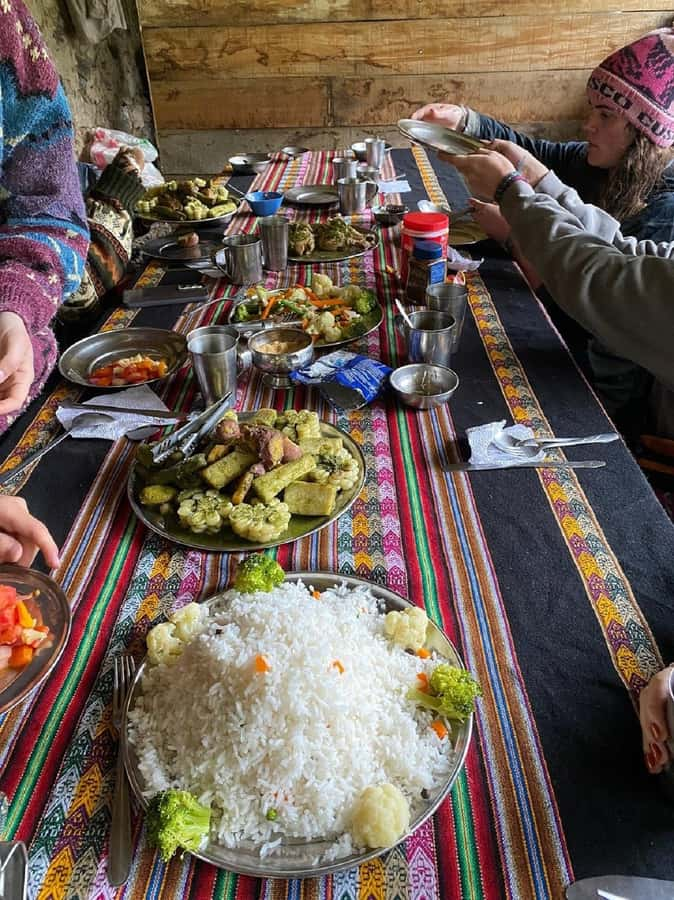
Your Day 5 is built around the Machu Picchu moment. You’ll visit Machu Picchu citadel, then travel back toward Cusco.
Here’s how the transport chain works in the package:
- You’ll take a round-trip bus to the citadel
- After the visit, you use the included train back from Aguas Calientes to Ollantaytambo
- Then you transfer from Ollantaytambo to Cusco
One reason this day is worth planning for is timing around tickets and entry. A recent guest reported losing two days in Machu Picchu village tied to ticket access and logistics. That doesn’t mean your experience will be the same, but it does mean you should treat the ticket-handling stage as a serious part of the trip. If you have questions about how entry timing is managed, ask early and write down the plan your guide team gives you.
Also, know what’s included and what isn’t. You get entrance to Machu Picchu, but you do not get Huayna Picchu or Montaña Machu Picchu entrance. If you want those add-ons, you’ll need to plan for them separately.
Price and value: what $510 includes and why it can be a good deal
At $510 per person for 5 days, this trek can feel reasonable compared to other premium packages—mainly because you’re not paying extra for many of the “hidden” costs that show up later.
What you get included:
- Transfers and the overall travel chain
- Train back from Aguas Calientes to Ollantaytambo
- Transportation back to Cusco
- Round-trip bus to the Machu Picchu citadel
- Food as listed in the itinerary, plus vegetarian options
- Entrance ticket for the Mollepata–Salkantay route
- Entrance ticket for Machu Picchu
- Sleeping bag
- 3 nights of camping plus 1 night hotel in Aguas Calientes
- A professional bilingual guide, plus chef and assistants
- A spacious dining tent and kitchen support
- Small-group size capped at 15
Where the extra costs can appear:
- First breakfast and last day lunch/dinner are not included
- Huayna Picchu / Montaña are not included
- Personal care items are not included
So here’s the value question I’d ask if I were choosing: is the inclusion of train/bus, the park entries, and camp support worth it for you? If you want a guided experience with less stress around the logistics, the price starts to look like good housekeeping.
But if you’re the type who wants total control over every moment, and you prefer managing tickets and travel yourself, you might feel the package is less flexible than expected. Also, since one recent booking reported operational hiccups, make sure you understand your day-by-day plan before you rely on it.
What to pack so you don’t suffer for no reason
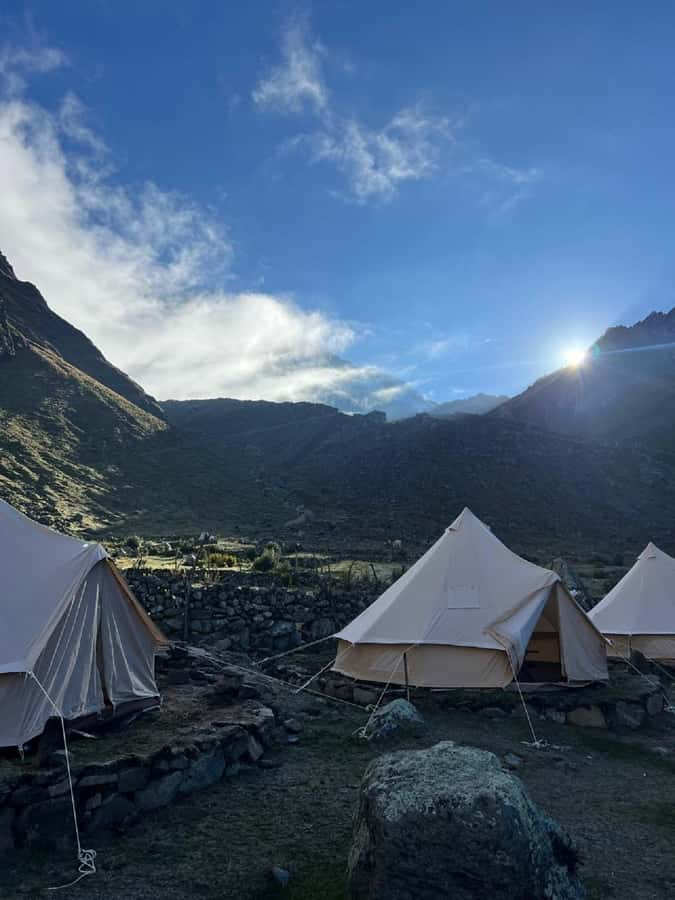
This trek has you moving daily, often in changing weather. Your packing list is basically your comfort plan.
Bring:
- Passport
- Hat
- Change of clothes
- Camera
- Biodegradable sunscreen
- Comfortable clothes
- Snow clothing (yes, that’s in the official list)
- Cash
- Flashlight
- Daypack
- Charged smartphone
- Personal medication
- Closed-toe shoes
- Garbage bag
A few practical tips based on that list:
- Closed-toe shoes matter because you’re hiking for hours, not strolling.
- Flashlight is useful even if you think you’ll never need it. Camps and early mornings have a way of making you need it.
- Snow clothing tells you conditions can get cold. Bring layers you can actually manage while hiking and while stopped.
Not allowed items include oversize luggage, alcohol/drugs, open-toed shoes, and several mobility devices like electric wheelchairs and crutches. If you’re bringing anything special for health needs, double-check it fits what’s permitted.
Fitness level and safety reality check
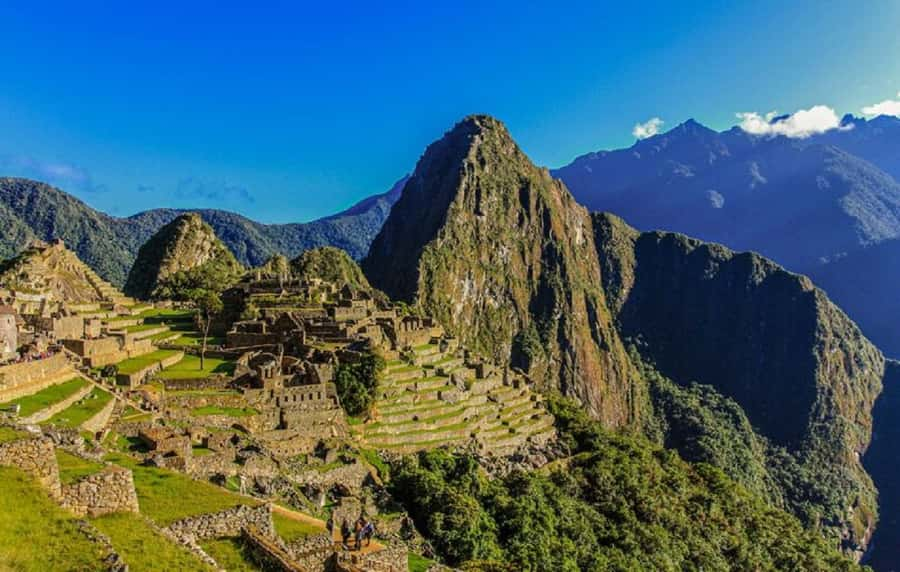
This trek is rated moderate to challenging with about 64 km total hiking. Daily distances and hiking time suggest you’ll need endurance and basic comfort on uneven ground.
It also isn’t a good fit for everyone. The tour is not suitable for:
- Children under 5
- Pregnant women
- People with back problems
- People with mobility impairments or wheelchair users
- People with heart problems
- People over 70
In one guest’s report, there was concern about emergency support when they were sick on Day 1. That’s exactly why your own safety planning matters. If you have any medical concerns, talk to a clinician before you go, and be honest with your guide about any issues right away.
Small-group guide support: the difference between smooth and shaky
This is a small-group trek limited to 15 participants, guided in English. That’s a big deal. Small groups move more like a team than a herd, and it’s easier for your guide to check in on pacing and needs.
One highlight from a positive booking: the guide Eduardo was praised for sharing detailed information about nature, traditions, and local people. That sort of guiding makes the hike feel bigger than scenery. It turns stops into meaning.
At the same time, one recent booking raised red flags about guide changes and schedule execution. The takeaway for you is simple: when you’re on the trip, confirm your guide continuity and the plan for ticket timing early. Ask who your guide team will be across the whole trek. Write down the names if possible.
Who should book this Salkantay trek
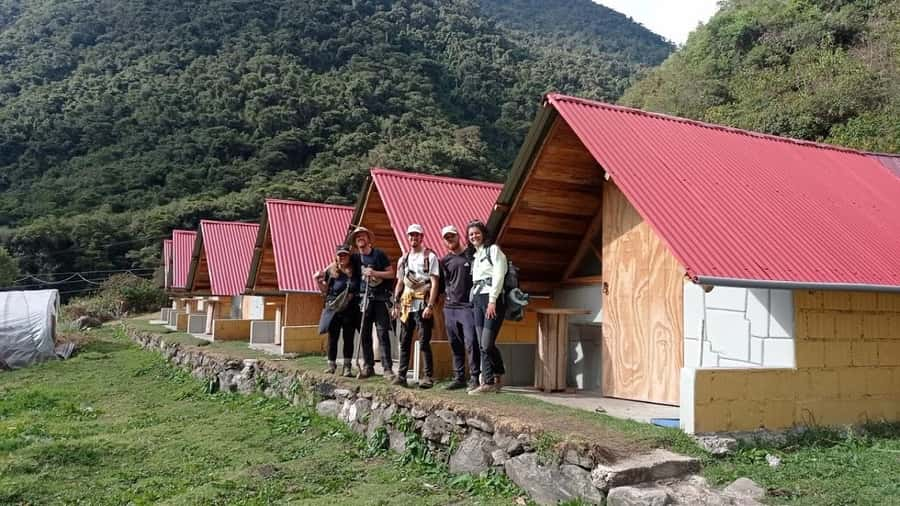
Book this if:
- You want an alternative route to Inka Trail with a classic Machu Picchu ending
- You prefer a small-group experience
- You like the idea of camping with real support (sleeping bag, dining tent, kitchen staff)
- You want English guidance and included entrance tickets
Skip or rethink if:
- You need accessibility accommodations listed as not suitable
- You’re sensitive to cold and aren’t willing to bring proper snow layers
- You want Huayna Picchu or Montaña as a must-have (those are not included)
- Your schedule can’t handle delays tied to ticket timing, since a guest report flagged issues in Machu Picchu village
Should you book this Premium Salkantay trek?
I’d say yes if you’re ready for a real trek with strong built-in support, and you’re comfortable with the camping-to-hotel transition. The package value comes from the included park entries, the camp infrastructure, and the full travel chain back to Cusco.
I’d say hold your decision and ask sharper questions if you’re concerned about operational consistency. The best move is to confirm early how the Machu Picchu day is handled, and who guides you across the full trek. If those answers feel clear and organized, this becomes the kind of trip you’ll remember for the hiking days, not just the final photo.
FAQ
How long is the Salkantay trek to Machu Picchu?
It runs 5 days and 4 nights.
What hiking distance will I cover?
The total hiking distance is listed as 64 km (39 miles).
What’s included in the price?
Included are transfers, train back from Aguas Calientes to Ollantaytambo, transportation to Cusco, round-trip bus to Machu Picchu, food as listed in the itinerary (with vegetarian options), entrance tickets for the Mollepata–Salkantay route and Machu Picchu, 3 nights campsite, 1 night hotel in Machu Picchu Pueblo, a professional bilingual guide plus chef and assistants, dining tent/kitchen, and a sleeping bag.
Are Huayna Picchu or Montaña Machu Picchu included?
No. Huayna Picchu entrance and Montaña Machu Picchu entrance are not included.
What language will the guide speak?
The live guide is English.
What’s not allowed and what should I bring?
You should bring items like your passport, hat, change of clothes, biodegradable sunscreen, snow clothing, flashlight, cash, and closed-toe shoes. Not allowed items include oversize luggage, alcohol and drugs, open-toed shoes, and certain mobility equipment.