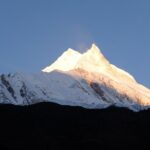
Sunrise at Poon Hill is the whole point. This short trek delivers panoramic Annapurna and Dhaulagiri views plus a culture-rich walk through ethnic villages along the way.
I especially like how the experience balances big-mountain moments with comfortable pacing, and you still get to sleep in teahouses without spending a week out there. The one real catch is the predawn wake-up for sunrise, and clouds can sometimes soften what you came for.
If you want a mountain trip that feels approachable, this is built for you. You’ll pass through Gurung and Magar villages, see terraced farmland, and spend the nights in teahouses that are set up for trekkers instead of hardcore mountaineers. A possible consideration: because it’s “easy and short,” you’ll be walking a lot of days at a steady, moderate effort, not taking long rests in between.
Key highlights to know before you go
- Poon Hill sunrise panorama over Annapurna South and Dhaulagiri is the main event.
- Ghorepani to Ghandruk gives you village life as you gain and lose elevation.
- Teahouse comfort keeps the trek realistic for beginners and families.
- Small groups (maximum 10 travelers) help the trek feel organized.
- Gear support included: trekking poles, duffle bag, and a down jacket during the trek.
- Guide quality comes through in standout reviews featuring Badri, Dhurba, Gobinda, Nawin, Hari, and Jagan.
In This Review
- Why Poon Hill Sunrise Over Annapurna and Dhaulagiri is the real reason to go
- Day 1: Banthati to Ghorepani by road, forest trails, and village stops
- Day 2: Predawn hike to Poon Hill, then down to cultural Ghandruk
- Day 3: From Ghandruk to Nayapul and back to Pokhara
- Price and what is actually included for $523
- Teahouses, gear, and the feel of the Annapurna Conservation Area
- Who should book this Poon Hill trek, and when does it make sense
- Should you book this Poon Hill trek?
- FAQ
- FAQ
- How long is the Poon Hill Trek?
- Where does the trek start?
- What’s the minimum age to join?
- How many people are in a group?
- What meals are included?
- What trekking gear is provided?
- What is not included in the price?
Why Poon Hill Sunrise Over Annapurna and Dhaulagiri is the real reason to go
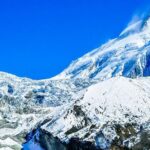
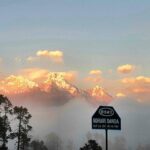
Poon Hill is one of those places where your brain locks onto the view fast. The goal is simple: start early, hike a short distance, then watch the light roll across the Annapurna and Dhaulagiri ranges. The mountains are famous here for that sunrise effect, including the way Annapurna South and nearby peaks can look totally different as the sky brightens.
What I like most is that you’re not earning the sunrise with a brutal, week-long slog. This trek is designed as a relatively easy and short route, so more people can experience the payoff. You get the sense you’re inside the Himalayas without needing serious technical skills.
Still, plan for reality. Sunrise depends on weather, and early mornings mean you’ll feel tired before the magic happens. If the sky is clear, it’s spectacular. If it’s cloudy, you’ll still get mountain presence and drama, but not the crisp peak show you hoped for.
And there’s another value here that doesn’t get enough credit: the trek gives you a reason to slow down. Between the viewpoint and the village walking, you get time to notice forest paths, farmland terraces, and everyday life in mountain communities.
Day 1: Banthati to Ghorepani by road, forest trails, and village stops
Day 1 begins with a drive from Pokhara to Banthati, then you start walking toward Ghorepani. That “road first, hike second” setup is great if you’re not trying to spend day one fighting fatigue before you even hit the trail.
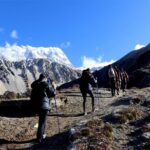
Once you’re on the path, you’ll move through a mix of forests and villages. This matters because it breaks the trek into something more interesting than a single long climb. You’ll feel the Nepal mountain rhythm: shaded sections, open views when you catch a break in the trees, and villages where you’re not just passing through—you’re moving alongside daily life.
Ghorepani is where you settle in for the night, and this is where teahouse trekking makes sense. You’re not camping in the cold with just a sleeping bag and hope. Instead, you’re staying in the standard trek setup—simple rooms, food service, and warm hospitality.
One practical note: because you’re starting the trek after travel, I’d treat Day 1 as your warm-up. Don’t burn matches trying to prove you’re tough. Save your energy for the predawn grind on Day 2, when Poon Hill is waiting.
You can also read our reviews of more tours and experiences in Kathmandu.
Day 2: Predawn hike to Poon Hill, then down to cultural Ghandruk
Day 2 is built around a sunrise mission. You’ll hike early to reach Poon Hill, then after you’ve taken in the view, you trek onward to Ghandruk.
The early hike isn’t the hardest part physically, but it can feel mentally sharp. You’ll want to be ready for cold air and short bursts of darkness. If you’re the type who hates being rushed, this is the day you’ll need patience. Once you reach the viewpoint, though, the wait usually feels worth it.
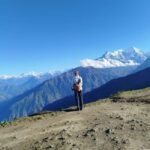
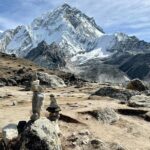
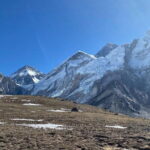
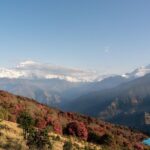
When the light comes, the view can look almost unreal: snow-capped peaks layered across the horizon, with Annapurna and Dhaulagiri playing the starring roles. If you’re lucky with sky conditions, it’s the kind of moment you remember for years because it hits that combination of scale and color change.
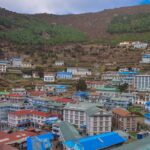
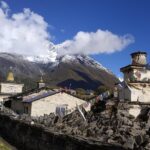
After sunrise, the trek turns into movement with a purpose: hiking toward Ghandruk, a cultural village. This is where the trip shifts from “views only” to “views plus people.” The route passes through ethnic Gurung and Magar communities, and that cultural element is a real value—because it makes the mountain walk feel connected to where you are, not just where you’re heading.
Ghandruk is also a good endpoint for the day because it gives you time to decompress after the early start. You’ll likely feel more human on this stretch than on the morning push, even though it’s still trekking.
Day 3: From Ghandruk to Nayapul and back to Pokhara
Day 3 finishes the loop: you trek from Ghandruk to Nayapul, then return to Pokhara. This is a satisfying ending because you still get mountain views on the way out, but you’re not carrying the pressure of a big viewpoint like Poon Hill.
This day often feels like the “exhale” after the sunrise intensity. You’re still walking through the hills, still seeing how terrain changes, but the goal is now completion—get safely down, enjoy the final glimpses, and end the trip back near Pokhara.
Nayapul is the gateway area where the trek meets the road. From there, your journey continues by vehicle back to Pokhara, which keeps the wrap-up smooth and avoids turning the last day into another long slog.
If you’re planning a future trip, this is the kind of third day that can help you judge your fitness. You’ll understand how you handle steady hiking, and you’ll also learn what “short and easy” really means in mountain terms: manageable distances, but still effort.
Price and what is actually included for $523
The price listed is $523 per person, and it’s worth breaking down because trek costs can get messy fast when items are missing. Here, you do get a lot baked in:
- Private transportation
- All fees and taxes
- Meals during the trek: 3 breakfasts (2 in the mountains and 1 in Pokhara), 2 lunches, and 2 dinners
- Trekking poles, a duffle bag, and a down jacket provided during the trekking
- Trek completion certificate
- Breakfast/lunch/dinner coverage reduces the day-to-day cash decisions
For many people, the gear support is a big part of the value. If you don’t already own trekking poles or a decent cold-weather layer, the included down jacket helps you travel lighter. Even if you still bring your own base layers, having that extra insulation option can make mornings more tolerable.
What’s not included matters too:
- Nepalese visa fee
- International airfare to and from Kathmandu
- Personal expenses (phone calls, laundry, bar bills, water, shower, and similar)
- Tips for guides/porters/drivers
- Travel insurance
One more important real-world note: the experience is non-refundable and cannot be changed for any reason. If your dates are flexible or you’re still deciding, plan carefully before you commit.
Also, confirmation happens at booking, and you’ll receive a mobile ticket. That’s small, but it keeps the logistics from turning into a last-minute scavenger hunt.
Teahouses, gear, and the feel of the Annapurna Conservation Area
You’re trekking through the Annapurna Conservation Area, so your route is part of a larger protected setting. That’s not just a label. It usually means well-established trails and a trek infrastructure that supports visitors while keeping the wider environment in mind.
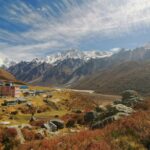
You’ll see diverse ecology along the way: forest sections, terraced fields, and the village edges where farming and tourism overlap. This variety is part of why the trek feels interesting even though it’s relatively short. You’re not staring at the same view for hours.
Teahouses handle most of the comfort equation. You can expect lodging that’s geared toward trekkers, with food service for breakfast, lunch, and dinner based on the included meal plan. I like this setup because you’re spending your mental energy on hiking and views, not on trying to find and manage every meal yourself.
If you’re wondering about comfort in cold weather, the included down jacket during the trekking can be a practical lifesaver. Still, mornings can be chilly at Poon Hill, and evenings at lower mountain elevations can feel cool too. I’d plan to layer with what you already own, rather than rely only on one outer layer.
About group size: maximum 10 travelers keeps things friendly and manageable. The experience also tends to feel more personal because small groups are easier to guide. That’s consistent with strong service comments in reviews tied to guides and coordinators such as Badri, Dhurba, Gobinda, Nawin, Hari, and Jagan, where people talk about feeling looked after and supported.
Who should book this Poon Hill trek, and when does it make sense
This is a good fit if you’re:
- New to hiking and want a shorter trek with manageable effort
- Traveling with family (minimum age is 8 years)
- Short on time but still want a real mountain highlight
- After a mix of culture and views, not just a viewpoint checklist
It’s also a good “first Annapurna trek” option because the altitude demands are lower compared to longer routes. The trip is described as relatively easy and short, which is why it works for many fitness levels.
Seasonally, it’s viable year-round. Each season changes the feel: spring can mean rhododendrons, and autumn often brings clearer skies. I can’t promise which month will give you the exact conditions you want, but the big message is this: you’re choosing a trek that can still deliver in different weather patterns, not one locked to a narrow window.
When you book, don’t ignore Day 2 timing. Your whole day hinges on the sunrise window, so you should treat sleep and warm layers as part of your planning, not an afterthought.
Finally, if you’re going for service quality, the guide names mentioned in customer experiences are a strong clue about what you’ll care about day-to-day. People repeatedly highlighted support and responsiveness, which matters most when you have questions about the route, the culture, or what to expect at viewpoints.
Should you book this Poon Hill trek?
If you want a satisfying Himalayan experience without a long, exhausting trek, I’d say yes. The mix of Poon Hill sunrise, village walking through Gurung and Magar areas, teahouse comfort, and a small-group setup is a strong combination for most first-timers.
I’d only hesitate if:
- You strongly dislike waking up very early
- You’re on tight dates where weather could interfere with sunrise clarity
- You’re expecting the price to cover everything, because visa, airfare, tips, personal spending, and travel insurance are not included
If that sounds workable, this is one of those trips where the value shows up in the details: included meals, included basic trekking gear support, and an organized flow that keeps you focused on the views and the people along the trail.
FAQ
FAQ
How long is the Poon Hill Trek?
It’s listed as approximately 3 days.
Where does the trek start?
Day 1 includes a drive to Banthati, then trekking to Ghorepani. Day 3 ends with trekking to Nayapul and returning to Pokhara.
What’s the minimum age to join?
The minimum age is 8 years.
How many people are in a group?
The tour has a maximum of 10 travelers.
What meals are included?
Breakfast is included 3 times total (2 in the mountains and 1 in Pokhara), and lunch is included 2 times. Dinner is included 2 times during the trek in the mountains.
What trekking gear is provided?
Trekking poles, a duffle bag, and a down jacket are provided during the trekking.
What is not included in the price?
The Nepalese visa fee, international airfare, personal expenses (like phone calls, laundry, bar bills, and water), tips for guides/porters/drivers, and travel insurance are not included.