REVIEW · MARRAKECH
Trekking 8 days in the Moroccan desert from Marrakech
Book on Viator →Operated by Bivouac Erg Chegaga Nomademoi · Bookable on Viator
Sahara walking days move fast—then slow down. This 8-day trek from Marrakech takes you into Morocco’s southwest desert world, from the mineral drama of Mhasser Canyon to the big dunes of Erg Chegaga. I like that you’re not just transported from point to point; you’re walking with a native team while your trip is paced for real humans, not fitness robots.
Two things I’d highlight: the route’s variety and the support system. You’ll cross stony reg desert to reach the dunes, with different scenery almost every day, and your bags ride by camel between bivouacs. A guide and local desert team keep things moving at a steady rhythm, with breaks for tea and dried fruit, which matters when the ground is uneven and the air changes fast.
One consideration: you’re choosing desert camping over hotel comfort. Even with a provided tent and mattress, you should expect basic accommodations at roving bivouacs and a traditional caidal-tent setup, plus the real-world weather that comes with outdoor nights.
In This Review
- Key highlights to know before you go
- Marrakech to Zagora: crossing the Atlas to start slow on purpose
- Mhasser Canyon to stony reg: the “not just sand” day
- Hiking Erg Chegaga: when the dunes finally take over
- Roving bivouacs and the fixed Nomademoi camp
- Desert evenings: songs, music, and the human side
- Food on the trail: local ingredients, normal portions, big moments
- Camel rides and what they do (and don’t) replace
- Transportation and logistics: private pickup from a central Marrakech point
- Price and value: what you’re paying for (and why it can be worth it)
- Who this trek suits best (and who might want something else)
- Practical tips to make the week smoother
- Should you book this Marrakech to Erg Chegaga desert trek?
- FAQ
- How long is the trek from Marrakech?
- What is included in the price?
- Where does the tour start and end?
- Is pickup available from Marrakech and can arrivals go to Ouarzazate instead?
- What walking level should I expect?
- What gear do I need to bring?
Key highlights to know before you go
- Mhasser Canyon mineral scenery on the way to the dunes, with a geology feel that’s different from typical sand-only trips
- About 6 hours of moderate walking daily, friendly for beginners or occasional walkers
- Camel-borne baggage, so you’re not carrying your whole life on your back
- Roving nomadic camps plus a fixed bivouac at a traditional camp in the dunes
- Meals built around local ingredients, with dinners served in desert conditions that can get wild
- Small group size (max 12), which helps the pace stay sane
Marrakech to Zagora: crossing the Atlas to start slow on purpose
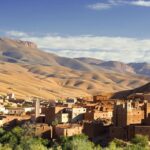
Most desert trips rush. This one starts by setting expectations early: you’ll leave Marrakech and head across the Atlas region through Berber villages, with a lunch stop in Ouarzazate along the way. That early “road day” matters because it helps your body adjust before the walking starts.
Then you reach the Zagora area, and the tone shifts. The trek heads southwest of Zagora, beyond the last foothills of Djebel Bani, where the desert isn’t just a view—it’s the terrain you’re learning by foot. This first trek day is about getting into the rhythm: moderate daily walking around six hours, plus time to stop, drink tea, and look closely at what’s in front of you rather than just watch the horizon.
If you’re arriving on a different schedule, the plan allows an arrival in Ouarzazate instead of Marrakech airport pickup if you coordinate ahead. That’s useful when your flight timing makes the Marrakech transfer day feel cramped.
You can also read our reviews of more tours and experiences in Marrakech.
Mhasser Canyon to stony reg: the “not just sand” day
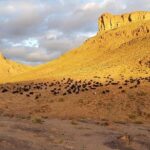
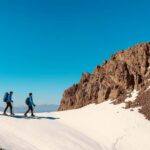
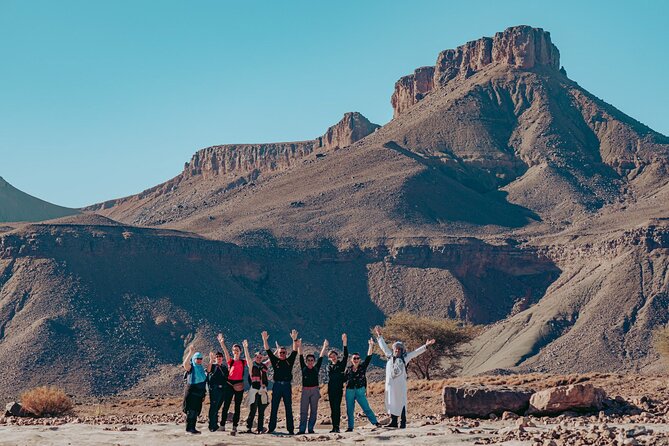
A lot of people picture the Sahara as a sea of dunes from sunrise to sunset. That’s not this experience. One day centers on the journey through Mhasser Canyon, known for dazzling mineral decor. The canyon feel tends to surprise first-timers because it’s not the usual wind-shaped sand postcard. Instead, you get textures, colors, and rock patterns that make the walking feel like you’re studying the desert rather than marching through it.
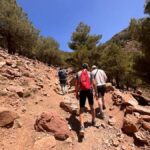
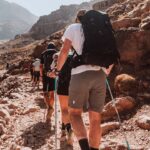
After that, the route continues toward the dunes of Erg Chegaga via a stony desert route (reg) southwest of Zagora. This is the day you really learn how footing changes everything. Stony ground can be slower than sand, and it can make your pace feel different even though the walking goal is still moderate.
The upside? Your brain stays engaged. You’re not stuck in a single mood for the whole week. You’ll notice different surfaces, different light, and different “scale” moments—when dunes suddenly look closer than they did the day before.
Hiking Erg Chegaga: when the dunes finally take over
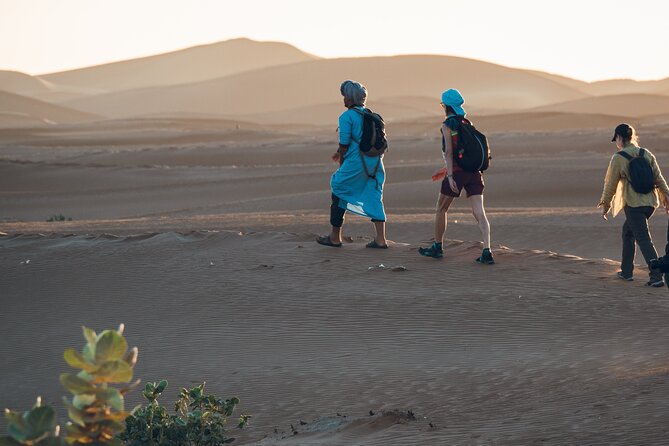
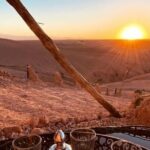
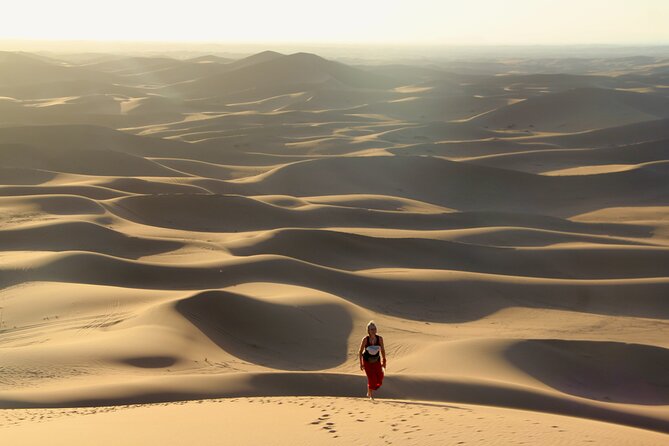
Then comes the part most people dreamed about: hiking through the dunes of Erg Chegaga. This is where the scenery goes big—wide wind-carved shapes and that slow, rolling feeling that makes even a short climb feel like progress.
What’s smart here is the pacing. Around six hours of walking daily is listed as moderate, and that’s believable because the group size stays small (up to 12). In a smaller group, it’s easier for the guide to adjust to different walkers without turning the day into a race.
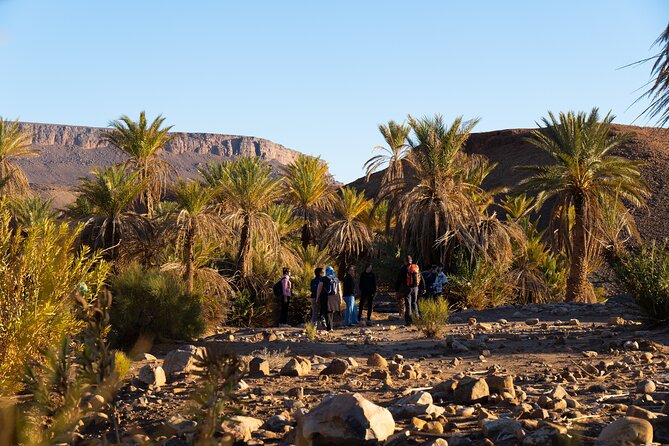
You’ll also move through a nomadic-life context, not just a scenic backdrop. Along the way, you’re introduced to oases, wells, and desert inhabitants like gazelles, dromedaries, and fennecs when conditions allow. Even when animals aren’t visible on cue, the knowledge component is there—how people live with this environment, not just travel through it.
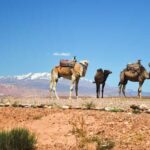
One extra bonus: your bags are transported by camel from one bivouac to another. That means your daypack can be smaller, and you’re more likely to enjoy the walking instead of thinking only about how heavy your shoulders feel.
Roving bivouacs and the fixed Nomademoi camp
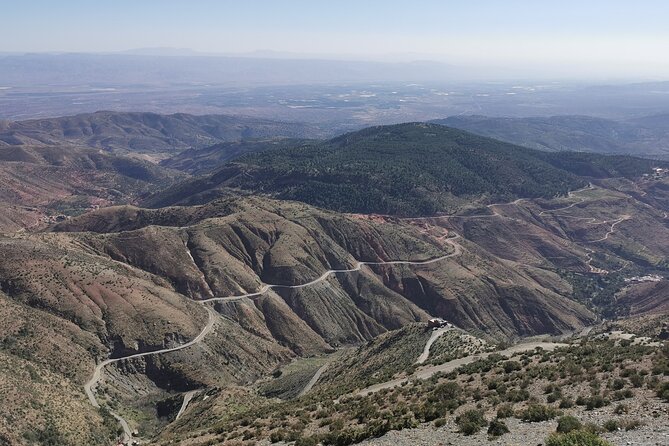
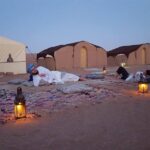
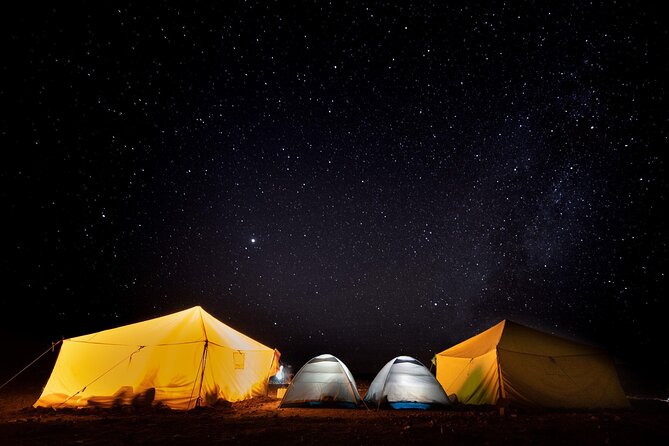
The nights are part of the story here. You’ll spend evenings setting up nomadic camps after walking days. That roving style changes the whole feel of the trek: the desert becomes your temporary home, and you’re moving with it rather than arriving at a single permanent campsite every night.
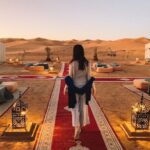
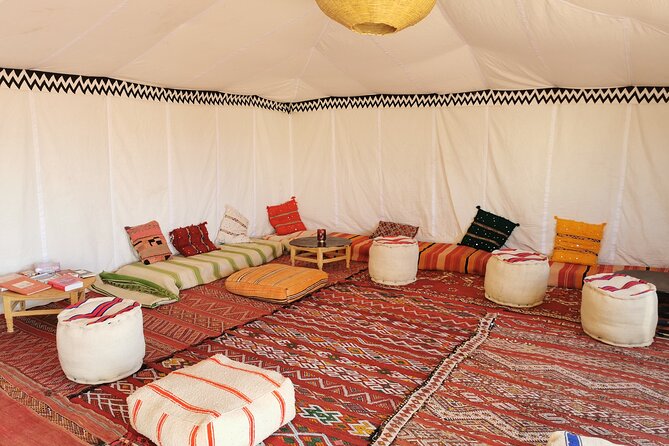
For the final night, you sleep in a more fixed setup: the Nomademoi bivouac in the dunes. The experience describes a traditional caidal tent for dinner and night, and it’s specifically positioned as a comfortable fixed bivouac in the heart of the big dunes.
A key detail for decision-making: you get both flexibility (roving bivouacs) and a calmer “settle-in” moment (the fixed camp). That balance helps if you’re not a hardcore camper type but still want the real desert feel.
Also, there’s a later-day option that’s just for fun: after breakfast at the fixed camp, you get free time and you can rest, enjoy a camel ride, and climb the highest dune of Erg Chegaga. That climb is optional in the schedule sense, but it’s the kind of thing you’ll probably want to try if your legs are cooperating.
Desert evenings: songs, music, and the human side
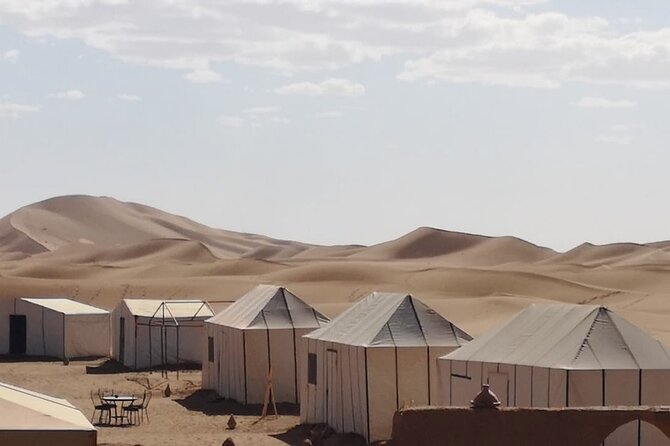
Desert nights can be quiet in the best way, and they can also be unexpectedly lively. The schedule includes a traditional evening around the fire with songs and music. This is the moment where the trek stops being only about terrain and turns into people-time.
One past experience highlighted how the team handled conditions even when storms happened. That matters because the desert isn’t always predictable, and the difference between a fun night and a stressful one often comes down to how organized the team is when weather shifts.
Another detail worth noting from reported experiences: the pace is adjusted for the group, and tea/dried fruit breaks help everyone recharge. That’s a small thing that makes a big difference when you’re tired, dusty, and trying to stay present.
Food on the trail: local ingredients, normal portions, big moments
The itinerary includes breakfast and dinner every day, plus lunch on walking days (it lists lunch four times). Meals are described as mostly fresh, local products and traditional cuisine. Translation: you’re not just eating for fuel; you’re eating in a way that fits the place.
From the experiences shared, the cooking gets real praise. One account specifically called out fantastic desert cooking made during the trek, even in tough conditions, which tells you this isn’t a “snack and hope” operation.
You can expect meals to be hearty enough for walking, but still realistic for desert logistics. Don’t count on restaurant-style variety every day. Do expect warmth, comfort, and flavors that feel Moroccan rather than generic tour food.
Camel rides and what they do (and don’t) replace
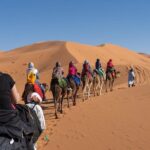
Yes, there’s a camel ride included as an afternoon option near the fixed camp. And your bags ride camels between bivouacs.
But the trek is still a walking trip. The camel moments are there for comfort and fun, not as a substitute for the hiking emphasis. So plan to walk most of your days and treat camel time as a highlight—like a scenic bonus—rather than the main event.
If you’re sensitive to animal handling standards, keep your expectations practical. The provided info stresses a native desert team and ongoing support, but it doesn’t spell out welfare specifics. So it’s smart to pay attention in person and ask if something doesn’t feel right.
Transportation and logistics: private pickup from a central Marrakech point
This tour includes private transportation and pickup from the Marrakech start point at Jemaa el-Fnaa. The meeting point is central, so you’re not hunting for a hotel van in the maze of Medina side streets.
You’ll also get a mobile ticket and confirmation within 48 hours of booking, assuming availability. That helps reduce last-minute uncertainty.
The return journey ends back at the meeting point in Marrakech after breakfast, so you’re not left scrambling for onward transport the final day.
One practical note: the Marrakech-to-desert schedule spans multiple road days. That’s normal for a Sahara trek, but you should plan for long driving hours and be okay with limited time for extra stops on the way.
Price and value: what you’re paying for (and why it can be worth it)
At $763.46 per person for about 8 days, you’re paying for a lot more than a couple guided hikes. Your price includes private transportation, a tent and mattress, multiple breakfasts, dinners, and lunches, plus the core operating costs of a desert trek: a guide, a native desert team, camp setup, and camel transport for baggage.
For value, the biggest win is that your daily workload is supported. You walk around six hours, but the heavy lifting of luggage movement and camp logistics is handled for you. In other words, you’re paying to make the experience feasible for non-experts.
The cost can feel high if you compare it to a day trip. But when you spread it across eight days of food, camping infrastructure, and desert operations, it’s closer to a “supported expedition” price.
What’s not included is hiking gear, tips, and personal expenses. Pack smart so you aren’t buying essentials on the fly.
Also, the trip has a maximum of 12 travelers. Small group size is usually where the comfort and pacing value comes from, especially in remote places where you can’t easily “make do” if the group is too big.
Who this trek suits best (and who might want something else)
This trek is described as ideal for beginners or occasional walkers who want to share and discover, and the walking target of about six hours daily supports that.
So it fits well if you:
- can handle a full week of moderate daily walking
- like outdoor nights and stargazing more than hotel amenities
- want a guided experience with a native team and meals included
- enjoy variety more than a single dune-photo only plan
It might be less ideal if you:
- need lots of downtime built into each day (the trek days are fairly active)
- want long stretches of easy walking without any uneven terrain (the stony reg and canyon terrain can slow you)
- aren’t comfortable with camping-style sleeping, even with a provided mattress
Practical tips to make the week smoother
You didn’t list exact gear, so I’ll keep this grounded. Since hiking gear isn’t included, bring what you need to walk comfortably on mixed ground—sand and stony surfaces—without turning every day into blisters.
Also:
- Dress for temperature swings. Desert days can be hot; desert nights can cool off fast.
- Bring a small daypack and keep essentials easy to grab during walking hours.
- If you’re sensitive to weather disruptions, remember storms can happen and a working team matters. This route’s structure is designed to keep the experience running even when conditions shift.
If you want to maximize the experience, go in with patience. This is a trek where the scenery rewards attention. The dunes are impressive, but the desert is more than that—it’s the walking, the camp routine, the fire evening, and the people who know how to make the place feel livable.
Should you book this Marrakech to Erg Chegaga desert trek?
I think it’s a strong choice if you want a guided Sahara hike that’s paced for real walkers, not just athletes. The best reason to book is the mix: canyon scenery, stony reg contrasts, then the big Erg Chegaga dunes, with nomadic-style camps plus a comfortable fixed bivouac for the finale.
If you want maximum luxury, choose another vacation. If you want a supported, authentic desert week with meals, small-group pacing, and the kind of desert night you’ll remember, this one makes sense.
Before you commit, double-check that you can handle moderate walking and that you’re ready for camping-style comfort. If that’s you, you’ll likely leave feeling like the desert was more than scenery—it was a real experience.
FAQ
How long is the trek from Marrakech?
The experience runs for about 8 days.
What is included in the price?
Your price includes private transportation, a tent and mattress, 7 breakfasts, 7 dinners, and 4 lunches. Pickup is offered, and you receive a mobile ticket.
Where does the tour start and end?
It starts at Jemaa el-Fnaa in Marrakech and ends back at the same meeting point in Marrakech.
Is pickup available from Marrakech and can arrivals go to Ouarzazate instead?
Pickup is offered from Marrakech. The plan also notes that you can arrange arrival in Ouarzazate instead, if you consult ahead.
What walking level should I expect?
The trek is described as moderate, with about 6 hours of daily walking. The experience is geared toward beginners or occasional walkers with moderate physical fitness.
What gear do I need to bring?
Hiking gear is not included. The tour provides a tent and mattress, but you should bring the walking gear you personally prefer for comfort.