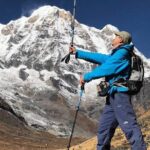
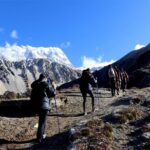
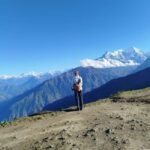
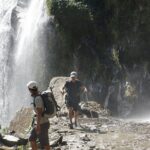
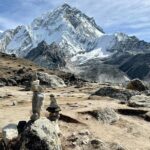
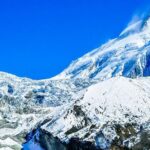
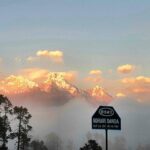
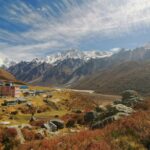
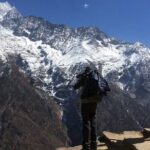
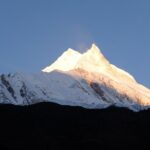
Yoga on the trail keeps you grounded. This 15-day Annapurna Base Camp trek pairs daily yoga classes with real hiking, then rewards you with up-close Himalaya views—including the striking Fish Tail, Machhapuchhre. It’s the kind of trip where your body works, your mind quiets, and the scenery stays seriously intense.
I love how much of the “make it happen” stress is handled for you: lodging plus daily breakfasts, plus guiding and transport between Kathmandu, Pokhara, and the trekking route. A small consideration: the plan is aimed at people with moderate hiking fitness and some uphill legs—especially as you climb and descend day after day around the Annapurna region.
You’ll also appreciate the group size limit (up to 20) because it usually means you’re not lost in a crowd during sunrise starts and short breaks. Add in morning and evening yoga, and the whole trek feels more structured than a solo version—useful when you’re tired, cold, or just trying to breathe through altitude.
In This Review
- Key moments worth your attention
- Why combine Annapurna Base Camp with twice-daily yoga?
- Day 1 in Kathmandu: hotel recovery, shopping time, and a welcome dinner
- Day 2 yoga in Kathmandu: pranayama and evening meditation
- Day 3 to Pokhara: the long drive that resets your mind
- Day 4 start trekking from Tikhedhunga via Birethanti
- Days 5 and 6: rhododendron forest to Ghorepani and the Poon Hill sunrise
- Day 7 to Chhomrong: the last permanent settlement vibe
- Day 8 to Dobhan: descend, cross the mood, then climb into the upper Modi valley
- Day 9 to Deurali: Hinko Cave, wildlife sightings, and Machhapuchhre near-views
- Day 10: arriving at Annapurna Base Camp (ABC) and settling in below the giants
- Days 11 to 12: back down through Sinuwa, then Ghandruk culture and a home dinner
- Day 13 to Pokhara: finish the trekking and switch back to lake-country time
- Day 14 and Day 15: drive back to Kathmandu, free time, then fly home
- Price and logistics: what $2,133.34 buys you (and what it doesn’t)
- Guide and yoga support: the human part (Manoj, Tirtha, and calm coaching)
- Altitude and pacing: where you’ll feel it most
- Daily rhythm walkthrough: what your time feels like from morning to night
- Should you book this Annapurna Base Camp yoga trek?
- FAQ
- How long is the Annapurna Base Camp yoga trekking trip?
- Where does the tour start and end?
- What does the price include?
- Is there a guide and yoga instructor included?
- What are the main mountain or elevation highlights mentioned?
- What is the group size limit?
- What is not included in the trip cost?
- What is the cancellation policy?
Key moments worth your attention
- Twice-daily yoga rhythm that fits around trekking so you recover and reset
- Poon Hill sunrise early morning for mountain drama before breakfast
- Guided route support with a professional guide named Manoj (based on group feedback)
- Culture pause in Ghandruk with a dinner hosted by a Gurung household
- Permits and conservation fees covered inside the package price
- Small-group feel (maximum 20), helpful on narrow trails and early starts
Why combine Annapurna Base Camp with twice-daily yoga?
Annapurna Base Camp isn’t a stroll. It’s a steady climbing-and-descending circuit where your legs do a lot of work and your breathing has to cooperate. The yoga component changes the tone of the trip: instead of treating yoga as an optional extra, you practice it as part of the hike. That matters because you’re not just “getting exercise,” you’re training how you move when you’re stiff, sore, and sometimes a little breathless.
You get both morning and evening sessions, including breathing work and meditation. In plain terms: morning yoga helps you start the day more prepared, and evening yoga helps you come down mentally after hiking. If you like the idea of conditioning your body while also calming your mind, this is a strong match for the route.
You can also read our reviews of more tours and experiences in Kathmandu.
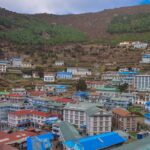
Day 1 in Kathmandu: hotel recovery, shopping time, and a welcome dinner
Day 1 is a Kathmandu buffer day. You’re arranged in a hotel, with time to rest or go shopping. That’s smart: before trekking you’ll likely want to handle basic gear and settle your schedule, especially if you’re arriving the same day the trek period starts.
There’s also a welcome dinner organized by the office. Even if you’re eager to get outdoors, that first evening is where you usually meet your group and get the tone of the trip—how the days will feel, how early you’ll start, and what kind of pace you should expect.
Day 2 yoga in Kathmandu: pranayama and evening meditation
Before breakfast, you do yoga in the morning. The session includes pranayama and meditation in the evening. This day is quieter than the trekking days, and that’s the point. Your body wakes up to the idea of daily practice, and you get a feel for how the instructor structures breathing and stillness.
If you’re new to pranayama, don’t worry—you’re not being asked to do anything risky based on the schedule. Think of it as learning how to use breathing as a tool when hiking gets demanding.
Day 3 to Pokhara: the long drive that resets your mind
From Kathmandu you go to Pokhara, and the itinerary shows a bus journey of about 7 hours. On the way you pass through forests, landscapes, mountain views, and villages—enough variety that you won’t feel stuck the whole time.
When you arrive in Pokhara, you’re transferred to a hotel for the night. This step helps you transition from city time into trek time. It’s also where the pace starts to feel more physical, even though today is mostly travel and sightseeing from the vehicle.
Day 4 start trekking from Tikhedhunga via Birethanti
Day 4 takes you from Pokhara toward Tikhedhunga. You drive to Nayapul (about 1 hour), then begin trekking from there toward Birethanti—an area beside the Modi Khola River. After that, you climb toward Tikhedhunga.
This is one of those days where you learn the route’s personality fast: uphill legs, a river valley setting, and the reality that even “Day 4” has meaningful elevation changes. The upside is that by the time you reach Tikhedhunga, you’ll feel like the trek truly started, not like you’re just commuting.
Overnight is in Tikhedhunga, which positions you well for the next leg into rhododendron terrain.
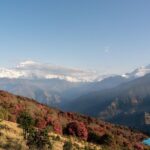
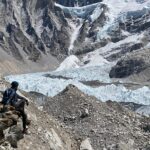
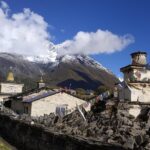
Days 5 and 6: rhododendron forest to Ghorepani and the Poon Hill sunrise
Day 5 heads toward Ghorepani. You walk through rhododendron and oak forests, cross Bhurungdi Khola, and reach Nangethanti (2,460 m.) for lunch before continuing to Ghorepani. That combination—forest trail plus a lunch stop at a named point—gives you a predictable rhythm. It also means you’re not only hiking in open views; a lot of the trek feels like moving through living forest.
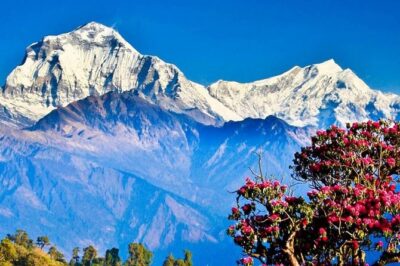
Then Day 6 delivers the big early-morning payoff: sunrise from Poon Hill (3,210 m.). You go early, watch the mountains catch first light, and then return to Ghorepani. After that, you trek to Tadapani, with a steep stretch through pine and rhododendron forests. You lunch at Deurali (2,960 m.) and continue down to Tadapani for the night.
Two practical things I like about this part:
- The Poon Hill sunrise gives you a “main character moment” before ABC, so the early work feels worth it.
- The next trek to Tadapani teaches you pacing. You’re not going all day at maximum effort, and that’s key for keeping altitude fatigue from stacking up.
Day 7 to Chhomrong: the last permanent settlement vibe
Day 7 walks from Tadapani to Chhomrong, a village with an impressive setting and the base of Himal Chuli starting from there. The route is very much about getting higher while also getting closer to the Annapurna “core” views. Chhomrong is described as the last permanent settlement of the valley, and you’ll feel the village scale shift compared to lower stops.
Overnight in Chhomrong is useful because it sets you up for the next descent-and-climb pattern.
Day 8 to Dobhan: descend, cross the mood, then climb into the upper Modi valley
Day 8 starts by descending to Chhomrong Khola, then climbing to Sinuwa, and continuing trekking toward the upper Modi Khola valley. After lunch you head to Dobhan by forest trail for the night.
This day’s structure matters. Descending tires you in a different way than climbing, and climbing always tests your breathing. Yoga here helps because it encourages you to slow down and stay aware of how your breath matches your step rhythm.
Day 9 to Deurali: Hinko Cave, wildlife sightings, and Machhapuchhre near-views
On Day 9 you move from Dobhan to Deurali. The itinerary includes passing Hinko Cave at around 3,100 m. You trek through jungle areas where you might see wildlife like deer, jackals, and peacocks. And you get very close views of Machhapuchhre—Fish Tail—based on the route description.
Wildlife moments and mountain close-ups both tend to happen when you’re not rushing. If you keep your effort steady and your breathing calm, you’ll likely notice more than if you treat every kilometer like a race.
Overnight is in Deurali, which is positioned perfectly for the final approach day into base camp.
Day 10: arriving at Annapurna Base Camp (ABC) and settling in below the giants
Day 10 is your base camp day: trekking from Deurali to Annapurna Base Camp (ABC). The itinerary notes that ABC is surrounded by mountains and offers a real, close mountain view.
This is the day where the trip stops being a plan and starts becoming a memory. You’ll likely feel the altitude in your chest, but also feel a strong sense of arrival. The day’s value isn’t only the picture moment. It’s the shift from “working for the view” to “standing in it,” even if it’s cold and you’re tired.
Then you overnight at ABC for a proper base camp experience rather than a quick stop-through.
Days 11 to 12: back down through Sinuwa, then Ghandruk culture and a home dinner
Day 11 goes from ABC to Sinuwa, and the route is mostly descent with enjoyable walking. You take lunch along the way, then sleep in Sinuwa.
Day 12 continues from Sinuwa to Ghandruk. You trek through forest-covered paths down toward Ghandruk village. This is a key cultural stop: the village is associated with Gurung ethnic people, with their own culture, tradition, language, dress, and lifestyle. The itinerary also includes dinner at an ethnic family house in Ghandruk.
I like this kind of stop because it makes the trek feel human. You’re not only passing scenery; you’re connecting to the communities that have lived with these mountains for generations. After days of hiking and breath work, that shared meal and cultural exchange is a genuine way to decompress.
Overnight is in Ghandruk.
Day 13 to Pokhara: finish the trekking and switch back to lake-country time
Day 13 wraps up the main trekking portion from Birethanti to Nayapul, then drives to Pokhara. The itinerary suggests you might celebrate completing the trek with a bit of time in Pokhara—your overnight is at a hotel.
This is an underrated part of the journey: you’re transitioning from daily trail life to more relaxed travel time. If your legs are sore, you’ll enjoy the breathing space.
Day 14 and Day 15: drive back to Kathmandu, free time, then fly home
Day 14 takes you from Pokhara to Kathmandu, about a 7-hour journey. You get free time in Kathmandu on arrival, with time for shopping—things you can take home from Nepal.
Day 15 is the final day: leave Nepal from Tribhuval International airport. The itinerary ends back at the meeting point, and the overall tour duration is about 15 days.
Price and logistics: what $2,133.34 buys you (and what it doesn’t)
This trek is priced at $2,133.34 per person for about 15 days, and the value comes from how much is bundled. You get:
- 15 nights’ accommodation plus daily breakfasts
- daily yoga classes (morning and evening) with an experienced instructor
- domestic flight and overland travel included (the detailed itinerary shows a 7-hour bus between Kathmandu and Pokhara)
- trekking-related fees for national park and conservation areas
From a value standpoint, this is the difference between paying for the trek itself and paying for the whole machine behind it: lodging, meals of a baseline type, and the schedule that keeps you moving. When you’re doing a route like ABC, that kind of planning matters.
What’s not included also matters:
- visa fee, medical insurance, airport tax
- your personal meals beyond breakfasts
- personal sleeping bags and bags
- accommodation cost in Kathmandu for early arrival, if you show up before the plan starts
- emergency evacuation charges (if they happen)
- tips for guides and porters (the package notes that tips aren’t provided)
So budget realistically. If you don’t travel with the right insurance, you’re taking on risk you can avoid. And if you like to eat like a normal person, plan spending for lunches and dinners.
Guide and yoga support: the human part (Manoj, Tirtha, and calm coaching)
The strongest feedback thread in the provided material is how professional and organized the guidance feels. A guide named Manoj is specifically mentioned as very professional, and the way the trek runs “systematically” comes up more than once.
The owner/operator Tirtha is also mentioned for making communication upfront easy and for caring during the journey. That kind of responsiveness matters when you’re booking from far away or trying to understand what to expect from daily yoga sessions plus hiking.
In real life, having a guide who can manage both logistics and morale makes a big difference. When the trail gets steep, you don’t want uncertainty. You want instruction, reassurance, and a plan.
Altitude and pacing: where you’ll feel it most
This tour is described as ideal for fit, outdoor-loving people with hiking experience, and it also lists a requirement of moderate physical fitness. You’ll see key elevations on the route like:
- Poon Hill at 3,210 m
- Hinko Cave around 3,100 m
- Deurali at 2,960 m
- Nangethanti at 2,460 m
Even without turning this into a medical discussion, you should expect that mornings at higher elevation can feel harder than you planned. The schedule alternates higher-demand hiking days with downhill sections, and yoga adds an extra chance to reset your breathing and body alignment.
Here’s how I’d think about preparation if you’re considering this trek:
- Train for uphill walking and long days, not just speed
- Practice steady breathing and slow pace on steep sections
- Pack for cooler mornings, since you’ll do sunrise starts
Daily rhythm walkthrough: what your time feels like from morning to night
A pattern repeats through the trip:
- Morning yoga before trekking days (or before breakfast)
- Trekking with lunch stops in named places on several days
- Evening yoga and meditation that helps you wind down and recover
On days like Ghorepani-to-Poon Hill, your morning is very early. That’s not a small detail—it’s the whole point of seeing the sunrise and catching mountain views while conditions are calmer. On descent days like Sinuwa-to-Ghandruk, you’ll still feel your legs, but yoga helps you loosen hips and recalibrate.
The overnight locations are placed so you don’t keep doubling back constantly. You move forward across the valley while gradually tightening the route toward ABC.
Should you book this Annapurna Base Camp yoga trek?
Book it if you want Annapurna Base Camp with structure. You’ll get twice-daily yoga, a guided setup, daily breakfasts, and a route that includes both mountain highlights and a real village-cultural moment in Ghandruk.
Skip it (or ask more questions first) if you’re hunting for a super-gentle trek. The itinerary includes steep and repeated uphill segments, plus an early sunrise day at altitude. This is still hiking. Yoga helps, but it doesn’t remove the need for real legs and steady pacing.
If you want a repeatable routine—practice, walk, recover—this package fits the bill. And if you appreciate a guide team that’s reported as professional and organized (Manoj and Tirtha are named in the provided feedback), you’ll likely feel less guesswork during the harder parts.
FAQ
How long is the Annapurna Base Camp yoga trekking trip?
The trip runs about 15 days.
Where does the tour start and end?
It starts in Kathmandu, Nepal (meeting point listed as Kathmandu 44600) and ends back at the same meeting point.
What does the price include?
The package includes accommodation for 15 nights with daily breakfasts, morning/evening yoga classes, domestic flight and overland travel, and trekking-related fees for national parks and conservation areas.
Is there a guide and yoga instructor included?
Yes. The trip is designed to be guided, and yoga classes are led by an experienced instructor.
What are the main mountain or elevation highlights mentioned?
Key elevations listed include Poon Hill at 3,210 m, Deurali at 2,960 m, Hinko Cave around 3,100 m, and Nangethanti at 2,460 m. Machhapuchhre close views are also part of the route.
What is the group size limit?
The tour has a maximum of 20 travelers.
What is not included in the trip cost?
Not included are visa fees, medical insurance, airport tax, personal meals, personal sleeping bags and bags, emergency evacuation charges (if applicable), early-arrival Kathmandu accommodation costs, and international flights. Tips for guides and porters are also not offered.
What is the cancellation policy?
You can cancel up to 6 days in advance for a full refund. Cancel 2–6 days prior for a 50% refund. Cancel less than 2 days before the start time and you receive no refund. If poor weather causes cancellation, you’ll be offered a different date or a full refund.