REVIEW · KATHMANDU
Annapurna Ghorepani Poonhill Trekking
Book on Viator →Operated by Nepal Horizon Treks and Expedition Pvt. Ltd. · Bookable on Viator
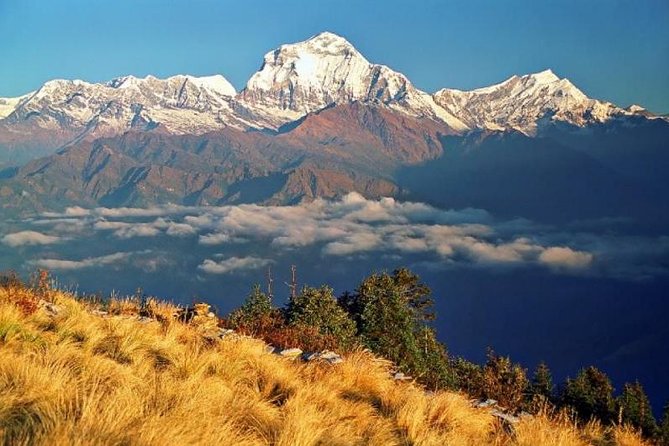
Sunrise at Poon Hill is pure Nepal magic. In this Annapurna Ghorepani Poon Hill trek, I love the mix of Kathmandu UNESCO sites and the Poon Hill sunrise that puts Annapurna, Dhaulagiri, Machhapuchhre, and Manaslu on your horizon.
The only catch: you need steady legs for stair-heavy sections and a very early hike to the viewpoint. Expect steep stair climbs and very early mornings, especially if you’re traveling in colder months.
In This Review
- Key points to know before you go
- Entering Kathmandu: Thamel first night and a trekking guide who has a plan
- Kathmandu’s big day: Pashupatinath, Swayambhunath, Boudnath, and Patan Durbar Square
- Road-trip to Pokhara: Trishuli River country and a real break from city noise
- Nayapul to Ulleri: suspension bridge views and the stair climb that tests your calves
- Ghorepani (Deurali) day: rhododendron and oak forest, plus Dhaulagiri in the distance
- Poon Hill sunrise at 3,210m: timing, views, and why this trek gets so famous
- Back to Kathmandu: rest day energy, then a farewell dinner with cultural shows
- Is $400 a good deal for this Annapurna Panorama trek?
- The guide factor: how support shows up on days 4–6
- Who should book this trek—and who should think twice
- Packing and pacing: small choices that make the sunrise day better
- Should you book Nepal Horizon for the Annapurna Ghorepani Poon Hill trek?
- FAQ
- What’s included in the Annapurna Ghorepani Poon Hill trekking package?
- Does this trek include airport pickup or transfers?
- How many days does the trek last?
- What’s the highest point on the trek?
- Is WiFi included?
- Is this tour private?
- What’s the cancellation policy?
Key points to know before you go
- Kathmandu UNESCO day covering Pashupatinath, Swayambhunath, Boudnath, and Patan Durbar Square
- Trishuli River drive to Pokhara for a scenic warm-up before trekking
- Nayapul to Ulleri with a suspension bridge and some serious stone staircase climbing
- Ghorepani (Deurali) views after walking through rhododendron and oak forest
- Poon Hill at 3,210m with a sunrise-friendly timing plan and big Himalayan panoramas
- Support that feels personal: airport transfers, a guide introduction, and multiple guides praised for caring about food, lodging, and even how you’re feeling
Entering Kathmandu: Thamel first night and a trekking guide who has a plan
Day 1 starts gently. You meet the Nepal Horizon Treks and Expedition airport representative outside the terminal, then head to your hotel with a guide introduced after check-in. The evening plan is simple: a stroll around Thamel to get your bearings fast, pick up anything you forgot, and watch Nepal life move at normal speed.
What I like about this approach is that it doesn’t throw you straight into logistics on day one. Even if your flight lands late, you’re not stuck guessing who to find or where to go next. You also get the small but useful “you’re in the right place” feeling from the pickup process and the mention of a mobile ticket—you arrive knowing the trip is tracked.
If you’re the type who hates last-minute scrambling, this is your vibe. You’ll still need a little patience for Kathmandu traffic, but you won’t waste your first day figuring everything out.
You can also read our reviews of more tours and experiences in Kathmandu.
Kathmandu’s big day: Pashupatinath, Swayambhunath, Boudnath, and Patan Durbar Square
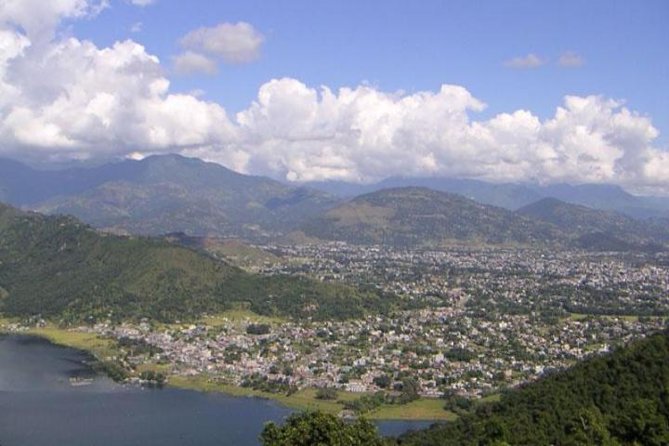
On Day 2, you get a full cultural sweep across major UNESCO sights. It starts at Pashupatinath Temple on the Bagmati River, then moves to Swayambhunath, the famous Monkey Temple perched above the city. From there it’s Boudnath Stupa, the big one that draws pilgrims and visitors alike, followed by Patan Durbar Square—an area known for old-town art, carved details, and deep local tradition.
This day matters because it changes the mood of your trip. Before trekking, you see Nepal as more than a backdrop for mountain photos. You learn how faith, ritual, and daily life sit side-by-side, which makes the trek feel more grounded once you’re walking through villages.
Practical note: this is a sightseeing day, so wear shoes you can comfortably walk in. Kathmandu temples involve steps, uneven paths, and time outside. I’d plan your energy for a long day, not a short one.
Road-trip to Pokhara: Trishuli River country and a real break from city noise
Day 3 shifts you into scenery mode. You drive from Kathmandu to Pokhara by private car through countryside, following the Trishuli River along the way. The river corridor is known for rafting, but even if you don’t hop in a raft, the valley setting helps you transition from urban Nepal into mountain Nepal.
When you arrive in Pokhara, you’re transferred to the hotel and given a free afternoon. That unstructured time is valuable. Trek mornings are early, so Pokhara afternoon time lets you eat well, rest your legs, and handle any last equipment needs without rushing.
The only consideration here is that Nepal road travel can be bumpy and winding. If you’re prone to motion sickness, plan ahead. Otherwise, this leg is a good “warm-up” day before your first real hike.
Nayapul to Ulleri: suspension bridge views and the stair climb that tests your calves
Day 4 begins with a drive along the zigzag route to Nayapul, the trekking start area. From there, you walk through Birethanti, a riverside village at the confluence of the Modi and Bhurungdi Kholas. That confluence detail matters because it hints at the trek’s character: constant water, valley depth, and a route that gradually rises.
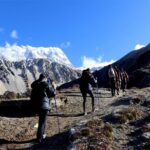
You then climb toward Sudame, move up gradually to Tikhedhunga, and cross a suspension metal bridge before tackling the steep climb on stone staircases to Ulleri. Ulleri is where you earn your first big altitude feeling—not by going high on a map, but by working your way up with frequent steps.
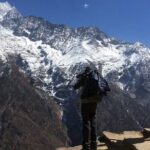
The payoff is a view of the valley floor and standout mountain faces, including Annapurna South and Hiunchuli. It’s a classic “slow grind now, reward later” trek day.
The drawback is obvious the moment you see those stairs: you’ll work your calves. If you’re a beginner, this day is still manageable, but it helps to pace yourself and take breaks before you’re exhausted. Your guide’s job is to keep you moving at a safe rhythm, and you’ll feel that on this stretch.
Ghorepani (Deurali) day: rhododendron and oak forest, plus Dhaulagiri in the distance
On Day 5 you continue trekking through dense forest of rhododendron and oak. This section is more than just a pretty walk. Forest shade often makes the climbs feel less harsh, and the rhythm of the trail through trees gives you a mental break from constant open-view climbing.
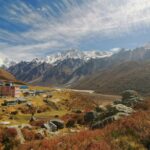
After several hours and breaks, you reach Ghorepani. The upper area, Deurali, is where the views start to really sharpen—especially Dhaulagiri and the wider Annapurna Himalayan range. This is the “getting close to the sunrise” day. You’re not at Poon Hill yet, but you’re moving into the zone where early-morning weather and cloud cover can make a real difference.
One practical note: plan for changing temperatures. Even without exact numbers listed for this day, Nepal’s mornings can feel cool, then warm up as you gain elevation and sunlight.
If you like hikes that are active but never brutally technical, Day 5 is a strong middle day. It sets you up for the next morning’s push.
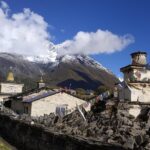
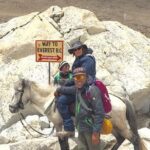
Poon Hill sunrise at 3,210m: timing, views, and why this trek gets so famous
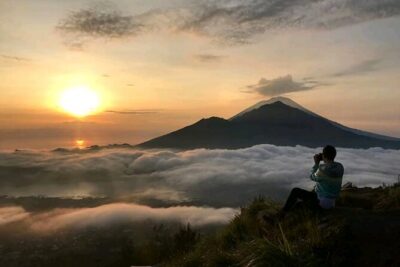
Day 6 is the star. After an early breakfast, you hike up for about 45 minutes to reach Poon Hill (3,210m / 10,530ft). This is not a long day of climbing, but it’s a morning climb you feel in your legs because you’re doing it early, on purpose, for sunrise.
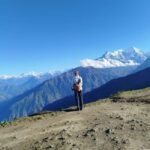
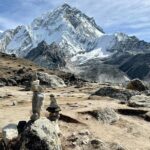
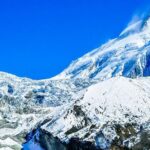
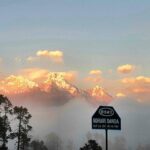
Once you reach Poon Hill, you get that unobstructed viewpoint over a wide slice of the Himalayas. You’re looking at Dhaulagiri, the Annapurnas, Machhapuchhre (Fish Tail), Manaslu, and even distant Dolpo in the far western region on clear days. It’s a big panorama day, and it’s why this route is often treated as a “first Himalayan trek.”
After the sunrise moments, you hike downhill to Nayapul and then catch a private vehicle for the return to Pokhara. That quick transport after trekking is a big quality-of-life factor. You don’t need to add more walking when your day has already started before sunrise.
If you’re going in colder months, keep this in mind: early mornings can be chilly, and gear matters. In one February Poon Hill experience, Deep helped organize the trek and recommended additional cold-weather items for guests who had come with limited gear besides trainers. That’s a smart reminder that “short hike” doesn’t always mean “comfortable.”
Back to Kathmandu: rest day energy, then a farewell dinner with cultural shows
Day 7 returns you to Kathmandu by private car. After breakfast, you drive back along the route you used earlier, then check into your hotel for a proper reset. This rest time isn’t just free time on a schedule. It’s what helps you enjoy the last evening instead of dragging through it.
The day ends with a farewell dinner at a typical Nepali restaurant hosted by Nepal Horizon Treks and Expedition, with cultural shows. This is a good way to close the loop: you’ve walked through mountain valleys, but you’re also ending with Kathmandu-style culture in a relaxed setting.
A small practical tip: if you’re buying gifts or trekking souvenirs, do it earlier in the trip rather than only on the last day. Kathmandu time can move fast, and you’ll enjoy shopping more when you’re not rushing.
Is $400 a good deal for this Annapurna Panorama trek?
At $400 per person for an approximately 8-day experience, the value depends on what you care about most—and what you want included.
Here’s what’s explicitly included:
- Breakfast (7)
- Lunch (3)
- Dinner (4)
- Dinner in Kathmandu for the farewell meal
- Pickup and transfers tied to the airport and main connections
- Private tour/activity, with only your group participating
- Mobile ticket confirmation
What’s not included:
- International flights
- Visa fee
- WiFi on board
- Meals in cities other than what’s stated
Why I think the price can make sense: Poon Hill trekking isn’t just “walking days.” You’re getting multiple transport legs (airport-to-hotel, Kathmandu sightseeing routing, Kathmandu-to-Pokhara, plus the return drive), plus guided coordination throughout. When a trek includes solid meal coverage during the active days, you spend less time hunting for food and more time resting between walks.
Also, the company has a track record in feedback for taking care with food, accommodation, and health conditions, and specific guides get praised by name—like Raju, Bishal, and Deep—plus manager-owner Dipendra in some accounts. That kind of human attention is hard to price, but it’s exactly what helps trekking feel safe and comfortable for beginners.
If you want a purely self-guided budget trek, you might find cheaper options. But for a first-time or comfort-oriented Himalayan intro, $400 can be fair—especially with meal coverage and coordinated transfers.
The guide factor: how support shows up on days 4–6
The most repeated theme in feedback is not just scenery—it’s care. People mention guides checking in about how you’re doing, and being thoughtful about food and accommodation so you can recover each day.
On routes like this, that matters because trekking fatigue sneaks in. Your body doesn’t care that the next view is famous. It cares about pace, breaks, hydration, and how your feet feel after stair sections and early mornings.
Specific names show up in the experience feedback, including:
- Raju, praised for service and as a guide
- Bishal, praised for kindness and helpful guidance
- Deep, involved in arranging and advising for a February Poon Hill trip
- Dipendra (listed as manager/owner in some feedback), noted for planning and making things feel organized
- Ramesh and Kumar appear in other Nepal trek feedback, showing the team has multiple guides who are recognized for friendliness and professionalism
You shouldn’t treat any name as guaranteed for your exact dates. But the pattern is clear: this operator tends to hire and support guides who know the practical side of trekking, not just the sightseeing side.
Who should book this trek—and who should think twice
This trek fits well if you want:
- A moderate fitness challenge without going deep into hardcore mountaineering logistics
- A shorter introduction to Himalayan trekking
- Big sunrise payoff without a multi-week schedule
It’s also a good fit for families and beginners because the route is designed as a gradual progression, with recognizable villages like Tikhedhunga, Ulleri, and Ghorepani along the way.
Who should think twice: anyone who hates stair-heavy walking. Day 4 includes a steep stone staircase climb to Ulleri after crossing a suspension bridge, and your legs will notice. Also, if you’re traveling in colder seasons, plan for early-morning cold—picking the right layers is part of having a good day.
Finally, this is a private tour, and the minimum is two people per booking. If you want solo travel, you may need to confirm how the company handles the minimum requirement.
Packing and pacing: small choices that make the sunrise day better
You’re walking in forests, crossing bridges, climbing stairs, and doing an early morning hike to a viewpoint. That combination rewards smart basics.
Think about:
- Layers for very early mornings at altitude and cooler air on the way to Poon Hill
- Comfortable shoes with grip for stone stairs and uneven village paths
- A simple plan for breaks so Day 4 doesn’t turn into a leg-sapping marathon
If you’re trekking in winter months, don’t assume your normal city gear will work. In one February Poon Hill account, Deep recommended extra cold-weather items to guests who arrived with limited cold protection besides trainers. That’s the kind of practical advice you want on this route.
And pace matters more than speed. The best sunrise experiences usually come from arriving calm, not sprinting. Your guide can help you set that rhythm.
Should you book Nepal Horizon for the Annapurna Ghorepani Poon Hill trek?
If you want an organized intro to Nepal’s mountain scenery—plus real Kathmandu culture before you hike—this plan is worth serious consideration. The itinerary rhythm is strong: Kathmandu heritage day, a scenic transfer to Pokhara, then trekking days built toward the Poon Hill sunrise at 3,210m.
I’d book if:
- You value guided coordination and smooth transfers
- You want meal coverage during the trekking days
- You’re excited for a sunrise panorama that includes Annapurna, Dhaulagiri, Machhapuchhre, and Manaslu
- You’d like a team that pays attention to how you’re feeling, not just the clock
I wouldn’t book if:
- Stair climbs make you miserable
- You’re trying to do this at the absolute lowest cost and don’t want included services
For many first-timers, this is the sweet spot: not too long, not too technical, and genuinely memorable.
FAQ
What’s included in the Annapurna Ghorepani Poon Hill trekking package?
The package includes breakfast (7), lunch (3), and dinner (4). It also includes a farewell dinner in Kathmandu with cultural shows, plus pickup/transfer support as described in the itinerary.
Does this trek include airport pickup or transfers?
Yes. An airport representative meets you outside the airport terminal hall and transfers you to your hotel in Kathmandu, and you’ll also be transferred to the airport on your last day with plenty of time before your flight.
How many days does the trek last?
The duration is listed as 8 days (approx.).
What’s the highest point on the trek?
The itinerary highlights Poon Hill at 3,210m / 10,530ft.
Is WiFi included?
No. WiFi on board is listed as not included.
Is this tour private?
Yes. It’s described as a private tour/activity, and only your group will participate. A minimum of 2 people per booking is required.
What’s the cancellation policy?
Free cancellation is available up to 24 hours in advance of the experience start time for a full refund. If you cancel less than 24 hours before, the amount paid is not refunded.