REVIEW · DEMOCRATIC REPUBLIC OF CONGO
Lowland Gorilla trekking in Kahuzi-Biega National Park
Book on Viator →Operated by Ubuntu Voyages · Bookable on Viator
Gorillas in Congo feel impossibly real. This 3-day lowland gorilla trekking safari in Kahuzi-Biega National Park puts you in front of Grauer’s gorillas in their natural habitat, with a conservation-and-people side route built in, including Lwiro Sanctuary. I like that the package is built around the big-ticket item—your gorilla permit—and keeps things manageable with a maximum group size of 5.
A big part of the value is the real-world support: border help at Cyangugu, a professional driver/guide, and a calm pace that avoids frantic rushing. The main drawback is cost creep: at $2,200 per person, you’ll still need to budget extra items like visa, meals, and tips, plus you’ll need to arrange your own flights (and round-trip airport transfer is not included).
In This Review
- Key things to know before you go
- Why Kahuzi-Biega lowland gorillas are the main event
- Getting there from Kigali: Cyangugu border support and a calmer start
- Bukavu as a warm-up: cathedral, Bralima, markets, and Panzi Hospital
- Lwiro Sanctuary: conservation context before the gorilla trek
- The gorilla trekking day: start time, trail expectations, and gear
- Accommodation and transport: what’s covered, and what that means for you
- Price ($2,200): is it good value for gorillas in Kahuzi-Biega?
- Physical fitness and safety: how to prepare the smart way
- Who this trip suits best (and who should think twice)
- The short list of details I’d plan around
- Should you book lowland gorilla trekking in Kahuzi-Biega?
- FAQ
- How long is the lowland gorilla trekking experience in Kahuzi-Biega?
- What time does the experience start?
- What is included in the $2,200 per person price?
- What is not included?
- Do I need a certain fitness level?
- Can I cancel and get a full refund?
Key things to know before you go
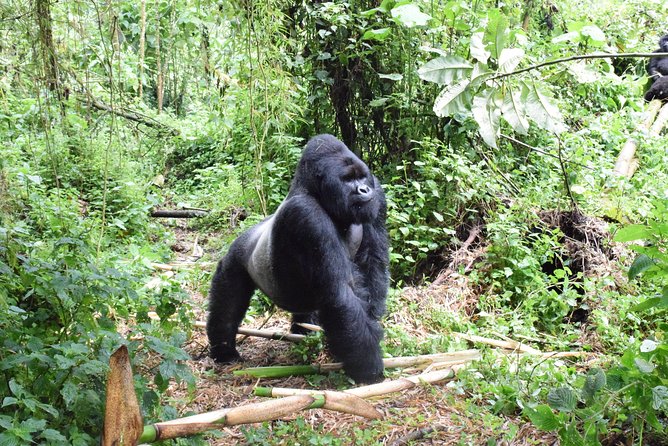
- Grauer’s gorillas in Kahuzi-Biega: a high-stakes wildlife experience with park rangers and permit access included
- Small group limit (max 5): more flexibility and less crowd pressure around the trekking day
- Cyangugu border assistance: you’re guided through formalities so you’re not figuring it out alone
- Bukavu warm-up if you arrive early: cathedral, Bralima brewery, markets, hydroelectric center, and Panzi Hospital
- Lwiro Sanctuary visit: a conservation stop that adds context to what you’re coming to see
- Forest trek prep matters: one hike was about 90 minutes, with jungle branches you may touch
Why Kahuzi-Biega lowland gorillas are the main event
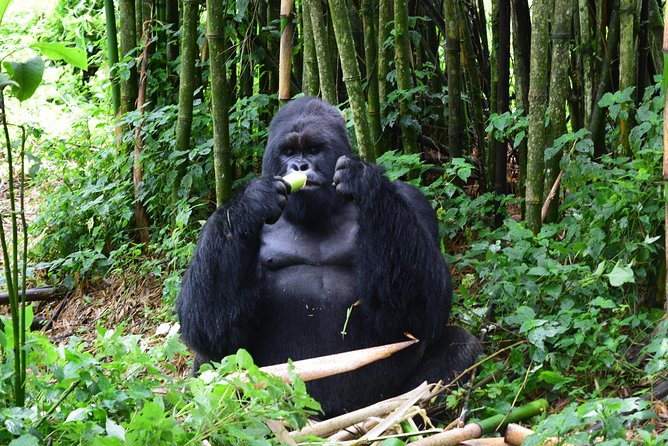
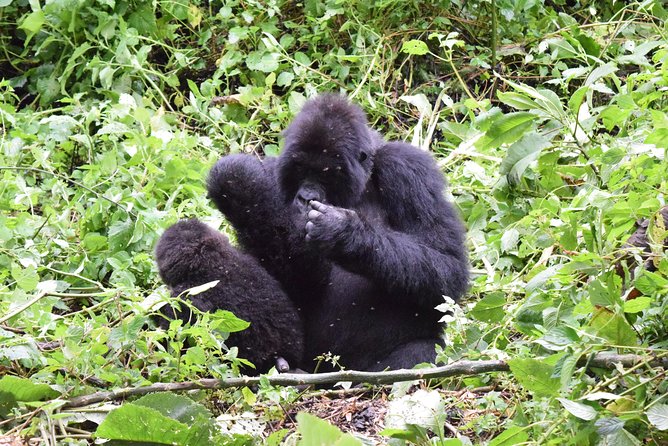
This trip is laser-focused on one thing: seeing lowland gorillas (often referred to as Grauer’s gorillas in this region) in the Kahuzi-Biega National Park ecosystem. This is the kind of encounter that makes the science feel less like a textbook and more like breathing, moving, real life.
What makes this experience worth serious money is the structure around the gorilla hour. A gorilla trek in this area isn’t a casual walk in the park. You’re going through a guided process designed for both the animals and your safety. The permit is included, and you’ll have professional support through the day, which matters when the schedule depends on nature, not a stopwatch.
Also, the safari doesn’t treat the gorillas as a stand-alone attraction. You add conservation context at Lwiro Sanctuary, and you get some time for community touchpoints through the broader in-country route. That combo tends to leave you with more than photos. You come away understanding why the work matters.
Getting there from Kigali: Cyangugu border support and a calmer start
Most of your “travel stress” on a trip like this comes before you ever reach the forest. Here, the itinerary begins at Kigali International Airport with greetings and a briefing, then a transfer to the Cyangugu border. You get staff support there for the formalities and check-in process on the DRC side.
That may sound like logistics trivia, but it’s a big deal. When you remove the guesswork at a border crossing, you preserve energy for the actual day outdoors. And since this is a 3-day experience, you can’t afford to burn hours in confusion.
The tour also supports a practical timing strategy. If you arrive early, you can use the extra time for a Bukavu city tour instead of just waiting around. It’s a good way to get your bearings fast and turn arrival time into something meaningful.
One more note: pickup is offered, but you should plan around the fact that a round-trip airport transfer is not included. The itinerary covers the start (from Kigali to the border area), but you may need to arrange the rest depending on your flight times and where you’re staying.
Bukavu as a warm-up: cathedral, Bralima, markets, and Panzi Hospital
If your schedule allows, Bukavu becomes more than a drive-through. The optional stop is designed to give you a sense of the region while you’re still fresh and not yet focused only on gorillas.
Here’s what’s listed for the city visit:
- the cathedral
- Bralima brewery
- local markets
- a hydroelectric center
- Panzi Hospital
Why this matters: gorilla trekking can feel surreal, like you stepped into a movie scene. Bukavu helps you reconnect to everyday Congo life before you head into the forest. You’re not just going to see wildlife; you’re moving through a real place with real institutions, commerce, and community spaces.
A small caution: a city day can add to your walking and energy use. If you land early and you know you’ll be doing a trek the next stretch, keep your pace gentle. Aim for comfortable sightseeing, not a marathon of stops. Your best trekking day starts with you feeling rested.
Lwiro Sanctuary: conservation context before the gorilla trek
The Lwiro Sanctuary stop is one of the most useful parts of this itinerary. The gorilla hour is the peak moment, but sanctuary time helps you understand the bigger picture: endangered species don’t survive through luck. They survive through hands-on conservation work, training, and long-term care.
In practical terms, sanctuary visits give you:
- a sense of how endangered wildlife is supported
- a clearer idea of how biodiversity connects across the region
- a shift in mindset from sightseeing to stewardship
I like that this isn’t just an add-on photo opportunity. It’s framed as a biodiversity-rich place, which tends to make your later gorilla encounter feel more grounded. You can stand in front of animals and better understand what you’re witnessing, instead of treating it like a one-time spectacle.
And since the tour emphasizes interacting with local people as well, this sanctuary stop can be the bridge between “what I see” and “why it needs protection.”
The gorilla trekking day: start time, trail expectations, and gear
Your trek is tied to the tour’s start time of 8:00 am. That early start is normal for wildlife days, but it also means you’ll want to be ready the night before.
From the practical notes shared in the experience details, here’s what to expect on the trek itself:
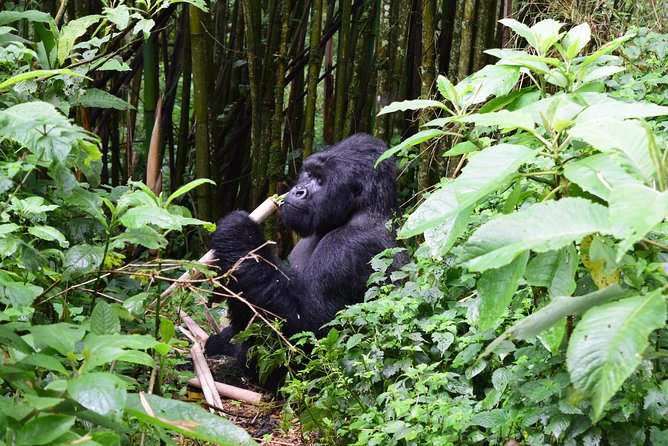
- the trek can involve a hike of around 90 minutes
- the trail runs through forest
- guides help keep the route clear
- you’ll likely brush against branches, so protection matters
Gear advice is not optional. You’ll want a good pair of hiking boots, long pants and a long-sleeve shirt, and even work gloves if you expect to use your hands for balance or to handle branches. This is one of those cases where the “right” clothes also make you feel calmer. You spend less time worrying about scratches and more time focused on where you’re headed.
Another real-life point: you’re with rangers and trained local professionals. That helps. When the trek is through dense forest, the skill isn’t just getting you there. It’s keeping you safe, moving you properly through the terrain, and managing distance and behavior around wildlife.
Finally, remember the trekking is only part of the experience. The tour is also set up to keep things supportive—professional driver/guide service is included, and the small group size (max 5) helps reduce waiting around and makes the day feel more intentional.
Accommodation and transport: what’s covered, and what that means for you
This safari includes accommodation and all transportation as part of the package. That matters in the DRC context because you don’t want to coordinate vehicles, timing, and route changes on your own while you’re already dealing with border formalities and nature-based schedule uncertainties.
A professional driver/guide included also changes the tone of the trip. You’re not just buying access to gorillas. You’re buying a buffer against the chaos that can happen when things run slower than planned. The experience is structured to feel supported, with staff handling the tough-to-handle parts.
Food and drinks are not included, but the reviews and experience notes emphasize that meals can be a bright spot, including home-cooked options mentioned in feedback. Still, since meals aren’t listed as included, you should budget separately for what you’ll eat each day and plan for how you’ll handle your preferred drink situation.
One more thing: your ticket is mobile, which tends to be easier to handle than printing documents and hunting for paper.
Price ($2,200): is it good value for gorillas in Kahuzi-Biega?
At $2,200 per person, this isn’t a bargain trip. It’s a premium experience, and you should judge it the way you’d judge a once-in-a-lifetime purchase: what’s included, what you avoid, and what you gain.
Here’s how the value math looks based on what’s provided:
- Gorilla permit included: this is the core cost driver for gorilla trekking
- All transportation included: you avoid vehicle sourcing and route friction
- Accommodation included: you don’t have to find and price lodging on the fly
- Professional driver/guide included: not just driving, but support through the days
- Group size capped at 5: that’s a real service advantage in wildlife days
What’s not included helps explain why the price is still not the whole budget:
- international/domestic flights
- visa
- meals and drinks
- tips
- personal items
- round-trip airport transfer
So the honest way to think about the price is this: you’re paying for permit access plus the in-country support system that makes the trek realistic. You’re not paying to “figure it out yourself.”
If you want this kind of wildlife encounter with less stress, in fewer moving parts, the package pricing tends to make sense. If you’re trying to build the trip from scratch or you’re traveling on a tight daily budget for extras, this may feel heavy.
Physical fitness and safety: how to prepare the smart way
The tour notes call for a moderate physical fitness level. That’s consistent with a forest trek that can last around 90 minutes, along with the reality of uneven ground, dense vegetation, and repeated walking.
Practical steps that help:
- pack the trekking clothing listed above (boots, long sleeves/pants, gloves)
- plan for wet or muddy forest conditions, even if conditions are not described
- keep your first day gentle so your legs are fresh when the trek day arrives
- treat the trek as effort, not as a casual stroll
On safety and comfort, the overall tone in the information and experience notes is that people feel looked after. The border support helps reduce stress at a high-tension moment, and having a professional guide/driver included adds stability.
One more thing to keep in mind: the trip can feel emotionally intense. A close-up wildlife encounter in a protected area is powerful. Go in with calm expectations. Don’t rush your own experience, even if the day moves efficiently.
Who this trip suits best (and who should think twice)
This tour makes the most sense if you:
- want a guided gorilla trek with permit support
- prefer a smaller group setting (max 5)
- like the idea of a conservation stop at Lwiro Sanctuary and not only a gorilla hour
- want help with the hardest-to-handle part early on: Cyangugu border formalities
It may be less ideal if you:
- are extremely price-sensitive and dislike budgeting extra for visa, meals, tips, and personal items
- have mobility concerns beyond moderate walking fitness
- want fully inclusive pricing with flights and meals already handled
If you’re on the fence, don’t overthink it. Think about whether you want a guided, supported gorilla experience that protects your time and reduces uncertainty. This package is built for that.
The short list of details I’d plan around
- Meet at 8:00 am: get ready to go early
- Expect a forest trek and plan for gear like boots, long layers, and gloves
- Budget extra for visa, meals, and tips
- Use early arrival time for Bukavu if offered and you still have energy
- Treat Lwiro Sanctuary as part of your understanding, not just a stop
Should you book lowland gorilla trekking in Kahuzi-Biega?
Yes, if gorillas are your top priority and you want the trip built around support: permit included, a small group, and help with the border and in-country movement. This is also a good fit if you appreciate conservation context. The sanctuary stop and the broader route make the whole experience feel less like a single photo moment and more like a meaningful introduction to the region.
I’d think twice if you need flights and visas to be included, or if you don’t have room in your budget for meals, drinks, and tipping. Also be honest about your fitness. Moderate readiness is required, and the trek includes time on forest trails where good clothing helps a lot.
If your goal is a well-organized, emotionally memorable wildlife day in one of the best-known gorilla areas, this is the kind of package that can deliver.
FAQ
How long is the lowland gorilla trekking experience in Kahuzi-Biega?
It lasts about 3 days.
What time does the experience start?
The start time is 8:00 am.
What is included in the $2,200 per person price?
The price includes the gorilla permit, all transportation, accommodation, and a professional driver/guide.
What is not included?
International and domestic flights, visa, meals and drinks, personal items (like souvenirs and travel insurance), tips, and other expenses are not included. Round-trip airport transfer is also not included.
Do I need a certain fitness level?
Yes. You should have a moderate physical fitness level.
Can I cancel and get a full refund?
Yes. You can cancel for a full refund if you cancel at least 24 hours in advance of the experience start time. Free cancellation is offered under that condition.