REVIEW · JIMBARAN
Mount Batur Sunrise Trekking and Rice Terrace Adventure
Book on Viator →Operated by TripGuru · Bookable on Viator
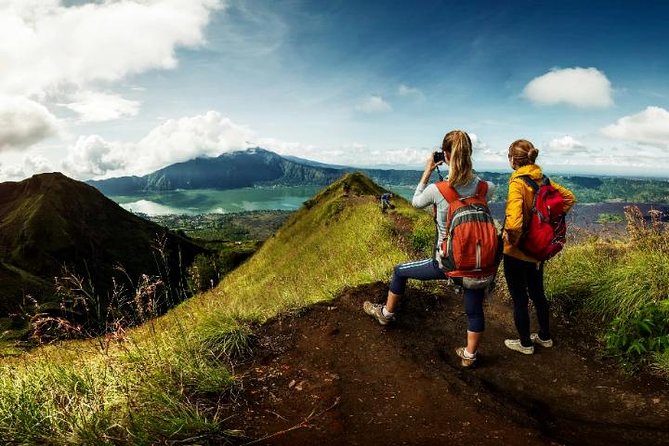
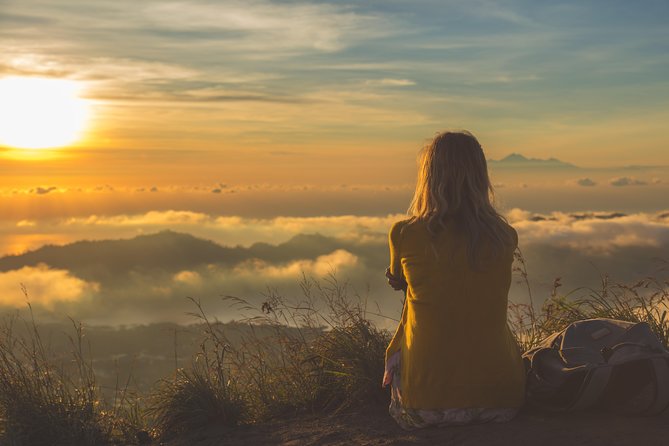
Sunrise on Mt. Batur changes your mood early. This is a classic Bali-morning move: you’re guided up toward the crater rim, watching the sky shift as the volcano wakes up. I like that it’s planned around real early-morning timing, not a vague start.
Two things I really like: an English-speaking trekking guide who leads the way, and breakfast with a warm drink waiting for you at the top. One consideration: you’ll be up at 2:45am, and the hike can feel tough when it’s rocky and dusty, especially if your fitness is only average.
In This Review
- Key Points at a Glance
- Mt. Batur Sunrise Timing: Why 2:45am Is Part of the Deal
- The Hike Up: What the Climb Feels Like and How You’ll Be Supported
- Sunrise Moment: Breakfast, Hot Drink, and the View at the Crater Rim
- The Descent: Daylight Views and Why the Return Path Matters
- Tegalalang Rice Terrace Stop: Coffee, Views, and a Soft Landing After the Volcano
- Price and Value: Is $80 Actually a Good Deal?
- The Guide Factor: Names You’ll Hear and What They Tell You
- Who This Tour Fits Best (and Who Might Feel Frustrated)
- Upgrades and Flexibility: Transfers, Private Tours, Hot Springs
- What to Bring So the Morning Feels Easier
- Weather Reality: Sunrise Hikes Depend on It
- Final Verdict: Should You Book Mt. Batur Sunrise and Tegalalang?
- FAQ
- What time does the Mt. Batur sunrise tour start?
- How long is the tour?
- Is hotel pick-up included?
- Is the Tegalalang Rice Terrace stop included for everyone?
- What’s included in the tour price besides the climb?
- Do I need to bring food for the sunrise?
- What group size should I expect?
- How physically demanding is the hike?
- Can I book a private tour or add hot springs?
- What happens if weather is bad?
Key Points at a Glance
- 2:45am start: built for sunrise viewing on Mt. Batur
- Small group size (max 9 travelers) keeps the pace manageable
- Guide-led climb helps you stay on route and move safely
- Breakfast + hot drink included after sunrise
- Optional upgrades for hotel transfers, Tegalalang Rice Terrace, and private tours
- Footing matters: bring solid shoes for gravel, rocks, and uneven paths
Mt. Batur Sunrise Timing: Why 2:45am Is Part of the Deal
This tour is structured around one big payoff: sunrise from the crater rim area on Mt. Batur. The start time is 2:45am, which is brutal at first… then suddenly totally worth it once the sky starts to glow. You’ll typically be picked up from your area (unless you choose the meeting point option) and transferred to the base so you can begin the climb early enough.
The itinerary also makes sense for how volcano trekking works. You’ll spend about 5 hours on the Mt. Batur portion, with enough early darkness to start safely and enough daylight on the way down to enjoy views that only show up once the sun is up. Expect the overall day to last around 10 hours, mostly because you’re stacking transport, trekking, sunrise, and sightseeing.
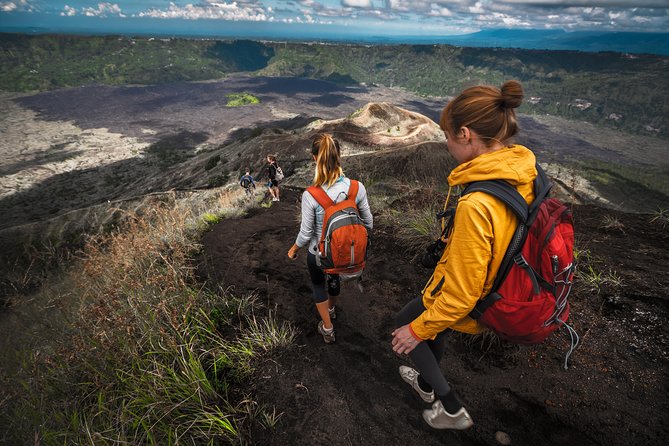
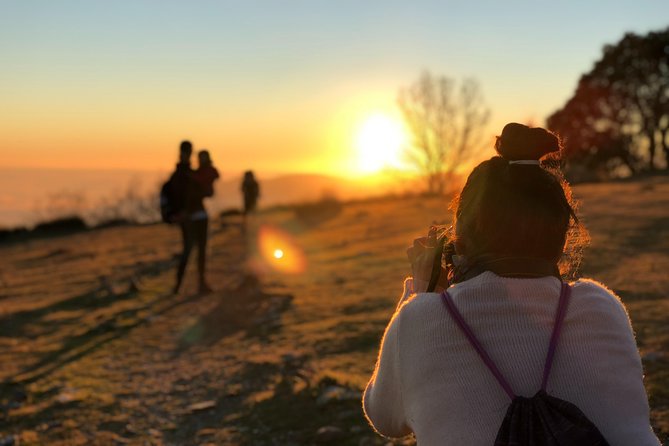
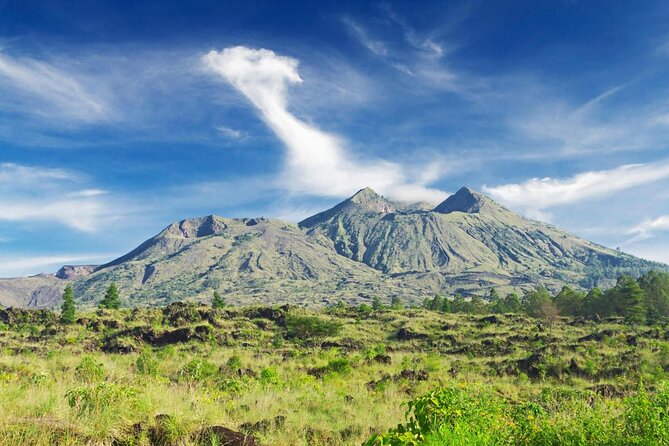
The sunrise factor is not just about photos. In the darkness, you’ll appreciate having a guide who knows the terrain. And once daylight arrives, you can actually see what you came for: crater formations, lava-textured ground, and distant mountains across the valley.
You can also read our reviews of more tours and experiences in Jimbaran.
The Hike Up: What the Climb Feels Like and How You’ll Be Supported
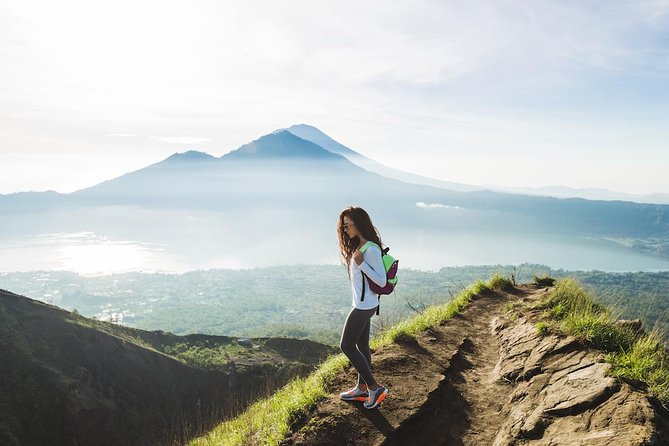
The climb is not described as a casual walk, and the reality matches that. You’ll be trekking on loose gravel and rocky sections. Even if you’re an experienced walker, you’ll want good shoes with traction and a firm grip. The tour includes a flashlight, and a trekking pole if necessary (so don’t assume you’re bringing everything). That support matters because early-morning footing can be unpredictable.
This is where the guide-led format is more than a nice extra. You’re not climbing in a crowd and guessing where to step. An English-speaking trekking guide leads the route and helps you keep your rhythm. Some groups have been especially impressed by guides’ practical help on steep or tricky parts, including support with safe climbing techniques along the way.
You might also hear a lot of volcano talk along the route. The tour includes learning about Mt. Batur’s thermal properties and taking in deep crater features and natural formations near the top area. That adds meaning to the effort. You’re not only walking toward a sunrise; you’re learning what you’re looking at while you’re there.
And yes, sunrise itself is a big moment. But what makes the hike feel complete is what happens right after: once you’ve reached the top, you get time for the view, then you transition into breakfast and warmth before heading down.
Sunrise Moment: Breakfast, Hot Drink, and the View at the Crater Rim
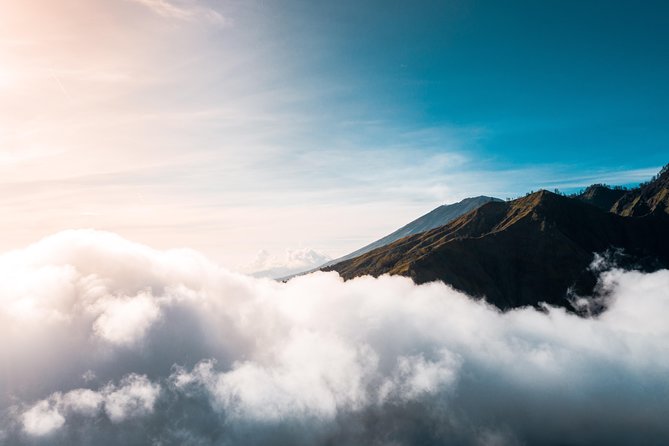
Once you reach the summit area for sunrise viewing, the tour includes a hot beverage and breakfast. That’s huge on a cold, early start. Even if you sleep poorly, a warm drink can make the whole morning feel human again.
From up top, you’ll be watching the light roll over the volcano terrain. Then, as you head downward and daylight fully kicks in, you’ll see details that are hard to make out in pre-dawn: black sand and charred landscapes, plus visible hints of lava streams. The view also includes a distant landmark—Mount Agung across the valley—so your sunrise isn’t trapped in a single volcano scene.
There’s also an energy shift at this point in the day. At the start you’re focused on steps. At sunrise you start looking outward. Later, as you trek down in daylight, you get a chance to slow down and actually see the area around you.
Practical tip: sunrise hikes often come with wind. Dress for cool air even if the forecast feels warm later in the day.
The Descent: Daylight Views and Why the Return Path Matters
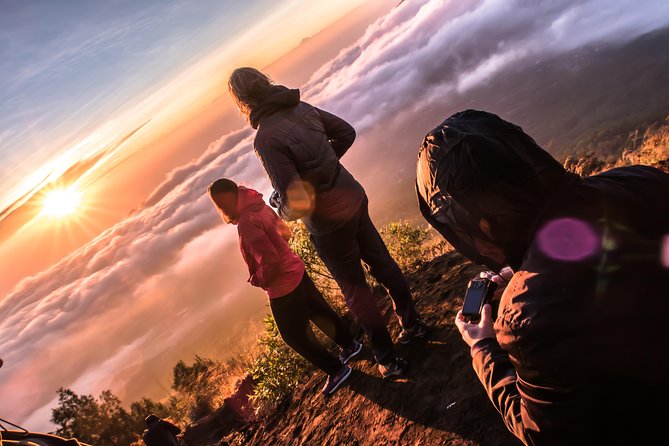
After sunrise and breakfast, you’ll begin the return trek down. By then it’s daylight, and that changes the whole experience. The scenery becomes easier to enjoy, and it’s also when you’re likely to notice the contrast between darker volcanic ground and brighter sky.
You’ll get the chance to admire views that were previously hidden while it was still dark. That includes the charred black areas, the uneven ground patterns from volcanic activity, and wider valley views. You also get a better look at Mt. Agung in the distance.
Some tours take different routes down, and that’s part of why the same hike can feel fresh on different days. Even if your itinerary doesn’t promise route variety, the simple fact that you’re descending in daylight helps you “read” the mountain much more clearly than you could on the way up.
And if you’re thinking, What if I’m not the fastest person? Don’t worry too much. The tour structure is built for a steady pacing with an experienced guide. You don’t need to sprint; you need to keep moving consistently.
Tegalalang Rice Terrace Stop: Coffee, Views, and a Soft Landing After the Volcano
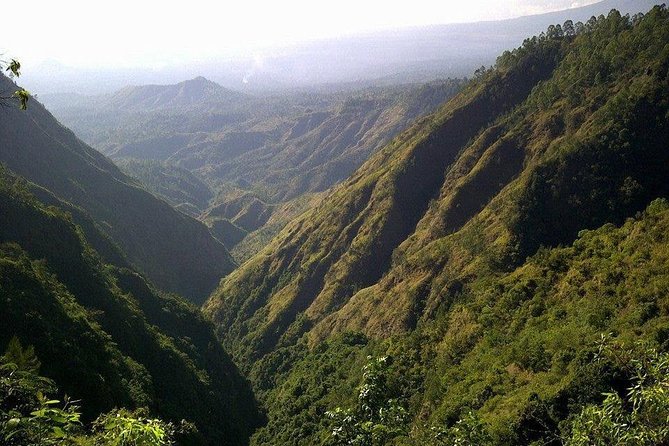
After Mt. Batur, the tour adds a second act: Tegalalang Rice Terrace. This part of the day gives you a change of scenery from volcanic rock to iconic Bali farmland.
The stop is timed for a morning coffee moment. It’s about 2 hours, and that’s usually enough time to grab a drink, enjoy the view, and walk around at a relaxed pace without feeling rushed. It’s also a nice counterbalance if you want your day to include more than one kind of landscape. You’ll see terraced fields in morning light—often the kind of calm that makes the earlier climb feel even more worthwhile.
One important catch: the Tegalalang Rice Terrace stop is excluded in the meeting point option. So if you want coffee and terraces, make sure you’re choosing the option that includes that stop (or choose an upgrade that adds it).
Price and Value: Is $80 Actually a Good Deal?
At $80 per person for about 10 hours, this isn’t a budget-only experience. But the value stacks up because a lot of costs are already handled.
What’s included:
- Entrance fees for Mt. Batur and Tegalalang
- English-speaking trekking guide
- Hotel pick-up and drop off except the meeting point option
- Air-conditioned vehicle
- Breakfast plus drinking water
- Flashlight and trekking pole if necessary
- Insurance
- Entry for both key sites (not just one)
What’s not included: lunch and other drinks.
So you’re paying for a managed morning where you don’t have to solve transportation, permits/entry fees, guide logistics, or “what do we do when it’s dark” planning. For sunrise treks, that kind of organization is often what separates an enjoyable morning from a stressful one.
Also, max group size of 9 travelers matters for value. It usually means less waiting and less time stuck while someone figures out where to go next.
If you’re the type who likes to move at a steady pace with clear instructions, the $80 price feels fair. If you only want sunrise and nothing else, you might question adding the terraces. But the terraced stop usually gives you a satisfying full-day flow.
The Guide Factor: Names You’ll Hear and What They Tell You
One of the strongest signals in the feedback is that guides affect the whole experience. You might be paired with someone like Agus—described as patient and focused on helping when the climb gets tricky. Another name that comes up is Katut, praised for trekking support and making sure the day works from start to sunrise.
Drivers also show up as part of the quality story. People have credited drivers like Dewa and Senegal for friendliness and useful context while heading toward the mountain. That matters because the tour isn’t only about the hike. It’s also the “how you feel before you start walking.”
Bottom line: if you want a smooth sunrise hike, you’re not just buying access to the mountain. You’re buying someone’s experience with the route, timing, and safety rhythm.
Who This Tour Fits Best (and Who Might Feel Frustrated)
This tour is best for you if:
- you’re up for an early start (2:45am)
- you’re comfortable with a moderate fitness level hike
- you want a guided experience with safety and route clarity
- you like a full morning plus a scenic cultural stop afterward
You might want to rethink it if:
- you dislike rocky, uneven trails
- you’re expecting a leisurely stroll
- you’re sensitive to cold mornings (plan clothing accordingly)
- you want a lot of free time and no schedule pressure
If you’re traveling solo, the small-group format can feel friendly without being crowded. And if you’re traveling as a couple or small group, the pace often feels more personal than large-group volcano tours.
Upgrades and Flexibility: Transfers, Private Tours, Hot Springs
The standard format is small group, guide-led, and designed around sunrise. But there are upgrade paths depending on what you want to add.
You can upgrade to include:
- hotel transfers
- a stop at Tegalalang Rice Terrace
- private tour options
- and you can add a hot springs visit (if you book the private-style upgrade)
This is useful if your priorities are different. If you’d rather focus only on the volcano and sunrise, a smaller private format can help you get pacing you prefer. If you want a full “wake up, climb, soak, and unwind” kind of day, adding hot springs makes the most sense.
What to Bring So the Morning Feels Easier
Even though the tour provides key support like flashlight and trekking gear if needed, you still want to show up prepared for the physical side.
Bring:
- good hiking shoes with grip
- warm layers for early morning air
- water-friendly basics, even though drinking water is included
- a light rain plan if weather shifts (you’ll feel it out there early)
Also remember: lunch and other drinks are not included. So if you’ll want something later in the day, plan ahead so you’re not hunting for food while tired.
Weather Reality: Sunrise Hikes Depend on It
This experience requires good weather. If weather is poor and the tour can’t run as planned, you’ll be offered a different date or a full refund. That’s important because volcano sunrise treks don’t work well in heavy conditions.
The upside: because the day depends on weather, operators have a reason to watch conditions closely. So when it does run, you can usually expect visibility and a workable trail.
And if it’s cloudy or rainy, the vibe changes. You might still get the climb and guidance, but what you’ll see from the top may not match the clearest-sky photos people post.
Final Verdict: Should You Book Mt. Batur Sunrise and Tegalalang?
I’d book this tour if you want a structured, guide-led Mt. Batur sunrise trek with warmth waiting at the top, plus a morning coffee break at Tegalalang Rice Terrace. The value is strong when you look at what’s included: guide, entrance fees, breakfast, water, transport, and safety extras like flashlight and trekking poles if needed.
Skip or adjust it if you’re not ready for rocky footing, or if terraces matter to you enough that you should avoid the meeting point option (since the rice terrace stop is excluded there). Also, if you’re very sensitive to early mornings, be honest with yourself about waking at 2:45am.
If you go in prepared, this is one of those Bali days that feels like it’s doing exactly what it promised: sunrise from a volcano, then a scenic landing afterward.
FAQ
What time does the Mt. Batur sunrise tour start?
The start time is 2:45am.
How long is the tour?
It lasts about 10 hours.
Is hotel pick-up included?
Hotel pick-up and drop off are included except for the meeting point option.
Is the Tegalalang Rice Terrace stop included for everyone?
Tegalalang Rice Terrace is excluded in the meeting point option.
What’s included in the tour price besides the climb?
Entrance fees, an English-speaking trekking guide, air-conditioned vehicle, breakfast, drinking water, flashlight, trekking pole if necessary, and insurance.
Do I need to bring food for the sunrise?
No. Breakfast and a hot beverage/snacks are included. Lunch and other drinks are not included.
What group size should I expect?
This tour has a maximum of 9 travelers.
How physically demanding is the hike?
It’s aimed at travelers with moderate physical fitness. The hike is not described as easy, and you should expect rocky, uneven terrain.
Can I book a private tour or add hot springs?
Yes, you can book a private tour and add a hot springs visit as an additional option.
What happens if weather is bad?
This experience requires good weather. If it’s canceled due to poor weather, you’ll be offered a different date or a full refund.