REVIEW · KATHMANDU
4 Days Poonhill Trek From Pokhara To Pokhara
Book on Viator →Operated by Holyland Adventure Tours and Travels · Bookable on Viator
Sunrise at Poonhill sets the tone. This 4-day trek is a smart mix of classic stair-climbs, village walks, and big Himalayan viewpoints—plus pickup and a mobile ticket to keep things simple. I really like how much is handled for you up front, and I also like the value-minded extras that turn a trek into a whole Nepal mini-trip.
One thing to keep in mind: lunch and dinner aren’t included, so you’ll want to budget for meals at teahouses along the way. Also, the whole plan runs in real mountain weather—clear mornings can’t be forced, so you’ll need to dress for cold starts and possible cloud cover.
In This Review
- Key highlights before you go
- Why Poonhill earns its early wake-up call
- Pokhara to Nayapul, then back to town in 4 days
- Day 1 Ulleri: Nayapul, the bridge, and the 3200-step wall
- Day 2 Ghorepani Deurali: jungle walking and rhododendron season
- Day 3 Poonhill sunrise, then on to Ghandruk
- Day 4 Kimche and the return drive to Pokhara
- Price and logistics: what $294.79 buys you
- Your guide and porter: practical help that saves time
- What to pack (and what to expect from mountain weather)
- Should you book this 4-day Poonhill trek?
- FAQ
- What’s included in the trekking package?
- Do I need to arrange permits like ACAP and TIMS?
- Is a guide and porter included?
- What are the pickup hours?
- Can I request vegetarian meals?
- What happens if weather is poor?
Key highlights before you go
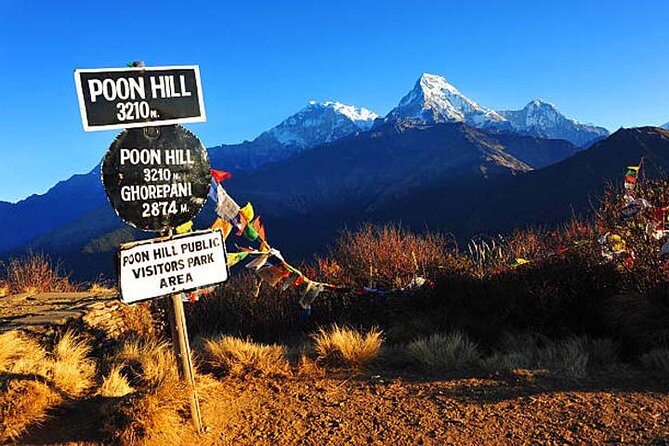
- Poonhill sunrise with wide Himalayan views: Annapurna South, Hiunchuli, Machhapuchhre (Fishtail), and more
- Steady support: 1 guide and 1 porter for your group
- Memorable route pieces: the Tikhedunga Khola suspension bridge and the famous steep stone stair section
- Teahouse-style trekking rhythm: overnight lodge stays at Ulleri and Ghorepani, then Ghandruk area on Day 3
- Value add-ons: Kathmandu arrival night comfort, bus tickets, and a local family dinner
Why Poonhill earns its early wake-up call
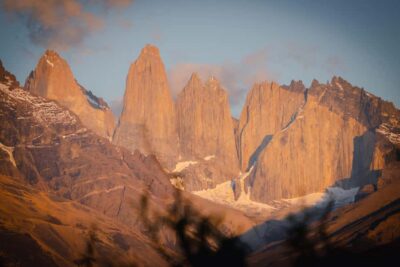
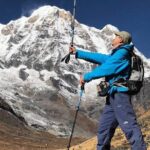
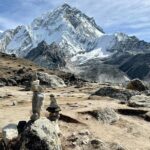
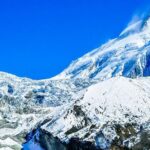
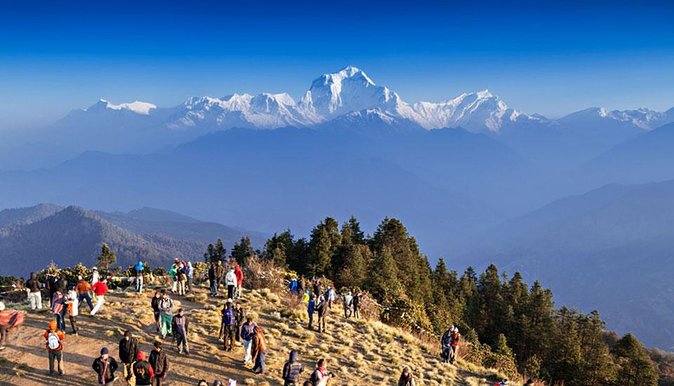
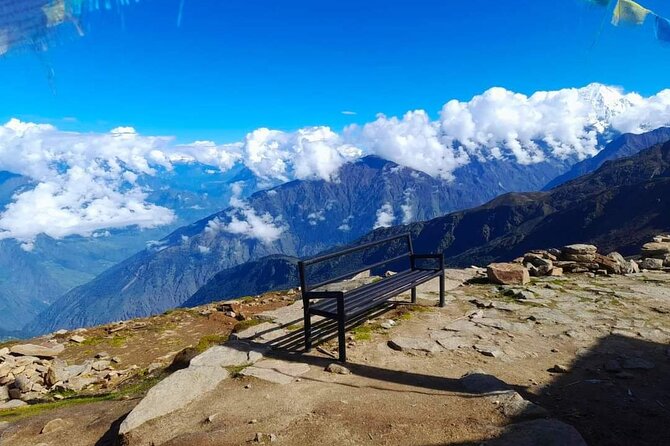
Poonhill is famous for a reason: you’re not spending a week climbing to reach a single viewpoint. You get a short, intense morning climb, then a payoff that can include a huge range of peaks at once—Annapurna South, Bahari Shikhar, Hiunchuli, Nilgiri, Dhaulagiri, Tukuche Peak, and even a look toward Machhapuchhre (Fishtail) on a clear day.
The best part is the pacing. You’ll start early with warm clothes, walk up toward Poonhill (about one hour), then return to Ghorepani for breakfast. That loop is efficient: you get sunrise without having to commit your whole day to a single climb.
And if you’re the type who hates carrying too much, this trip has you covered. For the sunrise push, it’s stated that you don’t need to take much—you’ll return later to collect your main rucksacks. That small detail matters more than it sounds once your legs are working.
You can also read our reviews of more tours and experiences in Kathmandu.
Pokhara to Nayapul, then back to town in 4 days
This trek is built around a simple travel flow: you’re in Pokhara first, then you drive to Nayapul to start walking, then you drive back at the end. Day 1 begins after breakfast with a private car ride from Pokhara to Nayapul (about 1.5 hours). From there, the trail starts right away, so you’re not burning a day on transfers.
On Day 4, you finish with a short walk to Kimche (about one hour) and then a drive back to Pokhara (around three hours). That means you’re not stuck hiking on a long descent day just to reach civilization.
The package also comes with transportation help that you’d normally pay extra for. You’re given a Pokhara bus ticket as part of the complimentary services, and you also receive a guest house room in Pokhara with breakfast. If you want a longer buffer at the end, there’s even a complimentary room in Pokhara with breakfast and a tourist bus option to Kathmandu/Chitwan/Lumbini/Birgunj/Kakarvitta.
Practical takeaway: this is a good choice if you want the trek, but you also want your logistics handled like a grown-up plan.
Day 1 Ulleri: Nayapul, the bridge, and the 3200-step wall
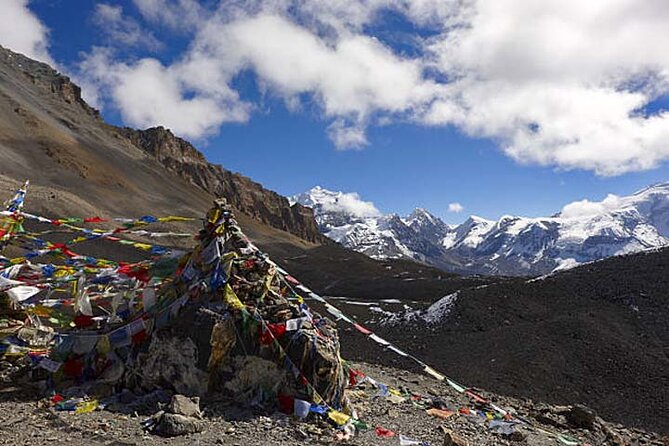
Day 1 starts easy in theory—drive to Nayapul, then begin trekking. In practice, the trail quickly shows you what Poonhill-area trekking is about: villages, teahouses, rivers, and green hills, followed by a climb that ramps up fast.
One of the most memorable early moments is crossing the Tikhedunga Khola on a suspension bridge. You get that classic Himalayan sense of place—water cutting through valleys, local paths connecting communities—then you turn into the main ascent.
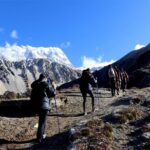
This is where the famous stair section hits. After Ulleri climbs begin, you’re looking at more than 3200 steps up a stone staircase. It’s steep enough that you’ll want to take your time and pace your breathing. You’ll see Mt. Annapurna South (7219m.) and Hiunchuli (6441m.) during the climb, which helps the effort feel worth it rather than endless.
You’ll overnight at a lodge in Ulleri. Lodges mean simple comfort: you can dry out, eat something warm, and sleep so you can handle the next day’s longer valley-to-ridge feeling.
Day 2 Ghorepani Deurali: jungle walking and rhododendron season
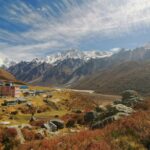
Day 2 shifts the mood. Instead of pushing straight up stair after stair, you’ll walk through a more trail-and-trees kind of day. The route is described as going through jungle most of the day, and if you travel in spring, you may spot rhododendron flowers.
This day is also your wildlife-and-bird day. The trek notes the chance to see wild birds and animals, which is one of those small “did that just happen?” moments you don’t get on rigid, city-style tours. Even if you don’t spot wildlife every day, the rhythm is calmer: you keep moving, you pass local environments and teahouses, and you build altitude without needing to sprint.
You’ll walk from Ulleri to Ghorepani (around five hours) and overnight at a lodge near Ghorepani Deurali. Ghorepani is essentially your launchpad for Poonhill, so Day 2 is about getting in place and building your legs for sunrise morning.
If you like predictable routines—walk, rest, eat, sleep—this is the day that feels the most “trekking standard,” in a good way.
Day 3 Poonhill sunrise, then on to Ghandruk
Day 3 is the star day, but it’s also the day with the biggest contrast: cold sunrise climbing, then a return to breakfast, then trekking onward to Ghandruk.
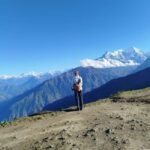
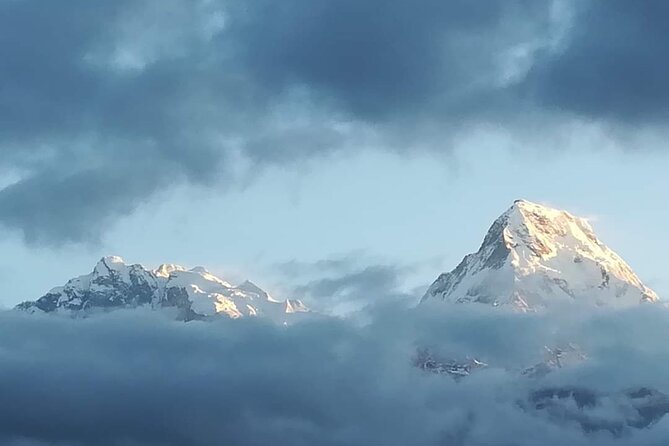
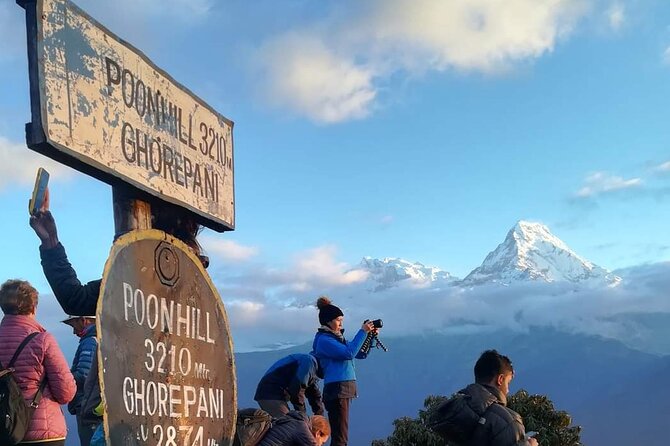
You’ll get up early with warm clothes and head up to Poonhill (3210m.). It’s about one hour walking to reach the viewpoint. The payoff, when skies cooperate, is the big view list: Annapurna South, Bahari Shikhar, Hiunchuli, Nilgiri, Dhaulagiri range, Tukuche Peak, Annapurna I/II/III/IV, Lamjung Himal, Mt. Manaslu ranges, plus Machhapuchhre (Fishtail) and other peaks.
Then you head back down to Ghorepani for breakfast. That detail matters. Many treks either make you stay up at the viewpoint all morning or delay food until later. Here, breakfast is scheduled after you’ve done the sunrise mission.
After that, you trek to Ghandruk. The hike begins with a fairly steep uphill section to Deurali pass, described as a similar elevation challenge to Poonhill. This is where your legs will tell you the truth about the last two days.
Net effect: Day 3 feels like two treks in one, but the structure keeps it manageable—sunrise first, then onward.
Day 4 Kimche and the return drive to Pokhara
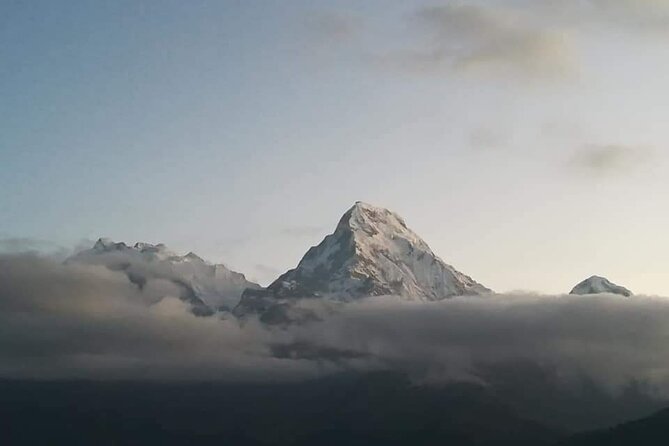
Day 4 is shorter on paper, and that’s on purpose. If the morning is clear, you may get close-up views of Annapurna South, Hiunchuli, Machhapuchhre (Fishtail), and Annapurna III. Even if you don’t get a perfectly clear panorama, you’ll still have breakfast with mountain views, which is a nice way to finish without rushing.
Then it’s a short walk from Ghandruk to Kimche (about one hour). After that, you drive back to Pokhara (around three hours). This is a good final format because you’re ending the trekking phase while you still have energy, and you get time back in town to eat a proper meal, shower, and reflect on what you just did.
As mentioned earlier, there are optional add-ons if you want more time in Pokhara before moving on: a complimentary room for one night with breakfast and a tourist bus to popular destinations.
Price and logistics: what $294.79 buys you
At $294.79 per person, you’re paying for more than just “someone to walk with you.” The included core items are important:
- Trekking permit coverage (ACAP) and TIMS card
- 1 guide and 1 porter
- Breakfast (4)
Not included are lunch and dinner, plus insurance/medical treatment and tips. That’s common on treks, but it’s also the main budgeting variable. Plan on paying teahouse prices for daytime meals, and keep some cash on hand.
Where the value really gets interesting is the complimentary services. You’re offered:
- An arrival night accommodation in Kathmandu with breakfast
- A Kathmandu–Pokhara bus connection (described as a Pokhara bus ticket)
- A room in a guest house in Pokhara with breakfast (plus bus onward options)
- One evening dinner at a local family home, joining with the family
Those extras can easily change the feel of the trip. Instead of arriving stressed, then scrambling to manage transport and lodging, you get a smoother on-ramp. And the family dinner isn’t just food—it’s a chance to see daily life, practice small conversations, and learn how locals frame the mountains beyond trekking brochures.
Group size matters too. The tour notes a maximum of 14 travelers. Smaller groups tend to mean less waiting, fewer bottlenecks at stops, and a more personal pace—especially when there’s a guide and porter coordinating everyone’s gear and timing.
Your guide and porter: practical help that saves time
This trek runs on support, not luck. You have a guide and porter, which is huge for a 4-day itinerary where mornings start early and your schedule doesn’t have room for chaos.
A good guide does three things fast: keeps the route clear, manages pace, and helps you make sense of what you’re seeing. On past trips, guests have mentioned guides like Arith Shrestha and Durga by name, praising their friendly, proactive approach and overall management. I’d expect that kind of energy here: someone who stays positive, checks that things are okay, and keeps the day moving without turning it into a drill.
A porter is about more than comfort. It’s about reducing the weight that turns small climbs into big suffering. Since the sunrise climb at Poonhill doesn’t require carrying your whole load, the system makes sense: your main rucksack is handled, you travel lighter for the viewpoint push, and your energy goes to the steep parts that actually matter.
What to pack (and what to expect from mountain weather)
The trip operates in all weather conditions, and it explicitly recommends dressing appropriately. That’s trekking-speak for: cold mornings are real, rain can happen, and the mountain temperature can shift quickly. You’ll be waking up early for Poonhill, so warm layers are non-negotiable even if daytime walking feels comfortable.
Since lunch and dinner aren’t included, you’ll also want to be ready to buy food at teahouses and ask about vegetarian options. Vegetarian options are available if you request them at booking, and you should advise specific dietary requirements in advance.
Also remember: this is a moderate physical fitness trek. You don’t need to be a marathon runner, but you do need to be comfortable with uphill walking, stairs, and steady elevation gain over multiple days. If you can handle a sustained uphill hike for several hours, you’ll likely do fine.
If you get sick easily, bring your basic travel first-aid and take weather seriously. The tour notes that insurance and medical treatment aren’t included, so you’ll want to handle that yourself.
Should you book this 4-day Poonhill trek?
I’d book this if you want a classic Poonhill experience without wasting energy on logistics. The combination of early sunrise, village-and-ridge walking, and a straightforward itinerary is exactly what most first-time trekkers hope for. I also like the value because you’re not only getting permits and meals—you’re getting real help with Kathmandu and Pokhara timing, plus a local family dinner.
Pass on it if you’re the type who hates uncertainty about weather views. The trek runs in all conditions, and Poonhill’s best moments depend on clarity. Also, if you dislike budgeting for lunch and dinner separately, that missing meal coverage can add up.
If you want big views, manageable days, and a team that seems to work with you (not just around you), this is a solid pick for a 4-day Poonhill trek from Pokhara to Pokhara.
FAQ
What’s included in the trekking package?
The package includes trekking permits (ACAP and TIMS card), a guide and porter (1 each), and four breakfasts. Lunch and dinner are not included.
Do I need to arrange permits like ACAP and TIMS?
You don’t need to arrange them yourself for this booking because the trekking permits include ACAP and the TIMS card.
Is a guide and porter included?
Yes. The tour includes 1 guide and 1 porter, and you should have their support throughout the trek.
What are the pickup hours?
The stated operating window for pickup is 6:15 AM to 12:45 PM, Monday through Sunday.
Can I request vegetarian meals?
Yes. Vegetarian options are available. You should advise dietary requirements at the time of booking.
What happens if weather is poor?
The experience requires good weather, but it also operates in all weather conditions. If the experience is canceled due to poor weather, you’ll be offered a different date or a full refund.