REVIEW · HANOI
Hanoi: 2-Day Sa Pa Guided Village & Homestay Trekking Tour
Book on GetYourGuide →Operated by VIETNAM GOLF PACKAGE · Bookable on GetYourGuide
Rice terraces set the tempo fast. This 2-day Hanoi to Sapa tour mixes big mountain views with real village life, not a checklist-and-bus day. I particularly like the rice-terrace photo stops around Y Linh Ho, plus the chance to slow down with a homestay family in the late-afternoon and evening.
One thing to think about: the day 1 trek is about 9 km and lasts roughly 3.5 hours. If rain hits, footing can get sketchy, and the tour notes that older travelers may want to skip the long trek for safety.
In This Review
- Key things to know before you go
- A two-day Sapa trek that actually feels rural
- Price and logistics: what $84 buys, and what to plan for
- Day 1 in Sapa: Y Linh Ho to Lao Chai and into Ta Van
- Morning drive from Hanoi
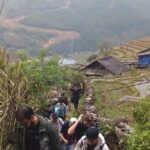
- Trek through the rice terraces near Y Linh Ho
- Arriving near Ta Van in late afternoon
- Homestay evening: family time, sunset, and simple facilities
- Day 2: Ta Van to Giang Ta Chai, with bamboo and a red Dzao village view
- Morning trek: rice paddies and photo time
- Bamboo forest and a panorama stop
- Crossing toward the pickup point
- What the best guides do on this route
- Who this trek is best for (and who should skip the long day)
- Packing for Sapa’s cold snaps, fog, and muddy trails
- A realistic way to think about the itinerary
- Should you book this Hanoi to Sapa 2-day homestay trek?
- FAQ
- FAQ
- How long is the trekking on day 1 and day 2?
- Where does pickup happen in Hanoi?
- When do you arrive in Sapa on day 1?
- What villages and ethnic communities are included?
- What meals are included?
- Is there an English-speaking guide?
- Do I need to bring cash?
- What should I pack for weather in Sapa?
- Is the tour suitable for kids or people with mobility impairments?
- Are pets allowed?
- Can the itinerary change due to weather?
Key things to know before you go
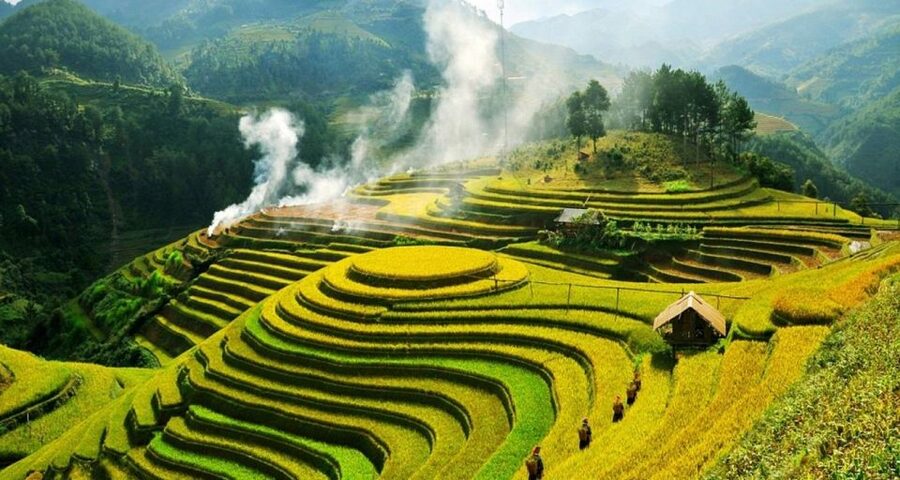
- Rice terraces + streams: you walk through fields and along Muong Hoa Stream toward Lao Chai.
- Village variety: Black Hmong in Lao Chai, Zay/Dzay around Ta Van, and red Dzao in Giang Ta Chai.
- Homestay experience is basic: think simple facilities, family time, and shared meals.
- Day 2 is shorter but scenic: 4 km with bamboo forest and a panorama viewpoint.
- Cash matters in Sapa: banking can be unreliable, so bring Dong (USD/EUR are accepted).
A two-day Sapa trek that actually feels rural
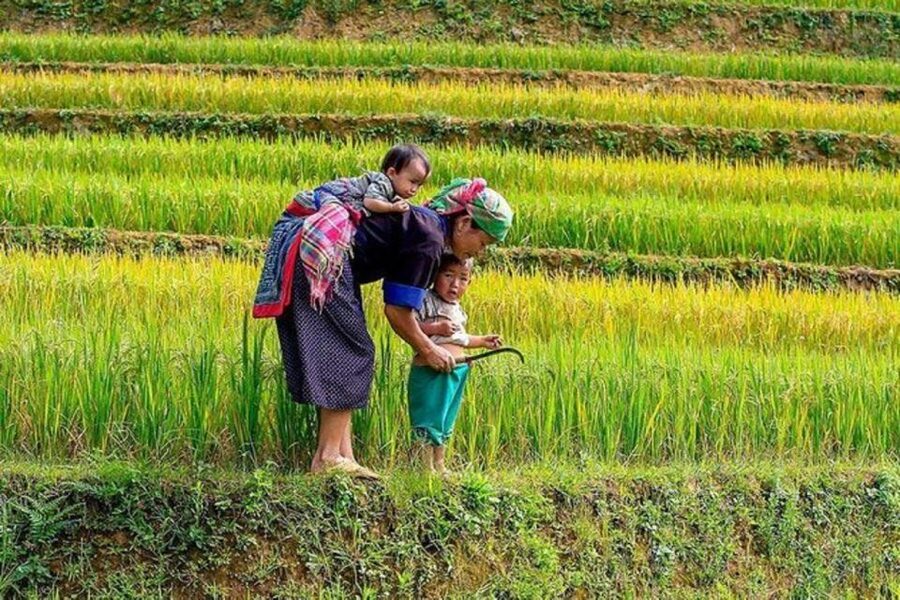
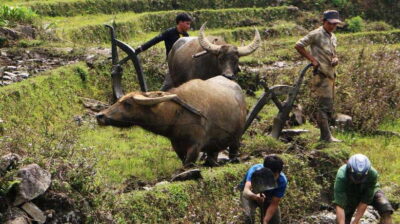
Sapa can turn into a theme park fast. This kind of 2-day guided village and homestay trek is built around smaller paths, community visits, and walking through agricultural areas where locals work. You still get the iconic rice-terrace scenery, but you also get the pace of real routines: farming views, village edges, and time to sit with a family after the walk.
The best part for me is how the route connects several “names you hear in Sapa” into one coherent experience: you start near Y Linh Ho, trek toward Lao Chai (Black Hmong), land in Ta Van (Zay/Dzay) for the homestay night, then do Giang Ta Chai (red Dzao) on day 2 before heading back down to Hanoi.
The trekking distances are clearly posted in the schedule (about 9 km day 1, 4 km day 2), so you can judge effort without guessing. And you’ll have a live English guide to keep the walk from becoming just steps-and-smiles.
You can also read our reviews of more tours and experiences in Hanoi.

Price and logistics: what $84 buys, and what to plan for
At $84 per person, you’re paying for a lot of moving parts: transportation between Hanoi and Sapa, a guide, meals, admission fees, and an overnight stay in a traditional homestay or hotel setup (the tour includes one night).
What’s included:
- Sapa transfer (with shuttle pickup from around Hanoi Old Quarter if you book that transfer)
- English-speaking guide
- Meals: 1 breakfast, 2 lunches, and 1 dinner set up at a local restaurant
- Homestay night
- Admission fees and mineral water
What’s not included:
- Hotel pickup/drop-off from Hanoi (unless you arrange the included transfer pickup area)
- Single supplement of $30 for solo travelers
- Drinks and any other meals not listed
Also note the day 1 start is early: pickup is 6:00–6:30AM from the Hanoi Old Quarter area, with a 20–30 minute break on the drive. You’ll reach Sapa around 1:00PM, then start trekking in the afternoon. That timing matters because you won’t be exhausted at the start like some tours. You’ll have daylight for the first trek, plus time to settle in before evening.
Day 1 in Sapa: Y Linh Ho to Lao Chai and into Ta Van

Day 1 has two phases: travel, then a proper walk.
Morning drive from Hanoi
The shuttle meets you in the Hanoi Old Quarter area between 6:00 and 6:30AM. The drive includes a short break, then continues up toward Sapa. When you arrive around 1:00PM, you’ll be greeted with the usual first-day flow: a welcome drink, a guide briefing, and lunch with local Vietnamese foods.
This matters because lunch isn’t just fuel. It’s your chance to shift from city travel mode to mountain rhythms. You’re also introduced to the ethnic-culture setting in Sapa with colorful traditional costumes you’ll see around town.
Trek through the rice terraces near Y Linh Ho
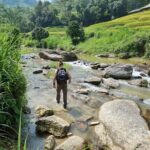
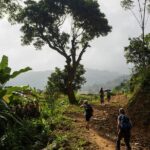
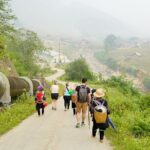
After lunch, you transfer to Y Linh Ho and start walking. The route follows rice terraces and continues along Muong Hoa Stream, aiming for Lao Chai, a village associated with Black Hmong people.
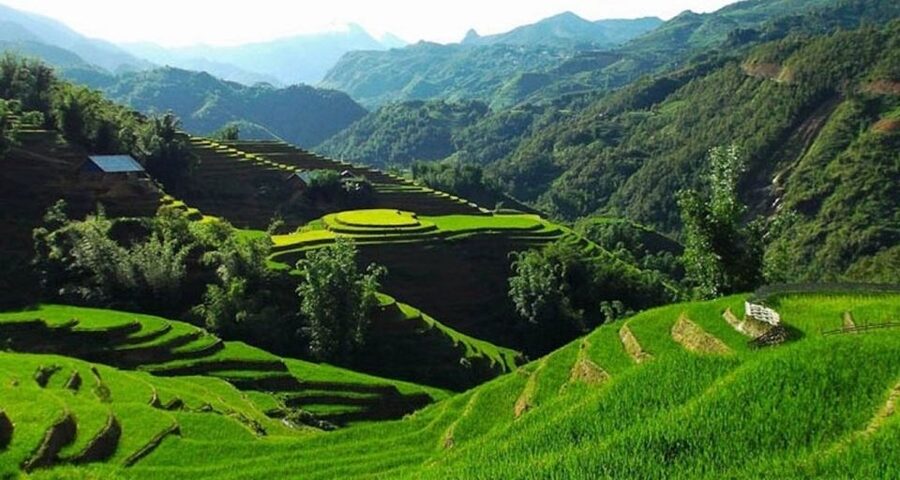
The big appeal here is the mix of open views and trail texture. Rice terraces give you the layered, stepped scenery photographers go after. The stream and village edges add the “human scale” that makes the photos feel like a place, not a postcard.
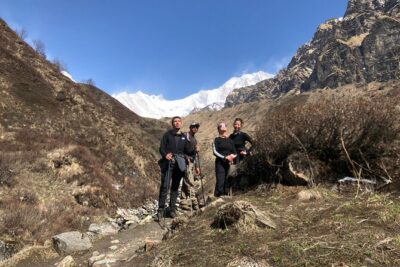
One practical note: your day 1 trek is about 9 km and lasts roughly 3.5 hours. That’s a real hike, especially at altitude. If rain shows up, take the warning seriously: older travelers are specifically cautioned about the long trek due to challenge and danger in bad weather.

Arriving near Ta Van in late afternoon
As afternoon winds down, you approach Ta Van village, where Zay people live. This is when the tone of the tour changes from trekking to community time. You’ll check in to your homestay around 5:45PM, meet the family (the schedule mentions Dzay people), and get a chance to absorb the slower mountain pace.
Homestay evening: family time, sunset, and simple facilities
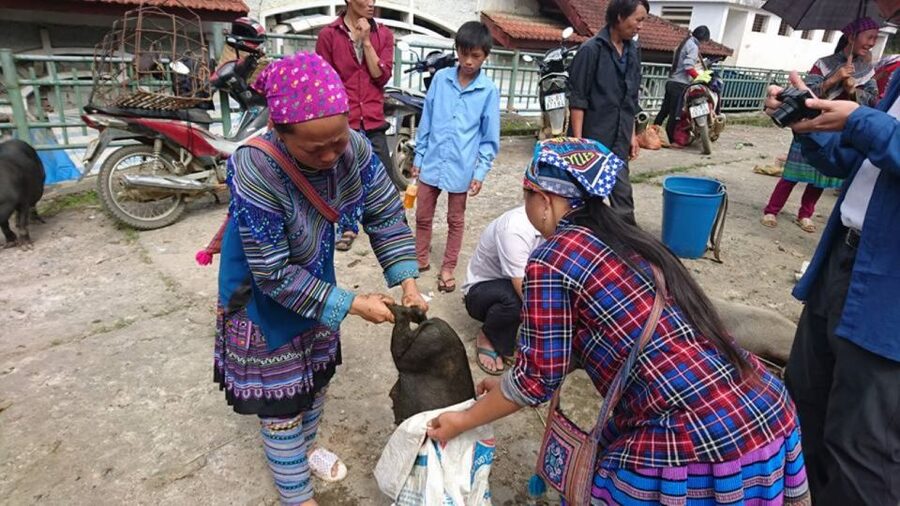
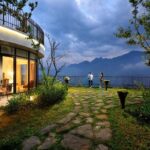
The homestay is one of the most loved parts of this tour, and for good reason. You’re not just dropped at a “cultural stop.” You’re there at the time of day when people actually relax—after work, before dinner, with the mountains doing their evening light trick.
The tour includes time to:
- Get to know the family
- Enjoy sunset with the view
- Optionally join cooking local dishes with the family
- Have dinner in a calm setting
A key reality check: the homestay setup is basic and simple compared with a hotel. That’s not a dealbreaker if you like authentic travel. But it does mean you should expect fewer comforts—so come with the right mindset.
If you want an easy social outlet after dinner, the schedule also mentions a local bar nearby with music, where you can meet other tourists. It’s optional, but it’s a nice “soft landing” after the hike.
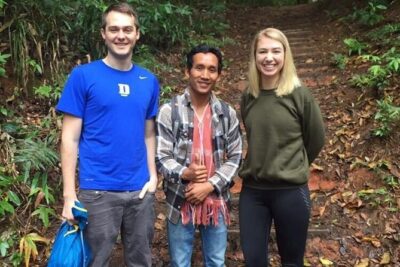
From the reviews, I picked up a theme: the guides do more than lead the route. One guide, Si, is praised for making frequent stops to explain village life and cultural details, including how clothing is made and stories tied to the community. Another guide, Lala, gets high marks for explaining tribes and traditions during the walk. If you’re the type who likes to ask questions, this is where that pays off.
Day 2: Ta Van to Giang Ta Chai, with bamboo and a red Dzao village view

Day 2 starts with breakfast around 8:00AM, prepared by the family. That’s a small detail, but it’s a big difference between tours that just sell experiences and ones that include you in the day.
Morning trek: rice paddies and photo time
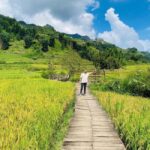
By 8:45AM, you’re walking to rice paddies where the schedule builds in time for a photo session. This is a smart move. Morning light often gives you clearer texture in terraces, plus fewer clouds if the weather cooperates.
Bamboo forest and a panorama stop
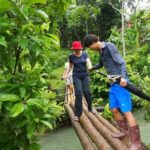
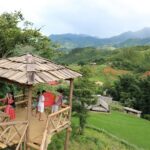
Next, you trek through a bamboo forest and stop at a panorama view of Giang Ta Chai village, associated with the red Dzao people. This is the kind of stop that makes the whole second day feel lighter. It’s not just walking; it’s also built-in “pause points,” so you actually notice the place.
The trek distance here is about 4 km and takes about 2 hours. Compared with day 1, it’s a more manageable effort. Still, it’s hiking on uneven ground, so don’t treat it like a stroll.
Crossing toward the pickup point
After the village view, you trek through the Giang Ta Chai Bridge to the main road. Then the bus picks you up back to Sapa Town around 11:00AM.
Back in town, you get time to reset: shower at your hotel, lunch, and a chunk of free time from 12:00–13:00. Then at 1:30PM, you regroup with the group and head back to Hanoi by bus at 2:00PM, with two comfort breaks on the way.
The ride back lands you in Hanoi around 8:30–9:00PM.
What the best guides do on this route
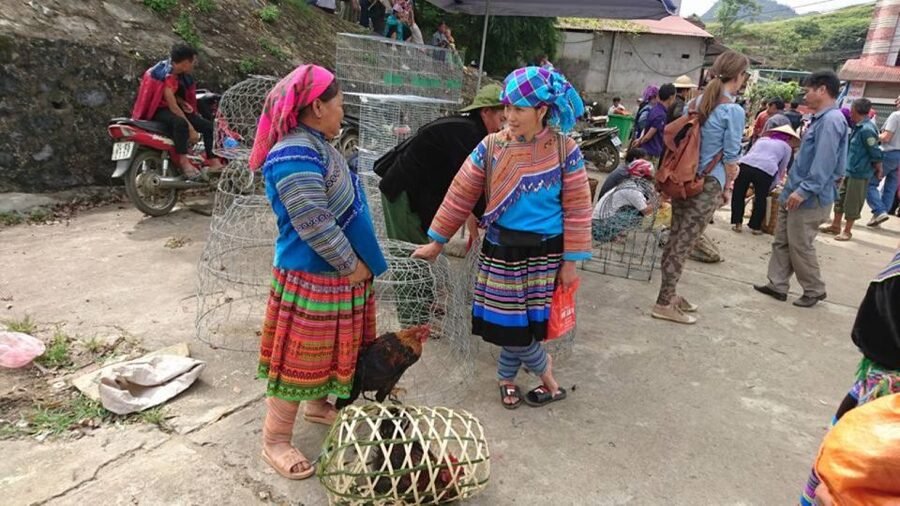
Guides can make or break a mountain trek. Here, you’re in luck: the praised guides are described as active teachers, not just leaders.
- Si is repeatedly mentioned for stopping often along the trek and explaining village life and cultural details, including how traditional clothing is made. One review also highlights that Si encouraged extra time during a waterfall stop for the group.
- Lala is praised for explaining tribes and their traditions during the walk, which helps you understand why you’re seeing what you’re seeing.
That kind of interpretation makes rice terraces and village names click. Without it, you’d still get great views, but you’d miss the meaning behind them.
Who this trek is best for (and who should skip the long day)
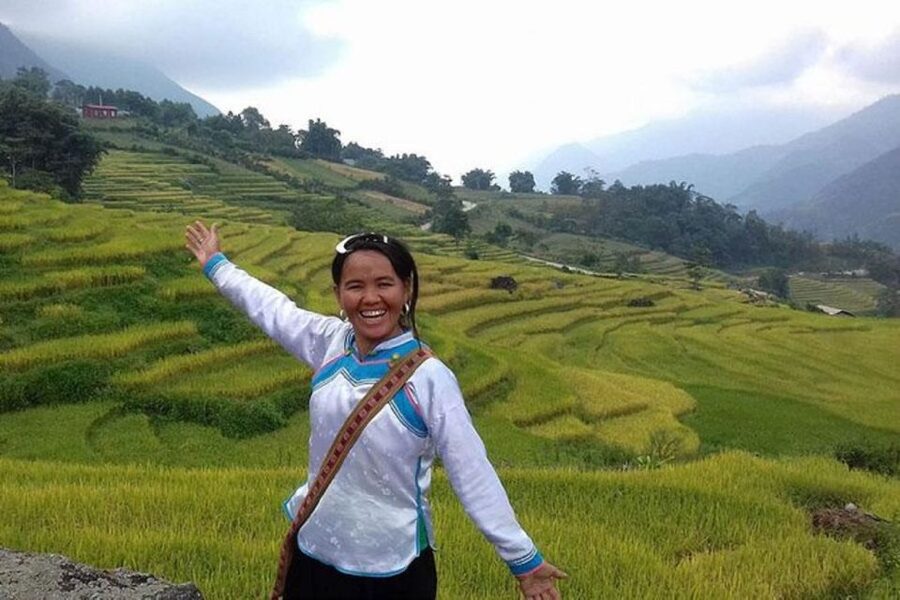
This tour is ideal if you:
- Want two days in Sapa without doing only town wandering
- Like walking with a guide who explains what you’re seeing
- Feel comfortable with a long day hike (about 9 km on day 1)
- Are happy with a homestay night and simpler facilities
It’s not a great fit if you have:
- Mobility limitations, since the schedule explicitly notes it’s not suitable for wheelchair users and people with mobility impairments
- Very young kids (children under 6 shouldn’t attend)
- Serious concerns about endurance in rain, since day 1 is the longer trek and weather can change conditions
Also: the tour notes that older people should not attend the long trek due to its challenge and danger if rain hits. If that’s you, you might still enjoy Sapa, but you should choose a gentler option.
Packing for Sapa’s cold snaps, fog, and muddy trails
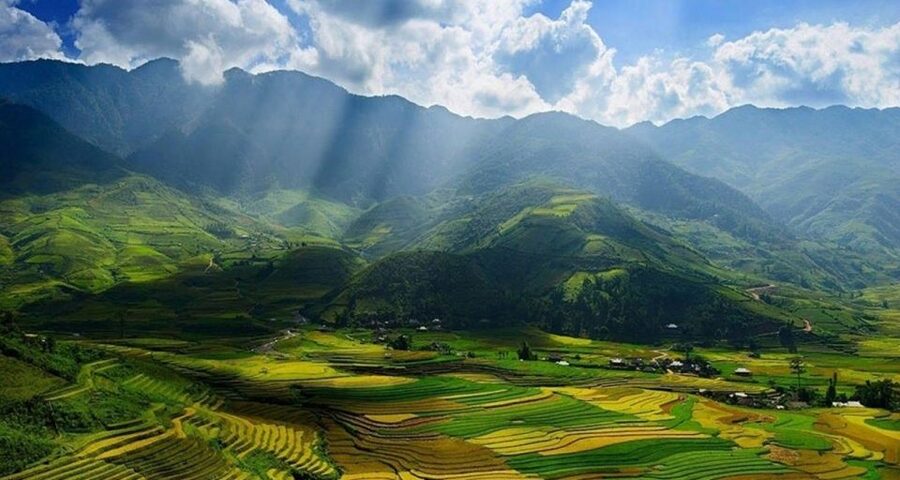
Even in months when you’re expecting pleasant weather, Sapa can surprise you. The tour specifically recommends warm clothes because it’s often cold in several months (including September through March). Fog is also possible from December to March due to altitude.
Here’s what you should bring, based on the tour’s own list and what makes sense for trekking:
- Hiking shoes (strongly recommended)
- Sunglasses
- Sunscreen
- Insect repellent
- Cash in Vietnam Dong (banking can be unreliable)
- A passport or ID card
- Weather-ready clothing: warm layers, scarf, hat/cap
The cash part is practical: you might not find easy payment options in Sapa if systems go down. The tour also says US dollars and euros are accepted in Sapa, which can help as a backup.
If you get motion-sick or bruise easily, consider bringing basic medicine too. The tour advises packing medication in case you fall ill, since options are limited when you’re on the move.
A realistic way to think about the itinerary
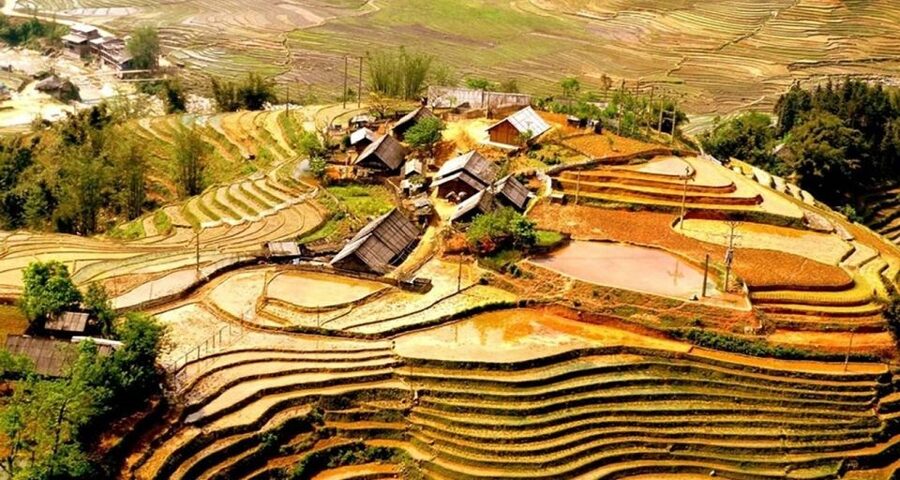
This tour is built for a specific rhythm: travel up, walk hard, homestay evening, walk shorter, then travel back. That means:
- You won’t have late-morning starts. Expect an early pickup.
- You’ll trade “extra sightseeing” time for walking time and village time.
- You’ll need to manage energy carefully on day 1.
The trade-off is worth it if you want the real feel of Sapa’s communities rather than only photo stops in town. And because you’re trekking rather than just riding, you get time with nature and daily life in between villages—especially around the terraces, stream paths, and bamboo sections.
Should you book this Hanoi to Sapa 2-day homestay trek?
If you want a value-packed taste of Sapa—rice terraces, ethnic villages, and a homestay night—this one is a strong pick for the money. $84 is reasonable when you factor in transfers, guided trekking, meals, and a cultural night.
Book it if:
- You can handle 9 km walking on day 1
- You like the idea of learning village culture from the guide, including how daily life works
- You’re okay with basic homestay facilities and simpler comfort
Skip it (or choose something gentler) if:
- You’re worried about the long trek, especially in rain
- You need wheelchair access or have mobility challenges
- You’re traveling with a child under 6
If you do book, plan your best day around footwear and clothing. In Sapa, your comfort on the trail is basically your success plan.
FAQ
FAQ
How long is the trekking on day 1 and day 2?
Day 1 trekking is about 9 km and lasts around 3.5 hours. Day 2 trekking is about 4 km and takes around 2 hours.
Where does pickup happen in Hanoi?
Pickup is from the Hanoi Old Quarter area between 6:00AM and 6:30AM (if you book the transfer).
When do you arrive in Sapa on day 1?
You arrive in Sapa Town around 1:00PM, then you have lunch and get briefed before heading out for the trek.
What villages and ethnic communities are included?
The route includes trekking toward Lao Chai (Black Hmong), visiting Ta Van (Zay/Dzay), and viewing Giang Ta Chai (red Dzao).
What meals are included?
The tour includes 1 breakfast, 2 lunches, and 1 dinner at a local restaurant.
Is there an English-speaking guide?
Yes, the tour has a live guide in English.
Do I need to bring cash?
Yes. You should bring cash in Vietnam Dong because banking in Sapa sometimes doesn’t function well. US dollars and euros are accepted in Sapa as well.
What should I pack for weather in Sapa?
Bring warm clothes (scarves, hat/cap), hiking shoes, sunglasses, sunscreen, and insect repellent. The tour also notes Sapa weather can be unpredictable and can be cold.
Is the tour suitable for kids or people with mobility impairments?
No. The tour is not suitable for children under 6, people with mobility impairments, or wheelchair users.
Are pets allowed?
No, pets are not allowed.
Can the itinerary change due to weather?
Yes. Timings are subject to change because of bad weather, tide levels, and operating conditions.