REVIEW · KATHMANDU
Poonhill Trek
Book on Viator →Operated by Green Valley Nepal Treks & Research Hub Pvt Ltd · Bookable on Viator
Poon Hill hits fast: you get big mountain views without committing to a long expedition, and you do it at a pace that feels more human. What I like most is the small-group feel with real guidance and better support on steep bits, plus the chance to soak in Jhinu hot springs after a hard hiking day. The main drawback to plan around is that this still means steep climbs and lots of stairs, so you’ll want a moderate fitness baseline.
The route also makes sense geographically. You start with Kathmandu-to-Pokhara transfer, then move into the Annapurna Conservation Area walking days, finishing with an easy return to city comfort.
In This Review
- Quick takeaways before you go
- Why this 7-day Poon Hill Trek works (when shorter versions feel rushed)
- Price and what you actually get for $600
- The Kathmandu-to-Pokhara start sets your trekking rhythm
- Day 2: From Nayapool to Ulleri, the first big climb
- Day 3: Rhododendron and oak forests to Ghorepani
- Day 4: The Poon Hill sunrise push, then Deurali and Tadapani
- Day 5: Gurjung village to the Hot Spring recovery day
- Day 6: Jhinu descent with Fish Tail and the Annapurna range
- Day 7: Back to Kathmandu, plus a farewell dinner
- Guides, small groups, and why your experience feels personal
- What it feels like on the trail: stairs, altitude, and teahouse life
- Who this Poon Hill Trek is best for
- Should you book this Poon Hill Trek?
Quick takeaways before you go
- Sunrise at Poon Hill (3210m) is the big moment, and the trek builds to it with overnight stays in Ghorepani.
- You’ll hike through rhododendron and oak forests, not just dirt paths and stone steps.
- Jhinu Hot Spring is part of the plan, so you’re not only working—you’re also recovering.
- Meals are mostly included (five breakfasts, five lunches, four dinners), which keeps your day-to-day costs predictable.
- Max group size is 14, which usually means easier logistics and less waiting around on the trail.
Why this 7-day Poon Hill Trek works (when shorter versions feel rushed)
Most Poon Hill itineraries aim for a quick hit: hike hard, see sunrise, move on. This 7-day version gives you breathing room. You still get the signature viewpoint on Poon Hill, but you’re not stacking every highlight into a single tight window. That matters for your body at altitude. Even though Poon Hill is the highest “big viewpoint” moment on this route, you’ll still be climbing step by step and adjusting as days go on.
The other thing I like is how the itinerary spreads out the walking effort. Day 2 isn’t just a “warm-up”—you start from Nayapool and work uphill to Ulleri. Day 3 adds a forested track to Banthanti and then Ghorepani. Day 4 includes another ascent to Deurali after sunrise, and Day 5 adds the Hot Spring day. You get payoff days, not just a grind with one reward at the end.
You can also read our reviews of more tours and experiences in Kathmandu.
Price and what you actually get for $600
At $600 per person, the value comes from how much is bundled. You’re not paying separately for the things that usually inflate trekking costs: accommodation, national park fees, a professional guide, and most meals. You also get round-trip shared transfer between Kathmandu and Pokhara (with an optional pickup/drop-off if you select it).
Here’s what’s included, in plain terms:
- Accommodation as per the itinerary
- National Park fees
- Guide and trekking activities
- Shared transfers (Kathmandu ↔ Pokhara)
- Meals: five breakfasts, five lunches, four dinners
What’s not included is also clear: drinks, and any excess luggage charges if they apply. Pickup/drop-off depends on which option you choose.
Small bonus details that matter: you’ll have a mobile ticket, and the operator notes group discounts. Those aren’t glamorous, but they reduce friction once you’re already on the ground.
The Kathmandu-to-Pokhara start sets your trekking rhythm
Day 1 is mostly about resetting your legs and your expectations. You leave Kathmandu early (start time listed as 6:30 am) and travel about 200 km to Pokhara by road, which takes around six hours. You stop for lunch during the ride.
There’s also an alternate option you can request: flying from Kathmandu to Pokhara takes about 30 minutes. That can help if you’re travel-fatigued and want your energy for the trail. Once in Pokhara, you get time to explore and sleep in a guesthouse.
Practical reality: Pokhara is where the trek becomes real. You’ll feel it in the way the next day is planned—short drive to Nayapool, then your first serious climbing day begins right away.
Day 2: From Nayapool to Ulleri, the first big climb
Your trekking starts from Nayapool, reached by about a one-hour drive from Pokhara. After a short walk alongside the Modi River, you reach Birethani, and from there you move into teahouse country.
The walking progression is easy to understand:
- cross a village area
- climb to Hille
- continue to Tikhedhunga
- then take on a steep ascent to Ulleri
Ulleri is a large Magar village. It’s also where you’ll likely feel the “okay, this is a trek” moment. That steep section is exactly the kind of challenge that tests your pacing. In a good group, this is where your guide matters—how they set tempo, break the climbs, and keep you from sprinting uphill.
You sleep in Ulleri.
Day 3: Rhododendron and oak forests to Ghorepani
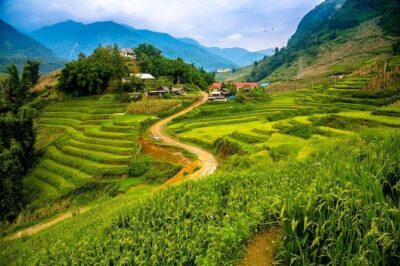
Day 3 keeps the momentum but makes it more scenic. From Ulleri, the trail becomes a gentler ascent. You pass through rhododendron and oak forests, a big part of why this area feels different from bare trail hikes.
You pass through Banthanti and then reach Ghorepani, where you’ll stay overnight. Ghorepani is famous for the Poon Hill sunrise experience because it puts you in a good position for an early push the next morning.
The best practical advice here: treat this day like setup. Your body should get used to walking steadily, not “power hiking” every segment. You’ll want energy for sunrise and for the next climbing push.
Day 4: The Poon Hill sunrise push, then Deurali and Tadapani
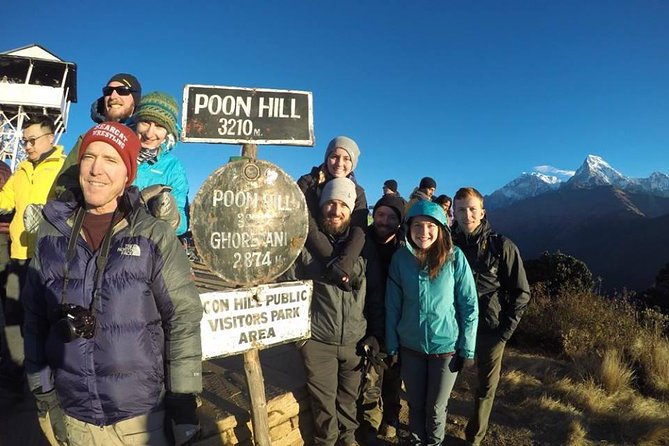
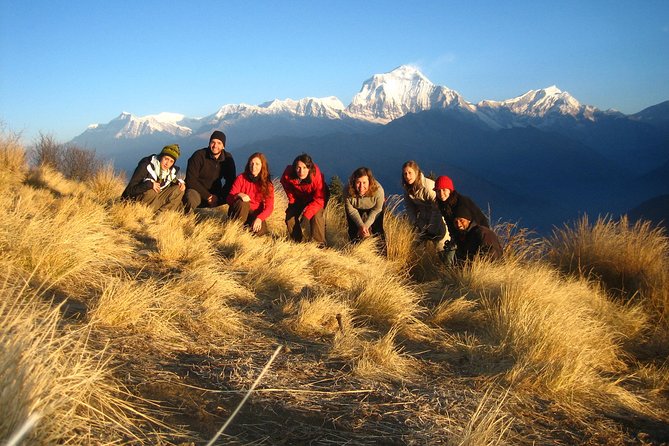
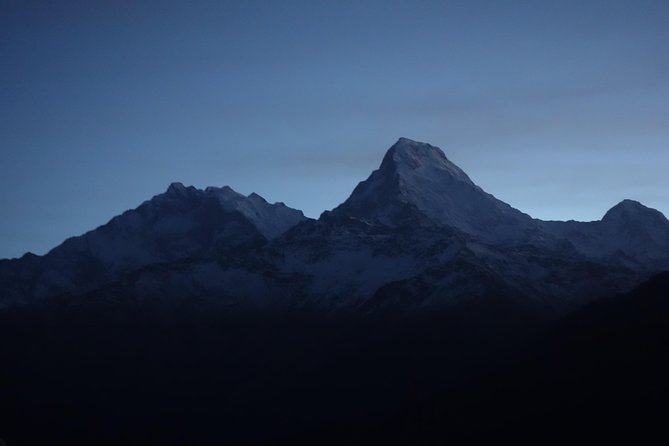
Today is your headline day. It starts with a short hike to Poon Hill, which is at 3210m. The walk is about 45 minutes to the top. Sunrise viewpoint hikes often feel chaotic in other places. Here, the route design and your overnight in Ghorepani usually make it more manageable.
After the sunrise moment, you return to Ghorepani for breakfast. Then you move on with a steep, strenuous climb to Deurali.
From Deurali, you transition onto an easy jungle route toward Banthanti, and this is where you might spot wildlife like monkeys and Langurs (this is specifically called out in the itinerary details). From there you continue down to Tadapani for the night.
If you’re photographing, you’ll appreciate the timing: early morning gives you the best light. If you’re not, sunrise still matters because it sets the tone for why people do Poon Hill at all.
Day 5: Gurjung village to the Hot Spring recovery day
This is a day that many trekkers quietly love because it’s not only another uphill day. After breakfast in Tadapani, you move down gradually through rhododendron forests. You cross the Kimsung River, then ascend to Gurjung, a Gurung village.
From Gurjung, you continue toward the Hot Spring. The itinerary doesn’t just drop you there—it positions hot soaking as a real part of the route, not a last-minute add-on. It’s the kind of recovery that helps your legs for the final long descent.
You sleep in a guest house near the hot spring area.
Day 6: Jhinu descent with Fish Tail and the Annapurna range
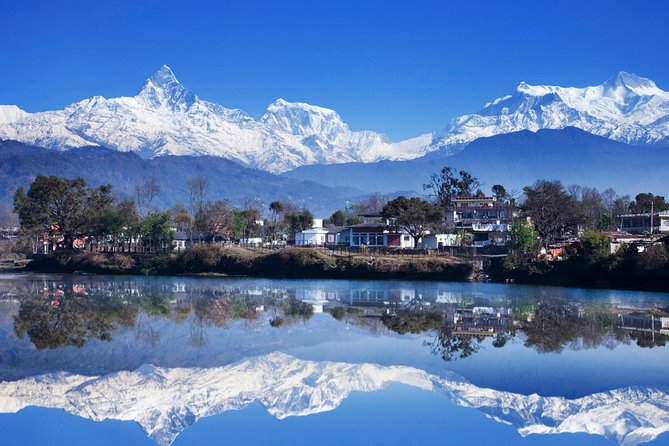
Day 6 is all about letting the views carry you while you move downhill. From Jhinu, you take the trail down to Modi Khola, which brings magnificent views of Fish Tail and the Annapurna range.
The rest of the day continues along the banks of Modi Khola, then you work back toward Birethani, where the trek started. After a short walk, you reach the van that returns you to Pokhara.
You spend the night in a hotel in Pokhara.
This is a good day to slow down. A downhill trek can be harder on knees than uphill climbs, and the best way to handle it is controlled steps, short pauses, and not rushing for the van.
Day 7: Back to Kathmandu, plus a farewell dinner
The return is straightforward: a 6 to 7 hour bus ride from Pokhara to Kathmandu. The day ends with a farewell dinner, and you sleep overnight in Kathmandu.
That dinner is more than a nice touch. In a trek like this, it gives you a bookend moment—time to compare notes with your group about what sunrise looked like for them, where the steep bits felt hardest, and which tea house stops were best for refueling.
Guides, small groups, and why your experience feels personal
This trek runs with a maximum of 14 travelers, which is a big deal on a mountain route. It usually means less waiting and more flexibility if your group needs a slower pace on stairs or a quick rest stop.
I also like that the operator’s team shows up repeatedly in feedback with different names—Krishna, Phurba, Kishore, Yadu, Sushanta, Bhairas, Gopal, Rajan, and Santosh are mentioned across past experiences, and those names come up alongside phrases like being accommodating and organized. You can’t treat reviews as guarantees, but you can treat them as signals. This team appears to care about the full process, from planning questions to on-trail support.
On a trek, the guide’s job isn’t only pointing the way. It’s pace, safety habits, and making sure you’re not pushing through fatigue without realizing it. That’s what turns a hike into a trek.
What it feels like on the trail: stairs, altitude, and teahouse life
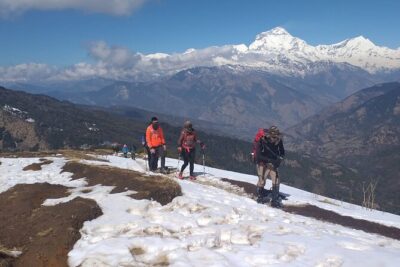
You should go into Poon Hill with one mindset: expect a workout, not a walk in the park. The itinerary includes steep climbs (like to Ulleri) and a strenuous section (the climb to Deurali). Even if you’re moderately fit, you’ll feel it in the legs—especially on day 4 when you’re doing sunrise and then climbing again.
Altitude is part of the equation. The itinerary makes it clear the Poon Hill viewpoint tops at 3210m, and you’re trekking over multiple days with changing elevation. That’s why this 7-day pacing is helpful. It allows adjustment rather than racing from base to viewpoint.
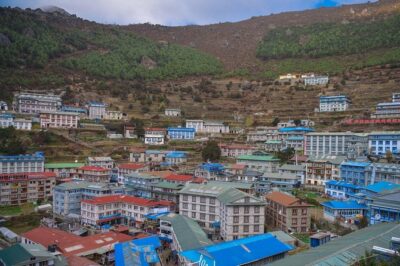
As for accommodations, they’re guesthouses along the trail. The plan includes lodging every night on the hiking portion, plus a hotel in Pokhara and an overnight in Kathmandu. You’ll also see teahouses along the way, which is typical here—food and drink options exist, but the trek includes key meals so you’re not constantly budgeting.
Who this Poon Hill Trek is best for
This trek is best suited to moderately fit travelers who want the Annapurna region without a week-plus of constant long days. If you’re comfortable with steep steps and sustained walking, you’ll likely find it rewarding rather than punishing.
It’s also a good choice if you want structure. Permits and park fees are included, a professional guide is part of the package, and transportation is handled between Kathmandu and Pokhara.
If you’re brand-new to trekking, you can still consider it, but you’ll want to be honest with yourself about your ability on steep climbs and downhill days. This is the type of trek where pacing matters more than speed.
Should you book this Poon Hill Trek?
Book it if you want:
- the classic Poon Hill sunrise moment, with a route that doesn’t feel like a sprint
- hot spring recovery built into the trek plan
- a small-group trek with guide support and mostly included meals
Skip or rethink if:
- you want a flat, easy hike (this is not that)
- you’re very sensitive to stairs and downhill knee stress
If you’re choosing a first Himalayan trek, this is a solid, structured option. It gives you big mountain payoff, realistic pacing, and a recovery day that helps you enjoy the final views instead of just surviving them.