REVIEW · CUSCO
Salkantay Trek: 5 Days to Machu Picchu
Book on Viator →Operated by Tierras Vivas · Bookable on Viator
Machu Picchu without the Inca Trail crush. This 5-day Salkantay Trek swaps crowds for big mountain days, then drops into a tropical feel before you wake up for Machu Picchu. I love how the trip handles the hard parts with included camping gear and food that actually keeps you going, and I also like the strong bilingual guiding style (names you may see: Carlos, Nico, Juan de Dios, and Alvina). The main drawback is that Day 1–2 are a grind at altitude, especially if steep descents give your knees trouble.
The value here is in the logistics and the “you just show up” approach. You get private morning transport to the trail start, a cook and guide team, campsite setups for three nights, and a Machu Picchu night plan that targets an early start. One more consideration: on the warmer jungle sections, you’ll want insect protection and a little patience with mud and humidity.
If you’re curious about the classic Machu Picchu payoff but want it with more trail time and fewer people, this trek is a smart alternative. You can also choose a hot-springs moment (at Cocalmayo) on Day 3, though that entrance is extra, so bring a bit of cash just in case.
In This Review
- Key highlights to know before you go
- Why the Salkantay Route Works Better Than the Inca Trail
- Getting to the Trail: Cusco Pickup and Your 4:30 am Start
- Day 1 to Humantay Lagoon: Lagoons at 3,900 m
- Day 2 Over Abra Salkantay and Down to Chaullay
- Day 3 Jungle Day to Santa Teresa and the Cocalmayo Hot Springs Option
- Day 4 Hydroelectric to Aguas Calientes: Set Up for Machu Picchu
- Day 5 Machu Picchu at Sunrise: Guided Circuit and Train Home
- What’s Included (and What You’ll Still Pay)
- Pace, Fitness, and Altitude: Who This Is For
- Practical Packing Tips That Match This Specific Trek
- Should You Book This Salkantay Trek to Machu Picchu?
- FAQ
- What time does the trek start in Cusco?
- Is Machu Picchu admission included?
- Can I choose hot springs during the trek?
- What meals are included?
- Do I get camping gear and cold-weather sleeping supplies?
- What is the cancellation policy window?
Key highlights to know before you go
- Small group size (max 12): easier pacing and less crowding at key stops
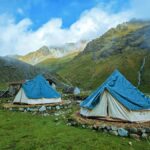
- Camping comfort that’s not bare-minimum: double tents, inflatable mattresses, and sleeping bags for cold nights
- Trek variety, fast: lagoons and high passes, then coffee-and-orchid jungle zones
- Real food focus: cooks are repeatedly praised for keeping meals plentiful and well-timed
- Early Machu Picchu visit: guided circuit first, then time for photos and wandering
- Support when your body slows down: horses available, plus an emergency horse if needed
Why the Salkantay Route Works Better Than the Inca Trail
The Salkantay Trek is often chosen because it feels more spacious. You’re not fighting tour buses of people at the same checkpoints. Instead, you move through a sequence of ecosystems that keeps changing your view and your body.
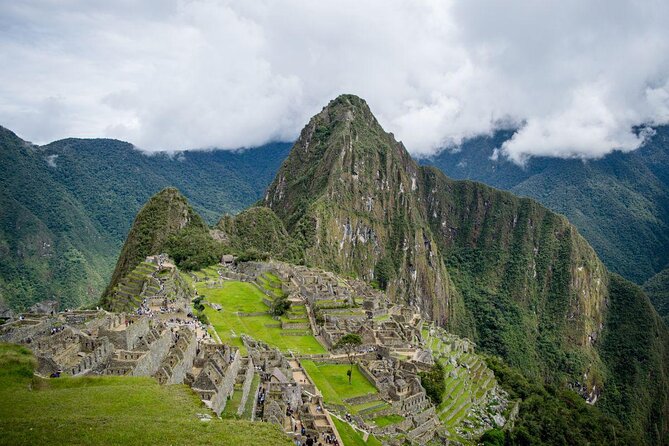
You start high, at Andean altitude, then work your way down over days that mix effort with scenery. That high-to-low transition is part of the appeal: cold mornings and thin air early, then warmer jungle plant life later. And on Day 5, you arrive at Machu Picchu at a time that lets you see the site before the day gets fully busy.
If your goal is Machu Picchu plus a meaningful hiking story, Salkantay delivers. Just remember: this is still serious trekking, not a walk in the park.
You can also read our reviews of more tours and experiences in Cusco.
Getting to the Trail: Cusco Pickup and Your 4:30 am Start
The day you begin, you’ll feel Cusco’s altitude before you even start walking. Pickup is offered, and the start time is 4:30 am from the Plaza de Armas area. You’ll ride a tourist bus that passes through Izcuchaca and Limatambo, then reaches Mollepata around 7:30 am.
From there, the crew organizes the switch to the trailhead transport. This matters because it protects your first energy of the day—less waiting in gear, more time moving with purpose. Also, there’s a smart carry setup: you’ll be able to leave up to 5 kg of personal belongings to be carried by muleteers.
Practical tip: pack your day-one essentials in a small kit you can reach fast. Once you’re on the move, you don’t want to be digging through a bag that’s stashed with the mule support.
Day 1 to Humantay Lagoon: Lagoons at 3,900 m
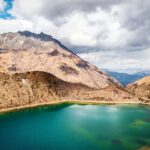
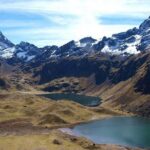
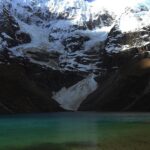
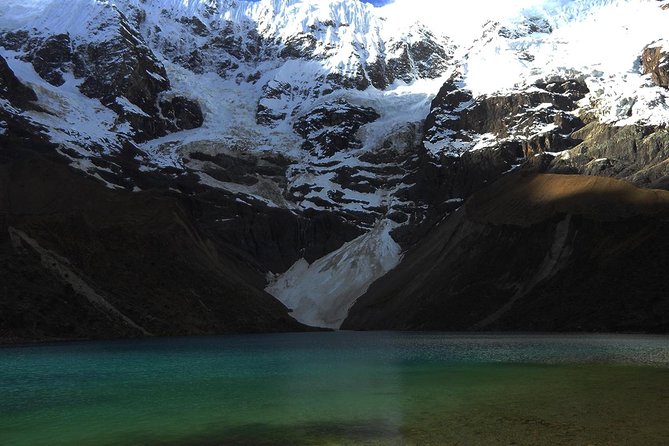
Day 1 is your first taste of the Salkantay vibe: altitude, sweeping views, and a lagoon stop that feels like a reward. After breakfast at Mollepata, you’ll transfer to Challacancha (about 3,380 m) and start walking. The climb to Soraypampa takes roughly three hours, landing you at about 3,900 m by early afternoon.
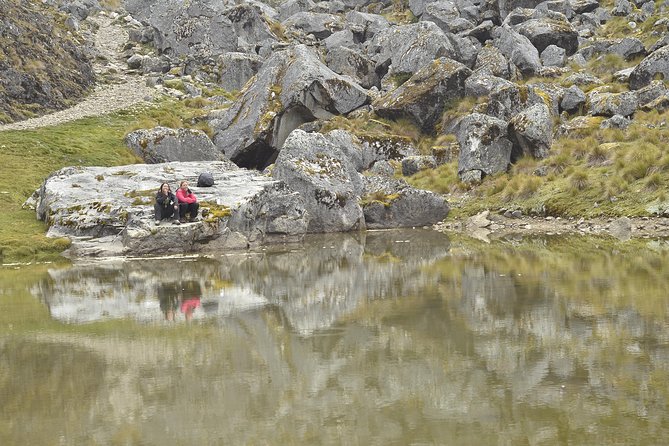
Lunch is served in Soraypampa, then you head out to see Humantay Lagoon. Even if the weather shifts, that moment usually anchors the trip. After that, you return to camp to rest.
Here’s the honest trade-off: Day 1 is not just scenic sightseeing. It’s steady walking at altitude, and you’ll feel it even with shorter “total hours” listed. If you’re new to hikes at elevation, take it slow and let your breathing set the pace.
Day 2 Over Abra Salkantay and Down to Chaullay
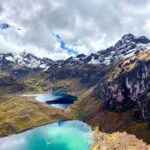
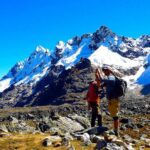
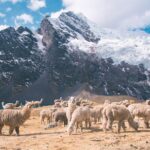
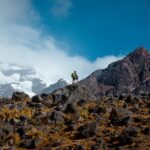
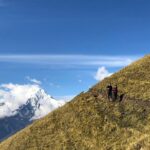
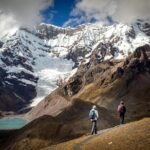
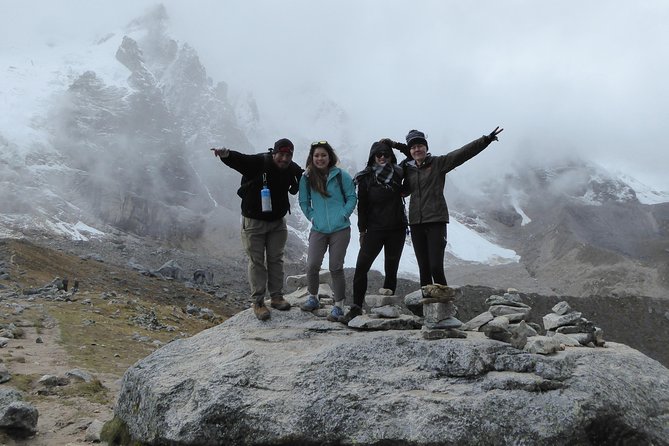
Day 2 is the day most people remember. You start around 5:00 am with breakfast, then trek from Soraypampa toward the highest stretch of the route. You’ll climb to Abra Salkantay, and you’ll be looking at big snowfield views near the high point of around 4,650 m.
This is the “work” day: the walking time runs long (about 10 hours), and the terrain includes a major altitude push plus long descents. After reaching the high point, you move toward Huayracmachay for lunch, then continue down to Chaullay, where the campsite is set for the night.
If you’re the type whose knees get cranky on downhill stretches, plan for that now. One past 55+ hiking group noted they rented horses when needed, and that’s exactly the kind of flexibility you’ll want to remember. This operator also includes an emergency horse option if you’re ill or moving slower.
Advice I’d give you: start Day 2 like you’re conserving strength for the descent. Going out too fast on the climb usually means a rough later afternoon.
Day 3 Jungle Day to Santa Teresa and the Cocalmayo Hot Springs Option
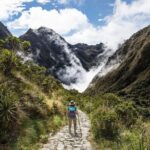
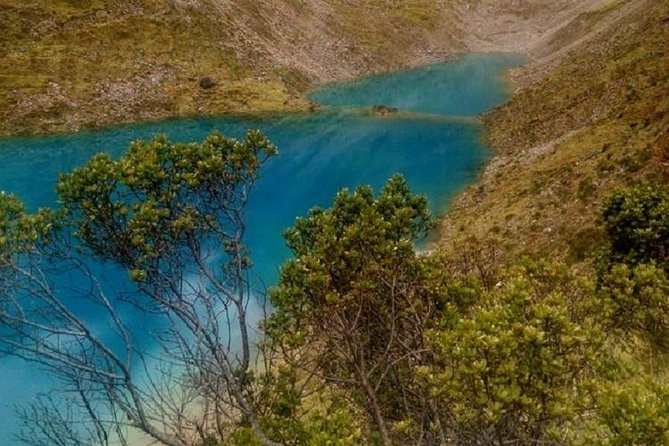
Day 3 is where your senses change. After breakfast at 6:00 am, you walk through a jungle-style zone with level ascents and descents. You’ll pass plant scenes like coffee plantations, orchids, and bromeliads, and you’ll hear about natural plants used for medicine.
The day still includes real effort—about 5.5 hours walking—then you reach Playa Sahuayaco for lunch. After lunch, transportation takes you to camp in Santa Teresa, and you’re there in time for a slower evening.
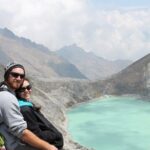
The big choice here is the optional thermal baths at Cocalmayo. Entrance isn’t included, but the option gives you a genuine recovery tool after two tough high-altitude days. If you don’t want hot springs, you’ll still have the evening routine: tea, dinner, and time to reset.
One more practical note from real-world experience on this trek: mosquitoes can show up in the jungle segment. Bring repellent and don’t treat it like an afterthought.
Day 4 Hydroelectric to Aguas Calientes: Set Up for Machu Picchu
Day 4 is a change of rhythm. You’ll have breakfast with an early start in a tropical area, then head toward Hydroelectric. You’ll stop for lunch at a restaurant near Hydroelectric, then continue walking through the tropical zone toward Aguas Calientes.
This day is shorter on paper (about five hours), but it’s still part of the overall endurance test. The payoff is that you end with a hostel stay in Aguas Calientes, and you’re not trying to scramble on arrival.
At 6:30 pm, dinner happens with your guide, and the team prepares the plan for Day 5. That matters more than people think. When someone maps your timing and meeting points clearly the night before, the Machu Picchu morning feels less stressful.
If you’re prone to feeling rushed, treat Day 4 like your buffer day. Eat well, hydrate, and aim for sleep early.
Day 5 Machu Picchu at Sunrise: Guided Circuit and Train Home
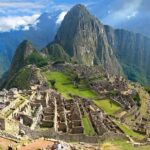
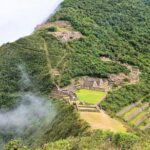
Machu Picchu day begins with an early wake-up. You’ll visit the citadel on a guided tour, moving through temples, terraces, palaces, and platforms. After the guided circuit, you get time for photos and exploring on your own.
This is the day you should dress for changing weather. Even when the sky looks clear, temperatures can swing, especially at first light. Layers beat one heavy jacket.
After your visit, you descend back toward Aguas Calientes. Then you take the tourist train to Ollantaytambo, where a representative waits. The transfer back to Cusco includes a bus ride to your hotel area.
If you want a little strategy: do your own wandering during your free time, not during the guided explanations. That way you’re not trying to balance listening and direction-finding.
What’s Included (and What You’ll Still Pay)
This trek isn’t cheap, so here’s where the $909 value typically shows up—and where it doesn’t.
Included strengths:
- Guide and cook team: meals are a major part of the experience, and cooks get consistent praise for delivering hearty trail food
- Camping setup: three nights in camps with personal double tents (4-person tents but with personal double tent arrangement), plus inflatable mattress and sleeping bag rated down to -5°C
- Porter/livestock support: horse support carries food, camping, cooking gear, and up to 7 kg per passenger, plus an emergency horse option
- Trail comfort add-ons: hiking poles are included
- Transfers that prevent chaos: early bus to the trailhead, then the chain back to Cusco with train and bus segments
- Vegetarian meal option: available at no extra cost if you tell them in advance
- Pre-trek briefing: your guide visits your hotel the day before to brief you
Extra costs to expect:
- Huayna Picchu entrance: listed as $25 extra
- Shuttle bus between Machu Picchu and Aguas Calientes: $12 one way or $24 round trip
- Cocalmayo hot springs entrance: optional and not included
- Tips: not included
- Day-of-meal gaps: the package notes no breakfast on day 1 and no lunch on day 5
My take on the price: what you’re paying for is risk reduction. Getting the gear handled, the cold-night setup covered, and the train/bus routing organized is worth real money when you’re trekking for five days and trying not to play logistics roulette.
Pace, Fitness, and Altitude: Who This Is For
This is listed as moderate physical fitness, but you should treat it as “moderate with a tough edge.” The reason is the altitude and the time on your feet.
Key altitude moments:
- Humantay day puts you around 3,900 m
- Day 2 tops out near 4,650 m
- You’re sleeping in different elevations across the trek, so your body gets multiple adaptation moments
Walking load varies by day, but the big hurdle is Day 2 and the steep descent after the highest pass. That’s also where knees can protest, even for active people. If you’ve got a history of knee issues, plan ahead: trekking poles help, and horses may be used if needed.
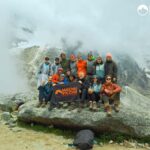
Age minimum is 4 years, and the operator keeps groups small (max 12). That said, the trek still isn’t “just for younger hikers.” A 65-year-old couple completed it with no drama in at least one group, but you’ll want to be honest about your pace and recovery needs.
Also, altitude medicine is your responsibility. The trip note says to bring what you need and consult your doctor if you suffer from altitude sickness.
Practical Packing Tips That Match This Specific Trek
Because the plan mixes cold camps with warm jungle, pack for both ends.
Bring:
- A warm layer for early mornings and cold nights (your sleeping bag goes to -5°C, but you’ll still want layers for waking up)
- Insect repellent for the Santa Teresa jungle day
- Sunscreen and sun protection for the high pass day
- A small day kit for Day 1 needs, since some of your belongings can be left for mule carry
- A refillable water system, because water is provided daily, but the note says you’ll need to bring your own for the first four hours on Day 1
Use trekking poles if you have them (and you’ll be given a pair). Poles help on both uphills and downhills, and they can be a big knee-saver on the downhill portions.
And yes, expect some wet and mud. This is a jungle-to-mountain trek, not dry hiking every day.
Should You Book This Salkantay Trek to Machu Picchu?
If your ideal trip includes: fewer crowds, real trekking time, strong meal support, and a guided Machu Picchu circuit done early, then booking makes sense. The included gear and the structured transport reduce the “what now?” moments that can wreck a hiking holiday.
I’d skip it if you’re only looking for a light walk, or if you know altitude and steep descents are your hard limits without support. Day 1–2 are the deciding factor.
If you go, choose this tour because it’s built around smooth logistics: private transfers to the trail start, campsite comfort, bilingual guiding, and a Day 5 plan that keeps Machu Picchu from feeling like a scramble.
FAQ
What time does the trek start in Cusco?
The start time is 4:30 am, with pickup offered. Your guide will also visit your hotel the day before for a pre-trek briefing.
Is Machu Picchu admission included?
The Huayna Picchu entrance fee is listed as $25 extra. The main Machu Picchu visit includes a guided tour, and there is no standard Machu Picchu entrance fee listed as an added cost.
Can I choose hot springs during the trek?
Yes. On Day 3, you’ll have the option to visit thermal baths in Cocalmayo. The entrance ticket is not included in the package.
What meals are included?
The trip includes 4 breakfasts, 4 lunches, 4 dinners, and afternoon hot beverages. Day 1 breakfast and Day 5 lunch are not included.
Do I get camping gear and cold-weather sleeping supplies?
Yes. You’ll get camping equipment including personal double tents, an inflatable mattress, a sleeping bag rated down to -5°C, a blanket per person, and a pillow.
What is the cancellation policy window?
You can cancel up to 6 days in advance for a full refund. For a 50% refund, cancel 2–6 days before the experience. If you cancel less than 2 days before, the amount paid is not refunded.