REVIEW · SAPA
Sapa: Fansipan Trek with Overnight Option (1 to 2 Days)
Book on Viator →Operated by Go SaPa Trek-Tour · Bookable on Viator
Fansipan has a way of changing your breathing fast. This Sapa trek puts you on Vietnam’s highest peak at 3,143 meters, with mountain views, bamboo groves, and rice terraces, all guided by locals who explain what you’re actually seeing. You can choose a 1-day push or an overnight option that gives you a calmer rhythm.
I love the English-speaking local guides—names like Tai, Tay, and Pé come up again and again because they focus on both directions and culture, including Black Hmong life. I also like that the tour handles more than the hiking part: you get meals, bottled water, and the entrance ticket, so you’re not stuck budgeting for the basics mid-trek.
The main drawback to plan around is simple: altitude and weather. This experience needs good weather, and even with a guide, the schedule can feel longer if your pace is slower—especially on the descent.
In This Review
- Key things to know before you hike Fansipan
- Fansipan at 3,143m: what you’re really signing up for
- English-speaking local guides: Tai, Tay, and Pé set the tone
- One-day Fansipan trek: the 6-hour climb, summit time, and the long descent
- Two-day option with overnight at 2,800m and sunrise at the summit
- Price and value: what $71.14 includes (and why it matters)
- Pickup, mobile ticket, and timing: reducing stress in Sapa
- Fitness, age, and who should choose 1 day vs 2
- Weather reality on Fansipan: flexibility is part of the deal
- Should you book this Fansipan trekking option?
- FAQ
- How long is the Fansipan trek?
- What’s the difference between the 1-day and 2-day trek?
- How high is Fansipan?
- Do I get time at the summit?
- Is pickup included in Sapa?
- Are meals included?
- What kind of fitness level do I need?
- What happens if weather is bad?
- What’s the cancellation rule?
Key things to know before you hike Fansipan
- Two formats (1 or 2 days): choose a fast summit day or an overnight at about 2,800m for sunrise.
- Real summit time: the visit includes admission and about 30 minutes at Fansipan’s top.
- Local guide storytelling: guides like Tai/Tay and Pé are known for sharing Black Hmong life, not just route info.
- Meals included: lunch and drinks on the 1-day option; all meals and drinks on the 2-day option.
- Lower hassle logistics: pickup and drop-off within Sapa, plus a mobile ticket.
- Small group cap: maximum of 20 people.
Fansipan at 3,143m: what you’re really signing up for
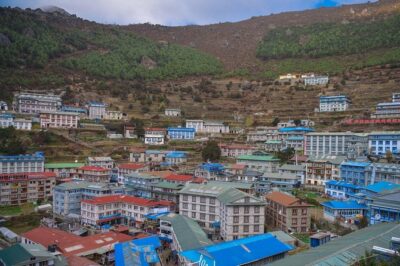
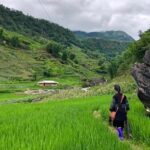
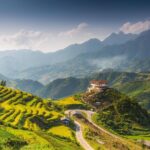
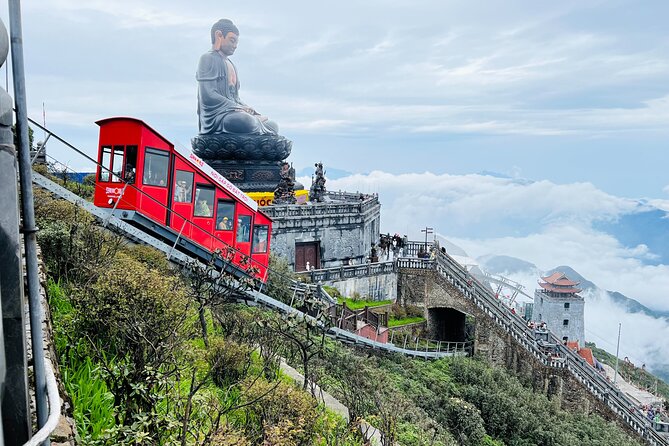
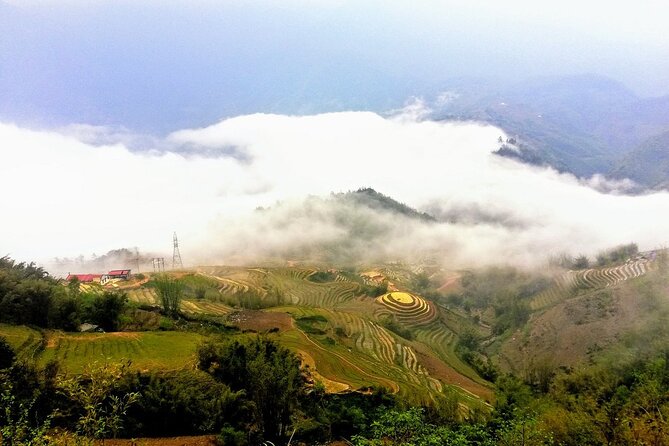
Fansipan is Vietnam’s highest mountain, sitting at 3,143 meters above sea level. The trek is about more than checking off a summit. You’ll spend hours moving through cooler mountain air, with views over Sapa’s terraced hills and bamboo-covered areas.
The route style matters for how it feels. The one-day option is built around long, steady effort: about 6 hours up and 6 hours down, with the actual time shifting based on your group’s fitness and pace. If you choose the two-day version, you’ll hike up to lodgings at roughly 2,800m, then return for sunrise and a next-day descent—more time for your body to adjust.
I like that the tour is transparent about this being an active day. This is not a casual walk where you stop for photos every ten minutes. You’ll likely want to treat it like a real hike and keep your expectations practical: you’re earning those views.
English-speaking local guides: Tai, Tay, and Pé set the tone
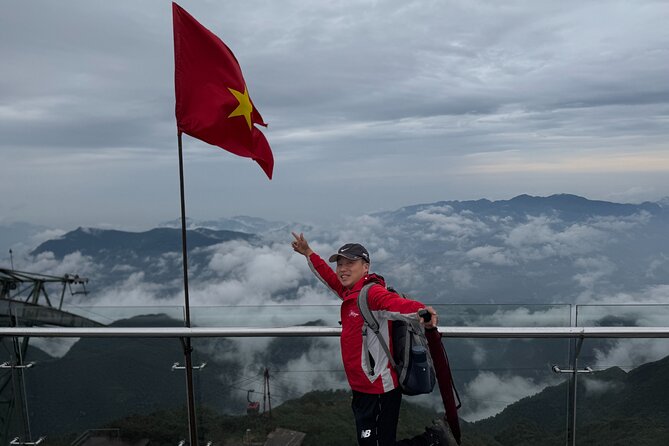
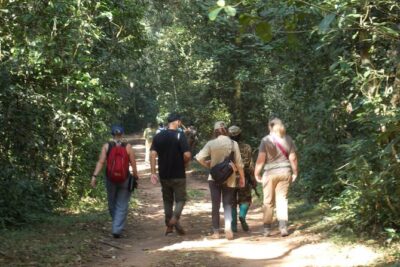
A Fansipan trek can be all legs and lungs—or it can feel like you’re learning the place while you move. This tour uses local guides who speak English, and they’re described as sharing knowledge about the area and Black Hmong life.
In the guide names people mention most—Tai, Tay, and Pé—you can see the pattern. Their role isn’t just pointing and counting steps. For example, Tai is praised for taking care of the whole day, including pickup from your hostel and cooking lunch in the mountains. That kind of attention makes a big difference when you’re far from restaurants and you just want to stay focused.
It also helps that the guides seem comfortable connecting hiking to culture. One common theme in their stories is family-based hospitality—think dinner moments tied to the community, not a generic tourism speech. If you like a trek that teaches you something real while you’re sweating, this setup tends to work well.
One-day Fansipan trek: the 6-hour climb, summit time, and the long descent
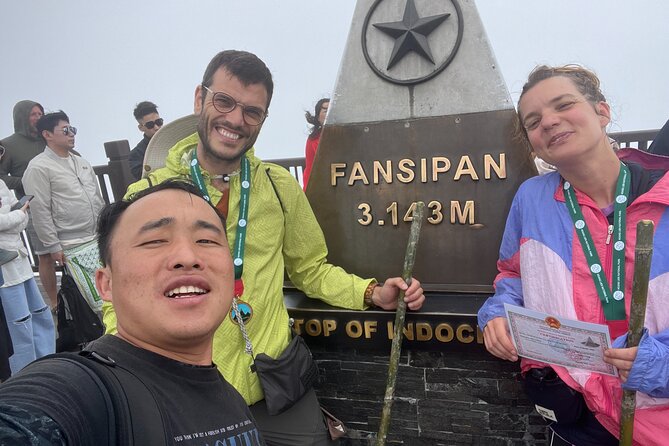
If you choose the 1-day option, the day is built for a strong hiking pace. The plan is typically about 6 hours ascending, then 6 hours descending, though it may be shorter or longer depending on fitness. You’re also included for lunch and drinks, which is a lifesaver when your stomach starts bargaining with you around hour four.
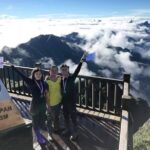
At the top, you don’t get a rushed stamp-and-go. The summit stop includes admission and about 30 minutes to explore Fansipan’s highest point. That half hour is valuable because it gives you time to breathe, look around, and absorb the scale of what you just did.
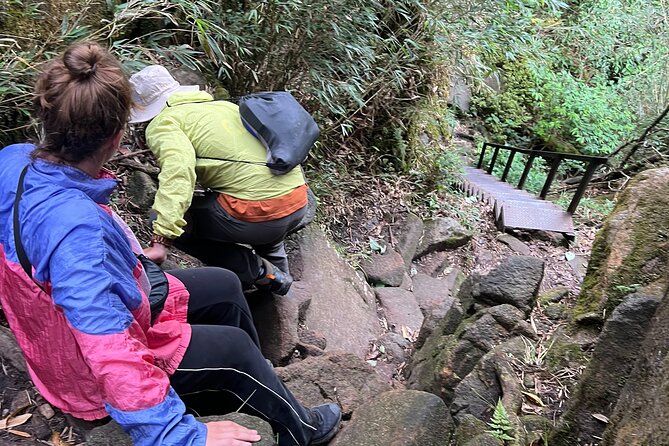
The part people often underestimate is the descent. Your legs may feel fine on the way up, then gravity starts negotiating on the way down. This tour’s guide helps keep things moving, but your own pace still matters. If you’re prone to sore knees, take it slow early on the descent and don’t be shy about pausing when the ground feels steep or slick.
Two-day option with overnight at 2,800m and sunrise at the summit
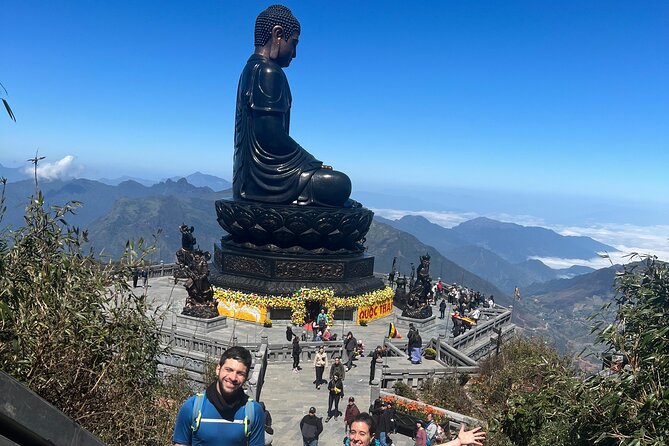
The 2-day Fansipan trek is for people who want the mountain experience to feel bigger than one hard push. Instead of trying to do everything in a single day, you hike up to lodgings at around 2,800 meters. That overnight gives you a natural break to recover and adjust your pace.
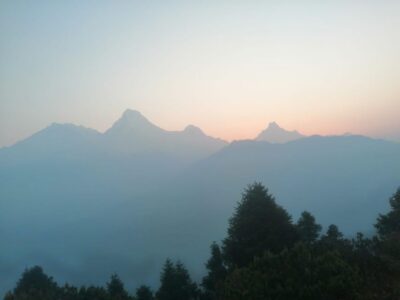
Then comes the sunrise plan. You’ll enjoy the sunrise at the summit before starting your descent the next day. Sunrise matters for two reasons: the light changes fast, and it often feels calmer than the midday crowd energy. Even if clouds move in, you’ll still get that sense of being part of the mountain rather than just conquering it.
The practical bonus is that the two-day option includes all meals and drinks. That means less thinking about food timing when you’re adjusting to altitude and energy levels. If you don’t want your trek to turn into a snack math problem, this option is easier to manage.
One thing to consider: sunrise usually means you’ll get an early start on day two. If you’re the kind of person who hates mornings even on vacations, plan for that reality.
Price and value: what $71.14 includes (and why it matters)
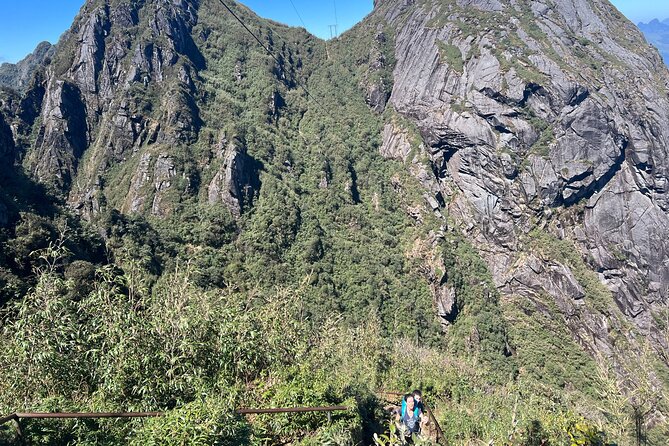
At $71.14 per person, this trek can feel like a bargain or a fair deal, depending on what you compare it to. The key is what’s included: private transportation pick-up and drop-off within Sapa, bottled water, entrance fees, and lunch plus drinks on the 1-day option. On the 2-day option, it’s all meals and drinks.
That inclusion matters because Fansipan isn’t near typical town comforts. Transport and entrance fees can add up fast when you’re doing it independently. Having those pieces handled gives you more mental space for the hike itself.
The small group cap—up to 20 travelers—is also part of the value. Larger groups can slow the pace or make it harder to ask questions. Here, the format suggests you’ll spend more time actually interacting with your guide rather than just following a moving line.
Still, compare value using your own style. If you’re a strong hiker who prefers total freedom, you might feel constrained. But if you want a guide who can manage the day, translate the area, and keep the plan on track, the price looks more reasonable.
Pickup, mobile ticket, and timing: reducing stress in Sapa
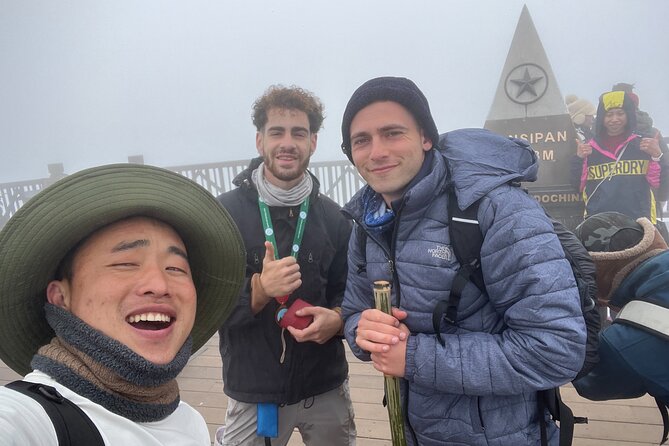
Logistics can make or break a trek day, and this one is designed to take the edge off. You can get pickup offered, with private transportation that covers locations within Sapa. You also receive a mobile ticket, which cuts down on last-minute paperwork.
The tour duration is listed as about 10 to 12 hours. That fits the hiking reality of a long ascent plus a long descent, plus the summit time. Even if the day ends up shorter due to pacing, you should still plan your energy like it’s a full day.
You’ll also find this option is near public transportation, which can be helpful if you’re staying somewhere that’s easy to reach. But because pickup is included, you shouldn’t have to rely on bus schedules to make the hike start on time.
The smart way to think about timing: treat the trek day as your main event. If you try to squeeze other activities into the same day, the hike will win. And honestly, you’ll probably be too tired to argue.
Fitness, age, and who should choose 1 day vs 2
This trek is suitable for age 12 and above, and it’s described as catering to all levels of fitness. The phrase that matters most for planning is that you should have moderate physical fitness. In other words, you don’t need to be a mountain athlete, but you should be comfortable hiking for long stretches.
Here’s how I’d choose between the options:
- Pick 1 day if you can handle about 12 hours total of effort and you want a fast, earned summit day with meals and drinks included.
- Pick 2 days if you’d rather break the effort into chunks, prioritize sunrise, and let your body recover overnight at around 2,800m.
Altitude is part of the equation even when you don’t feel dramatic symptoms. If you get winded easily on hills, or if your knees complain on long descents, the two-day pacing can be kinder.
Also worth noting: service animals are allowed, which is helpful if you travel with them and need to know that the experience can accommodate.
Weather reality on Fansipan: flexibility is part of the deal
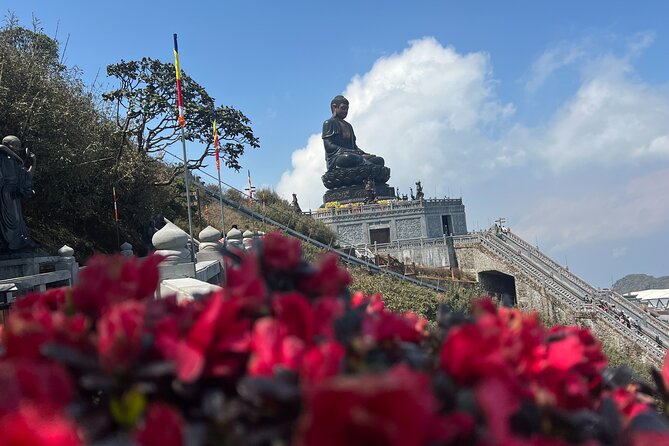
Fansipan trekking lives and dies by weather. This experience requires good weather, and if it’s canceled due to poor conditions, you’ll be offered a different date or a full refund.
So how should you plan? Keep one day of flexibility if you can. Mountains can hide the summit with fog, and clouds can turn the trail into a slippery, slow-moving test. A guide can adjust the day as needed, but the biggest factor is still the weather window.
If you hate uncertainty, pick the overnight option only if you’re comfortable with the idea that the mountain controls the schedule more than your itinerary does. For many people, the upside is worth it: even a less-than-perfect day still delivers mountain atmosphere, plus the chance to try again with another date if conditions don’t cooperate.
Should you book this Fansipan trekking option?
I’d book it if you want a guided Fansipan trek that covers the hard-to-manage parts—entrance fees, meals, and transport within Sapa—and you’d rather spend your focus on the hike instead of logistics.
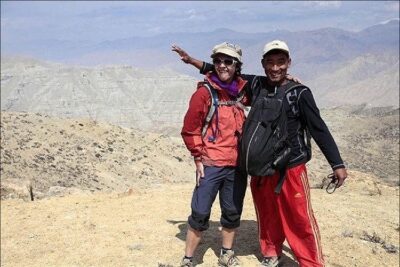
Choose it especially if you like guides who explain what you’re seeing. The names that come up—Tai, Tay, and Pé—are linked with careful care, cooking lunch on the mountain, and connecting the walk to Black Hmong life. That cultural piece can make a big difference when you’re moving for hours.
Skip it or rethink it if you’re expecting a short, easy nature stroll. This is a real trek with long hiking time. If your goal is a relaxed day with minimal effort, you may be happier with a gentler trail around Sapa.
If you’re ready for effort, the 1-day option delivers a strong summit experience, while the 2-day version gives you the payoff of sunrise and better pacing at 2,800m.
FAQ
How long is the Fansipan trek?
The experience is listed at about 10 to 12 hours overall. The 1-day option is typically around 6 hours up and 6 hours down, and times can be shorter or longer depending on fitness and pace.
What’s the difference between the 1-day and 2-day trek?
The 1-day trek hikes up to Fansipan and returns the same day, including lunch and drinks. The 2-day trek includes a hike up to lodgings at about 2,800m, then sunrise at the summit the next day, with all meals and drinks included.
How high is Fansipan?
Fansipan’s summit is at 3,143 meters above sea level.
Do I get time at the summit?
Yes. The summit visit includes an admission ticket and about 30 minutes to explore Fansipan.
Is pickup included in Sapa?
Pickup and drop-off are included via private transportation for locations within Sapa.
Are meals included?
Yes. For the 1-day option, you get lunch and drinks. For the 2-day option, you get all meals and drinks.
What kind of fitness level do I need?
The tour is suitable for people 12 and above, and you should have moderate physical fitness. It’s described as catering to all fitness levels, but the hike is still long.
What happens if weather is bad?
This experience requires good weather. If it’s canceled because of poor weather, you’ll be offered a different date or a full refund.
What’s the cancellation rule?
You can cancel for free up to 24 hours before the experience start time for a full refund. Changes within 24 hours of the start time aren’t accepted.