REVIEW · KATHMANDU
Circle the Annapurna: A Life-Changing Trek Adventure
Book on Viator →Operated by Alpine Luxury Treks Pvt Ltd · Bookable on Viator
One pass turns a trek into a milestone. This Circle the Annapurna route is a full Annapurna-region journey, starting in Kathmandu, looping the high country, and finishing with Poon Hill views. You’ll move through villages tied to Gurung and Thakali life, with small-group pacing and real local hospitality built into the days.
What I like most is the built-in altitude rhythm, including a real pause in Manang so you have time to adjust before the big climb. I also like the people side of the trip: guides such as Govinda (called out for careful care) and porters like Purna (praised for steady strength) make the difference when the trail gets serious. One consideration: this is a long, high-altitude trek with demanding days and limited breathing-room, so you’ll want solid fitness and altitude common sense.
In This Review
- Key highlights worth caring about
- Why Circle the Annapurna feels like more than a hike
- Kathmandu start: get your footing before the trail
- The long road to Ngadi: when the journey starts for real
- Jagat, Dharapani, and Chame: warming up on purpose
- Lower Pisang and Manang: the acclimatization break that earns its place
- Thorong Phedi and Thorong La: the big pass day plan
- Muktinath to Kagbeni to Marpha to Ghasa: villages with different vibes
- Tatopani to Ghorepani to Ghandruk: ending with views instead of just fatigue
- Nayapul, Pokhara, and back to Kathmandu: the long exhale
- Food and tea-house nights: included meals that reduce stress
- Guides and porters: why the human support is the real luxury
- Price and Logistics: what $2,100 really covers
- Weather, timing, and the altitude reality check
- Should you book Circle the Annapurna?
Key highlights worth caring about
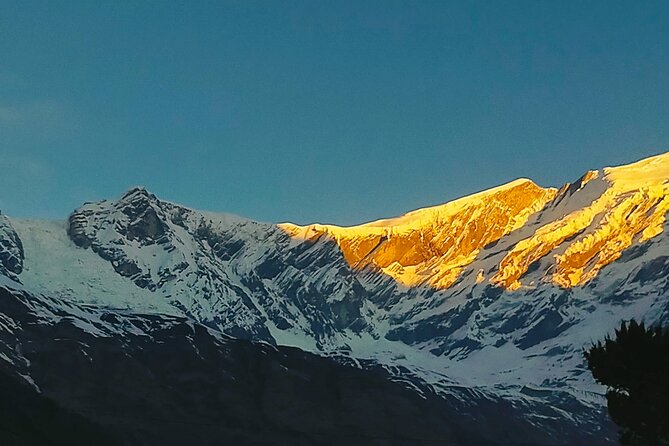
- A classic high loop with a clear endpoint that goes all the way to Muktinath and then drops back down through villages
- Manang rest day on purpose, not just a random pause, before you head toward Thorong La
- Thorong La at 5,416m is the defining moment, with a long day plan built around it
- Tea-house style nights most of the way, paired with included trek meals for predictable logistics
- Small group size (max 10) means less waiting around and more help from your guide and porter
Why Circle the Annapurna feels like more than a hike
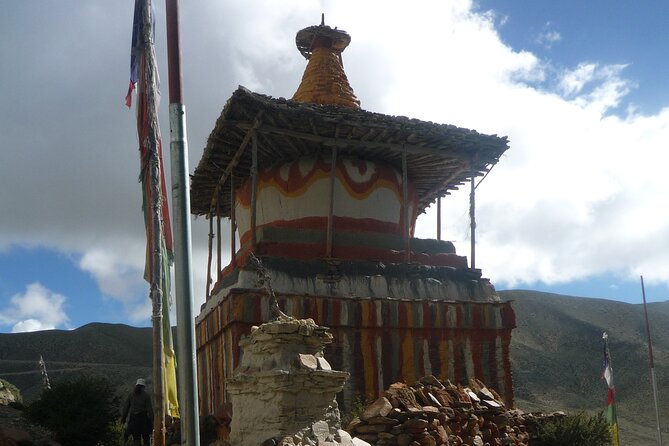
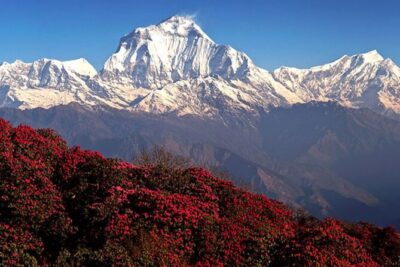
If you’re imagining the Annapurna Circuit as only a line on a map, this version will quietly change your mind. The trek connects dramatic high points like Thorong La with culture-heavy stops in lower villages, so you don’t just “see mountains,” you also see how people live alongside them.
I also like the way the trip is paced across multiple elevations. You climb toward the big pass, then you descend through different settlements instead of bouncing back and forth. That makes the experience feel continuous, like one story told in segments.
And yes, the mountains are the headline. But the day-to-day rhythm—drive days, trekking days, a rest day, then more treks—keeps it human-sized instead of one nonstop suffering session.
You can also read our reviews of more tours and experiences in Kathmandu.
Kathmandu start: get your footing before the trail
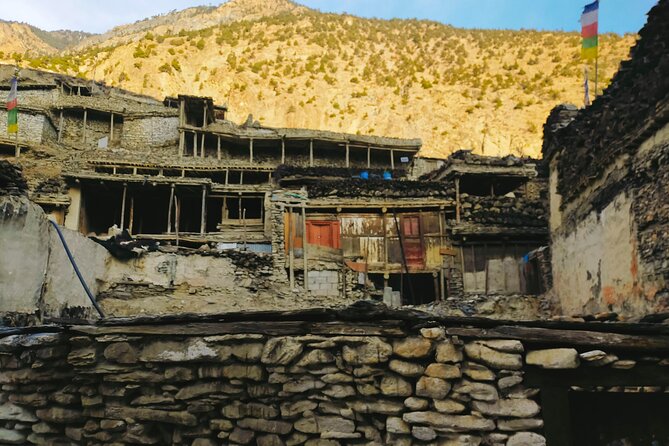
Most of your first time here is about setting you up, not sightseeing marathon-style. Day 1 is arrival in Kathmandu with a transfer to your hotel at about 1,334m. It’s the kind of low-pressure start you want on a trek like this. Day 2 includes Kathmandu Valley sightseeing plus trek preparation, with included accommodations (B/B) back in town.
This matters because Kathmandu can throw you off even before you leave. Traffic, weather shifts, and jet lag are real. With the trip organized around a preparation day, you’re less likely to start the trek underprepared.
Practical note: dinner and lunch in Kathmandu are not included, so you’ll want a little cash flexibility on Day 2 (and anywhere else you eat outside the included meals).
The long road to Ngadi: when the journey starts for real
On Day 3 you drive to Ngadi (about 890m). The schedule calls for an 8–9 hour drive over roughly 200 km. This is one of those “quietly important” days. The road travel gets you into trekking territory while also reminding you this trek isn’t just a few hours in the mountains—it’s a whole expedition.
Expect a full day where comfort and snacks help. The trip includes meals on the trek portion, but your Kathmandu meals aren’t covered, so you’ll want to plan for what you eat today as well.
Once you reach the start area, the next day is your first walking step into the rhythm of the route.
Jagat, Dharapani, and Chame: warming up on purpose
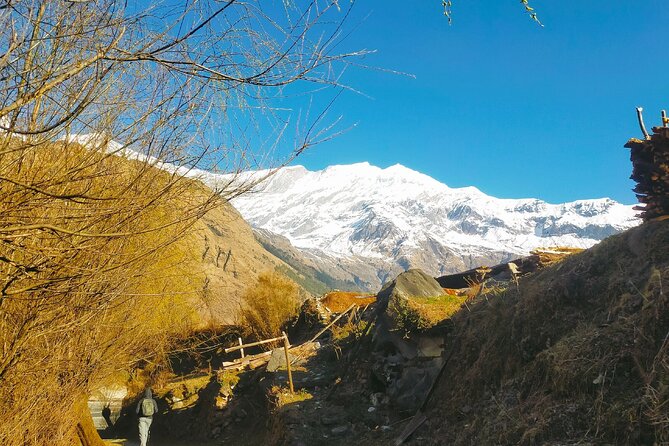
Day 4 starts the trekking portion in Jagat at 1,300m (about 4–5 hours, around 7 km). It’s a good first day: long enough to feel like progress, not so long that you’re wrecked before the real climb.
Day 5 takes you to Dharapani (1,860m) for roughly 5–6 hours and about 8 km. Day 6 goes to Chame (2,670m) at around 5–6 hours and about 8 km. These steps build altitude steadily and help your body learn the pattern.
What I like here is that the walk hours are consistent. You’re not jumping from easy to brutal. You’re also not going so fast that acclimatization becomes an afterthought.
The only drawback to watch for early: even “short” days add up. If you start too aggressively on Day 4 or Day 5, your legs can feel it later on the Thorong La segment.
Lower Pisang and Manang: the acclimatization break that earns its place
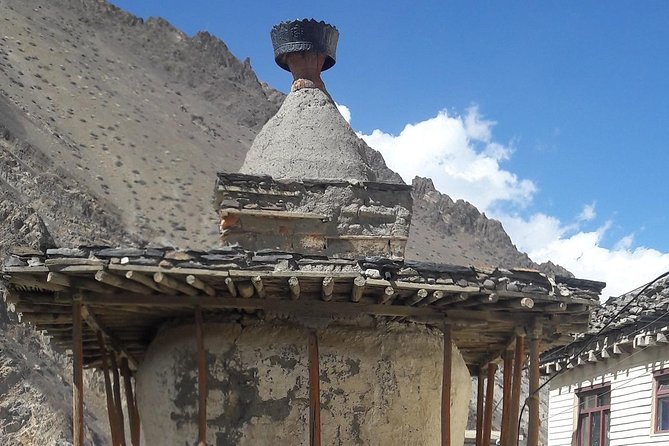
Day 7 reaches Lower Pisang at 3,200m (about 4–5 hours, ~7 km). Day 8 is Manang at 3,500m (about 5–6 hours, ~8 km). These are key days because you’re getting into the zone where altitude matters more than your normal day hiking habits.
Then you get Day 9: a rest day in Manang at 3,500m. This is exactly what you want before moving toward higher terrain. A rest day isn’t a luxury here; it’s your chance to adjust, hydrate, and keep the body steady for what’s next.
Day 10 continues to Yak Kharka (4,050m) around 4–5 hours and 7 km. That hike is shorter on paper, but the air thins, so pace and breathing matter more than speed.
Thorong Phedi and Thorong La: the big pass day plan
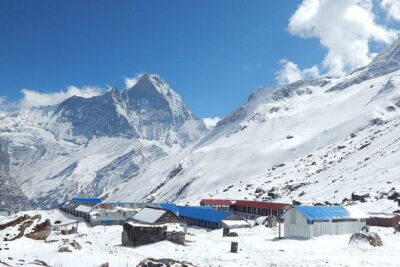
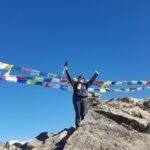
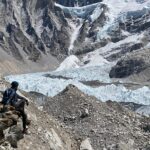
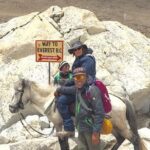
Day 11 takes you to Thorong Phedi (4,525m) in about 4–5 hours over roughly 7 km. Day 12 is the defining moment: you pass Thorong La (5,416m) and then trek to Muktinath (about 3,800m) for about 7–8 hours and roughly 9 km.
This is the day where your preparation pays off. You’ll want to treat it like a mission, not a test. Keep your effort steady, plan for slow walking at altitude, and focus on staying warm. Cold climbs can sap energy even when your legs still feel okay.
What’s smart in this schedule is that it doesn’t leave you stuck at the highest elevation for no reason. You cross Thorong La, then continue down toward Muktinath, which helps you get out of the thin-air peak zone.
Muktinath to Kagbeni to Marpha to Ghasa: villages with different vibes
Day 13 brings you to Kagbeni (2,810m), about 4–5 hours and 6 km. Kagbeni is a classic stop on the descent route and feels like a change in scenery and settlement style from the higher trail sections.
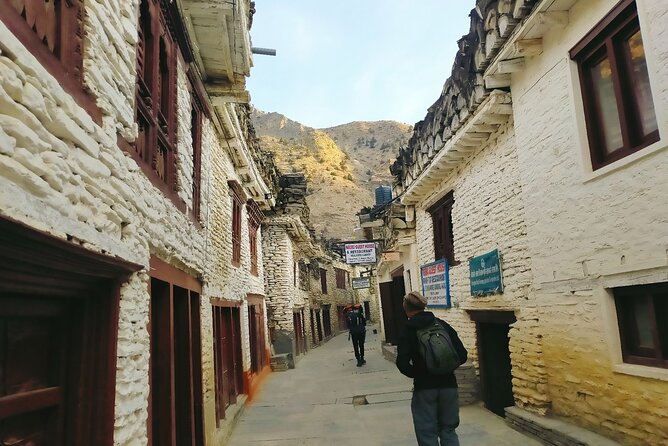
Day 14 takes you to Marpha (2,670m) for about 5–6 hours and 8 km. Day 15 moves to Ghasa (2,010m) for about 5–6 hours and 8 km. These are the kinds of days where you can feel your body adapting to lower altitude again, and that can make the walking feel more normal.
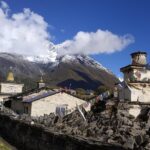
This part of the trek is also where cultural contact becomes real. The route threads through communities and hospitality styles linked to Gurung and Thakali life across the region. It’s not just mountain scenery; it’s also human-scale travel.
Tatopani to Ghorepani to Ghandruk: ending with views instead of just fatigue
Day 16 brings you to Tatopani (1,190m) for about 5–6 hours and 7 km. The name Tatopani is a clue: hot springs and relaxation are typically part of what people hope for in this area, and you’ll likely find ways to unwind after higher trekking days. (What you can actually access depends on local conditions, but the timing is made for a recovery feeling.)
Day 17 treks to Ghorepani (2,860m) around 8 km and about 5–6 hours. Day 18 is special: hike to Poon Hill (3,210m) in about 1 hour for roughly 2.5 km, then trek to Ghandruk (about 2,600m) for 6–7 hours and about 15 km.
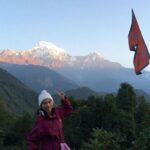
Poon Hill is one of those viewpoints that gives closure. You’re finishing the trek with morning-style viewing instead of only getting the last dramatic moment while you’re already exhausted.
Practical reality: Day 18 is long after an early hike. If you struggle with distance, focus on steady pacing on the Ghandruk leg and don’t burn matches after Poon Hill.
Nayapul, Pokhara, and back to Kathmandu: the long exhale
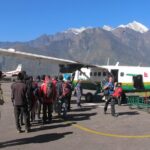
Day 19 trek back to Nayapul (about 950m) around 4–5 hours and 7 km, then drive back to Pokhara (about 820m) for about 1.5 hours. Day 20 is drive or fly back to Kathmandu: 6–7 hours by road or about 30 minutes by flight.
Day 21 is fly back home.
This ending sequence matters. After days at altitude, roads can still feel slow and uncomfortable, so having the option of flying on Day 20 is a big help if you’re tired. The trek ending at Nayapul is also useful because it transitions you out of the trail world rather than just dropping you back into another long walking day.
Food and tea-house nights: included meals that reduce stress
The trek includes 3 meals per day during the trekking portion, plus overnight accommodations while on trek. Kathmandu includes accommodations on a bed-and-breakfast basis.
In places like this, included meals are valuable because you don’t have to constantly negotiate what to eat or track your budget against every meal. It also helps you keep energy up on climb days.
One review specifically praised tea-house food as delicious and noted spending most nights in tea houses (with a couple exceptions for Pokhara and Kathmandu). That aligns with what you should expect on this kind of route.
Still, food options can vary by village. If you have strong dietary needs, consider asking your guide how things typically run on your dates.
Guides and porters: why the human support is the real luxury
This trip is small, capped at 10 travelers, and that changes the service feel. With fewer people, your guide can keep an eye on pacing and questions, and your porter can handle load and logistics that would drain energy from your hiking day.
The best feedback here is personal. Govinda was praised for taking amazing care of the group, and Purna earned major respect for being a rock throughout the trek. Another trip credited Badri with supervision and support before and during the journey.
You’ll also see names like Dhruba (guide) and Keshab (porter) mentioned as key figures who helped make the experience exciting and enjoyable. One couple highlighted a team that supported them before the trip with smooth arrangements.
Bottom line: this itinerary can be physically hard, but the experience improves fast when your team is organized and present.
Price and Logistics: what $2,100 really covers
The price is $2,100 per person, for about 21 days. Value-wise, what stands out is what’s included on the trekking portion: 3 meals during the trek, all overnight accommodations while trekking, and Kathmandu lodging (B/B). The cost also covers salary and wages of office staff plus travel and rescue fees of office staff.
That’s not nothing. It means you’re paying for the operational backbone, not just the trek itself.
What’s not included is just as important for budgeting:
- Lunch and dinner in Kathmandu
- International airfare
- Airport departure tax
- Nepal visa fees
- Travel and rescue insurance and trip cancellation insurance
- Personal equipment and extra services
- Beverages
Practical tip: build a realistic buffer for beverages and Kathmandu meals, then make sure you have insurance that matches trekking conditions. The trip is non-refundable and can’t be changed for any reason, so insurance becomes your safety net.
Weather, timing, and the altitude reality check
The schedule is built around altitude, and the highest point listed is Thorong La at 5,416m. The trek also includes high-elevation stops like Manang (3,500m), Yak Kharka (4,050m), and Thorong Phedi (4,525m). This isn’t just “go higher, take photos.” It’s a walking plan that asks your body to adjust.
One review noted that November weather was just perfect for their trek. That’s the kind of window many people hope for, but conditions still depend on your exact week. The tour requires good weather, and if it’s canceled due to poor weather, you’re offered a different date or a full refund.
Fitness requirement is explicit: you should have a strong physical fitness level. If you’re older, anxious about altitude, or returning to hiking after time off, be honest with yourself and get input from a medical professional. The route is demanding even when the days are well planned.
Should you book Circle the Annapurna?
I’d say yes if you want the classic Annapurna Circuit experience with structure: a Kathmandu on-ramp, steady acclimatization through Manang, a real Thorong La moment, and a finish that includes Poon Hill and Ghandruk views.
I’d think twice if you hate long travel days (like the 8–9 hour drive into the region), you’re unsure about high-altitude walking, or you’d struggle with the reality that the package is non-refundable.
If you book, do two things that matter: train for sustained uphill hiking and pack for cold nights at elevation. Then let the small-group team do what they do best: guide, pace, and keep you moving with confidence.