REVIEW · CHIANG RAI
Authentic trek only walk in Chiang Rai jungle
Book on GetYourGuide →Operated by Parntrek · Bookable on GetYourGuide
A Chiang Rai jungle day that feels off-grid. You walk through Lisu, Chinese, Akkha, and Lahu village areas, pass tea plantations, and then eat lunch made with jungle bamboo. Two things I really like: the hands-on bamboo cooking and the fact that it’s a proper hike, not a casual stroll. One drawback to plan for: the trail can get steep and technical, so you’ll want decent hiking shoes and honest fitness.
I also liked the human side. Guides such as James 008 and Wat (and sometimes Tee) keep things fun, explain the jungle and villages in plain language, and look after your safety throughout the day. With hotel pickup and lunch included, the $57 price lands in a reasonable range for a full 9-hour outing—just know you’re paying for effort, not a bus ride.
In This Review
- Key things that make this trek worth your time
- Entering Chiang Rai’s Jungle Trek World (This Is Not a Gentle Walk)
- Hotel Pickup and the First Walk: Safety Briefing, Then Movement
- Village Time: Lisu, Chinese, Akkha, and Lahu Stops That Feel Grounded
- Tea Plantations and Jungle Trails: The Smell, the Shade, and the Work
- Bamboo Cooking Lunch: The Meal You Actually Remember
- Waterfall Swim and Hot Springs Time: Cooling Off the Right Way
- Guides, Group Energy, and That Word: Challenging
- Price and Value: What You’re Paying For at $57
- What to Bring (So the Day Doesn’t Beat You)
- Who This Trek Is Best For (And Who Should Skip It)
- Should You Book the Only Walk Chiang Rai Jungle Trek?
- FAQ
- How long is the Chiang Rai jungle trek?
- What’s included in the price?
- Is lunch included, and what kind of food is it?
- Do I need a moderate fitness level?
- What should I bring for the day?
- What is the cancellation policy?
Key things that make this trek worth your time
- Bamboo-cooked lunch in the jungle, plus small handmade bamboo souvenirs
- Village visits across multiple ethnic communities: Lisu, Chinese, Akkha, and Lahu
- Tea plantation scenery with a very “walk-on-the-ground” feel
- Water breaks with a waterfall swim, plus hot-springs-style nature time in the region
- A real hike with ducking under bamboo and steep slopes, not just light walking
- Guides who mix safety with humor, usually with English/Thai support
Entering Chiang Rai’s Jungle Trek World (This Is Not a Gentle Walk)
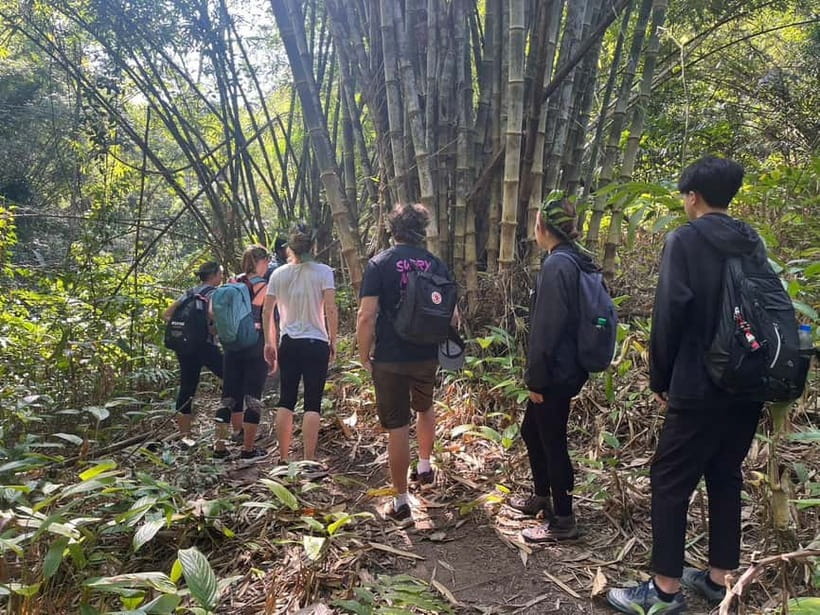
This trek is built around an older-school idea: walk into the forest, meet people along the way, and spend the day moving through real terrain. You’re not just ticking sightseeing boxes. You’re hiking through a working landscape—tea growing areas, village paths, and jungle trails that can feel narrow and a bit awkward underfoot.
The vibe is active and close to nature. You’ll spend hours walking, then you’ll get the payoff: village stops, a waterfall swim, and a lunch that’s more like a small cooking project than a meal handed to you. If you want a relaxed day, this might feel like work. If you want something you’ll remember (and sweat a little for), it fits well.
You can also read our reviews of more tours and experiences in Chiang Rai.
Hotel Pickup and the First Walk: Safety Briefing, Then Movement
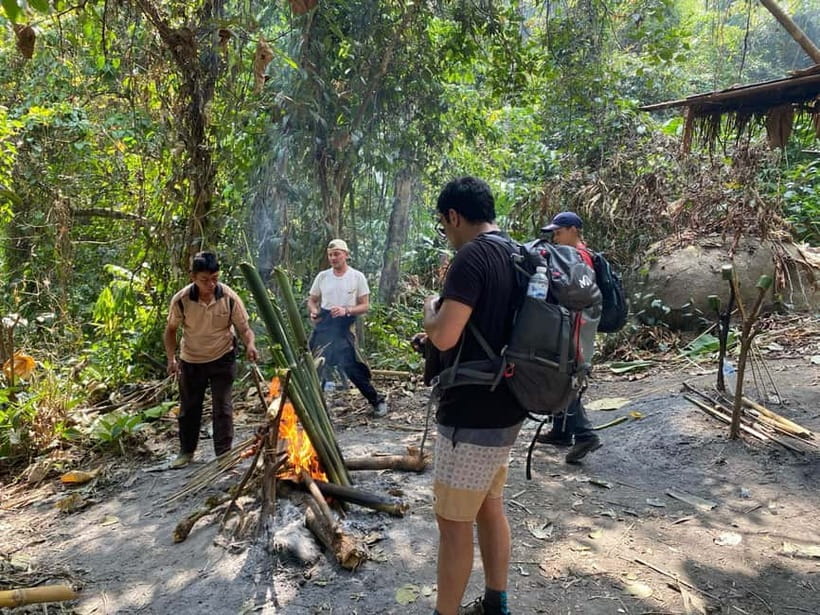
The day starts with a hotel pickup around 9:00 am (daily). You’ll wait in the lobby about 10 minutes early, because the group needs to leave on time. After you’re with your guides, you’ll get a safety briefing and then get walking right away.
The first stretch is geared toward getting you used to the trail. Think uneven ground, jungle shade, and regular changes in incline. One of the strengths of this day is that guides keep the pace “workable,” but they don’t sugarcoat the terrain. When someone’s struggling, you’ll feel that the team is watching closely, not ignoring you.
Village Time: Lisu, Chinese, Akkha, and Lahu Stops That Feel Grounded
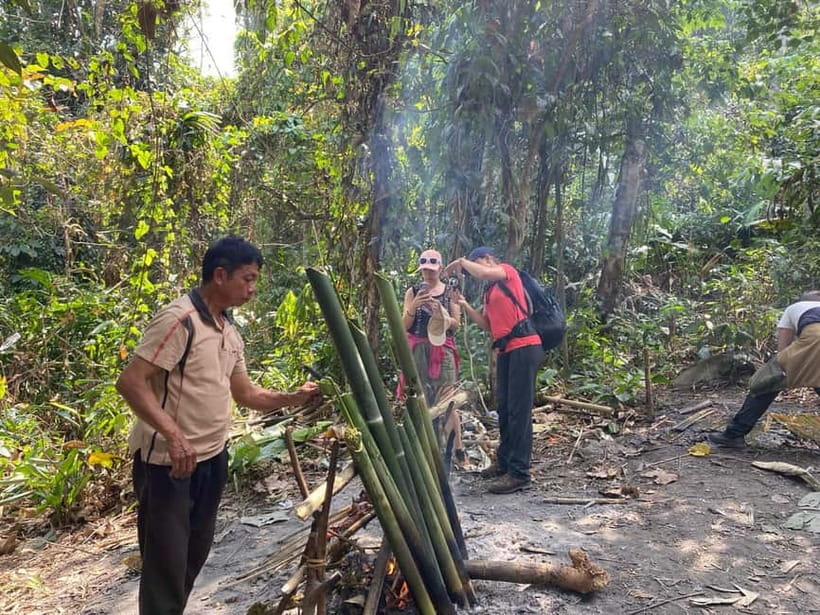
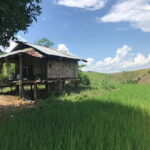
What makes this trek more authentic than a standard checklist tour is the variety of communities you pass through. Your route includes a Lisu village visit first, then a Chinese village stop, and later you’ll visit Akkha and Lahu villages.
Here’s what you can expect in practical terms:
- You’ll be shown how people live and what daily life looks like in the village setting.
- You’ll learn through conversation and guided explanation, not just photo ops.
- You may have opportunities to browse and buy small items during village stops.
This matters because it turns the day into more than scenery. You’re not just looking at “culture” from a distance—you’re walking with guides who can explain how communities connect to the land, food, and jungle rhythms.
One thing to know: the day does include some shopping time as part of the route. If you dislike that, you’ll still be able to focus on the walking and the village conversations, but plan for a few moments where you’ll be offered items.
Tea Plantations and Jungle Trails: The Smell, the Shade, and the Work
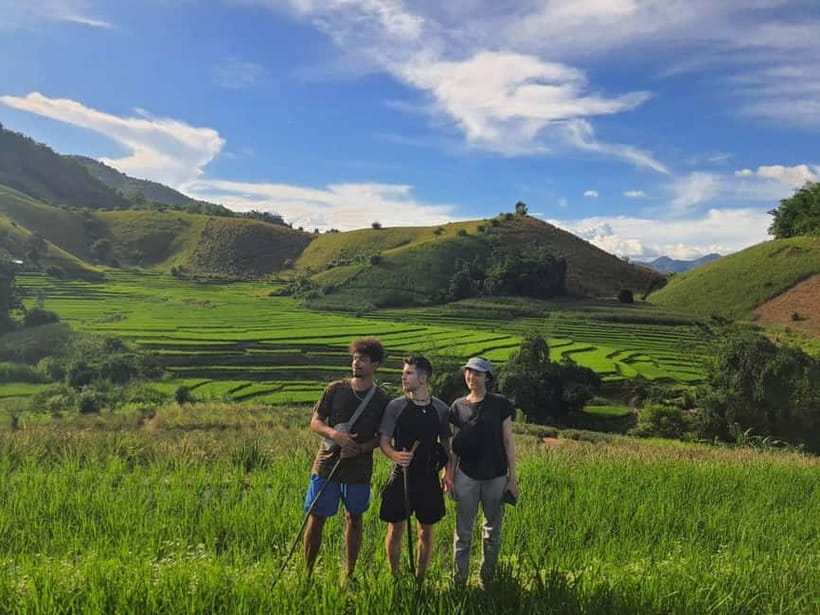
Tea plantations show up mid-day and they add a different texture to the hike. Instead of thick jungle-only vibes, you get rows of tea and a clearer sense of how the land gets used.
Then the trail turns back into forest walking. This is where the trek earns its reputation as a real hike. Reviews highlight steep climbs, rocky patches, and sections where you’ll need to duck under fallen bamboo. It’s not constant climbing, but there are enough challenging moments that your choice of footwear matters a lot.
If you’re worried you’ll be the slow one: don’t panic. Guides tend to keep the group together, and the route is designed so people can manage it—just be prepared that the “moderate” label still means physical effort.
Bamboo Cooking Lunch: The Meal You Actually Remember
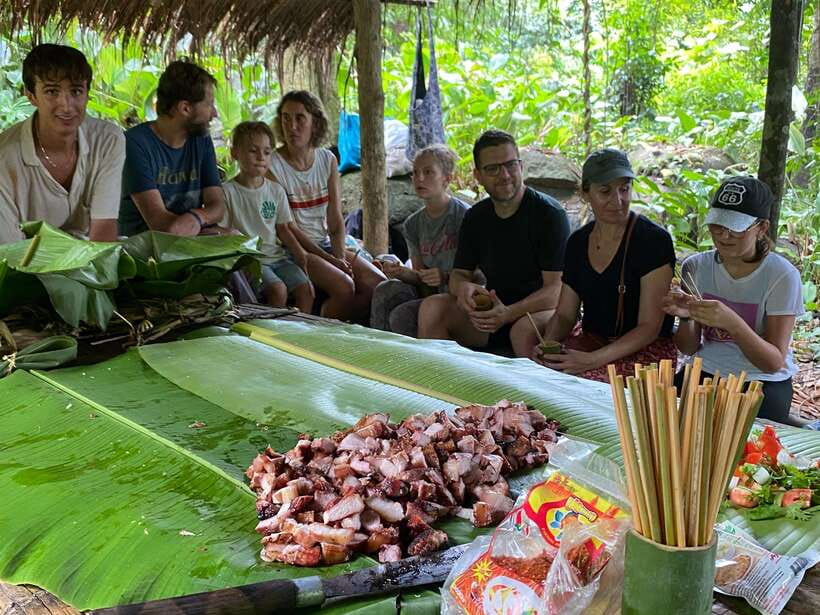
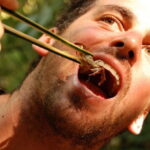
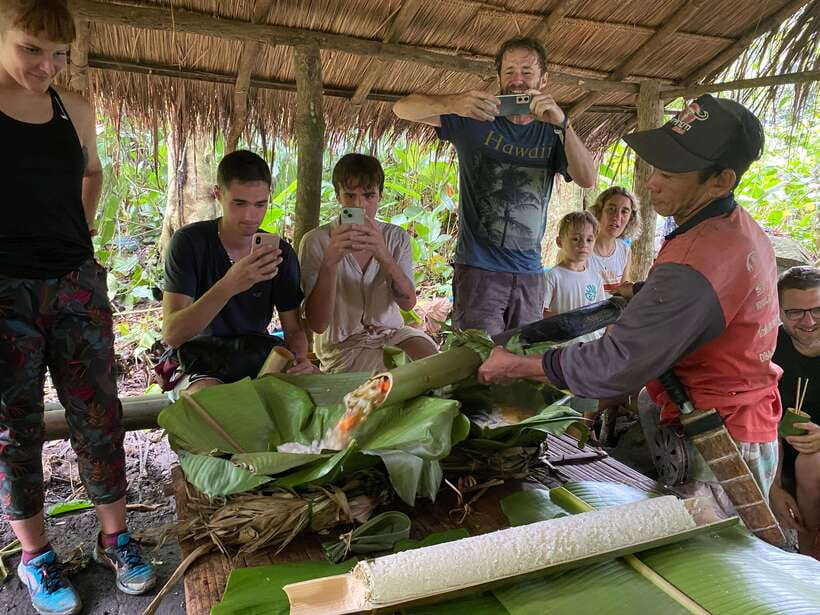
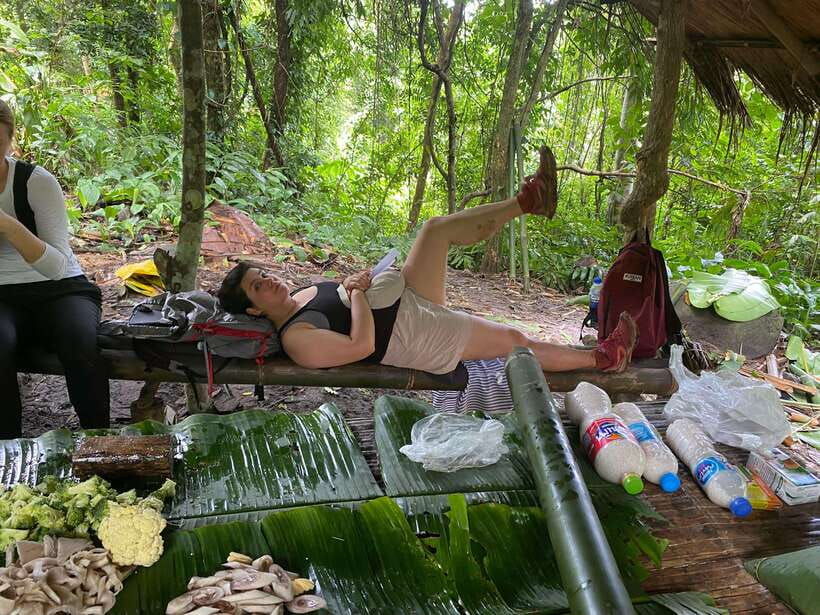
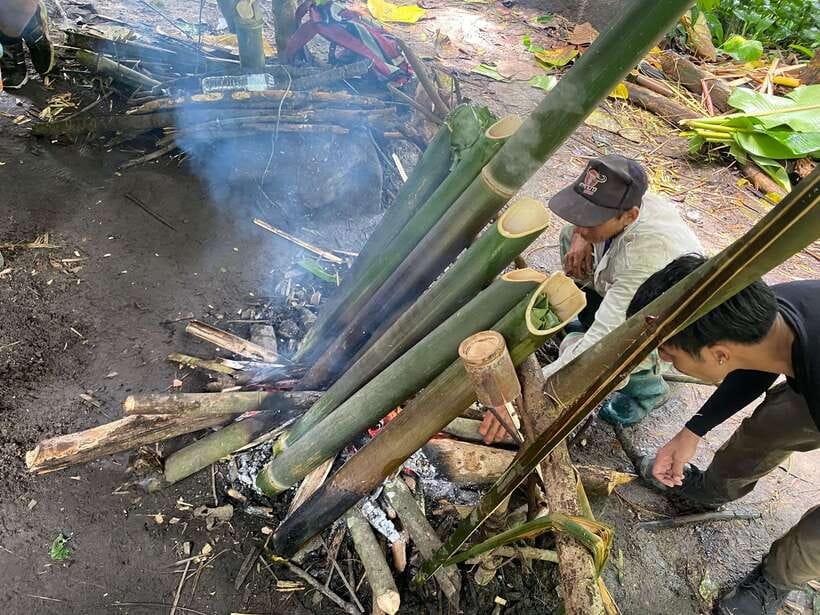
Lunch is one of the best reasons to book this trek. You’ll cook traditional Thai dishes using bamboo sourced from the jungle, and then you eat outdoors after the cooking session.
The details that make it stand out:
- It’s hands-on, not just “watch a cook.”
- Bamboo is part of the process, so the meal feels tied to the place.
- You’ll get food that tastes like a real forest-cooked lunch, not a standard restaurant plate.
More than one person said this was among the best meals in Thailand for them. Even if you’re not a “foodie,” you’ll probably enjoy it because it breaks the hiking day into two phases: climb and then celebrate with a very unusual lunch setup.
You may also take home a small bamboo souvenir from the guides—little carved ornaments that make this day feel tangible after you get back to town.
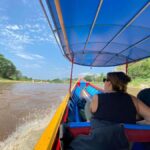
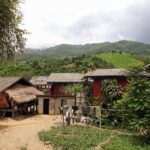
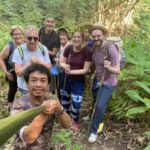
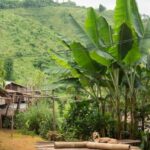

Waterfall Swim and Hot Springs Time: Cooling Off the Right Way
After lunch, you continue trekking through dense foliage until you reach a waterfall. This is your cooling-off moment. Bring your swimwear and towel—water time isn’t a bonus, it’s part of the plan.
What’s refreshing here is the contrast:
- You work your legs in heat and humidity.
- Then you get cold water breaks and a reset for your mood.
The tour description also points to hot springs as part of the off-the-beaten-path nature experience in the area. The key takeaway for your planning is simple: pack for water, and expect the day to include at least one strong nature soak moment.
Guides, Group Energy, and That Word: Challenging
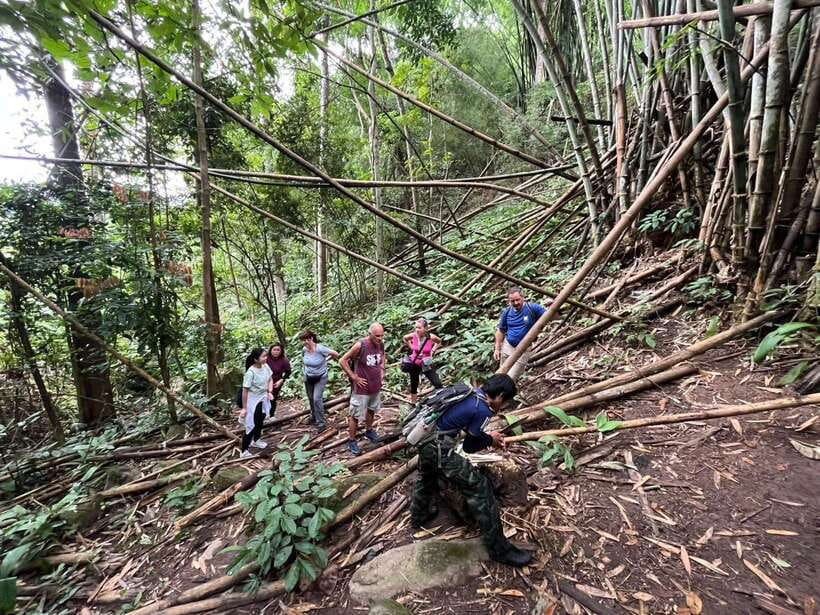
Guides are a major reason this trek gets such high marks. Names you might hear include James (often tied to the James 008 nickname), Wat, and Tee. Guides tend to be funny, practical, and attentive—exactly the mix that keeps a tough hike from turning into a misery march.
Still, let’s talk fitness honestly. Reviews consistently emphasize that this trek is not for beginners or anyone with major mobility limits. One person described a relative having to leave right at the start because the terrain was too demanding. Another called out technical bits like steep slopes and clambering up and down in spots.
So here’s the smart way to decide:
- If you can handle a few hours of steep, uneven hiking and you’ve got grippy shoes, you’ll likely enjoy this a lot.
- If you get winded easily, have knee or ankle issues, or hate uneven footing, you should think twice.
Also, bugs can vary. Some hikers reported almost no bugs, even during rainy season—so you might catch a lucky day. Still, insect repellent is worth packing because jungle weather is jungle weather.
Price and Value: What You’re Paying For at $57
At $57 per person for a 9-hour experience, the value isn’t just the sightseeing. You’re paying for:
- Hotel pickup and drop-off
- An English/Thai live guide team
- Lunch included
- Time spent walking through real terrain, plus village visits and cooking
It’s a full day with real effort. If you compare it to cheaper half-day tours, this one costs more because it gives you more walking hours and a bigger “how this is made” experience at lunch.
One caution: you’re also spending energy. If you’re expecting a leisurely day, the price might feel steep for what you get. If you want an active day with a memorable meal and village time, it feels fair.
What to Bring (So the Day Doesn’t Beat You)
The packing list is simple, but don’t treat it as optional. For this trek, I’d stick to it closely:
- Hiking shoes with grip (key for steep, rocky, uneven bits)
- Sun hat, sunscreen
- Insect repellent
- Swimwear, towel (for the waterfall)
- Camera (there are lots of trail and village moments)
- Light, breathable layers
- A way to keep your hands free when you need to balance on uneven sections
If you forget anything, you’ll feel it fast—especially on a day with steep slopes and water time.
Who This Trek Is Best For (And Who Should Skip It)
This trek is best for you if:
- You want a serious walk through Chiang Rai’s jungle areas
- You like village visits with a guide who can explain what you’re seeing
- You’re excited about bamboo cooking and want something more interactive than a standard lunch
- You can handle uneven trails and steep stretches
Skip it if:
- You need a low-impact, flat route
- You have mobility limits that make uneven footing risky
- You want a purely relaxing day with minimal physical effort
A nice bonus: this experience often feels like you’re not surrounded by crowds. Some groups reported having the jungle almost to themselves, which makes the day feel calmer and more special.
Should You Book the Only Walk Chiang Rai Jungle Trek?
Book it if you want a day that mixes real hiking, village conversation, and a genuinely unusual lunch with bamboo. The $57 price makes sense because it includes guiding, transport, and lunch, and because the day is built around experiences you can’t easily DIY without local help.
Don’t book it if your idea of “trek” means a comfortable walk. This one can be technical and steep enough that you’ll want to be in good shape before you go.
If you’re on the fence, ask yourself one question: do you want a day where you earn the waterfall swim with effort? If yes, you’ll probably love it.
FAQ
How long is the Chiang Rai jungle trek?
The duration is 9 hours, from hotel pickup to return to Chiang Rai.
What’s included in the price?
Included are hotel pick-up and dropp-off, a guide (English and Thai), and lunch.
Is lunch included, and what kind of food is it?
Yes, lunch is included. You’ll participate in bamboo-based cooking and then eat the meal you prepare.
Do I need a moderate fitness level?
Yes. The trek requires a moderate physical fitness level due to varied terrain and jungle trails, including steep ascents and technical walking in some sections.
What should I bring for the day?
You should bring sun hat, swimwear, towel, camera, hiking shoes, sunscreen, and insect repellent.
What is the cancellation policy?
You can cancel up to 24 hours in advance for a full refund.