REVIEW · MOUNT AGUNG
Bali: Mount Agung Sunrise Trekking Experience
Book on GetYourGuide →Operated by PT. Gorilla Adventures Bali · Bookable on GetYourGuide
In This Review
- Mount Agung sunrise takes your breath twice.
- Key Points You’ll Actually Care About
- Why Mount Agung Sunrise Feels Different Than Other Bali Tours
- Choosing Your Route: Besakih Temple vs Pasar Agung Temple
- Besakih Temple Route: harder, longer, and more technical
- Pasar Agung Temple Route: shorter, easier on paper, still steep
- Night Hiking Reality: Timing, Cold Air, and the Starry Start
- Breakfast on the Volcano: Fuel for the Sunrise and the Long Descent
- The Sunrise Views You’ll Be Waiting For (and What You’ll See)
- Transport and Pickup: Air-Conditioned Comfort Before the Chaos
- Guide Quality: Pace, Safety, and Why People Mention Specific Names
- What to Pack: Your Knee-Saving Checklist for Mount Agung
- Price and Value: What $95 Actually Buys You
- Who Should Book This (and Who Should Skip It)
- Should You Book This Mount Agung Sunrise Trek?
- FAQ
- How long is the Mount Agung sunrise trekking experience?
- What time does the trek start for each route?
- Which route is more difficult?
- What’s included in the price?
- Is lunch included?
- What should I bring for the hike?
- Do I need trekking experience?
- Is the sunrise hike accessible for everyone?
- Where does pickup happen?
Mount Agung sunrise takes your breath twice.
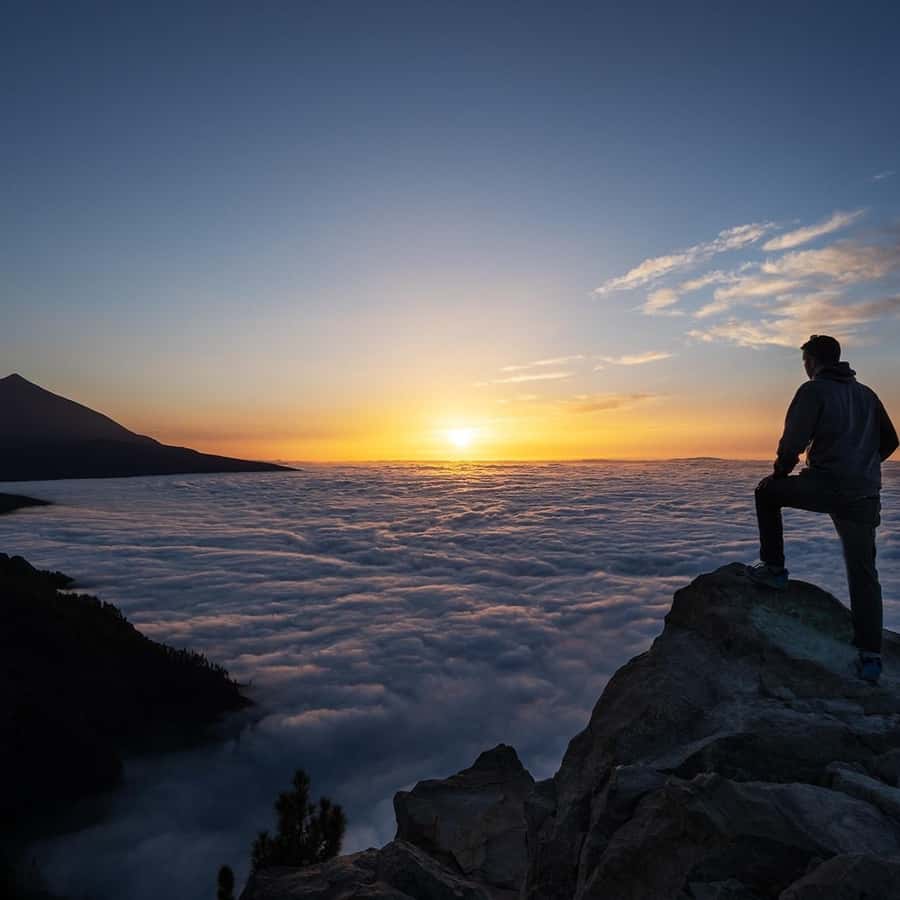
This is Bali’s big volcano climb at night, with a summit sunrise that looks over Lombok and the Batur caldera. You’ll hike in the dark with a flashlight and trekking sticks, then slow down for breakfast as the sky turns from black to pale gray.
I love the sunrise payoff—people talk about it for good reason, and Mount Agung delivers big views toward Mount Rinjani in Lombok. I also love the guided support plus breakfast at altitude, including hot food basics, soft drinks, and solid gear like sticks and a flashlight.
The main drawback is the reality check: both routes are tough, and the last stretch can be steep and technical. Getting down can be harder on your knees than climbing up, so go in with respect for the mountain.
Key Points You’ll Actually Care About
- Two real route options: the Besakih Temple path (harder) or Pasar Agung Temple path (easier but still steep).
- Starts in the dark: Besakih route starts around 11:00 PM; the other route starts around 2:00 AM.
- Breakfast on top: a practical reward that keeps you fueled for the sunrise and the climb finishing.
- You see more than Bali: expect views toward Lombok and the Caldera Batur area.
- Transport is part of the package: air-conditioned car with pickup from many Bali hotspots.
- Guides matter: names like Gede, Budi, and Ardi show up in standout experiences for safe pacing.
Why Mount Agung Sunrise Feels Different Than Other Bali Tours
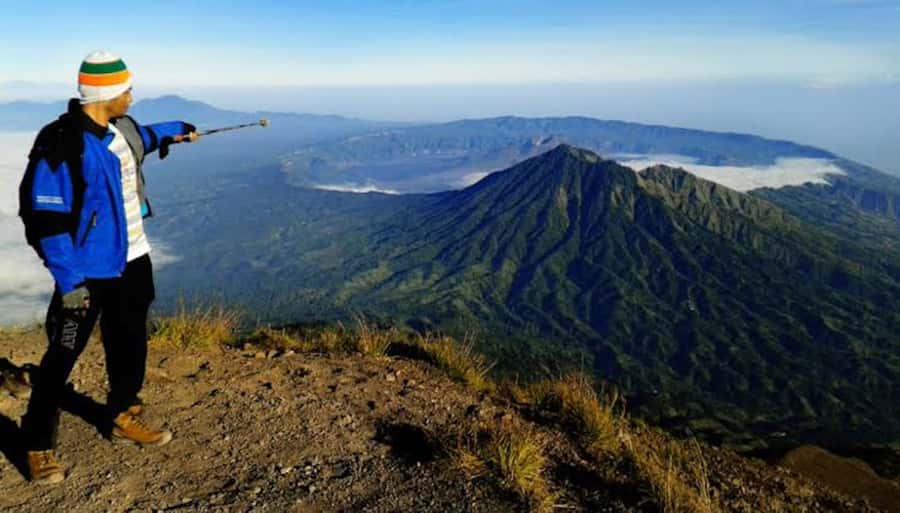
Mount Agung is the highest volcano in Bali, and that changes the whole mood of the experience. Night hiking here is cooler, darker, and more dramatic than typical day trips, plus you’re walking in a landscape that feels active—even when it’s perfectly still.
What makes this trek special for you is the mix of effort and structure. You’re not just getting dropped off and left to figure it out. You’re guided up with the right tools for the dark, then you’re given something real to eat before sunrise—so you’re not running on caffeine and stubbornness.
The tour also runs long. The listed duration (750 minutes) lines up with what most people feel in practice: a late-night start, time on top waiting for dawn, and a return that often pushes into the next day. If you’re planning other activities immediately after, I’d keep your schedule light.
Choosing Your Route: Besakih Temple vs Pasar Agung Temple
You typically choose between two common routes, and they’re not just different in distance—they feel different in effort, timing, and how technical the final push gets.
Besakih Temple Route: harder, longer, and more technical
This is the challenging favorite. The hike begins near Besakih Temple, also called the Mother Temple of Bali, and you move through dense jungle before the terrain becomes much steeper. The ascent takes about 6 to 7 hours, and the final hour can be so demanding that people may climb on all fours.
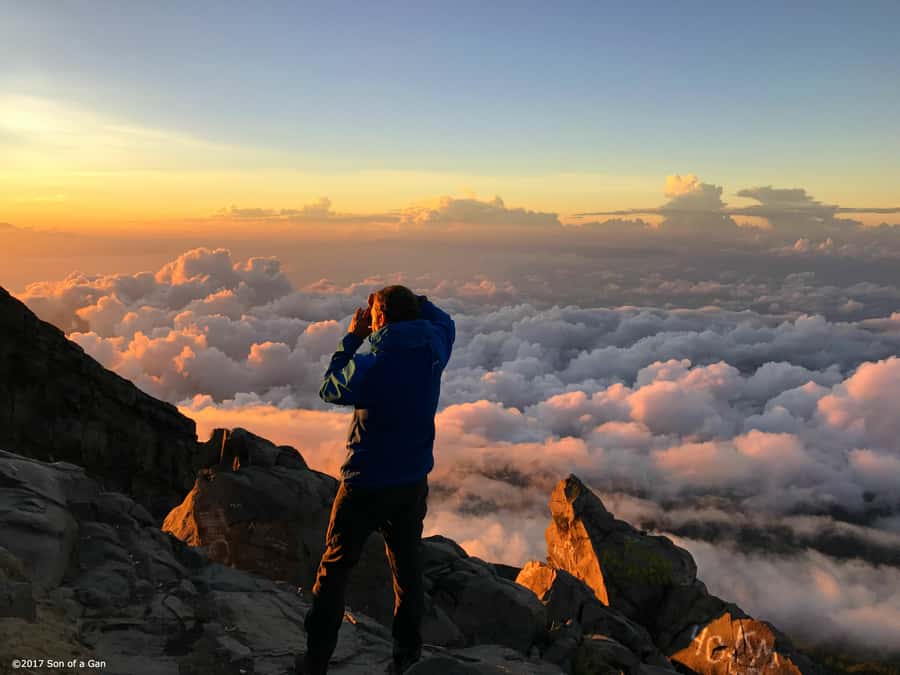
You start around 11:00 PM, which means you reach the summit before dawn and have time to settle in as the sky changes. The prize is huge: a sunrise view over Bali with sightlines toward Mount Rinjani in Lombok, plus views of the giant Caldera Batur and Lake Batur.
Practical note: this route is a test of endurance and footing. If you have any history with balance issues, go slowly and let the guide set a pace you can maintain for hours.
Pasar Agung Temple Route: shorter, easier on paper, still steep
If you want less suffering, this is the option. It’s a 3 to 4 hour hike, ascending about 2,000 meters. You end roughly 100 meters below the actual summit, but the views are still excellent in all directions and down into the crater.
Start time is about 2:00 AM, with the aim of reaching the peak area just before dawn. You’re still in for a night hike and a cold summit wait, but the climb is less punishing than the Besakih route.
Practical note: easier doesn’t mean easy. You’ll still be going up a volcano in darkness, and the path can still feel slippery or steep, especially on the descent.
Night Hiking Reality: Timing, Cold Air, and the Starry Start
Both routes begin at night, and that’s a big part of why the experience feels cinematic. With trekking sticks and a flashlight in the mix, you’re not guessing at every step. You’ll rely on your footing, your breath, and your guide’s rhythm.
In some experiences, guides also set up comfort during the wait—people mention bonfires and hot drinks during the night build-up. That matters because even if you think you’re tough, volcano nights can get cold, and you’ll appreciate anything that keeps you from wasting energy shivering.
Expect a pace that helps you arrive before sunrise. Some guides run conservatively, which can reduce risk and keep you safer on steep sections. In exchange, you might spend extra time cooling off near the top. I’d rather have a few cold minutes than rush a difficult climb.
If you’re prone to stomach nerves in low light, eat something before pickup and keep your hydration steady. The climb is long enough that “I’ll eat later” turns into “I wish I ate earlier.”
Breakfast on the Volcano: Fuel for the Sunrise and the Long Descent
One of the smartest parts of this trek is that breakfast is included on top. You’re not waiting until after the climb to feel human again. Instead, you eat before dawn fully kicks in, which helps your body manage the energy swing from cold to warmth.
You’ll also have a soft drink with breakfast. It’s not a big banquet, but it’s exactly the kind of practical fuel that makes the day more comfortable. And because you’ll be up on the volcano for a while, having a real meal reduces the temptation to snack only on whatever you brought.
Now the tricky part: breakfast does not erase the reality of the down. Several people note that the descent can be extremely painful, especially for knees. This is where good footwear and careful foot placement matter more than bravado.
The Sunrise Views You’ll Be Waiting For (and What You’ll See)
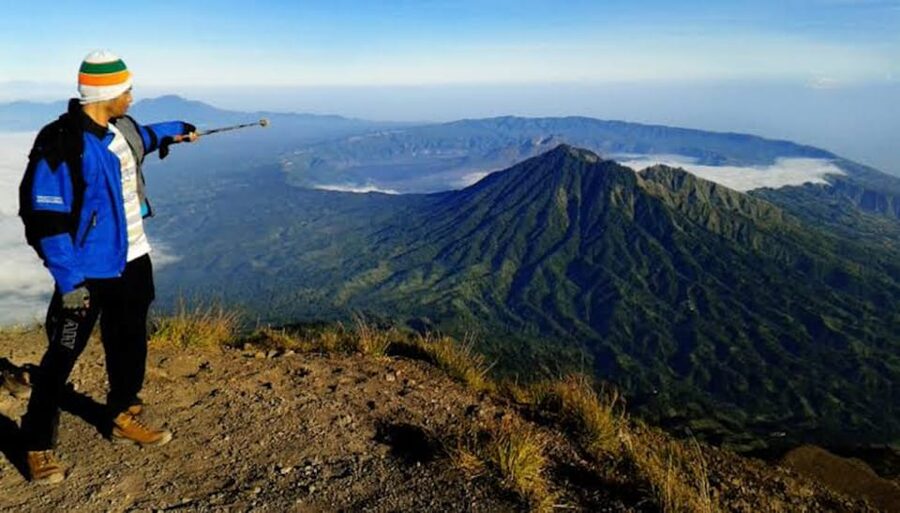
Sunrise at Mount Agung is the main headline. But what makes it worth the wake-up-from-a-sometimes-dozing-scooter lifestyle is the range of what you can see from the top.
From the summit area, the view is described as looking over Bali and toward Lombok’s Mount Rinjani. You’ll also see the Caldera Batur region, including the giant crater and Lake Batur. Even if the sky has thin cloud, the elevation still gives you a wide sense of place.
If you take the Besakih route, the timing often lines up so you’re watching the sunrise as the island wakes. People also mention the sky being clear enough for stars before dawn—one of those quiet perks that makes the night climb feel like more than just exercise.
On the Pasar Agung route, you may finish a bit below the summit, but the views are still described as excellent in all directions, including down into the crater. In other words: you’re not sacrificing the visual reason you came, even if you’re not standing at the highest point.
Transport and Pickup: Air-Conditioned Comfort Before the Chaos
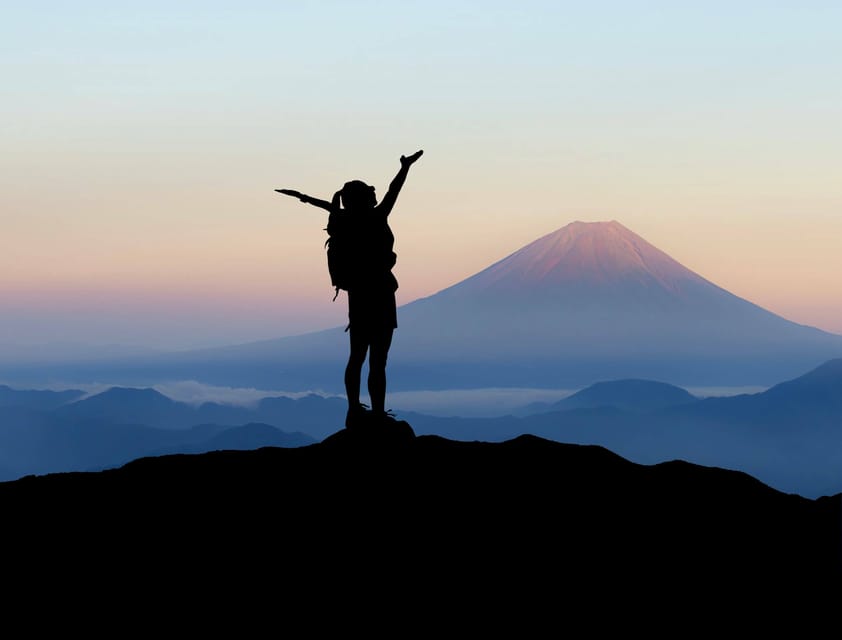
Let’s talk about the part you don’t want to mess up: getting to the trailhead. This experience includes private pickup and drop-off with an air-conditioned car and an English-speaking driver.
Pickup coverage includes these Bali areas: Ubud, Sanur, Kuta, Canggu, Seminyak, Legian, and Kintamani. If your hotel is outside that coverage, there can be an extra charge paid directly to the driver. I’d check this before booking so you don’t get surprised by the last step.
From the road side, what people consistently like is punctual pickup and smooth handling. Some drivers are praised by name, including Dewa, Herry, Eka, Krisna, and Soma, with frequent mention of safety and friendliness. That’s not just nice to hear—it matters at night, because you’re heading toward a long, steep hike.
A simple tip: keep your small essentials in a side pocket or day bag you can access without unpacking your entire load.
Guide Quality: Pace, Safety, and Why People Mention Specific Names
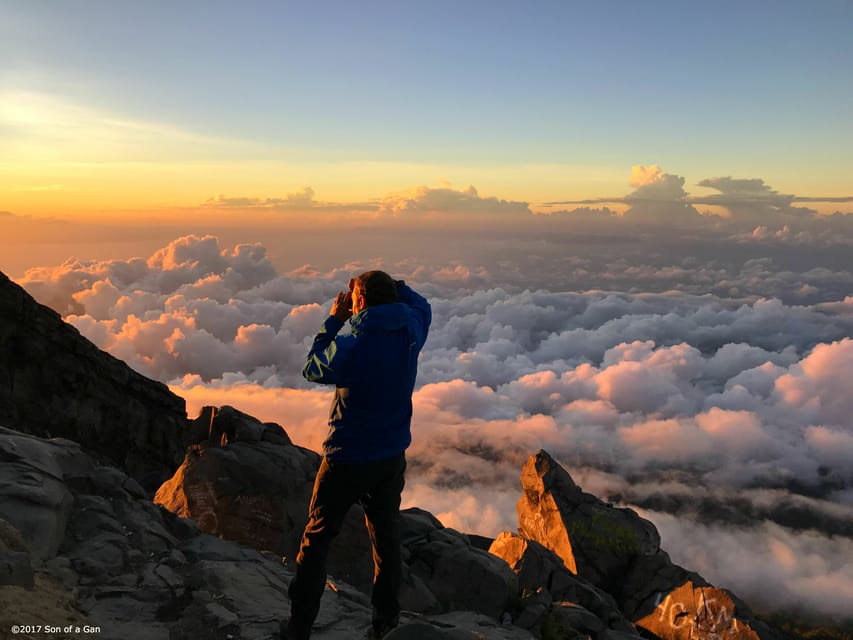
A volcano hike is not the place to improvise. You’ll appreciate having a trekking guide who knows the route well and manages the group pace so you don’t blow up too early.
In the standout experiences tied to this trek, guide names that come up include Gede, Budi, Ardi, Wayan, and Wagner (among others). People often describe guides as patient on the way up and attentive to footing on steep sections.
That pacing piece is huge for you. On Mount Agung, the climb isn’t just “how strong are you?” It’s “can you keep moving without falling?” In steep terrain, taking more small steps with the right rhythm beats sprinting.
English skill varies. One experience notes the guide’s English was sometimes limited, while others describe guides as very clear and supportive. If you’re counting on a lot of in-depth conversation, you might want to set expectations that safety and pace come first.
Also, insurance is included. That doesn’t make the hike risk-free, but it adds a layer of seriousness to the overall operation.
What to Pack: Your Knee-Saving Checklist for Mount Agung
The clothing and gear advice for this hike isn’t optional. It’s the difference between discomfort and misery.
Bring:
- Hiking shoes with grip (not thin fashion sneakers)
- A warm jacket for summit cold
- Gloves (many people mention wishing they had them)
- A hat
- Cash
The tour also provides hiking sticks and a flashlight, which helps a lot with footing in the dark. Still, I’d wear gloves even if you think you’ll be fine. Cold hands make everything—zipping, gripping, steady movement—harder.
Also plan for the descent to feel rough. Even people who manage the climb find the downhill hurts more. If you have knee issues, go slower than you think you need to, and don’t skip careful steps.
One last practical note: you’ll likely want one backpack per person if you can, because you’ll be carrying your own essentials and keeping access simple.
Price and Value: What $95 Actually Buys You
At $95 per person, you’re paying for more than a view. You’re buying a package that includes:
- Private hotel pickup and drop-off
- Entrance fee to Karangasem
- Trekking ticket
- Guide
- Use of hiking sticks and flashlight
- Breakfast plus a soft drink
- Insurance
- Transport with an English-speaking driver
What makes this feel like value is the mix of logistics and risk management. The private, air-conditioned transport reduces chaos at pickup time. The included guide and equipment reduce the chance you show up underprepared. Breakfast on top prevents the common “I’m starving at the worst time” problem.
The main thing not included is lunch and personal expenses. I’d plan to budget for lunch after you return and keep your day plan flexible, since you’ll be out a long time.
If you compare this to doing it independently, the cost still makes sense once you factor in guide time, tickets/fees, and getting to the right start point at the right hour.
Who Should Book This (and Who Should Skip It)
This is not a casual stroll. The hikes are challenging, and the experience is best for people who are physically fit and have some trekking experience.
Not suitable for:
- Pregnant women
- People with heart problems
If you’re a beginner with strong fitness and proper shoes, you might still be able to do it, but you should expect a serious workout and a tough descent. In particular, if you don’t train for downhill walking, bring extra caution for knee comfort and balance.
This trek is a great match if you:
- Like real hiking, not just sightseeing
- Want a sunrise with dramatic elevation payoff
- Prefer guided safety and structured timing
- Can handle cold nights and long days
It’s a weaker match if you:
- Hate steep, technical climbs
- Have fragile knees or lack trekking experience
- Need a short, easy outing
Should You Book This Mount Agung Sunrise Trek?
If your goal is a Bali experience with actual effort and a sunrise that feels worth the wake-up, I’d say yes. This trek earns its reputation because it pairs a demanding climb with real structure: guide support, included equipment, breakfast at altitude, and transport that gets you there smoothly.
But if you’re even slightly unsure about your ability on steep descents, treat that as a real signal. Choose the route that matches your comfort, wear proper shoes, and don’t plan anything demanding afterward.
In short: book it if you’re ready for a tough night hike and want the sunrise view over Bali, Lombok, and the Batur caldera. Skip it if your body isn’t built for long uphill walking—or if health conditions limit strenuous activity.
FAQ
How long is the Mount Agung sunrise trekking experience?
The total duration is listed as 750 minutes, which is a long day with a late-night start and a return the next day.
What time does the trek start for each route?
The Besakih Temple route starts at about 11:00 PM. The Pasar Agung Temple route starts at about 2:00 AM, aiming to reach the peak area before dawn.
Which route is more difficult?
The Besakih Temple route is the more challenging option, taking about 6 to 7 hours and often requiring very steep final sections. The Pasar Agung Temple route is shorter at about 3 to 4 hours and is described as easier.
What’s included in the price?
Included are private hotel pickup and drop-off, entrance fee to Karangasem, trekking ticket, hiking sticks and flashlight, a trekking guide, breakfast, a soft drink, and insurance.
Is lunch included?
No. Lunch is not included.
What should I bring for the hike?
Bring a hat, hiking shoes, a jacket, gloves, and cash.
Do I need trekking experience?
The hikes are challenging, and the experience is best for people who are physically fit and have some trekking experience.
Is the sunrise hike accessible for everyone?
No. It is not suitable for pregnant women or people with heart problems.
Where does pickup happen?
Pickup is included from Ubud, Sanur, Kuta, Canggu, Seminyak, Legian, and Kintamani. If your hotel is outside these areas, there may be an additional charge paid directly to the driver.