REVIEW · LOMBOK
One Day Trek Mount Rinjani
Book on Viator →Operated by Jou Trekking · Bookable on Viator
One day on Rinjani still feels epic. This Mount Rinjani one-day trek to the Senaru Crater Rim is built for strong hikers and rewards you with crater-and-lake views by mid-afternoon.
I really like how tightly the day is planned. You start in Senaru around 7:00am, reach the viewpoint by about 1:00pm, then you’re back down and done for the evening. I also like the practical extras: headlamps, drinking water on the trek, plus breakfast up on the mountain and lunch back at the office.
The tradeoff is the difficulty. This program is designed for experienced trekkers, so if you’re not used to steep climbs and sustained effort, you’ll feel it—hard—by late morning.
In This Review
- Key things to know before you go
- Senaru Crater Rim in One Day: The Real Promise
- Starting at Jou Trekking in Senaru: Where Your Day Begins
- The Ascent: When the Climb Starts to Feel Like a Job
- The Crater Rim at About 1:00pm: Views, Weather, and Time to Recover
- Lunch and the Most Underrated Part of a One-Day Trek
- Descend Back to Senaru: Where People Lose Steam
- Dinner and a Finished Day: The 7:00pm Wrap-Up
- Price, Entrance Fees, and What You’re Actually Paying For
- Who This Trek Fits (and Who Should Think Twice)
- What Guides and Headlamps Change on Rinjani
- Quick Practical Checklist for Your Pack
- Should You Book the One Day Trek to Senaru Crater Rim?
- FAQ
- How long is the one-day trek?
- What time does the trek start?
- Where do we meet?
- What’s included in the price?
- What entrance fees should I budget for?
- Is this a private tour?
- Does it depend on weather?
Key things to know before you go
- A fast, punishing schedule: 7:00am start, crater rim around 1:00pm, back down later in the day
- Headlamps are included: expect low-light sections even though the hike starts in the morning
- Meals are part of the deal: breakfast on the mountain and lunch arranged by the guide team
- You’re in a private group: only your group participates
- Rinjani entry fee is separate: plan for IDR 500,000 per person
- You need real fitness: this is aimed at hikers with prior mountain-climb comfort
Senaru Crater Rim in One Day: The Real Promise
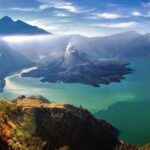
This one-day Mount Rinjani trek is for people who have limited time in Lombok but still want the main event: crater views that feel almost too big for a single day. Starting from Senaru, you climb to the crater rim and get a look toward the volcano and the lake below. Then you turn around and descend the same day, with dinner rounding out the long loop back.
What makes it interesting is the pacing. The day is compressed, so you don’t get “slow travel” breathing room. You get effort, checkpoints, and a payoff that hits when you reach the viewpoint in the early afternoon.
You can also read our reviews of more tours and experiences in Lombok.
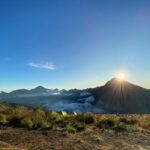
Starting at Jou Trekking in Senaru: Where Your Day Begins
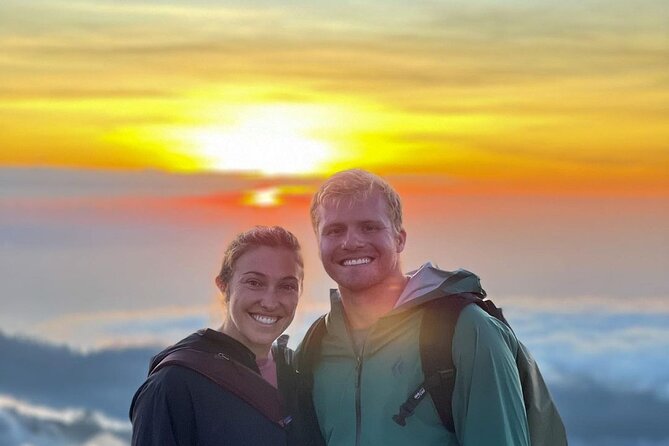
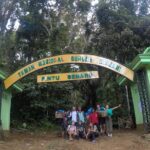
Your day kicks off at Jou Trekking Rinjani in Senaru, with the start time listed as 7:00am. Pickup is set for the Senaru area, with a typical routine that has you heading to the trail start shortly after the morning start. When the trek ends, it’s back at the meeting point.
This matters because logistics can eat a day on Rinjani. Here, the focus is on getting you moving early and keeping the flow tight. It’s also useful to know that luggage storage is available at the Jou Trekking office, so you’re not hiking with bags you don’t need.
The Ascent: When the Climb Starts to Feel Like a Job
You’ll arrive at the trail start around 7:20am, then begin the climb. The crater rim arrival is set for around 1:00pm, which gives you a sense of the work required in the middle of the day. If you’re the type who speeds uphill and forgets to breathe, don’t. A steady rhythm beats hero mode here.
Also, you get headlamps. That’s a big clue that low-light hiking is part of the plan at times. Even if you’re starting in daylight, having a headlamp means you’re not stuck improvising gear when the route shifts into darkness or misty shade.
Practical tip: wear shoes that you trust on uneven, steep ground. On a one-day trek, blisters don’t have a second chance to heal—they just grow teeth.
The Crater Rim at About 1:00pm: Views, Weather, and Time to Recover
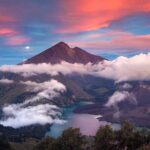
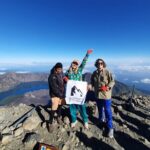
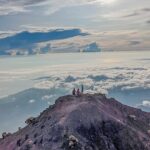
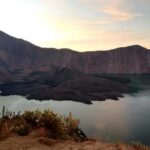
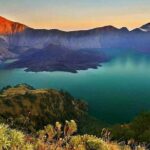
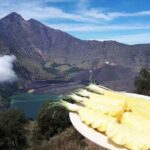
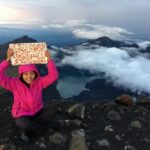
Reaching Senaru Crater Rim at roughly 1:00pm is where the day turns from effort to reward. The viewpoint is the moment you came for: wide views down into the volcano crater area and the lake.
Then comes the calmer section. Around 1:20pm, the guide team prepares lunch. That gap between reaching the rim and eating is important. You’re not just stopping—you’re refueling so the descent doesn’t wreck you.
One more reality check: Rinjani is weather-driven. This experience requires good weather, and if it’s canceled due to poor weather, you’ll be offered a different date or a full refund. Translation: don’t assume you control the view; you’re partnering with the mountain.
Lunch and the Most Underrated Part of a One-Day Trek
Lunch is at the guide’s rhythm, not at some far-off restaurant schedule. After you arrive at the rim, lunch preparation starts quickly, and you eat before turning downhill. That timing can be the difference between finishing strong and dragging yourself back.
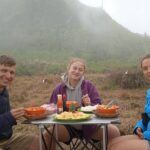
The inclusion list also covers breakfast on the mountain and drinking water during the trek. I like this approach because it reduces the number of decisions you have to make while your legs are already voting to stop.
If you’re picky about snacks, bring a few personal favorites anyway. You’ll appreciate having small comforts when the hike is long and your body wants quick energy.


Descend Back to Senaru: Where People Lose Steam
After lunch, descent begins. Your schedule has you leaving the rim area and arriving back in Senaru later, with the trek program running into the evening. The route down is often the hardest mentally, even if it feels easier on paper.
Why? Descents punish your knees and focus. Your body has already spent hours working uphill. Now it asks for control: careful steps, steady pacing, and good foot placement.
Practical tip: take shorter steps on the way down and keep your weight controlled. If you tend to rush when you finally feel relief, resist it. That’s how you end up with sore calves and an annoyed personality by dinner.
Dinner and a Finished Day: The 7:00pm Wrap-Up
The program ends with dinner around 7:00pm. That’s a long day, but it’s also a helpful structure. After you’re done hiking, you’re not stuck searching for food somewhere you don’t know well.
You should plan for fatigue, not just tired legs. A one-day crater rim trek takes full-day stamina—especially if you’re not used to steep elevation gains and sustained walking.
Price, Entrance Fees, and What You’re Actually Paying For
The pricing info you’ll see can look a little confusing at first. The tour summary lists $70 per person, but there’s also a note stating $100 per person for the one-day trek. Because of that mismatch, I’d treat the amount you see during booking as the truth and confirm the final total before you pay.
Here’s where value shows up clearly: the included services are more than just a guide. You’re getting an experienced English-speaking guide, drinking water, headlamps, breakfast on the mountain, and lunch prepared/served back at the office. There’s also luggage storage available.
One big extra cost is the Mount Rinjani entrance ticket, listed as IDR 500,000 per person, and that fee is not included. So your real budget should be: trek price you pay + entrance ticket + any extra transport needs outside the Senaru area.
If you’re deciding between options, this one can be a good deal because it packages guide time and key meals into the trek day. Just don’t ignore the entrance fee and your own fitness prep.
Who This Trek Fits (and Who Should Think Twice)
This is not a casual hike. The program is designed especially for experienced trekkers. It specifically calls for good physical fitness and “several mountain climbs experiences.” That wording matters.
If you’re the kind of hiker who does day hikes locally but hasn’t handled steep, sustained climbs, you might still attempt it—but you need honest training and a backup plan for pacing. People who train consistently—gym, running, cycling, and lots of stair work—tend to handle the day with less suffering.
Also, you’ll be in a private tour setup where only your group participates. That can help if your group includes different paces. I’ve seen guides like Rudi, Meng, and other team members from Jou Trekking lead groups with care, adjusting to slower members when needed and keeping everyone moving safely.
What Guides and Headlamps Change on Rinjani
A good guide isn’t just about directions. It’s about keeping you moving at a pace you can sustain, managing morale, and making sure you’re prepared for changing light and conditions.
This experience includes an English-speaking guide and supplies headlamps, which tells you the operator expects early starts, low light, and real mountain work. In past one-day and multi-day Rinjani experiences run by Jou Trekking, guides such as Rudi/Rudy, Meng, Nas, and Lim have been praised for support and organization, especially when hikers move at different speeds.
Even if your route feels straightforward at first, having a guide matters once the climb gets steep and your body starts negotiating.
Quick Practical Checklist for Your Pack
You won’t have to guess everything, but you should still pack like you’re hiking for real. Bring:
- Sturdy shoes you’ve already broken in
- A water plan mindset (water is included, but you still want to protect your pace)
- Warm layers for changing conditions
- A small snack for extra energy if you like it
And if you’re bringing trekking poles, you’ll likely find them helpful on both the climb and the descent. The key is simple: make your body feel stable.
Should You Book the One Day Trek to Senaru Crater Rim?
Book it if you:
- Want the crater rim experience without committing to an overnight plan
- Are fit for a full-day steep trek
- Like structure: pickup, guide-led pacing, meals, and a clear return time
Skip it or reconsider if you:
- Don’t have experience with sustained mountain climbs
- Know you struggle on steep downhills
- Are chasing an easy workout with big views (this isn’t that)
If you meet the fitness requirement and you want a serious Rinjani day with meals handled, this trek can be a strong value. Just budget the entrance ticket and take the preparation seriously.
FAQ
How long is the one-day trek?
The trek runs for about 1 day 12 hours (approx.). The schedule includes a climb to the crater rim around 1:00pm, with descent and return later in the day.
What time does the trek start?
The activity starts at 7:00am. Hotel pickup is arranged in the Senaru area around that start window.
Where do we meet?
You meet at Jou Trekking Rinjani, located at Jl. Pariwisata, Senaru, Kec. Bayan, Kabupaten Lombok Utara, Nusa Tenggara Bar 83354, Indonesia.
What’s included in the price?
Included are an experienced English-speaking guide, drinking water on the trek, headlamps, breakfast on the mountain, lunch at the office, and luggage storage at the Jou Trekking office.
What entrance fees should I budget for?
The Mount Rinjani entrance ticket is listed as IDR 500,000 per person and is not included in the tour price.
Is this a private tour?
Yes. It’s described as a private tour/activity, meaning only your group participates.
Does it depend on weather?
Yes. The experience requires good weather. If it’s canceled due to poor weather, you’ll be offered a different date or a full refund.