REVIEW · KATHMANDU
14 Days Everest Base Camp Trekking
Book on Viator →Operated by Hiking Himalayas Trek and Expedition Private Day Tours · Bookable on Viator
Everest starts with a tiny flight. This 14-day trek from Kathmandu to Everest Base Camp mixes Sherpa villages, Sagarmatha National Park visits, and high-altitude days that feel like they build on each other. I like that you get round-trip Kathmandu–Lukla flights, so you begin the trekking portion right away at real altitude.
My other big win is the on-the-ground support. You travel with a professional English-speaking guide plus an essential porter setup (2 trekkers: 1 porter), and you’re not stuck sorting food, permits, or daily logistics on your own.
One drawback to budget for: Kathmandu food and lodging are not included, and you’ll also want to plan extra money for drinks, snacks, and optional hot showers at about USD 5 per person.
In This Review
- Key things to know before you go
- Kathmandu mornings, Lukla airstrips, and getting started right
- Day-to-day trek rhythm: rivers, bridges, villages, and views that escalate
- Acclimatization days: where smart pacing beats heroics
- Khumbu Glacier approach: Lobuche, Gorak Shep, and the long day to Base Camp
- Duglha and the tea house stop
- Gorak Shep to Everest Base Camp
- Kala Pathar at dawn: the viewpoint day that defines the trip
- Return down through forests and to Lukla: Tengboche and your last Khumbu evening
- Back through river country and up to Tengboche
- Final trek day to Lukla, plus a celebration
- Price and what you’re really paying for (and what’s extra)
- Guides, porters, and the human side of getting it right
- Lodges, meals, and the pace you should expect
- Packing and fitness: match your gear to the realities of EBC
- Who this Everest Base Camp trek suits best
- FAQ
- Does the trek include flights between Kathmandu and Lukla?
- What’s the meeting point and start time?
- Is accommodation included during the trek?
- Are meals included?
- Are permits and national park fees included?
- Do I get an English-speaking guide?
- Is there porter support?
- What about Kathmandu hotels and meals?
- Is travel insurance included?
- Can I cancel and get a refund?
- Should you book this Everest Base Camp trek?
Key things to know before you go
- Flights included to Lukla: you land at the trekking start point instead of doing a long approach hike
- Lodge-to-lodge comfort in twin sharing: best available accommodations during the trek are included
- Built-in acclimatization days: you rest in Namche and again around Dingboche before pushing higher
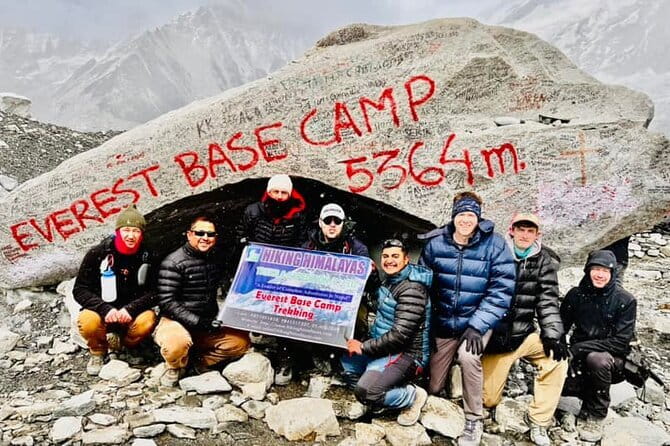
- Gorak Shep to Everest Base Camp at 5,364m: the hike includes glacier terrain and crevasse views
- Kala Pathar early morning: a prime viewpoint day at 5,565m before the long descent
- Seasonal fruits and guided meals: small extras are included, not just basic fuel
Kathmandu mornings, Lukla airstrips, and getting started right
Your day basically begins with timing. The meeting point is Tribhuvan International Airport in Kathmandu, with a start time listed at 6:15 am. If you’re getting picked up, the tour includes private vehicle transfers from your hotel to the domestic airport and back again after you return from Lukla.
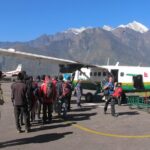
Then comes the part that makes Everest feel reachable: the flight to Lukla and that steep runway landing. You’ll meet the trekking crew after landing, get organized, and head straight into the Dudh Koshi Valley route. The practical advantage is huge. Instead of spending days just getting into trekking shape, you start hiking the same day you arrive in the Khumbu region.
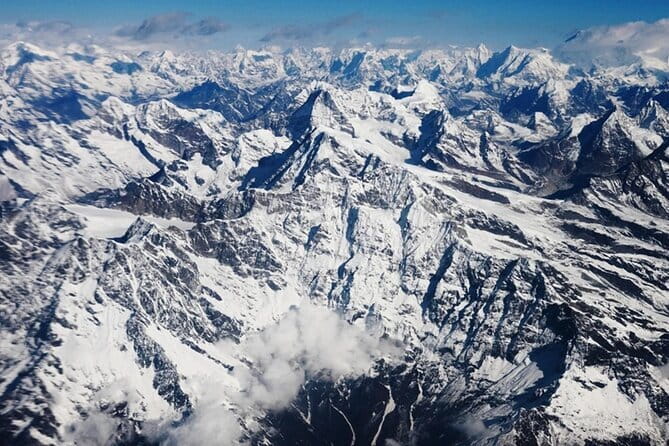
Day 1 in the plan is also about the mood. You’re set up to fly into Kathmandu on a clear day when possible, which means you often get that first sweep of snow-capped peaks while you’re still fresh. It’s a nice psychological kickstart.
You can also read our reviews of more tours and experiences in Kathmandu.
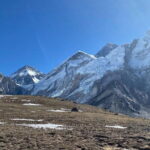
Day-to-day trek rhythm: rivers, bridges, villages, and views that escalate
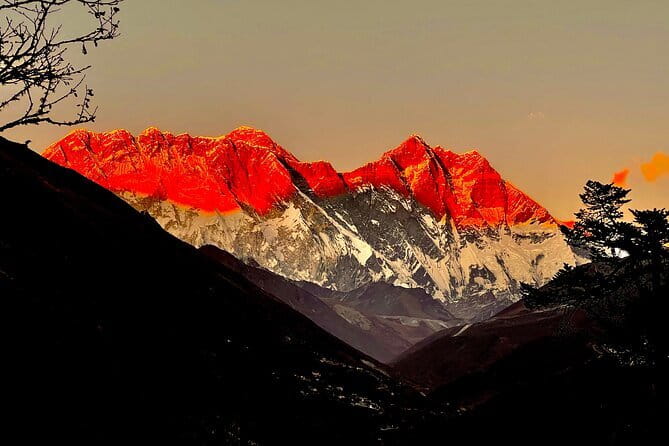
The trek follows a steady climb with enough variety to keep it interesting. Even if you’ve done multi-day hikes elsewhere, the Khumbu has its own tempo: short bursts of effort, a lot of walking on well-trodden paths, and frequent chances to pause for views.
Here’s what the early days teach your body (and what you’ll be doing each day):
Phakding via Dudh Koshi Valley
After Lukla, you hike to Phakding (2,656m). Expect a lot of valley walking and bridge crossings as you settle into trail rhythm.
The “why it matters” part: this is your easy-to-moderate runway into the higher elevations. You’re not yet at the toughest portion, but you’re already learning how the trail feels after a few hours.
Namche Bazar and Sagarmatha National Park
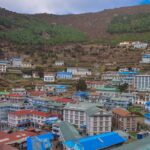
From Phakding you cross and re-cross rivers on suspension bridges, then continue to Namche Bazar. The plan specifically notes passing Monjo and entering Sagarmatha National Park, created to protect the fragile mountain environment. That matters because it’s not just a scenic drive-thru—this route is managed, permitted, and watched.
This day is often described in hikes as a milestone day. You’ll feel like the trek has truly started once you reach Namche and step into a bigger hub of lodges and tea shops.
Rest and Everest View Point day
One of my favorite things in this schedule is the built-in adjustment day in Namche. The plan includes a stop at Everest View Point, but the key is that you’re not forced to keep climbing hard that day. Namche is full of lodges, tea shops, and souvenir stalls, so it’s also the day where you can think, refuel, and plan your next steps calmly.
Tyangboche: first big peak lineup
From Namche, the trail contours high above the Dudh Kosi. This is where the views start getting serious: Mt Everest, Lhotse, Nuptse, and Ama Dablam are called out in the plan. You’ll also pass villages and get that mix of trail life and mountain-wall scale that’s hard to replicate anywhere else.
Pangboche/Dingboche area with religious details
The route transitions toward Pangboche (3,985m) and the Dingboche stop area. The plan specifically highlights the direct relationship with Ama Dablam and includes mention of a gompa, Mani walls, and prayer carvings.
This is the kind of detail I appreciate on an EBC trek. It’s not just getting to a point—it’s learning the place. You’ll pass people living their daily life right in the shadow of huge peaks.
Acclimatization days: where smart pacing beats heroics
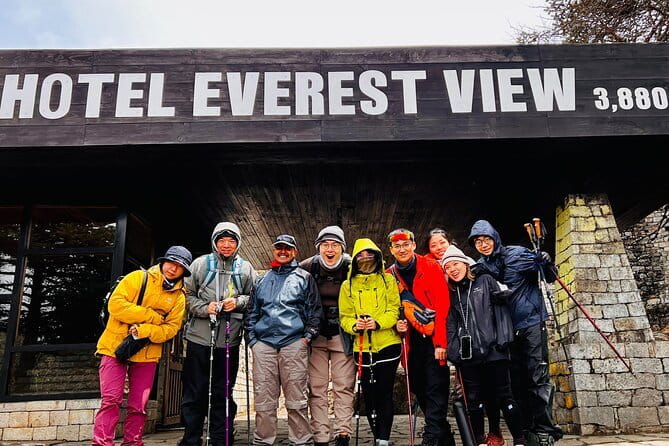
Two days are intentionally lighter so your body has time to adjust: a rest day around Namche, and another rest/acclimatization day around Dingboche.
On the Dingboche acclimatization day, the plan includes:
- wandering up toward Tshola Tsho (4,510m)
- views of the steep faces of Cholatse and Taboche
- an optional climb toward Nagarjun (5,100m) (not a full summit-style day, but a chance to test altitude response)
I like this setup because it gives you choices. You can go for the smaller objective and still feel like you earned it, without turning the day into a grind. If you’re the type who pushes too hard, this is the part where you can practice restraint.
If you’re the type who worries about being bored, don’t. High altitude walking changes your pace fast. Even a “rest” day is often activity-heavy.
Khumbu Glacier approach: Lobuche, Gorak Shep, and the long day to Base Camp
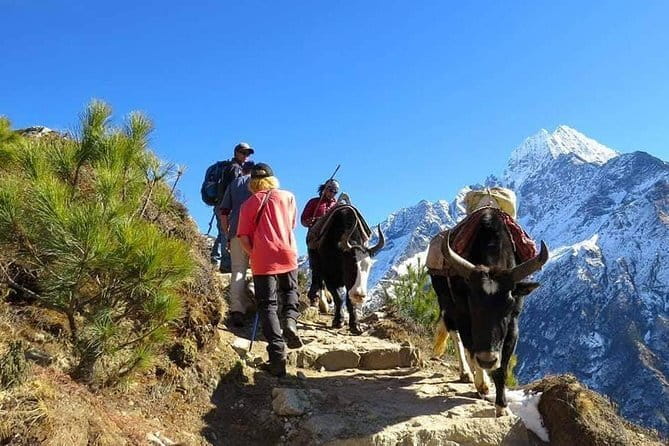
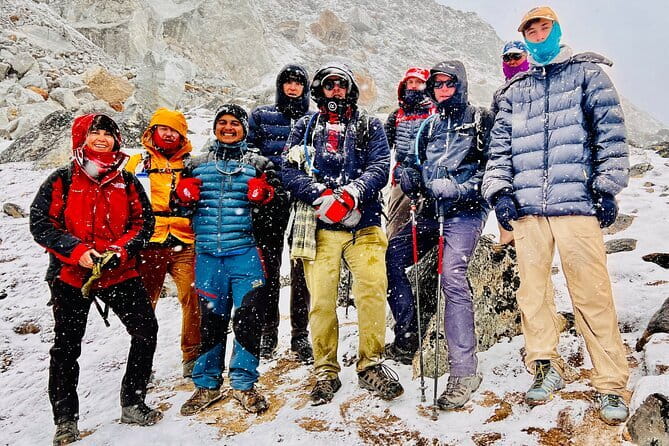
The days toward the glacier are where the effort feels different. The trail begins to look more stark. The climb toward the foot of the Khumbu Glacier is described as a steep turn right, and then you work your way upward.
Duglha and the tea house stop
On the way to Lobuche, you’re routed past a tea house lunch stop at Duglha (4,620m). That’s a practical detail worth caring about. At this altitude, you want your breaks to be predictable. A planned lunch stop helps you manage time and energy instead of searching around in a high-stress zone.
Gorak Shep to Everest Base Camp
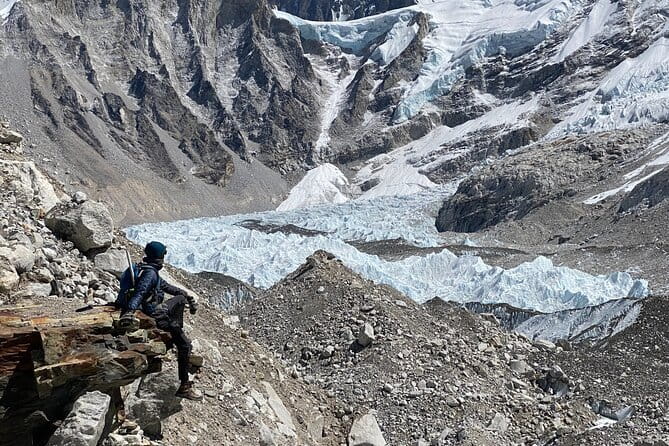
You reach Gorak Shep (5,164m) and then continue later to Everest Base Camp (5,364m). The plan notes:
- following the Khumbu Glacier
- crossing areas where the path rises to pass a tributary glacier
- climbing past ice pinnacles and near crevasses
This isn’t a “look and stroll” moment. The timing in the plan suggests a long push to Base Camp and then a return in the afternoon. You’ll come out of that day feeling both proud and tired in the same breath, because your brain keeps tracking the altitude while your legs do the work.
On the return leg, the plan mentions the option of taking a higher route for a more spectacular view. If you’re feeling strong and your breathing is stable, that’s the kind of choice I’d consider. If you’re not, staying with the most straightforward route can be the smarter move.
Kala Pathar at dawn: the viewpoint day that defines the trip
The next big day starts early with a hike to Kala Pathar (5,565m), listed as one of the finest Everest viewpoints. The plan includes views of Nuptse, Amadalamlam, Pumari, Lola, Lhumbute, and more.
Here’s why this day is such a big deal in real trekking terms: you’re already high, so the viewpoint payoff is immediate. You don’t have to wait until the afternoon to get your best photo angles, and the route format often helps you avoid unnecessary fatigue later.
After Kala Pathar, the plan has you retracing steps to Duglha and then descending to Pherliche (the plan spells it as Phe… in the text). Most people feel the altitude relief once they start moving downhill, but it’s still a serious day—don’t treat it like a casual stroll.
Return down through forests and to Lukla: Tengboche and your last Khumbu evening
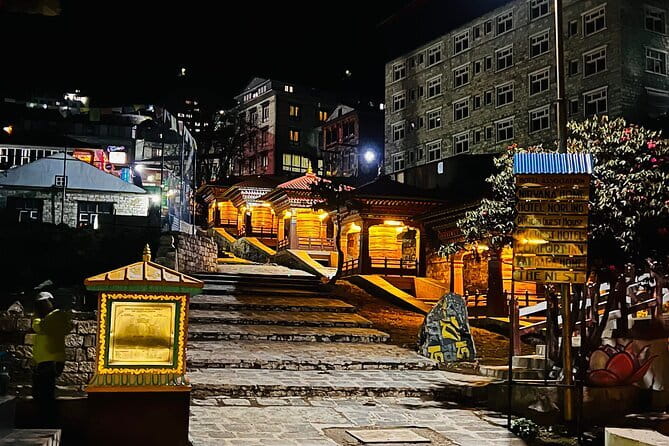
On the way back, the trekking days shift from glacier drama to village walking and forest sections.
Back through river country and up to Tengboche
The plan includes a route to Tengboche (3,860m). It specifically mentions climbing back through birch and rhododendron forest, with views of peaks listed again: Kantega and Thamserku, along with Everest, Nuptse, Lhotse, and Ama Dablam.
This is one of the reasons I like this itinerary. It doesn’t just repeat the same trail feeling. The vegetation changes and the air feels different as you drop lower.
Final trek day to Lukla, plus a celebration
Then you head down toward Lukla (2,800m) following the Dudh Kosi down to the airstrip. The plan notes a celebration evening with the Sherpa guide crew. That matters because it turns the trek’s emotional ending into something communal, not just a last-night scramble.
Price and what you’re really paying for (and what’s extra)
The listed price is USD 1,420 for an approximately 14-day experience. For Everest Base Camp treks, this price is mostly about four things: flights to Lukla, guide and porter support, permits/logistics, and included food and trekking accommodations.
What’s included that usually costs money elsewhere:
- round trip Kathmandu–Lukla flights (and departure taxes)
- private vehicle transfers between hotel and domestic airport
- best available twin sharing lodge-to-lodge accommodation during the trek
- a professional English-speaking certified guide and an essential porter setup (2 trekkers: 1 porter)
- trekking permits, taxes, and office service charges
- trekking meals: breakfast (13), lunch (11), dinner (11)
- map and a trip achievement certificate
- first aid medical kit
- seasonal fruits during the trek
What’s not included, so budget ahead:
- Kathmandu food and accommodation: listed at USD 45 per day
- travel insurance
- international flights to Nepal
- Nepal entry visa (available at the airport for USD 40 for 30 days)
- drinks, snacks, and personal expenses
- hot shower during the trek: USD 5 per person
- personal trekking equipment
- tips and gratuities
My practical take: this tour gives you fewer surprises if you already have your own trekking gear and you’ve planned a modest Kathmandu add-on budget. If you want full-service luxury in Kathmandu and on the trail, you’ll need extra cash anyway. For most hikers, the value is strongest when you treat the trek as the main event and handle the extras.
Guides, porters, and the human side of getting it right
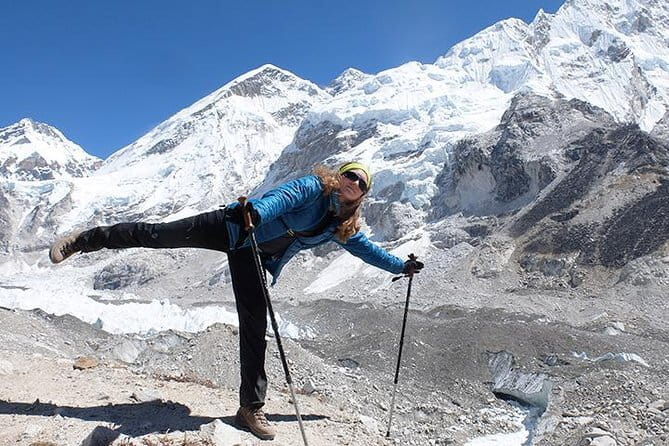
The included guide and porter coverage is more than a checkbox. It’s what keeps the day-to-day manageable when altitude makes everything feel harder.
In the reviews you shared, guide Hari is called out as calm and professional, with smooth arrangements and strong care during the trek. Another guiding pair—Kapil and Namo—is mentioned as knowledgeable and friendly, and porters Ram and Mongol also earn praise for doing excellent work.
Why you should care as a reader: the Everest Base Camp route is long, and small decisions matter. When your guide is attentive and your porter system is running well, you spend more mental energy on enjoying the trek and less on logistics panic.
Lodges, meals, and the pace you should expect
You’re in lodges most nights during the trek, and the plan is explicit about best available twin sharing rooms. That’s a practical point: if you’re traveling as a couple, it can be a simple fit. If you’re solo, you may want to clarify how twin sharing works for you before you go.
Meals are included in the plan (with breakfast, lunch, and dinner counts). That’s a real advantage at higher altitude where choices can tighten. The plan also notes seasonal fruits, which is one of those small extras that makes the day feel better, not just survivable.
As for daily effort, the itinerary shows many trekking days around 10 hours, with a few different-format days like rest and early viewpoint starts. So yes, you’ll work. This is not a short holiday hike.
Packing and fitness: match your gear to the realities of EBC
The tour lists personal trekking equipment as not included. That means you need to show up ready. I’d treat the gear list as your job: don’t assume the lodges will cover everything you forgot.
Also, the tour says you should have a strong physical fitness level. That’s accurate for this route. Even with acclimatization breaks, you’re walking long days at elevation, and some sections are steeper than they look on paper.
A couple of practical reminders based on what the plan includes:
- You’ll pay for optional hot shower (USD 5 per person), so plan to be fine without it.
- Drinks and snacks are not included, so have a plan for hydration and your preferred extras.
- Tips aren’t included, so set aside gratuity money for your guide and porter team.
Who this Everest Base Camp trek suits best
This trek fits well if you:
- want private tour attention (only your group participates)
- like having an English-speaking guide and a porter system built in
- value acclimatization days where you can actually breathe and reset
- want a full route that includes Everest Base Camp and Kala Pathar as major highlights
- prefer lodge-to-lodge comfort over camping
It might not be the best match if you:
- hate long hiking days (many are close to 10 hours)
- don’t want to pay extra for Kathmandu lodging or optional comfort items like hot showers
- are unprepared for high-altitude walking demands
FAQ
Does the trek include flights between Kathmandu and Lukla?
Yes. Round trip flights Kathmandu–Lukla and Lukla–Kathmandu are included, including departure taxes.
What’s the meeting point and start time?
You meet at Tribhuvan International Airport in Kathmandu, with a listed start time of 6:15 am.
Is accommodation included during the trek?
Yes. Lodging is included during the trek in best available twin sharing lodges.
Are meals included?
Breakfast, lunch, and dinner are included during the trekking portion (breakfast 13, lunch 11, dinner 11).
Are permits and national park fees included?
Yes. All required permits are included, along with government taxes and office service charge.
Do I get an English-speaking guide?
Yes. The tour includes one professional English speaking certified guide.
Is there porter support?
Yes. There is an essential porter, with the plan stating a ratio of 2 trekkers to 1 porter.
What about Kathmandu hotels and meals?
Kathmandu food and accommodation are not included. The listing gives a rate of USD 45 per day for Kathmandu.
Is travel insurance included?
No. Travel insurance is not included.
Can I cancel and get a refund?
The policy shown is free cancellation. You can cancel up to 24 hours in advance for a full refund.
Should you book this Everest Base Camp trek?
If you want a well-organized Everest Base Camp trek with Lukla flights included, a real guide/porter setup, and a schedule that includes Namche and Dingboche acclimatization breaks, I’d say this is a strong choice. The value also looks good because permits, meals, lodge stays, and the big viewpoint days are built into one package.
I’d think twice if you’re trying to minimize extras. Kathmandu costs, drinks/snacks, hot showers, and tips are all on you. And you’ll need to bring your own trekking equipment and show up with strong fitness, because this plan walks for long days at altitude.
If that matches your style—planned support, big sights, and a hike you can be proud of—this is the kind of EBC trip that feels worth the time.