REVIEW · HANOI
2-Day Amazing Sapa Trek With Sleeper Train From Hanoi – Overnight At Hotel
Book on Viator →Operated by Old Quarter Travel · Bookable on Viator
Sleep, then hike Sapa the easy way. This 2-day trek pairs an overnight sleeper train with mountain views in the Muong Hoa Valley, so you lose less time to logistics and more time to scenery.
I especially like the small-group feel (max 15), which keeps the pace manageable on the trails. I also love that the day-to-day includes real community stops: Sapa Market plus visits to ethnic villages tied to Black H’mong, Giay, and Red Dzao culture.
The main thing to consider is the combo of moderate physical effort and weather dependence—this trip needs decent conditions, and you’ll be walking in the highlands for hours.
In This Review
- Key highlights you’ll actually feel
- Overnight sleeper train: the value move that makes Sapa easier
- Hanoi departure at 20:50: what to expect before you even hike
- Morning in Lao Cai and breakfast setup: turning an arrival into a plan
- Muong Hoa Valley to Lao Chai: where the scenery does the talking
- Ta Van Village and the Giay family stop: a calmer slice of village life
- Sapa town free time: what to do with the hours you’re given
- Day 3 Cat Cat village trek: rice terraces plus daily rhythm
- Returning to Hanoi: the 17:00 transfer and the night train again
- Price and logistics: is $193 good value for this mix?
- Who should book this Sapa trek (and who should skip it)
- Should you book this Sapa trek with sleeper train?
- FAQ
- FAQ
- What’s the meeting point in Hanoi?
- How does the overnight train work?
- Where do you pick up after arriving in Lao Cai?
- What meals are included?
- How many people are in the group?
- How fit do I need to be?
- Is the tour dependent on weather?
- What’s the price and what’s not included?
Key highlights you’ll actually feel
- Sleeper train round-trip means fewer hotel nights and a smoother Sapa arrival
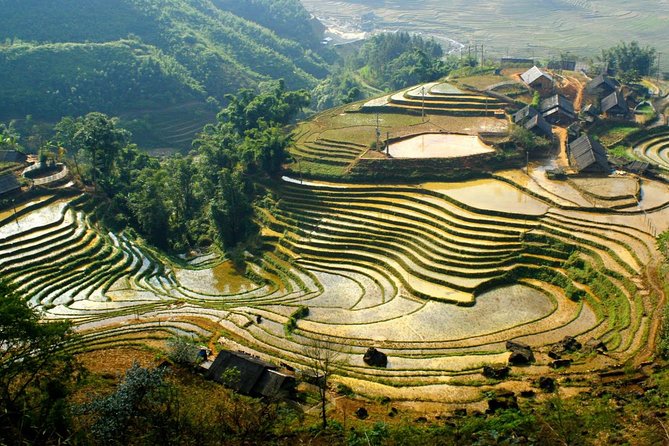
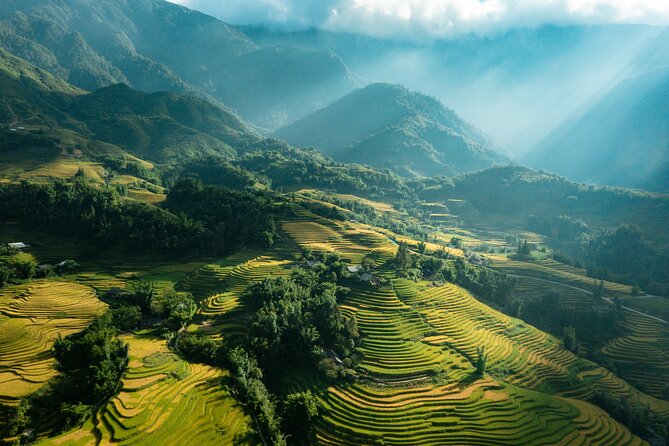
- Muong Hoa Valley trekking delivers long stretches of river-and-rice scenery
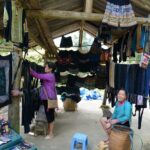
- Sapa Market + village visits connect food, clothing, and daily life you can see up close
- Max 15 people keeps the group calm on narrow paths and at homestay-style stops
- A standout guide experience: one past highlight was guide Lisa San and her explanations of local indigenous life
Overnight sleeper train: the value move that makes Sapa easier
Sapa is famous for views, but it’s also famous for complicated travel. The sleeper train angle is what makes this tour feel efficient.
Instead of burning a full day getting from Hanoi to the northern highlands, you meet in Hanoi around 20:50 and board the night train to Lao Cai, with the ride taking about 8 hours. That timing matters because you arrive with your body clock mostly intact, then you’re outdoors hiking in daylight the next morning.
Value-wise, you’re paying for more than transport. Your ticket includes the round-trip overnight train and a package of meals once you’re in Sapa, while you also get a hotel night. The result is less time hunting for connections and more time in the countryside.
You can also read our reviews of more tours and experiences in Hanoi.


Hanoi departure at 20:50: what to expect before you even hike
You start the trip at Ga Hà Nội (Ga Hàng Cỏ), meeting at 20:50. From there, you take the night train to Lao Cai City.
One practical detail I appreciate here: the tour uses set pickup points and set times, so you don’t have to coordinate taxis or ticket desks while tired. After arriving in Lao Cai, you’re picked up between 05:30 and 06:00, which keeps the morning flow moving.
If you’re the type who likes to get organized fast, this helps a lot:
- Show up earlier than the listed meet time if you’re unsure about station navigation.
- Pack essentials in a small day bag for the next morning, since you’ll be up and walking soon after arrival.
Morning in Lao Cai and breakfast setup: turning an arrival into a plan
Day 2 begins with pickup from Lao Cai Railway Station in the early morning window. When you arrive, the schedule gives you a transition period: you get breakfast and you can relax while luggage is handled.
That part matters more than it sounds. In the mountains, you want to start trekking with energy, not stress. The tour then shifts you into the main walking day with the Lao Chai Village route in the Muong Hoa Valley.
I like tours that build in this buffer. It reduces the chance that you’ll start the hike cold, hungry, or rushed.
Muong Hoa Valley to Lao Chai: where the scenery does the talking
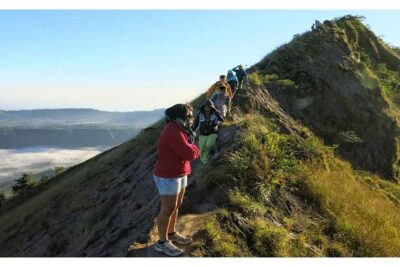
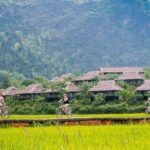
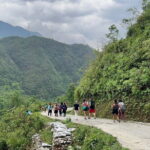
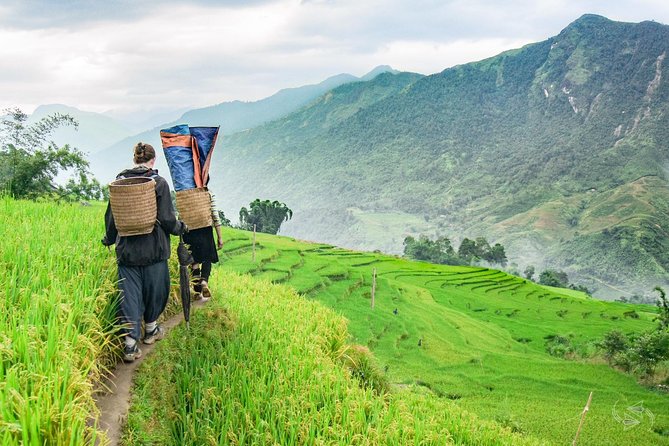
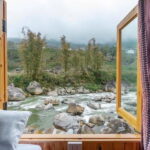
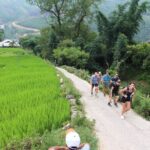
Around 08:30, trekking begins toward Lao Chai Village, often described as the home area connected with the Black H’mong community. The walk is built around valley scenery along a river, with views that tend to feel steady and rewarding rather than quick-and-fade photo stops.
The time on this segment is listed as about 3 hours, with the overall Lao Chai trekking described in the itinerary as around 4 hours. Translation: plan for a solid half-day of walking, with some variation depending on pace and conditions.
What you’ll likely feel on the ground:
- You’re not just “passing through” rural areas—you’re moving with the rhythm of the valley.
- The trails can be uneven, so good shoes matter more than fancy gear.
- The best photos usually happen when you slow down and take in what’s around you, not only what’s in front of you.
A small-group format helps here. In a group this size, it’s easier to keep together on narrower stretches without the whole line turning into a bottleneck.
Ta Van Village and the Giay family stop: a calmer slice of village life
By around 12:00, you have lunch before reaching Ta Van Village. This is where the itinerary points you toward a Giay family homestay style meeting—more connection than checklist.
Then, you’re picked up by car to head back to Sapa for hotel check-in. The itinerary frames this as a reset: after a full morning trek, you get time to wash up and regroup before dinner and overnight.
This structure is smart. Too many Sapa plans rush you from one long walk to another and leave no breathing room. Here, the Ta Van portion gives you village contact, then you step out of the trail mode for the evening.
If you enjoy learning through daily life—how people live, work, and relate to the landscape—you’ll likely appreciate this portion most.


Sapa town free time: what to do with the hours you’re given
Once you’re back in Sapa, the schedule leaves you free time to explore the town. You also have dinner and an overnight at the hotel.
I recommend using this time for practical, low-pressure goals:
- Find a meal you can enjoy without rushing back to the guide.
- Pick up simple snacks or water if you think you’ll want them on Day 3.
- Walk around to get your bearings so you don’t feel lost the moment you return from the trail.
Because you’re not locked into another activity immediately, this free block gives the trek room to settle in your mind. It turns the day into more than just steps and stops.
Day 3 Cat Cat village trek: rice terraces plus daily rhythm
On the final day, you’re up for breakfast at 08:00, then set off on a half-day trek toward villages connected to Black H’Mong daily life, with the stop at Cat Cat village.
This segment runs about 4 hours in the itinerary. The emphasis here is on the combination of rice terraces scenery and daily life observations in the villages along the way.
After that, the plan pivots back to town: lunch around 12:00, then free afternoon time again to freshen up and explore. The goal is not to fill every minute—your legs will appreciate a real break.
If you’re hoping to get one last good look at the highland scenery, this is a strong day for it. But it’s also the day where your pace matters most. If you’re tired, keep moving steadily and don’t try to outrun the group.
Returning to Hanoi: the 17:00 transfer and the night train again
In the late afternoon, you’re transferred to Lao Cai station around 17:00. Dinner on Day 3 is on your own, then you board the night train back to Hanoi, arriving the next morning.
The key thing I like about ending this way: you don’t spend time shopping for onward transport. You’re already on rails, heading back while you sleep. It’s a long ride, but at least it’s doing double duty.
Price and logistics: is $193 good value for this mix?
At $193 per person, this is not a budget “just get there” deal. What you are paying for is a package that tries to reduce the classic Sapa headaches.
Here’s what’s clearly included:
- Round-trip sleeper train Hanoi to Lao Cai (sharing a cabin of 4 people)
- Hotel night in Sapa
- Breakfast x2 and lunch x2
- Dinner included (and dinner on Day 3 is not included)
- Small-group size with a max of 15 people
- A mobile ticket plus group discounts
When I judge value, I look at whether the tour replaces expensive or time-consuming DIY work. Here, the sleeper train portion alone can be a big part of the cost, and the guided hiking + village visits add structure you’d otherwise need to arrange.
The main “watch-outs” on value aren’t hidden—they’re simply real:
- You’ll need good weather for the trekking portions.
- You’re joining a group pace, so if you want total freedom to linger or skip stops, this might feel limiting.
- Tips, insurance, and drinks aren’t included, so budget a little extra.
Also note: the booking is non-refundable and can’t be changed. If weather goes sideways, the tour says you’ll be offered a different date or a full refund—so keep flexibility in mind when you choose your travel window.
Who should book this Sapa trek (and who should skip it)
This tour fits you best if you want:
- A guided, structured trek with short village moments that add meaning
- Moderate physical activity without planning a complex route yourself
- A small group and a calmer experience on trails
- The most efficient use of time from Hanoi, thanks to the overnight train
You might want to look elsewhere if:
- You want a fully independent self-guided experience.
- You’re worried about walking multiple hours on uneven paths.
- You can’t travel on short notice if weather forces a schedule change.
As for guides: one past highlight called out Lisa San by name for explaining Sapa and indigenous life in a way that made the stops feel real. Even if your guide isn’t the same person, this is a sign the trip is designed around explanation, not just walking.
Should you book this Sapa trek with sleeper train?
I think you should book it if you’re aiming for an easy-to-logistics Sapa trip with real community stops and you’re okay with a moderate hiking commitment.
The sleeper train is the deciding factor for me: it compresses travel time, cuts down on hotel hassle, and keeps you in motion in the direction you want. Add the Muong Hoa Valley trekking, the Lao Chai and Ta Van village stops, plus Cat Cat on Day 3, and you get a full Sapa experience without feeling like you’re wasting days on transit.
If you have decent shoes, a flexible weather plan, and you like learning from place and people you meet on the trail, this tour is a strong match.
FAQ
FAQ
What’s the meeting point in Hanoi?
You meet at Ga Hà Nội (Ga Hàng Cỏ), 402ntp120 Đ. Lê Duẩn, in the Hoàn Kiếm – Quốc Tử Giám area of Hanoi. The start time is listed as 8:30 pm (20:50).
How does the overnight train work?
You take the night train from Hanoi to Lao Cai on Day 1, and then return on the night train again at the end of Day 3. The return overnight train is described as a shared cabin of 4 people.
Where do you pick up after arriving in Lao Cai?
On Day 2, you’re picked up at Lao Cai Railway Station between 05:30 and 06:00, then you go for breakfast and trekking setup.
What meals are included?
Included meals are breakfast (2), lunch (2), and dinner (1). Dinner on Day 3 is on your own.
How many people are in the group?
This activity is limited to a maximum of 15 travelers.
How fit do I need to be?
You should have moderate physical fitness. The schedule includes trekking sessions on Day 2 and Day 3.
Is the tour dependent on weather?
Yes. The experience requires good weather. If it’s canceled due to poor weather, you’ll be offered a different date or a full refund.
What’s the price and what’s not included?
The price is $193 per person. Tips and tax, insurance, drinks, and services not listed are not included.