REVIEW · POKHARA
Independent Trekking Guide in Pokhara
Book on Viator →Operated by Trekking Guide in Pokhara · Bookable on Viator
Your trek starts with the right call. In Pokhara, this independent guide helps you choose the best Annapurna-region route for your ability and goals, then takes care of the heavy lifting like permits, transport, and tea house bookings so you can focus on the trail. I really like the flexible, bespoke planning and the way Roshan blends hiking with practical photo coaching and Nepal context. One possible drawback: you still need moderate fitness, and weather can affect whether your days run exactly as planned.
Because it’s private for your group (up to 8), the experience feels more like working with a pro than joining a random pack of walkers. You meet at 8:00 am with pickup options, and you get a helpful gear kit that can save you last-minute packing stress. The main consideration here is cost structure: the $50 price is for one trekking day payment per group, while some big add-ons (permits, transport, and your own meals/lodging unless you book a full package) may come separately.
In This Review
- Key highlights you’ll actually feel on the trail
- Why this Pokhara guide setup is worth your time
- Choosing a trek length you control (and why that matters)
- Permits, transport, and tea house nights: the “quiet work” you want covered
- How your 5 days will likely feel in real life
- The practical plus: the guide carries more than just directions
- The downside to plan around
- Gear that reduces your packing stress (and improves your comfort)
- Safety prep is included, not promised
- Photography coaching that’s actually useful on a trek
- Price and what you might still pay (the honest breakdown)
- Why this can still be good value
- Porter option if you want it
- Who should book this private trekking guide (and who might not)
- Practical tips before you commit
- Should you book this independent trekking guide in Pokhara?
- FAQ
- What is the cost for this trekking guide in Pokhara?
- Is this a private tour or shared experience?
- What does the guide provide with the trekking service?
- Are my meals and accommodation included?
- Are permits and transport included?
- Do I need my own trekking insurance?
- Where will we start from?
Key highlights you’ll actually feel on the trail
- Treks matched to your ability and desire: the guide recommends what fits, not what’s most popular.
- Less logistics pain: permits, transport, tea house lodging, and food sourcing can be arranged.
- Private pace and flexibility: your group hikes on your chosen trekking days (within weather reality).
- Gear provided for you: poles, sleeping bag, rain ponchos, and a headlamp come with the guide service.
- Photo add-on that’s not just random snaps: Roshan’s professional training turns your hike into a learning walk.
- Optional porters if you want lighter days: extra help is available for an added daily fee.
Why this Pokhara guide setup is worth your time
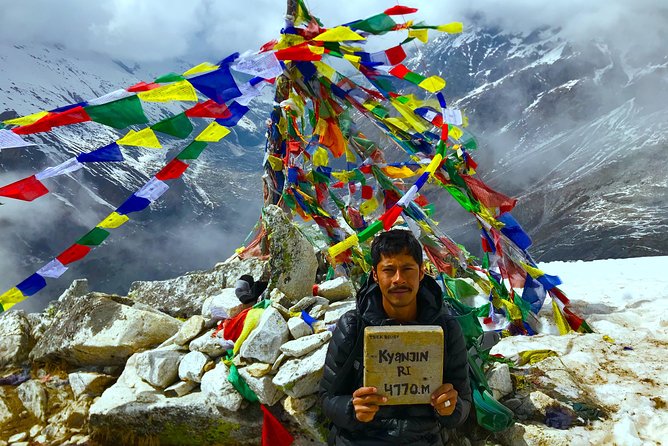
Annapurna trekking has a way of making people overconfident. You see a few photos, pick a route name, and think you’re set. Then you hit the real-world stuff: permits, transport timing, which tea house is open, whether the plan matches your pace, and how weather might shift your schedule.
This guide model fixes the friction. You start by sharing your details—your fitness, your pace, and what kind of trek you want (short and scenic vs. longer and more involved). The guide recommends the best option, then coordinates the behind-the-scenes work so you’re not spending your precious daylight negotiating logistics.
I also like that the guide service is built for group decisions. If you’re trekking with friends or family, the private format means you’re not forced into someone else’s speed. Your group up to 8 keeps the experience intimate while still letting you spread the decision-making load.
The big win here is mental energy. When permits and tea house planning are handled for you, you hike with less worry and more attention to views, villages, and your own rhythm.
You can also read our reviews of more tours and experiences in Pokhara.
Choosing a trek length you control (and why that matters)
One of the most useful parts of this service is that trekking days are your choice. The trek can be any duration you’d like, with a typical trip length running around 5 days. That matters because Annapurna trekking isn’t just about distance. It’s about fatigue management, acclimatization, and whether you want time for slow wandering and photo stops.
You pay $50 per group (up to 8) for one trekking day. That day-rate structure can feel a little confusing at first, but it’s also honest. It lets you scale the trek up or down instead of locking yourself into a fixed itinerary that might be too much or too easy for your group.
Here’s how to think about it: if you know you want a shorter first trek, you can stop earlier. If everyone’s feeling good and the weather holds, you can add days. In a place where mountain conditions can change quickly, having your schedule controlled by actual conditions (and not just wishful planning) is a practical advantage.
Permits, transport, and tea house nights: the “quiet work” you want covered
This guide doesn’t just talk about hiking. It coordinates the stuff that usually eats up time in Nepal.
What the guide can arrange:
- Permits (with permits being part of what can be included in a full package booking)
- Transport (also can be included in a full package; the service coordinates it)
- Lodging and food at tea houses on the trail (and this is specifically mentioned as being handled in the best tea houses)
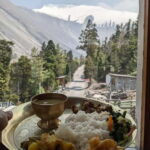
In practice, tea houses are where your trek life happens. They’re not luxury hotels, but they’re the backbone of staying comfortable and fed while you hike between towns and passes. The advantage of having a guide plan this for you is simple: you avoid the scramble of trying to find a place that fits your day’s walking plan.
Also, note the start location depends on the trek you choose:
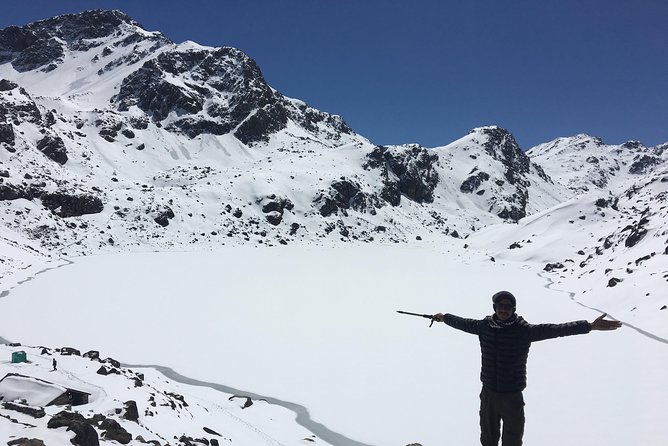
- For Annapurna Circuit, Langtang, and Gosaikunda, pickup is arranged from Kathmandu.
- For other treks, the trek starts from Pokhara.
That flexibility is a real time saver. You’re not trying to guess which city you need to be in.
How your 5 days will likely feel in real life
You meet at 8:00 am, and pickup may be offered depending on your chosen trek and plan. From there, your days are built around trekking time plus tea house stops at night. Since the exact route isn’t fixed in your booking, the rhythm stays consistent even when the trail details change.
A day on this kind of Annapurna-region trek usually looks like:
- Morning start (after transport and trail access)
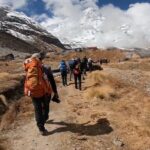
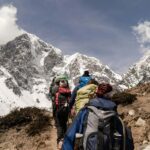
- Walking in segments with time for views, village life, and breaks
- Evening arrival at tea houses for a meal and rest
- Weather-aware adjustments when needed
Because your guide is private, you can make choices that would be hard in a large group: shorter breaks, a longer pause for photos, or adjusting pace to keep everyone comfortable.
The practical plus: the guide carries more than just directions
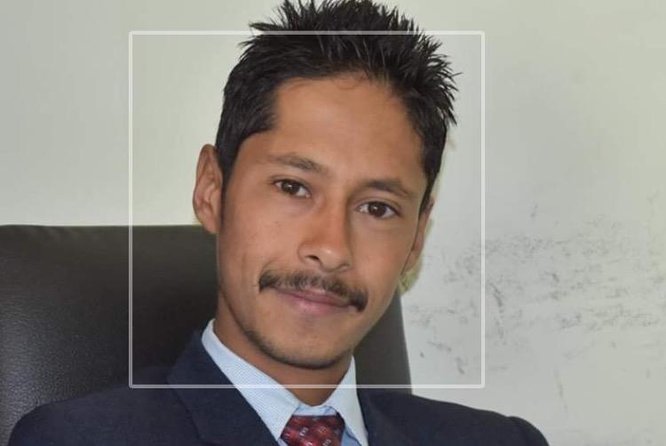
Roshan is also a trekking guide trainer and a professional photographer. That doesn’t sound like it changes your trail miles, but it changes your attention. You’ll get explanations tied to what you’re seeing—natural, cultural, socio-economic, and geographical aspects of Nepal, based on what you’re interested in.
The downside to plan around
Since this is weather-dependent, some days might shift. The good news is the guide is preparing for safety and being ready with gear. The reality is that mountain weather can be stubborn. Build in a little flexibility, even if you think your schedule is tight.
Gear that reduces your packing stress (and improves your comfort)
One of the most tangible values here is the gear provided for trekkers. Many people show up with random equipment or nothing at all, then end up uncomfortable for days. This service gives you key items up front:
- Trekking poles
- Sleeping bag
- Pair of rain ponchos
- Head lamp
That’s a big deal for everyday trekking problems:
- Poles help you control descents and save your knees.
- Ponchos keep you moving when rain shows up.
- A head lamp helps in tea houses and for early starts when daylight is limited.
On top of that, Roshan carries specialized photo tools including 8×21 Bushnell binoculars and a Canon 5D Mark IV DSLR with a landscape lens (that lens type matters for wider scene shots). If you’re into mountain views, it’s a nice bonus—especially when weather turns clear and you want to capture it without waiting for the perfect selfie moment.
Safety prep is included, not promised
The guide mentions being prepared to the highest extent possible for safety. That shows up in two ways in what you’re given:
- Essential gear (poles, ponchos, head lamp)
- Training background (Roshan is a Trekking Guide Trainer from Nepal’s Ministry of Tourism and has produced 100s of trekking guides)
You should still bring your own common sense. Moderate physical fitness is required, and weather matters. But when your guide has formal training and gear support built into the plan, you don’t have to carry the burden of figuring out what’s needed at each stage.
Also, it’s private, so you’re not trying to manage a mixed-speed group while you worry about your own safety decisions.
Photography coaching that’s actually useful on a trek
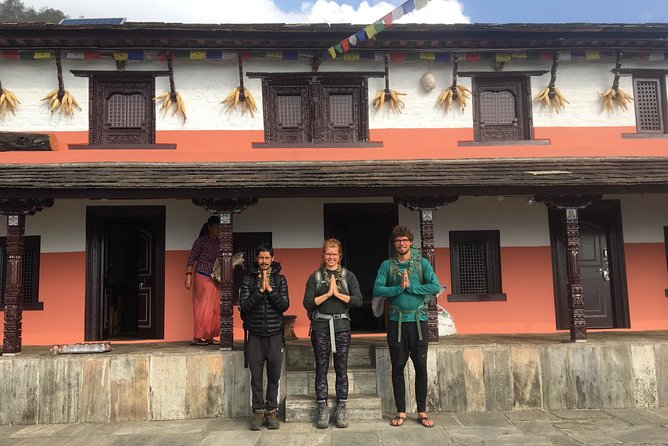
If you’ve ever watched people take photos on hikes, you know two extremes: either they shoot constantly and miss the moment, or they take a few photos and wish they’d known where to stand or what settings to use.
This guide includes a photography angle that’s meant to help you see and shoot better. You’ll receive photos from Roshan along with explanations about photography tied to what you’re hiking through.
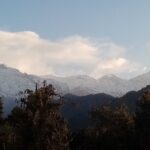
You don’t need to be a serious photographer for this to be valuable. Even basic tips—how to frame mountain lines, when light hits the ridges, or how to plan a shot before you stop walking—can turn your trek from random snapshots into a personal set of images.
The photo equipment also matters because it’s carried by the guide, not you. That reduces the temptation to overload your own pack.
If you’re traveling with someone who loves photos but doesn’t want a long, separate workshop day, this is a smart way to combine interests with actual trail time.
Price and what you might still pay (the honest breakdown)
Let’s talk numbers in plain terms.
- $50 per group (up to 8) for 1 trekking day payment
- Booking is often made far in advance, so plan early if your dates are fixed.
What’s included in the guide service:
- English-speaking professional trekking guide
- Food, accommodation, and insurance for the guide
- Trekker gear: poles, sleeping bag, rain ponchos, head lamp
- Photo gear carried by the guide (binoculars and DSLR)
What’s not included (unless you book the full package option):
- Your foods and accommodations (for you)
- Trekking permits and tickets and transportation (unless in full package)
- Visa fees and trekking insurance (you need trekking insurance)
- Tips for guide and porters (porters expect tips; guide tips are expected by custom but stated as not compulsory for the guide)
Why this can still be good value
This setup can be excellent value if you want:
- A tailored plan
- A guide who handles permits/tea house planning when you choose a package
- A gear safety net
But if you’re counting every dollar and you don’t want to add permits/transport/your meals/lodging on top, then you’ll need to budget carefully. The per-day structure means the total trip cost depends on how many trekking days you choose.
Porter option if you want it
If you want help carrying your extra weight, porters are available for $20 per porter per day, and they can help carry up to 20 kg of luggage. That can make a big difference on days with heavier climbs or if you’re traveling with extra gear for cold or rain.
Who should book this private trekking guide (and who might not)
This guide is a strong match if:
- You want a private group experience up to 8 people.
- You’re unsure which Annapurna-region trek fits you best.
- You care about logistics being handled: permits, transport, tea house lodging, and food sourcing.
- You want safety prep plus practical gear.
- You like photo learning and cultural context while trekking.
It may be less ideal if:
- You’re looking for a fully fixed, one-size route with everything bundled automatically.
- You want the lowest possible total cost with zero extra add-ons. Since meals, lodging, permits, and transport can be separate unless you choose the full package, you’ll need to plan your budget clearly.
- Your group fitness is very low. Moderate fitness is required.
Practical tips before you commit
A few things will make your trek go smoother right from the first day:
- Tell Roshan your pace honestly. If you want a relaxed hike with more photo stops, say so. If you want to cover ground, say that too.
- Plan for weather. The experience requires good weather, and you may be offered a different date or a full refund if canceled due to poor weather.
- Get trekking insurance. It’s not optional in the guide’s terms, and it’s smart in the mountains.
- Use the gear kit you’re offered. Poles, ponchos, and a head lamp can save you discomfort and trouble on wet or low-light days.
- Consider a porter if your pack is heavy. If your luggage is already at the limit, paying for porter help can feel like buying back energy.
If you want to keep your options open, the guide says you can book and later change to the next trek, or cancel for free after contact. That’s useful when plans are still fluid.
Should you book this independent trekking guide in Pokhara?
If you’re trying to decide between a DIY trek and paying for expert help, I’d lean toward booking this kind of independent guide—especially if you don’t already know which Annapurna-route fits your group. The biggest win is the combination of private attention and real logistics handling, plus gear support that lowers the stress of being underprepared.
I’d book it if:
- you want help choosing the right trek,
- you want flexible days (and can adjust based on weather),
- and you’d enjoy learning about what you’re seeing while you hike.
I’d hesitate if:
- your goal is a fully packaged deal with everything included and zero planning conversation, or
- you’re trying to minimize your budget down to the guide fee only.
FAQ
What is the cost for this trekking guide in Pokhara?
The price is $50.00 per group (up to 8) for 1 trekking day. It’s not the payment for the whole trek unless you arrange multiple days.
Is this a private tour or shared experience?
This is a private tour/activity. Only your group will participate.
What does the guide provide with the trekking service?
The guide provides an English-speaking professional trekking guide, plus gear including trekking poles, a sleeping bag, a pair of rain ponchos, and a head lamp. The guide also carries photo equipment for the experience.
Are my meals and accommodation included?
Foods and accommodations are not included by default, but they can be included if you book a full package trek. The guide arranges tea house lodging and food on the trails in package scenarios.
Are permits and transport included?
Trekking permits, tickets, and transportation are not included unless you book a full package trek.
Do I need my own trekking insurance?
Yes. Trekking insurance is not included, and you’re advised to arrange it.
Where will we start from?
For Annapurna Circuit, Langtang & Gosaikunda treks, pickup is arranged from Kathmandu. Other treks start from Pokhara.