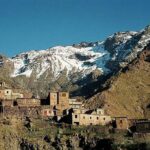
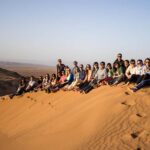
High Atlas trails can feel like a living atlas. This trip strings together Berber villages, vivid valleys, and waterfall views, with mules doing the heavy lifting. It starts in the Imnan Valley and finishes in Ait Mizan, with a sightseeing thread through the Azzaden, Imlil, and Dk(en)at valleys.
I really like the mix of hiking and real village time. You’ll visit homes, learn daily customs, and see terraced fields of corn and barley. I also like that your trek days are supervised by qualified guides and mule handlers from the local community, with a team that clearly knows how to keep people moving (and smiling) on harder steps.
One consideration: this is meant for people with moderate fitness and good weather. If conditions are rough, the route can be affected since the experience is weather-dependent.
In This Review
- Key things to know before you go
- Imnan Valley start: where the hike really begins
- Azzaden Valley and Tazagahrt Plateau: color, water, and mountain air
- Berber home visits: what you learn in terraced-field country
- Trek days, mule support, and how the day actually flows
- Overnight in Berber villages guest houses: sleep like part of the route
- Ending in Ait Mizan: the finishing valley moment
- Price and value: what $289.13 really buys you
- Who should book this Atlas trek (and who should think twice)
- Practical tips for your packing and pacing
- Should you book this trek? My decision guide
- FAQ
- What time does the trek start?
- How long is the trekking, and how long is the full experience?
- Where does the trek start and where does it end?
- What sightseeing is included besides the trekking?
- Are meals included?
- Does the tour provide guides and mule handlers?
- What languages are spoken by the tour leader?
- Is the experience private?
- What happens if weather is poor?
Key things to know before you go
- Imnan Valley start, Ait Mizan finish: a true point-to-point trek rather than a loop.
- 3 trek days out of about 5 total: you get mountain time plus valley sightseeing.
- Azzaden Valley + Tazagahrt Plateau: color, life, and waterfall country.
- Home visits and terraced fields: not just photo stops, but everyday Berber life.
- Mules and a cooking team: fewer logistics worries, more time to enjoy the trek.
- Guide names you’ll remember: Abderrahim’s organization and encouragement show up in reviews.
Imnan Valley start: where the hike really begins
Your day starts early (8:00 am), typically with pickup from your hotel and transfers handled for you. That matters more than it sounds. The Atlas can swallow time fast, and the earlier start gives you daylight for the first stretch.
From the start, the vibe is village-to-mountains, not a drive-by tour. You begin in the Imnan Valley and work your way through classic High Atlas terrain. The goal isn’t to rush you up a track. It’s to get you into the rhythm: walking, stopping, watching, and letting the valleys unfold at a human pace.
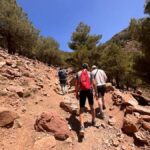
Expect gentle sections early on, then more effort as you move deeper into the mountain days. I like that the trip is designed for people with moderate fitness, so you don’t need to be training for a race. But you do need to be ready to hike on uneven paths and keep going when the last stretch feels long.
You can also read our reviews of more tours and experiences in Marrakech.
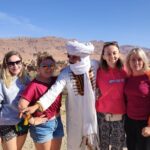
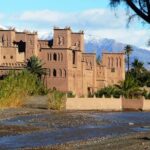
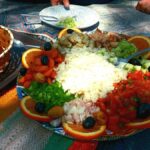
Azzaden Valley and Tazagahrt Plateau: color, water, and mountain air
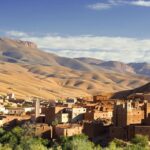
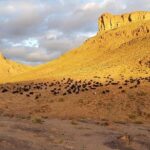
Azzaden Valley is the first big “wow” stop in the story. You’ll see an area described as visually stunning, full of color and life, and it shows the Atlas isn’t one flat look. It’s many textures: stone, fields, village clusters, and steep valley walls.
As your route heads onward, you reach the Tazagahrt plateau, known for amazing waterfalls. Even if you’ve seen waterfalls elsewhere, the Atlas setting changes everything. You get that sense of vertical power, water moving through a steep, rugged pocket of the mountains.
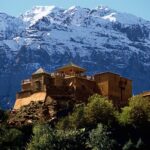
There’s also a sightseeing thread built into the experience—so you’re not only hiking in the dark hours. Along the way, you’ll also visit Imlil Valley and Dk(en)at Valley, plus High Atlas waterfall areas and High Atlas peaks viewpoints. These stops help break up the trek days, and they’re a good way to understand what you’re walking through.
A practical tip: don’t plan to do extra sight-chasing on your own after the day’s main activities. The valleys and viewpoints can be stunning, but you’ll want your energy for the next hiking day. Atlas walking is honest work.
Berber home visits: what you learn in terraced-field country
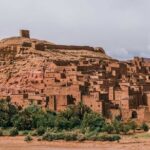
This is the part I think most people quietly hope for. You’ll visit their homes and interact with people to learn about traditions and customs. You’ll also see terraced fields of corn and barley—small plots carved into slopes like they’ve been there forever (because for many families, they have).
This isn’t framed as a museum. It’s more like being welcomed into daily life for a while. That’s why it feels meaningful rather than just scenic. When you see how people farm on steep land, you start to understand why the mountains shape the culture so strongly.
One detail I particularly like from the way the trip is described: you get glimpses of everyday routines, not just staged performances. That matters because it keeps your Atlas experience grounded. You’re not only chasing views. You’re watching people live with the landscape every day.
And yes, you’ll likely take plenty of photos—but I’d treat photos as the second priority. Ask questions, watch how the day works, and let the experience be more than a camera roll.
Trek days, mule support, and how the day actually flows
Here’s the practical truth: a trek is never only about the summit. It’s about timing, food, and how you feel by hour three.
You’ll trek for a total of about 3 days, while the whole experience runs around 5 days. That structure is good. It keeps the trip from feeling like nonstop hiking pressure, while still delivering real mountain walking.
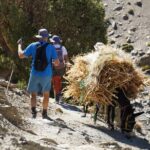
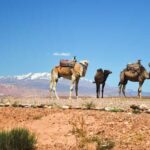
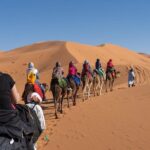
A big included help: mules carry your luggage during the trek. That’s a major value point. It means you can hike with a lighter pack and focus on walking and views instead of dragging your whole world uphill. You’ll also have a cooking man who prepares meals during the trek, plus kitchen equipment. In plain terms: you’re not stuck eating whatever’s easy. You get the meals planned for the days you’re hiking.
Meals are included—breakfast, lunch, and dinner during your trek time. That matters because it reduces decision fatigue. You’ll spend less energy wondering what to eat and more energy enjoying where you are.
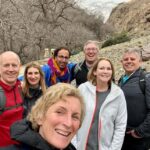
The trek is led and supervised by qualified guides and mule handlers from the local populace. Reviews highlight the human element here. In particular, Abderrahim is mentioned as professional, organized, and encouraging—especially on difficult steps where patience makes a difference. Another review thanks Brahmin and Brahim’, plus Hassan, whose mule carried children when they were tired. That’s not just sweet. It’s proof the team manages the group with flexibility, not rigidity.
Overnight in Berber villages guest houses: sleep like part of the route
Most people think the best part of trekking is the walk. I get it. But the overnight can make or break the experience.
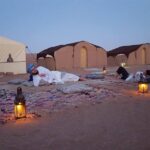
You’ll spend the night in a Berber village guest house during the trek. That means you’ll wake up with village life in your day, not a hotel routine. It also means you’re close enough to the trail network to keep the itinerary flowing.
What you should expect here is not luxury in the big-city sense. Think more along the lines of “comfortable enough to recover,” with the village setting doing the heavy lifting for atmosphere. You’re there to walk and learn, not to compare mattresses.
If you’re someone who hates being away from modern comforts, this may feel rustic. If you’re open to it, the guest house night can be one of the best parts of the whole Atlas day.
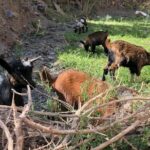
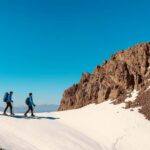
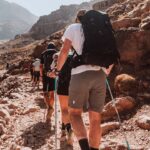
Ending in Ait Mizan: the finishing valley moment
The trek finishes in the valley of Ait Mizan. Point-to-point endings often feel different than loops. You’re moving forward through the Atlas story, and when you reach the finish, you get that clean sense of accomplishment.
Because the tour includes sightseeing of High Atlas peaks areas, you should also come away with more than one “from-the-trail” viewpoint. Those final views are a good chance to look back on what you covered and how quickly the miles add up.
When you’re done, you’re not left guessing how to get back—transfers are included back to your hotel. That’s important. The best ending is one where you can shower, eat, and sleep without extra hassle.
Price and value: what $289.13 really buys you
At $289.13 per person, the big question is: what’s included that actually saves money or effort?
Here’s what you’re getting that’s hard to replicate cheaply:
- Hotel transfers from and to your accommodation
- A Berber tour leader speaking English and French
- Mules to carry luggage during the trek (this alone can be costly to arrange separately)
- A cooking man plus kitchen equipment
- All meals during your trek (breakfast, lunch, dinner)
- A private setup where only your group participates
Also, the experience includes a mobile ticket, which simplifies your arrival and reduces paperwork.
What you’re not paying for:
- Personal travel insurance (you should still have it)
So the price feels like it covers the real moving parts: people, animal support, food logistics, and transportation. In practical terms, you’re paying for a team that can run your days on schedule without leaving you to manage the gaps.
If you tried to copy this yourself, you’d quickly spend money and time coordinating guides, mule transport, and meal planning. Here, it’s bundled, with clear supervision.
Who should book this Atlas trek (and who should think twice)
Best fit:
- You have moderate physical fitness and can handle long days of walking.
- You want a mix of mountain trekking and valley sightseeing.
- You care about home visits and learning customs, not just viewpoints.
- You prefer a guided setup with meals and mule support.
Consider booking something easier if:
- You get nervous with altitude or rough footing for extended periods. The route is described as through High Atlas valleys and peaks, so the effort can rise quickly.
- You want guaranteed comfort levels every hour. Overnight guest houses are part of the experience.
Good news: because the team includes mule handlers and cooks, the group dynamic often stays manageable. Reviews back up that guides like Abderrahim handle challenging steps with encouragement and patience.
Practical tips for your packing and pacing
Since the tour involves a trek through valleys, plateaus, and waterfall areas, your comfort depends on prep.
- Bring sturdy hiking shoes with grip. Atlas trails can be uneven, and you’ll be happier with traction.
- Pack a light day bag. With mules carrying luggage, your personal load should stay smaller than you might expect.
- Dress in layers. Mountain weather shifts can happen, especially when you’re moving between valleys and higher areas.
- Bring a water plan. The tour includes meals, but you still need to hydrate during walks.
- Keep your schedule flexible for any route adjustments. The experience says treks can be extended or altered to fit your group, so build some slack into your wider Morocco plans.
And one pacing note: don’t treat the hike like a timed challenge. Treat it like a conversation with the mountain. Stop when your guide stops. The Atlas rewards that slower approach.
Should you book this trek? My decision guide
I’d book this if you want the High Atlas experience to feel real: walking with local support, eating well during trekking days, sleeping in village guest houses, and spending actual time with Berber families. The value is strong because the essentials—guides, mules, meals, and transfers—are handled for you.
I’d think twice only if your fitness is low or you’re uncomfortable with rustic village overnight settings. Also, because the experience requires good weather, you should be ready for possible schedule shifts if conditions aren’t right.
If you want views plus culture, without turning the trip into a DIY logistics project, this is a solid pick.
FAQ
What time does the trek start?
The start time is 8:00 am.
How long is the trekking, and how long is the full experience?
The trekking through the mountains takes about 3 days, and the overall experience is approximately 5 days.
Where does the trek start and where does it end?
You begin in the Imnan Valley and finish in the valley of Ait Mizan.
What sightseeing is included besides the trekking?
You can expect a sightseeing tour of Azzaden Valley, Imlil Valley, Dk(en)at Valley, High Atlas waterfall areas, and High Atlas peaks.
Are meals included?
Yes. Breakfast, lunch, and dinner are included during your trek days.
Does the tour provide guides and mule handlers?
Yes. The trek is led and supervised by qualified and experienced guides and mule handlers.
What languages are spoken by the tour leader?
The tour leader speaks English and French.
Is the experience private?
Yes. It’s a private tour/activity, and only your group participates.
What happens if weather is poor?
The experience requires good weather. If it’s canceled due to poor weather, you’ll be offered a different date or a full refund.