REVIEW · KATHMANDU
Langtang Valley Trek from Kathmandu
Book on Viator →Operated by Namaste Nepal Trekking & Research Hub Pvt. Ltd. · Bookable on Viator
Langtang Valley feels quieter than the big-name Himalayas. This trek focuses on Tamang heritage, Tibetan-influenced monasteries, and the kind of mountain travel that still feels human-sized. You’re moving through real villages, not just ticking off viewpoints, and you’ll also see how communities are rebuilding after the 2015 earthquake.
Two things I really like: first, the off-the-beaten-path route away from the most crowded trails, with scenery that stays calm and believable. Second, the trip is built around practical support—an English-speaking trekking guide, guesthouse stays, and permits handled for you. One consideration: at $1,110 per person, it’s a serious budget, and you should confirm what meals are actually covered since the details list both included meals and a note about extra meal costs.
In This Review
- Key highlights to pay attention to
- Langtang Valley Trek from Kathmandu: what makes it special
- From Kathmandu to Syabrubesi: the ride that sets expectations
- Day 2 to Lama Hotel: forests, bridges, and the Langtang River
- Day 3 to Langtang Village: big views and a village still healing
- Day 4 to Kyanjin Gompa: monastery views and the cheese stop
- Day 5 to Cherco Ri: the early start for real panoramas
- Days 6 and 7: returning via Lama Hotel and Syabrubesi
- Day 8: back to Kathmandu, with your head still on the trail
- Price and value: what $1,110 really buys you
- Logistics that affect your comfort: guide, guesthouses, and permits
- How the itinerary shapes your day-by-day rhythm
- Who should book this Langtang Valley Trek (and who might rethink it)
- Should you book the Langtang Valley Trek from Kathmandu?
- FAQ
- How long is the Langtang Valley Trek from Kathmandu?
- What does the trek cost?
- Do I get hotel pickup and drop-off?
- How do I get to the trek start point?
- Are trekking permits included?
- Is an English-speaking guide provided?
- Where will I sleep during the trek?
- Are meals included?
- What type of fitness level is required?
- Is the tour private?
- What is the cancellation policy?
Key highlights to pay attention to
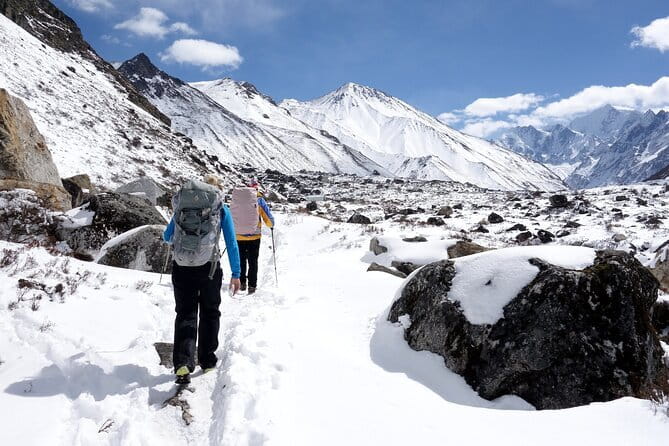
Kyanjin Gompa monastery: A major spiritual stop with ancient monastery buildings and big mountain views.
Kyanjin Cheese Factory: A surprisingly specific roadside-style landmark that’s worth planning for.
Cherco Ri day: A focused, early start ridge climb designed for panoramic payback.
Post-earthquake recovery theme: You’ll pass through places still healing, not just scenery postcard views.
Solo traveler comfort: The team gets praise for being kind, caring, and making people feel safe.
Permits included: Trekking permit and TIMS card are part of the package, which saves hassle.
Langtang Valley Trek from Kathmandu: what makes it special
This is one of those Himalayan routes where the vibe stays grounded. Yes, you’ll get major mountain views—Langtang Lirung and Ganesh Himal are named in the trip description, and on clear days you’ll also get sightlines toward peaks near Tibet. But the emotional center of the trek is the people: Tamang villages, Tibetan-influenced culture, and hospitality that comes from long familiarity with travelers on foot.
Langtang is also a practical choice if you want to avoid the loudest trekking crowds. You’ll still share paths with other hikers at times, but the itinerary is shaped around steady days and village nights—so the trail feels more like a lived-in corridor than a theme park.
And there’s a key story running through the experience: recovery after the 2015 earthquake. That doesn’t mean the trip is heavy or grim all day. It’s more like seeing daily life and community effort in motion—rebuilding homes, restoring routines, and keeping trekking routes alive.
You can also read our reviews of more tours and experiences in Kathmandu.



From Kathmandu to Syabrubesi: the ride that sets expectations
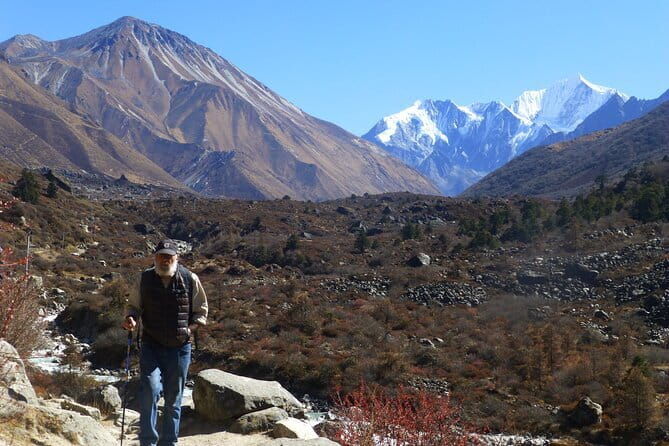
Most treks start with a tough first day on the trail. This one starts with a tough first transfer—6 to 7 hours by shared bus from Kathmandu to Syabrubesi (the itinerary spells it Syapru Besi / Shyafru Besi / Syabrubesi, but it’s the same general gateway). The route crosses the Tirshuli area, and you’ll also pass green hills, forests, and river countryside.
What this means for you: you’re not starting the trek already exhausted. You’re using the ride to get oriented—watching Nepal change from city rhythm to mountain rhythm—then you begin your walking days feeling like you’ve really entered the region.
Practical tip: if you’re the type who gets travel-sore, bring something for comfort. A shared ride is part of the package, so you’ll want to arrive ready to hike rather than mentally negotiating with your knees.
Day 2 to Lama Hotel: forests, bridges, and the Langtang River
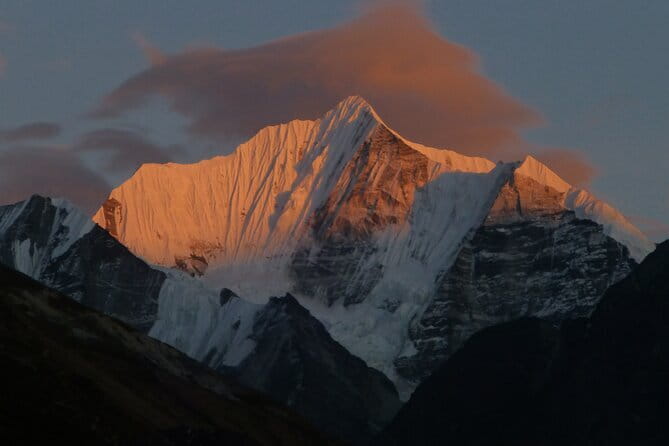
The trek to Lama Hotel is described as about a 6-hour day, and it’s built on a classic Langtang feel: dense subtropical forest, rhododendron, oak, bamboo, and the gushing energy of the Langtang River.
A few things make this day more than just walking:
- You get variety in your surroundings pretty quickly—trees and shade change your pace.
- You’ll cross suspension bridges, which adds a little thrill without making the day technical.
- The river activity keeps you visually engaged, especially when the trail runs close to water.
If you like a trek that starts gently—just enough effort to feel the altitude and altitude-adjacent breathing without feeling crushed—this is your warm-up.
Day 3 to Langtang Village: big views and a village still healing
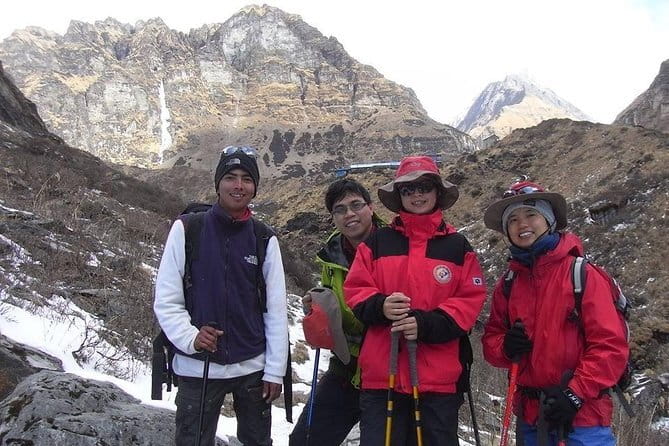
Day 3 is where the route starts to feel more serious. You’re heading toward Langtang Village after trekking through changing landscapes. The itinerary highlights views of Langtang Lirung, traditional stone houses, and yak pastures.
This is also the day where the earthquake recovery theme becomes tangible. The trip description specifically notes that Langtang Village is a settlement recovering from the 2015 earthquake. Translation: you’re not just sightseeing. You’re walking through the middle of a community’s story.
What I think you’ll appreciate here is how the day balances two worlds:
- The mountain drama is real—Lirung-style views aren’t background noise.
- The village life is also real—stone homes, pastures, and the slow rhythms of a place rebuilding.
Possible drawback: this day is still a long walking block. If you’re not used to multi-day trekking, you’ll want to keep your pace steady and avoid the urge to race for photos. The mountains will wait.
Day 4 to Kyanjin Gompa: monastery views and the cheese stop
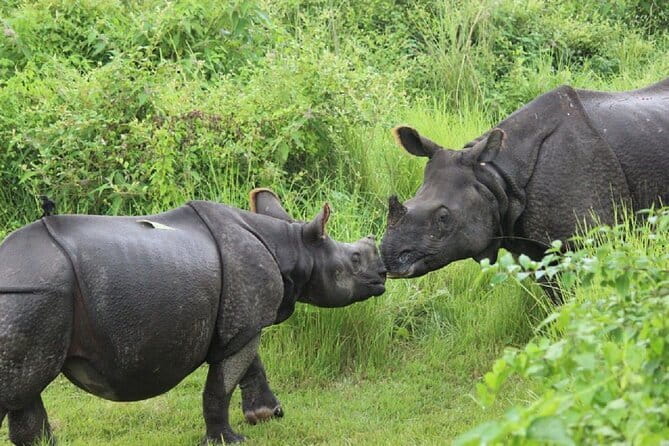
The trek to Kyanjin Gompa (around a 5-hour day) is a turning point. Kyanjin Gompa is described as a principal monastery, with ancient monastery sites and panoramic mountain views. And yes, there’s a famous Kyanjin Cheese Factory mentioned in the itinerary.
That cheese factory detail might sound odd until you’re on the trail and realize how trek routes actually work here: landmarks that are practical for hikers also become cultural waypoints. It’s an easy moment to reset—snack, stretch, look around—while still moving toward the more spiritual end of the day.
This isn’t framed as an athletic day. It’s more of a purposeful travel day: you walk in, you take in the monastery, and you let the views soak in at a human pace.
Optional add-on: the trip overview notes optional hikes like Kyanjin Ri or Tserko Ri. If you have energy, ask your guide what’s realistic weather-wise. Ridge days can be amazing, but they can also be the first place where weather decides your plan.




Day 5 to Cherco Ri: the early start for real panoramas
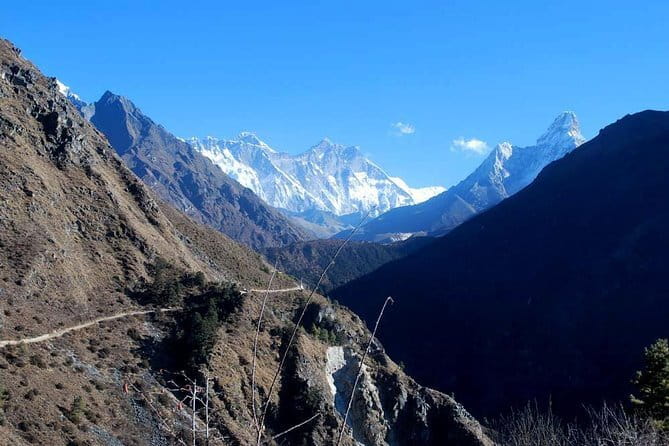
Day 5 is the big push, a climb toward Cherco Ri after early breakfast with packed snacks. The itinerary notes a small wooden bridge over the Langtang River before you begin climbing.
This day is likely the one you remember most clearly, because it’s structured around effort for payoff:
- Start early (cooler air, steadier steps).
- Walk up with snacks ready.
- Expect a ridge-style feeling where the horizon looks wider than you thought it could.
The trek length is listed as about 6 hours, which tells you it’s not a quick viewpoint stroll. It’s a half-day climb and move-your-feet day. If you’ve ever tried to rush a viewpoint in the Himalayas, you know it often turns into a breath battle. Take it steady, enjoy the rhythm, and don’t treat the climb like a stopwatch event.
Days 6 and 7: returning via Lama Hotel and Syabrubesi
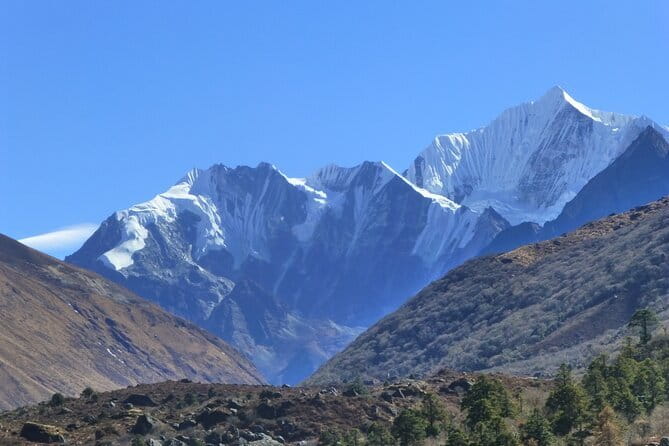
On Day 6, you head back toward Lama Hotel (around a 6-hour day). The itinerary describes it as an easy downhill walk because the altitude is lowering. Translation: you’ll work your legs, but it’s a relief compared to the climbing days. The valley gets narrower and the feeling of being “inside” the mountains increases.
Day 7 retraces steps back to Syabrubesi (around 7 hours, mostly descending). Again, the itinerary notes easier trekking due to descent, plus an optional way via Sherpagaun for more scenery, depending on your preference.
What you’ll likely feel on these return days:
- You’re tired, yes, but also mentally freer because you’re not chasing altitude.
- You start noticing details more—how houses sit, how paths curve, and how the river and forest line up with the mountains.
Practical note: downhill trekking is still hard on knees. Even when the day is easy on paper, go slow enough to protect your joints.
Day 8: back to Kathmandu, with your head still on the trail
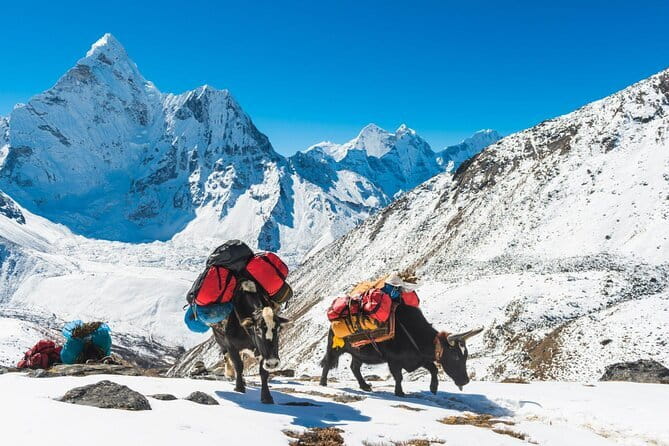
Day 8 is the ride back to Kathmandu in the morning, with about 6 hours of travel. The itinerary describes crossing green hills, forests, riverside, and Nepal countryside until you reach your hotel.
This is the day when you may notice a weird contrast. Outside you see normal roads and regular life again. Inside, you still feel like you’re walking the trail—especially if you spent several days watching the same mountain line change with the clouds.
Small tip: plan an easy evening in Kathmandu. Don’t stack extra tours. Give yourself time to eat well and sleep deeply.
Price and value: what $1,110 really buys you
At $1,110 per person, this isn’t a budget trek. But it also isn’t just a generic guided walk. For the price, you get:
- Hotel pickup and drop-off
- Round-trip transfer by shared bus
- Trekking permit and TIMS card
- An English-speaking trekking guide
- Guesthouse accommodation during the trek
- First aid box with the guide
- Meals listed in the included section (breakfast, lunch, and dinner counts)
So where’s the value? It’s in removing the friction points. Permits and logistics matter in Nepal trekking. Having them handled means you can focus on walking, not paperwork.
About meals: the details also list all meals as not included with an approximate $25 per day figure. That conflicts with the included list that says lunch and dinner and breakfast are covered. To stay sane, confirm with Namaste Nepal exactly which meals are included in your booking and what costs extra, then budget accordingly for snacks and anything outside the plan.
Also factor in safety and care. The feedback you have here highlights that solo women felt safe and relaxed with the team’s kindness and attentiveness. That kind of support is hard to price, but it’s real value on the ground.
Logistics that affect your comfort: guide, guesthouses, and permits
A trekking guide who speaks English (listed as included) isn’t just for translating. It’s for pacing, trail decisions, and day-to-day adjustments. The itinerary is built like a team sport: you start each day with a plan, you move through a specific route, and you finish at guesthouse locations.
Guesthouse nights during the trek matter too. You’re not camping, and that usually means you get warm-ish shelter and basic convenience. It’s not luxury travel, but it’s a better match for people who want meaningful trek days without overly complicated gear.
Permits and TIMS are included. That saves you time and reduces uncertainty. It also signals that the operator is running this as an actual trek setup, not just a suggestion to hike and figure it out.
How the itinerary shapes your day-by-day rhythm
This trek is designed around steady walking blocks that build gradually:
- Day 1 is a transfer day into the trekking zone.
- Day 2 is a forest-and-bridge day to get your legs working.
- Day 3 brings village life, stone homes, and major mountain visuals.
- Day 4 is the monastery day with Kyanjin Gompa and the cheese stop.
- Day 5 is the climb day to Cherco Ri for views.
- Days 6 and 7 shift to easier descending so you can finish strong.
- Day 8 is return and recovery time.
That rhythm is good for most people with moderate physical fitness. It’s not described as a technical mountain trek, but it still demands stamina. Think of it as a real hiking journey, not a stroll with scenery.
Who should book this Langtang Valley Trek (and who might rethink it)
This trek fits best if you:
- Want Tamang cultural experiences with monastery sights
- Prefer quieter trails compared to the most famous trekking corridors
- Like the idea of seeing post-earthquake recovery in daily life
- Appreciate an organized, supportive team (especially for first-time Nepal trekkers)
Based on the info provided, you should be careful if you’re physically ill, and the tour guidance specifically says it’s for travelers with moderate physical fitness. If you’re unsure, discuss your situation with the operator before booking. A guide can help you manage pace, but health comes first.
If you’re a solo traveler, there’s a strong signal of comfort here. The feedback includes a woman traveling alone who felt safe and relaxed with the people involved. That’s worth taking seriously when you’re weighing trekking in a remote region.
Should you book the Langtang Valley Trek from Kathmandu?
If you want a Himalayan trek that mixes mountain views, Tamang village life, and real cultural stops like Kyanjin Gompa, this is a smart pick. The structure makes sense, and the support details—guide, permits, transfers, guesthouses, and first aid—reduce the stress that can ruin a good trip.
I’d book if you’re comfortable paying a mid-range price for logistics handled well and you want a trail that feels calmer and more personal than the biggest trekking routes. I wouldn’t book blindly if you’re tight on budget or if you hate uncertainty around meals—double-check what’s included for your exact dates so you can plan food costs without surprises.
If you want an 8-day trek that ends with your body tired and your mind calmer, Langtang is a great direction to choose.
FAQ
How long is the Langtang Valley Trek from Kathmandu?
The trek is listed as 8 days approximately, with transfers included.
What does the trek cost?
The price is $1,110.00 per person.
Do I get hotel pickup and drop-off?
Yes. Hotel pickup and drop-off are included.
How do I get to the trek start point?
You’ll take round-trip transfers by shared bus. The trek journey starts toward Syapru Besi / Syabrubesi.
Are trekking permits included?
Yes. The trekking permit and TIMS card are included.
Is an English-speaking guide provided?
Yes. An English speaking experienced trekking guide is included.
Where will I sleep during the trek?
Accommodation is provided in guesthouses during the trek.
Are meals included?
The included details list breakfast, lunch, and dinner counts. At the same time, the not included section mentions all meals (approx. $25 US$ per day). Confirm exactly what’s covered for your booking.
What type of fitness level is required?
The guidance says travelers should have a moderate physical fitness level.
Is the tour private?
It’s described as a private tour/activity, with only your group participating.
What is the cancellation policy?
Free cancellation is available. You can cancel up to 24 hours in advance for a full refund.