REVIEW · SEMINYAK
Mount Batur Sunrise Trekking Option
Book on Viator →Operated by Bali Trekking Tour · Bookable on Viator
Mount Batur starts in the dark, with stars. That early climb is the point: you tackle the volcano at night with flashlight help and hiking poles, then you watch the sky shift color right from the summit.
I also really like the breakfast setup. You get a full volcano-style spread while the sunrise does its thing, including the signature hard-boiled egg cooked in volcanic steam.
One practical downside to plan for: the start time is brutal (the hike begins around 3:45 am), so this is best if you can sleep early and wake up fast.
In This Review
- Key things I’d circle in your planning
- Mount Batur Sunrise: the 3:45 am start and why it matters
- Climbing in the dark: flashlight, poles, and star-filled steps
- Reaching the summit: watching sunrise hit Mount Batur and Kintamani
- Breakfast on the volcano: what you actually get
- After the hike: Kintamani highland and plateau photo breaks
- Coffee plantation stop: Satria Agrowisata and the Luwak detail
- Temples and rice terraces on the return drive
- Price and logistics: what $59.94 really buys you
- The guide factor: why it can change your whole morning
- Who this fits best (and who should skip it)
- Should you book the Mount Batur Sunrise Trek?
- FAQ
- How early do you start for the Mount Batur sunrise hike?
- How long is the trek and total day?
- What’s included in breakfast after the sunrise?
- What trekking gear is provided, and what should I bring?
- Are there short stops after the main hike?
- Is coffee included, and how does the Luwak option work?
- What if the weather is poor?
Key things I’d circle in your planning
- 3:45 am departure means you’re climbing while the world is still dark and quiet
- Flashlight + hiking poles make the steep parts feel more controlled
- Volcanic-steam breakfast includes a hard-boiled egg plus hot drinks, fruit, and more
- Kintamani stops are brief (about 10 minutes) but nice for quick photo breaks
- Satria Agrowisata coffee tasting is built in, with most tastings free
- Guide quality matters; I’d treat tip talk as a sign to manage expectations
Mount Batur Sunrise: the 3:45 am start and why it matters
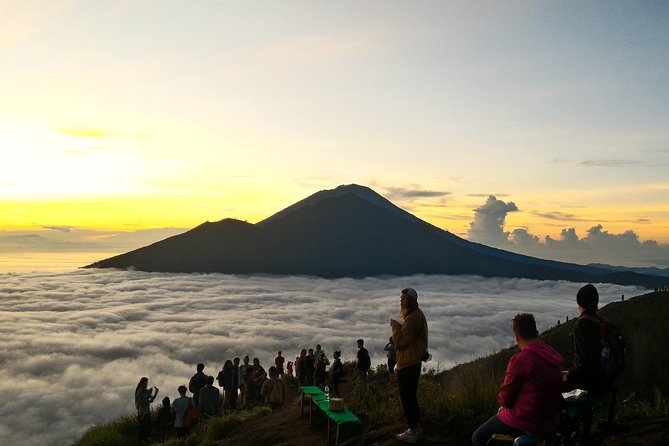
If you choose the Mount Batur sunrise option, you’re choosing the early hours. The hike begins from the volcano area around 3.45 am, after you meet your guide and get ready for a dark ascent. This timing is what lets you reach the top with enough time to wait for sunrise instead of rushing at the last minute.
You also get the best of two worlds: night sky views on the way up, and the morning reveal once the light arrives. It’s not just about getting to the summit. It’s about being there before the sky turns from black into blue.
Fitness-wise, think moderate effort. You don’t need to be an athlete, but you should be comfortable with a steady uphill walk for a couple hours, plus time standing outdoors at the top. I’d also note that the tour is not recommended for people during menstruation, based on the tour’s own guidance.
You can also read our reviews of more tours and experiences in Seminyak.
Climbing in the dark: flashlight, poles, and star-filled steps
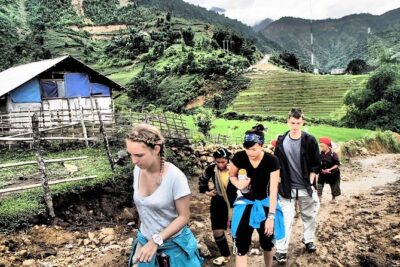
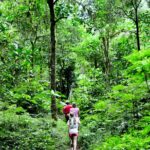
The climb starts in near darkness, so the practical gear part is a big deal here. You’re provided trekking equipment and you’ll hike with a flashlight and hiking poles to handle uneven ground and changes in slope. Even if you’ve hiked before, poles can take the strain off your knees on the steeper bits.
On the way up, you can take breaks if you need them. The pace tends to work best if you focus on steady steps rather than speed. This is the kind of hike where you’ll feel it in your legs, but you’re not stuck in a sprint the whole time.
The star viewing is one of the strongest reasons to do it at sunrise. With the lights off and the world quiet, you can catch clear night-sky views during the ascent. If you’re used to city nights, this part feels like a reset.
Reaching the summit: watching sunrise hit Mount Batur and Kintamani
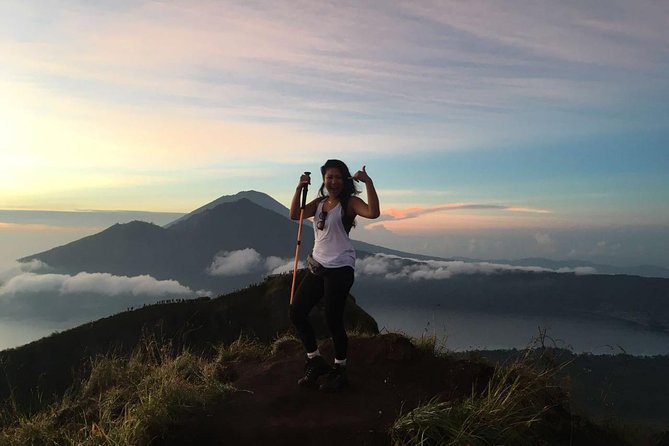
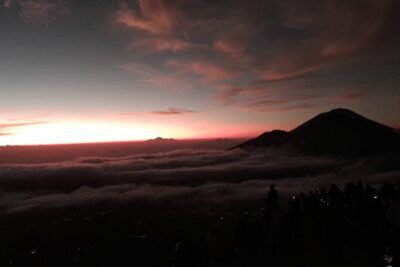
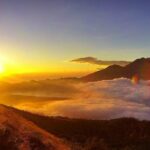
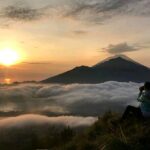
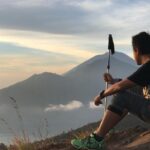
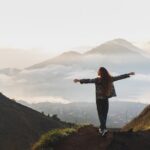
After roughly 2 hours or less to reach the summit (depending on conditions and pacing), you’ll settle in for the sunrise moment. This is where the volcano stops being a task and becomes a view.
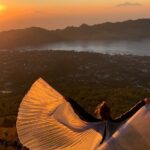
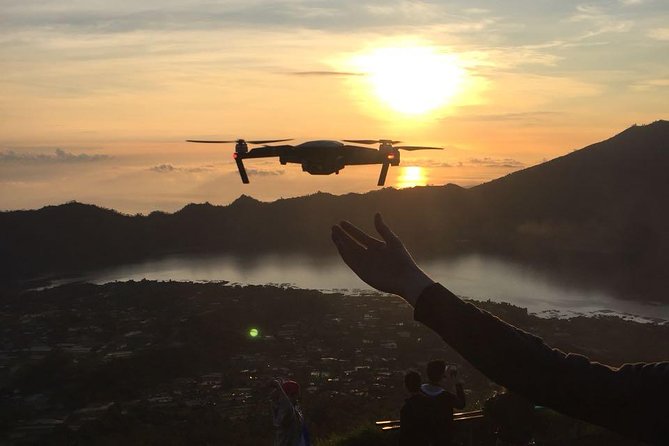
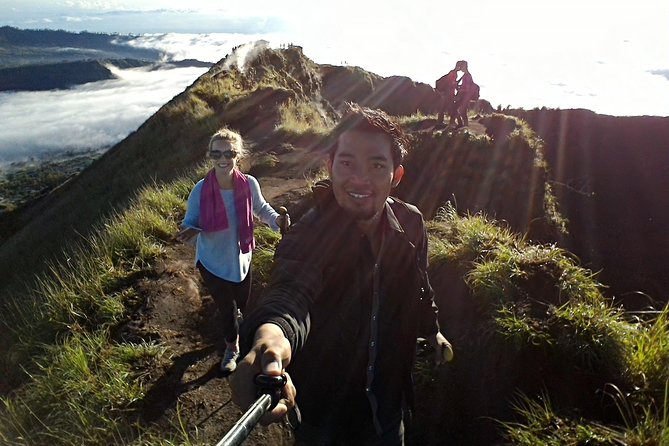
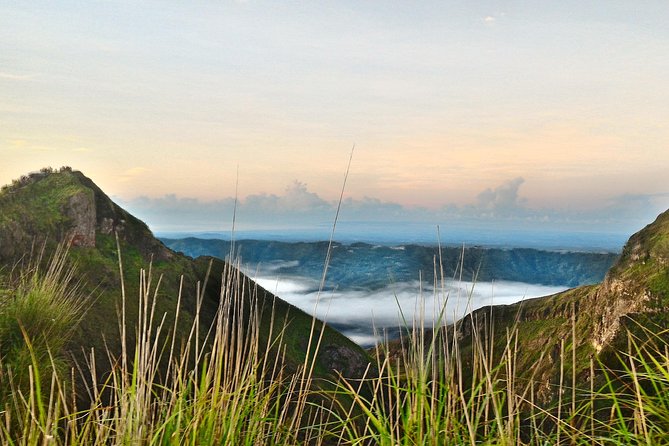
As the sky changes, you’ll see the horizon shift in color and the caldera area come into focus. The whole point of starting in darkness is that you’re not scrambling around for the best angle when the light appears. You’re already there, standing on the mountain with time to watch it happen.
At this stage, the group dynamic helps. You’ll likely be following your guide’s timing and spot selection, which matters because cloud cover and visibility can change fast. Your best job is to stay warm, stay patient, and keep your camera ready if you brought one.
Breakfast on the volcano: what you actually get
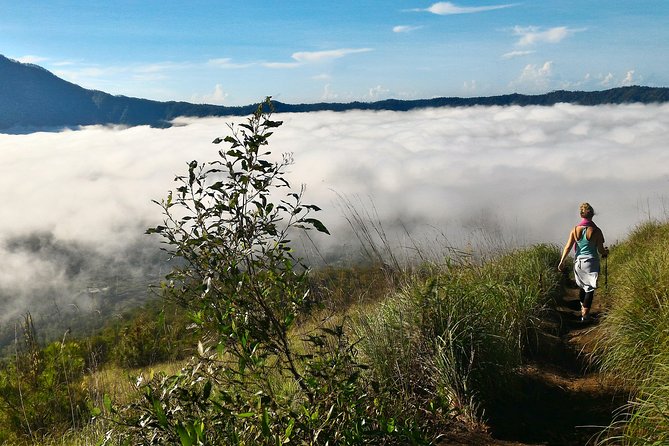
The included breakfast is a real value add, not just a token snack. Once the sunrise moment is happening, you’ll get hot drinks (hot tea or coffee) plus a meal that’s made to keep you fueled without slowing the schedule.
Your breakfast includes:
- Banana sandwich
- Hard-boiled egg cooked in volcanic steam
- Seasonal fruits
- Chocolate
That volcanic-steam egg is the fun talking point, but the whole spread helps too. You’re coming off cold early-morning air and an uphill walk, so having both something warm and something sweet makes the hike feel complete.
One tip: keep your hands usable. Even if you don’t have a long wait, sunrise temps can be cool. The tour doesn’t include a jacket or sunblock, so wear layers you can manage, and plan to protect your skin once the sun comes up.
After the hike: Kintamani highland and plateau photo breaks
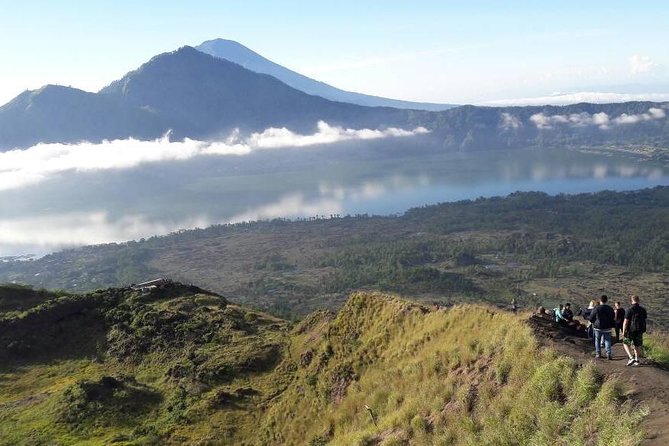
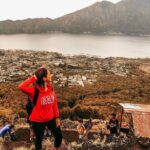
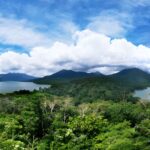
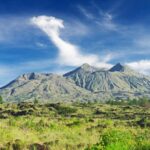
Once the main climb is done, you’ll continue through the Kintamani area. You’ll pass Kintamani Highland and Kintamani Plateau spots, with short opportunities for a stop of about 10 minutes each, if you want to get out for photos.
These brief stops are best for quick views rather than a full detour. Think: stretch your legs, snap a few shots, and get back in the vehicle before you lose the rest of your morning.
If you’re hoping for a slow, long wander, this part may feel too short. But if your goal is sunrise on Batur plus a few scenic add-ons, it fits the overall 8 to 10 hour time frame.
Coffee plantation stop: Satria Agrowisata and the Luwak detail
One of my favorite “in-between” stops on this kind of tour is something that uses the morning energy instead of just repeating viewpoints. Here, that role is played by the Satria Agrowisata coffee plantation visit.
You’ll spend about 45 minutes learning about coffee and herbs, with tastings included. Most of the tasting is free, and there’s a clear extra option: if you want the coffee Luwak, it’s paid separately for 50K.
This is a good stop because it turns the trip into more than just hiking. You’re getting a local product story and a chance to taste without needing to hunt for the experience later.
Bring cash mindset only for extras. The tour covers entrance and the plantation experience, but specialty items like Luwak coffee are not included.
Temples and rice terraces on the return drive
The schedule also includes pass-by sights on the way back. You’ll pass Tirta Empul, and depending on the route, you may also pass Tegalalang Rice Terrace.
These stops are described as possible add-ons in the sense that you pass the area and can decide whether to visit. The idea is that they’re better after the hike, when you’re not still dealing with the steep climb and cold morning fatigue.
If you want to keep your legs happy, use these as short breaks rather than long detours. Sunrise hikes already run long, so it helps to stay flexible.
Price and logistics: what $59.94 really buys you
At $59.94 per person, this is positioned as a value sunrise experience rather than a luxury outing. The reason it can feel like good value is what’s included.
Included items you’re not paying for separately:
- Air-conditioned vehicle
- Breakfast with hot drinks and the full food list
- Trekking equipment and entrance fees
- Admission ticket for the main experience elements
Not included (so plan ahead):
- Jacket
- Sunblock
- Trekking shoes
- Camera (if you don’t have one already)
Pickup is offered, and you may pay a small extra amount depending on where you start. For pickup in Amed, Tulamben, Lovina, or Balian Beach, it’s an additional $10 per person.
Group discounts are mentioned, and the experience is described as private in the sense that only your group participates. For couples, friends, or small squads, that can be a nice balance: you get a shared adventure without the feeling of being scattered among strangers.
One more practical note: you’ll receive a mobile ticket. That matters because you won’t be hunting for paper at a chaotic early-morning meetup.
The guide factor: why it can change your whole morning
This is the part that surprised me when I looked at the feedback pattern: most people praise the hike, but the guide can shape your comfort and mood.
I saw multiple guide names come up, including Eko and Jero (with Made appearing as part of a recommended guide pairing). Many reports call the guides helpful and friendly, and one even highlights an explanation of Bali culture and Mount Batur history while food is being prepared at the top.
That’s the best use of a guide: not just route-finding, but turning the experience into something you understand while you’re standing in the cold early air.
There’s also a downside to watch for. One person described a trip where the guide spent much of the climb talking about tipping other guests, which turned the mood sour for them. You can’t control how someone chooses to talk, but you can manage your expectations. If you strongly dislike financial talk during tours, it’s worth setting your preference before the hike starts.
Who this fits best (and who should skip it)
You’ll likely enjoy this if you:
- Want a first-class sunrise view and can handle early wake-ups
- Prefer a structured guide-led experience rather than DIY trail planning
- Are okay with moderate exertion and standing outdoors in the morning
- Like having food included at the end of the climb
You might want to rethink it if you:
- Don’t have the right footwear. Trekking shoes aren’t included. Slipping on loose or uneven ground is not the time for sandals.
- Get uncomfortable with very early departures. The start is around 3:45 am, and one pickup example mentioned about 2AM in Canggu, depending on location.
- Are not able to follow the tour’s health guidance around menstruation.
Should you book the Mount Batur Sunrise Trek?
I’d book it if you want the classic Bali volcano sunrise without extra planning stress. The combination of a guided night ascent, provided trekking equipment, and a real breakfast at the top makes the schedule feel worth it. If you’re traveling from areas like Seminyak, the pickup option and included transport help keep it simple.
I’d also book it with one mindset: plan for early mornings and cold-to-warm weather swings. Bring the basics the tour doesn’t supply—jacket, sunblock, and trekking shoes—so you’re not improvising at 3:45 am.
Finally, pay attention to the guide experience you’ll get. The names that pop up most in positive feedback (like Eko and Jero) are a good sign, and the tipping-topic complaint is a reminder to choose what you’re comfortable with. If you like calm guiding, tell your guide early what you prefer.
If your goal is sunrise from a volcano plus a satisfying included breakfast, this is the kind of day that sticks with you long after you’re back in the hotel.
FAQ
How early do you start for the Mount Batur sunrise hike?
The hike begins around 3.45 am. Pickup is offered, and an example pickup time mentioned about 2AM in Canggu, depending on your starting location.
How long is the trek and total day?
The overall experience runs about 8 to 10 hours. The climb time to the summit is about 2 hours or less, depending on conditions and pacing.
What’s included in breakfast after the sunrise?
Breakfast includes hot tea or coffee, banana sandwich, hard boiled egg cooked in volcanic steam, seasonal fruits, and chocolate.
What trekking gear is provided, and what should I bring?
The tour includes trekking equipment and entrance fees. You should bring a jacket, sunblock, and trekking shoes.
Are there short stops after the main hike?
Yes. You’ll pass through the Kintamani Highland and Kintamani Plateau areas, with optional short stops of about 10 minutes. You may also pass Tirta Empul and, depending on the route, Tegalalang Rice Terrace.
Is coffee included, and how does the Luwak option work?
You visit Satria Agrowisata for about 45 minutes. Coffee and herb learning is part of the stop, and most tastings are free. Luwak coffee is an extra paid option (50K).
What if the weather is poor?
The experience requires good weather. If it’s canceled due to poor weather, you’ll be offered a different date or a full refund. Free cancellation is available if you cancel far enough in advance of the start time.