REVIEW · CHIANG MAI
Chiang Mai: Doi Inthanon National Park+Trek Pha Dok Siew
Book on GetYourGuide →Operated by CHIANGMAI SIAM TRAVEL LTD.,PART. · Bookable on GetYourGuide
Up high, the air changes fast. This Doi Inthanon national-park day packs Thailand’s highest point (2,565 m), big viewpoints, a hill-tribe guided nature walk, and waterfall stops into one smooth schedule. You’re not just sightseeing from the car, either—you get out and move through forest and village paths with explanations along the way.
I love the balance between iconic spots and real local moments. The King and Queen Pagodas give you calm gardens and open views, and then the day pivots into the Pha Dok Siew trail with a local hilltribe guide. It feels planned, but not stiff.
One thing to consider: the hike portion is about 2 hours, and swimming at Rak Jung depends on weather and water levels—so if you want a long, rugged trek or a guaranteed swim, you might find the day a bit too timed.
In This Review
- Key Things I’d Prioritize
- A Full-Day Dose of Doi Inthanon Heights
- Getting There From Chiang Mai: Pickup, Drive, and Timing
- At the Top: Doi Inthanon Summit Views and the King and Queen Pagodas
- Lunch and Park Orientation: The Part People Forget to Plan For
- Pha Dok Siew Nature Trail Trek: Where the Day Becomes Real
- Rak Jung Waterfall: The Swim Question (And the Cold Factor)
- Ban Mae Klang Luang Rice Fields: Season Changes Everything
- White Karen Hill Tribe Village Coffee: A Small Moment With Big Character
- Hmong Market and Wachiratharn Waterfall: Last Stops, Good Variety
- Price and Value: Why This Costs $64 (and Where It Pays Off)
- Group Size and Comfort: Small Team, Real Guidance
- What to Bring (So the Day Feels Easy)
- Who This Tour Suits Best (and Who Should Skip It)
- Should You Book This Doi Inthanon + Pha Dok Siew Tour?
- FAQ
- FAQ
- What time is pickup for this tour?
- How long is the tour?
- Is there a small group size limit?
- What is included in the price?
- Can I swim at Rak Jung Waterfall?
- What should I bring?
- Is this tour suitable for everyone?
Key Things I’d Prioritize
- Thailand’s highest point at Doi Inthanon National Park (2,565 m)
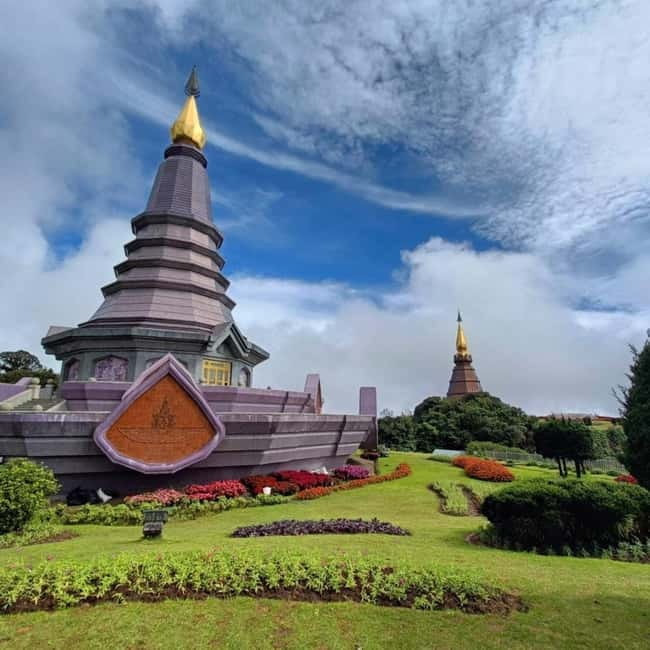
- King and Queen Pagodas with gardens and a great viewpoint pause
- Pha Dok Siew Nature Trail trek guided by a local hilltribe guide
- Rak Jung Waterfall swim is possible, but only with the right conditions
- Ban Mae Klang Luang rice fields (season-dependent) and Karen coffee
- Hmong Market + Wachiratharn Waterfall added on the return drive
A Full-Day Dose of Doi Inthanon Heights
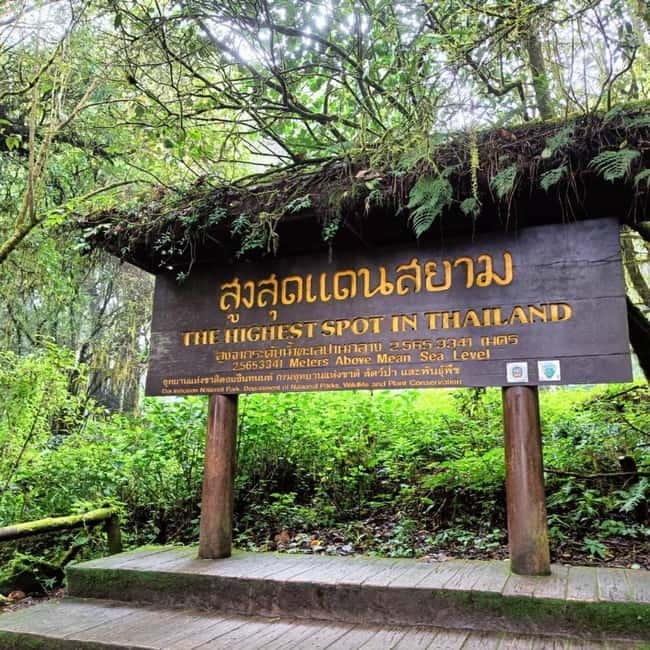
This tour is built for one big idea: go higher than Chiang Mai and feel how the weather, plants, and daily life change. Doi Inthanon sits at the top of Thailand, and the park’s altitude means you should expect cooler, wetter air all year. Even if Chiang Mai feels warm and sunny, you can end up needing that jacket as soon as you’re near the summit area.
I also like that this isn’t just a single viewpoint kind of day. You get multiple “types” of experiences: temple-garden scenery, a proper guided nature trail walk, a village-style coffee stop, and waterfall and market time on the way back.
The itinerary also keeps a steady pace without turning it into a marathon. It’s an 11-hour day, but the stops are spaced so you’re not stuck in one place too long. That matters when you’re traveling in a small group and want both comfort and variety.
You can also read our reviews of more tours and experiences in Chiang Mai.

Getting There From Chiang Mai: Pickup, Drive, and Timing
Pickup starts between 7:00–7:30 am, with drop-off around 18:00. That early start is the price you pay for reaching Doi Inthanon while the day is fresh. It also gives you a better shot at calmer conditions for viewpoints and the trail.
You’ll drive from Chiang Mai to the park in about 1 hour 45 minutes (roughly—your exact timing can shift with traffic and the day’s flow). You’ll travel in an air-conditioned vehicle, which I’m grateful for because the schedule includes both cold-at-the-top moments and warm-air moments lower down.
Pickup is optional if you’re in Chiang Mai city within 4 kilometers of the Old City. If you’re farther out, you’ll likely use the meeting point. Either way, it’s straightforward: you look for the Chiang Mai Siam Travel sign, and the guide holds it and calls your name.
The “timing is flexible” note is real-world important. It means if something runs behind—like a photo stop taking longer than expected—or if conditions at a waterfall aren’t right, the guide can adjust the order so you still get the key highlights.
At the Top: Doi Inthanon Summit Views and the King and Queen Pagodas
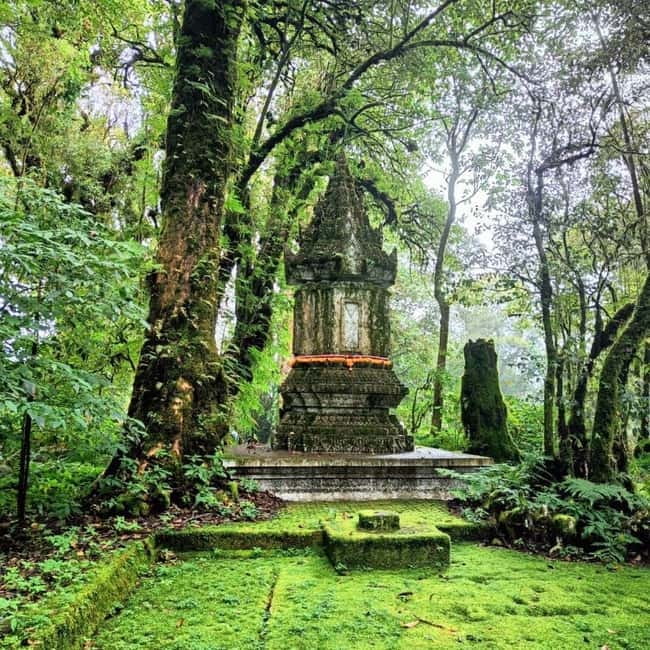
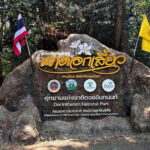
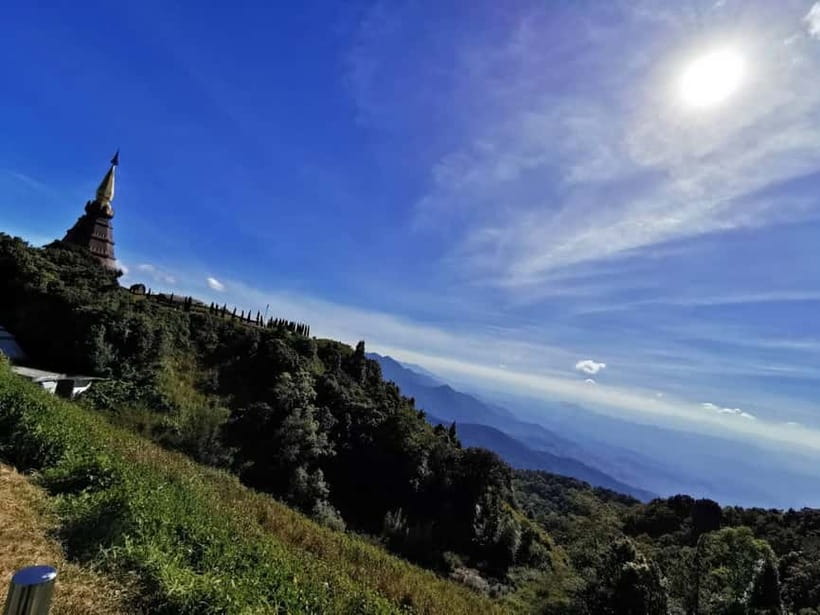
The day’s first big “wow” moment is reaching the highest area of Doi Inthanon National Park at 2,565 meters. The altitude is the star here: expect it to feel colder and more humid than the city, with that misty, damp park feeling that makes the forest look extra alive.
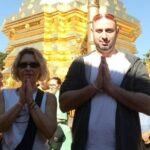
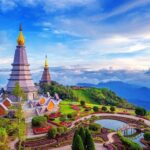
From there, the tour takes you to the Phra Mahathat Naphamethanidon pagoda area and then on to the King and Queen Pagodas. These pagodas are known for having pleasant gardens and viewpoint angles, so you get both man-made beauty and sweeping scenery. This is one of those stops where you can do just enough walking to stretch your legs without committing to a long detour.
What makes the pagodas worth your time is the pacing: you’re coming from the summit-side altitude experience, and then the gardens give you a quieter, slower reset. It’s a good mental break before lunch and before the trek.
Is it perfect? Not always. If you were hoping for a long, summit-style hike to feel truly “out in nature,” you might find this part more scenic than strenuous. Still, as a way to experience the park’s high-point atmosphere without exhausting yourself before the trail, it works.
Lunch and Park Orientation: The Part People Forget to Plan For
Lunch is included, and you’ll eat before heading back into deeper park exploring. That timing matters because once you start the nature trail segment, you’ll want your energy steady—not racing around hungry.
The tour also gives you a guided structure with an English-speaking guide, so you’re not just following a route. You’ll get context about what you’re seeing: plants, trees, forest paths, and how the higher areas differ from the farms and village areas lower down.
If you’re sensitive to cold, this is a good moment to warm up. If you’re sensitive to heights, this is also when you avoid the summit stress since the hardest effort comes later on the trail.
Pha Dok Siew Nature Trail Trek: Where the Day Becomes Real
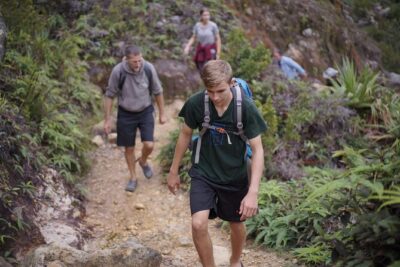
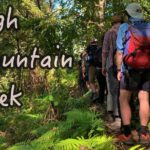
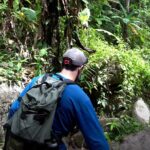
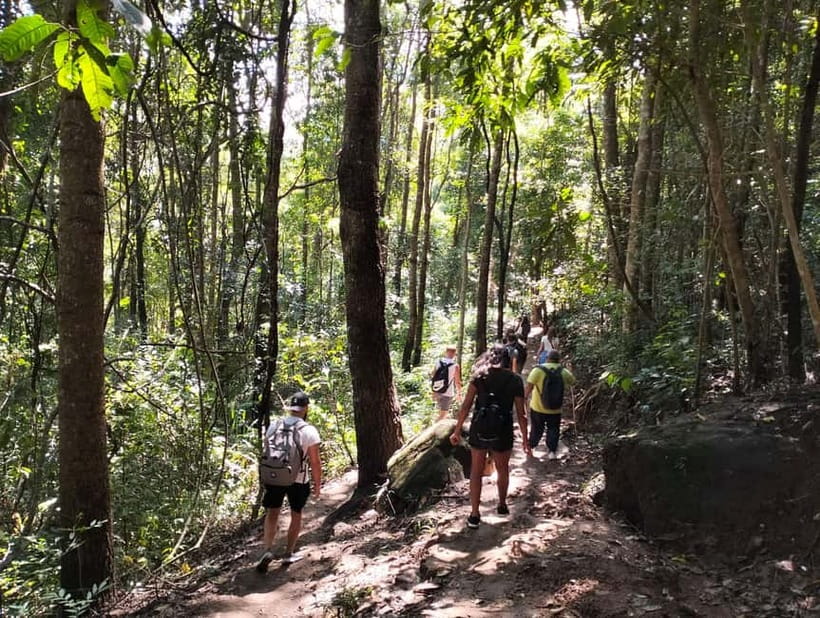
This is the heart of the tour. The Pha Dok Sieo (spelled on some materials as Pha Dok Sieo/Siew) Nature Trail is a guided walk that takes about 2 hours. The key detail is that it’s led by a local hilltribe guide, and that changes the feel of the trek. You’re not just moving through greenery—you’re learning what to notice.
The trail is described as a moderate-level activity, and you should wear comfortable shoes suitable for trekking. This is not a flat “city stroll” thing, so your footwear matters more than you’d expect. I’d also plan to keep your camera ready, because the mix of forest and farmland views gives you plenty of angles.
One very practical expectation: the trek ends up being a “guided taste” of the area rather than a full-day wilderness march. That’s part of why the total day can fit in waterfalls and markets too.
There’s also a natural bonus to this part: you’ll walk through forest sections and areas that connect to small local farms on hillside terrain. Even if you’re not a plant-nerd, those transitions help you understand the park as something people live beside, not just something you visit.
Rak Jung Waterfall: The Swim Question (And the Cold Factor)
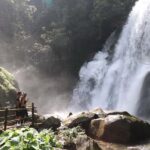
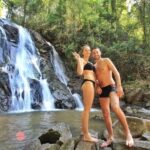
Rak Jung Waterfall is an optional experience, and here’s the honest reality: swimming depends on weather conditions and water levels. That means you might get in, or you might just watch, or you might do a quick splash-in moment if conditions allow.
This is why you should bring swimwear if you’re traveling with the goal of swimming. But also pack your head for Plan B. Waterfalls can be unpredictable, and the guide may decide what’s safe or possible based on the day’s conditions.
Even if you do swim, don’t expect the comfort of a warm beach. Since the park is higher and cooler, water can feel colder than you’d guess. Warm clothes that layer well become your best friend after the waterfall stop.
If you’re traveling in rainy season or right after heavy rain, water levels can shift quickly. The tour’s design already accounts for that by keeping the swim conditional.
Ban Mae Klang Luang Rice Fields: Season Changes Everything
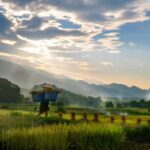
After the trek, the itinerary moves to Ban Mae Klang Luang to see rice fields and layered mountain views. This part is beautiful, but it’s also season-dependent. Depending on when you go, you might see different stages of the rice cycle—everything from lush green growth to fields that look more harvested.
That matters for your expectations. If you’re picturing one specific “golden rice” scene, you might or might not catch it based on timing. The good news is that even when the rice isn’t at peak color, the hillside structure and mountain layers still give you visual depth.
This is also a nice transition between trekking and markets. It’s less physical than the trail, but still outdoors and scenic.
White Karen Hill Tribe Village Coffee: A Small Moment With Big Character
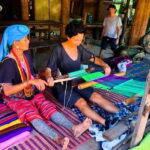
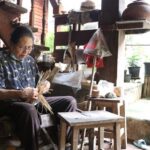
The trek finishes in a white Karen hill tribe village, and you’ll have a cup of freshly ground, locally grown coffee. This kind of stop can be either touristy or meaningful, depending on how it’s handled—and in this format, it’s presented as part of the route and experience rather than a random detour.
What you should look for is the simplicity: you’re getting a locally made product after a walk through the area. You’re also being reminded that this region isn’t only about the park rules and viewpoint tickets. People farm, host visitors, and keep traditions going right alongside the natural scenery.
It’s also one of those moments that helps you slow down. After walking for hours and hopping from viewpoint to viewpoint, having something warm in your hands is a practical reset.
Hmong Market and Wachiratharn Waterfall: Last Stops, Good Variety
On your way back, you’ll visit the Hmong Market and Wachiratharn Waterfall. These two stops add a different flavor than the earlier “summit + pagodas + trail” rhythm.
The Hmong Market gives you a chance to see local goods and everyday village-style commerce. If you like souvenir shopping that feels more grounded, this is where you’ll likely focus your attention. Keep in mind this is still part of a fixed day schedule, so it won’t feel like an all-afternoon browsing session.
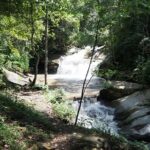
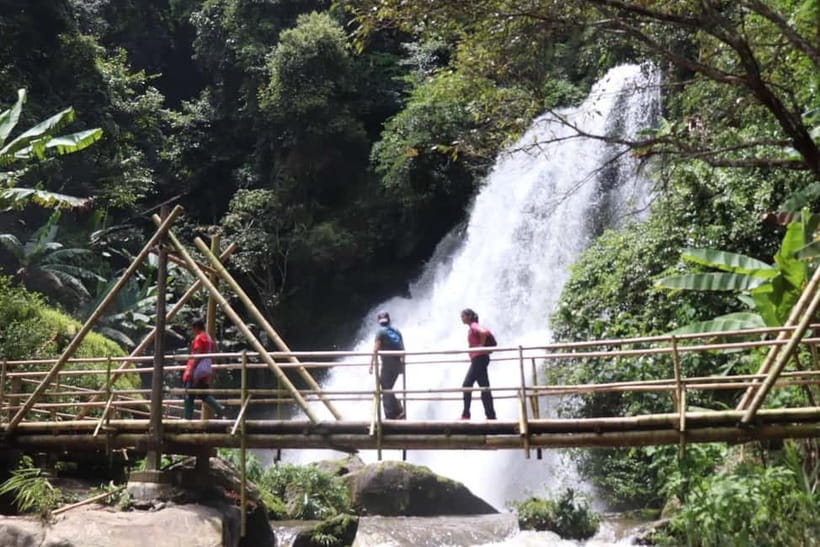
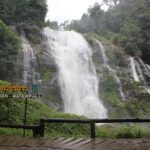
Wachiratharn Waterfall is your final nature payoff. Like Rak Jung, waterfalls can be weather-dependent, but this stop isn’t framed as a swim moment—more as a visit.
I like ending with this kind of scene because it closes the loop of the day’s theme: forests, water, and local life.
Price and Value: Why This Costs $64 (and Where It Pays Off)
At $64 per person for an 11-hour day, this tour is doing a lot of the logistics work for you. You’re paying for:
- Round-trip transport in an air-conditioned vehicle
- Entrance fees
- Lunch plus drinking water
- An English-speaking guide
- Accident insurance
- Pickup/drop-off options (with location limits)
The value is strongest if you don’t want to coordinate your own transportation up into the national park area, and if you want the guide’s explanation while you’re moving between spots. Doi Inthanon is not a “walk out the door and go” kind of day if you’re based in Chiang Mai old city.
Where the price may feel less appealing is if your main priority is long trekking or lots of free time. The trail is about 2 hours, and the day remains structured so you can fit pagodas, waterfalls, and markets.
So I’d call this good value for a first-timer who wants the highlights plus some guided time in nature. If you already know you want a full-day hard hike, you may want a different format.
Group Size and Comfort: Small Team, Real Guidance
This is a small group tour, capped at 12 participants. That’s not just a nice-to-have number. Smaller groups often mean easier navigation, less confusion at stops, and more chance for the guide to keep everyone on track without rushing through explanations.
The tour is in English with an English-speaking guide, so you’ll get interpretive context rather than just a route. And the included guide plus driver setup helps the day stay organized from start to finish.
One practical comfort tip: because the weather can shift from warm-ish city air to cooler, humid park air, wear layers. Your body will thank you when you’re walking and then pausing for viewpoints.
What to Bring (So the Day Feels Easy)
Bring the basics and you’ll have a smoother time:
- Comfortable shoes for trekking
- Warm clothing (yes, even if Chiang Mai feels warm)
- Swimwear if you want a shot at Rak Jung
- Insect repellent
- Camera
Also, keep your plan simple. The day is active enough that you don’t want to carry heavy, bulky items. Bring what you’ll use, and leave the rest.
If you’re the type who hates changing clothes in public, plan to keep your swim plan flexible. The waterfall swim is conditional, so don’t assume you’ll have a guaranteed chance.
Who This Tour Suits Best (and Who Should Skip It)
This tour fits best if you want a guided, mixed day: viewpoints, culture stops, and one main trekking block.
You should consider skipping it if you’re pregnant or if you have back problems, since it includes trekking and uneven terrain. Also, the activity is described as moderate, so if you’re aiming for very low mobility, you might find it too active.
If you like learning from guides—about trees, plants, and the way farms and forest connect—this day has that built in. You’re also getting a mix of hill tribe village and market stops, which can be a strong cultural pairing with nature.
Should You Book This Doi Inthanon + Pha Dok Siew Tour?
If this is your first visit to Doi Inthanon National Park, I think it’s a smart booking. You get the headline summit area, the King and Queen Pagodas, a real guided trek on Pha Dok Siew, plus waterfalls and markets without needing to piece together transport and timing yourself.
Book it if you want:
- A structured full-day plan
- A moderate trek with guidance and context
- A realistic chance at waterfall time and village coffee
Consider another option if:
- You want a much longer trekking experience than the roughly 2-hour nature trail portion
- You need a guaranteed waterfall swim (Rak Jung is conditional)
If you go in with the right expectations—packed day, guided learning, moderate hiking—you’ll come away with the kind of “I saw the real mix” feeling that makes a Chiang Mai trip memorable.
FAQ
FAQ
What time is pickup for this tour?
Pickup is between 7:00 and 7:30 am, and you’ll be dropped off around 18:00.
How long is the tour?
The experience runs for about 11 hours.
Is there a small group size limit?
Yes. The group is limited to 12 participants.
What is included in the price?
Pickup and drop-off (if selected), air-conditioned transportation, entrance fees, lunch, drinking water, an English speaking guide, and accident insurance.
Can I swim at Rak Jung Waterfall?
You might be able to swim, but it depends on the weather conditions and water levels.
What should I bring?
Bring comfortable shoes, warm clothing, swimwear (if you want to swim), a camera, and insect repellent.
Is this tour suitable for everyone?
It’s not suitable for pregnant women or people with back problems. It also involves a moderate level of physical activity.