REVIEW · NONG KHIAW
Nong Khiaw: 2-Day Trekking,Hmong village,Home Stay&Kayaking
Book on GetYourGuide →Operated by Nong khiaw Nature Tour · Bookable on GetYourGuide
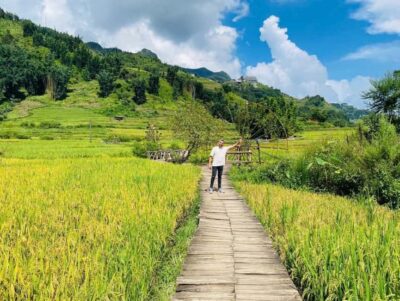
Village life meets jungle trails. This Nong Khiaw two-day adventure strings together remote village visits, a Nam Ou River kayak ride, and time in the countryside when Laos feels far from the usual tourist loop. What I like most is how the day-to-day pace lets you notice details: hands at work during a bamboo craft session, and river calm after the trekking stops. A second highlight is the homestay dinner and overnight in the village, where you’re not just passing through. The one thing to keep in mind is the trek is genuinely moderate to challenging, so plan your footwear and energy carefully.
The guide makes a big difference here. With English interpretation from the local guide (like Bick, who many people credit for keeping things upbeat and teachable), the trip turns into more than photos of scenery. You’re also moving through places with history and views, including a cave visit and a viewpoint stop, which adds context beyond village sightseeing.
Possible drawback: your comfort with English-led storytelling matters. The plan includes history and local life context, but if you expect deep, wall-to-wall explanations in perfect English, you might find it uneven in the moment. In that case, coming with a curious attitude (and a few simple questions) will serve you well.
In This Review
- Key Things I’d Prioritize on This 2-Day Nong Khiaw Trek
- How This Trip Feels in Real Life: Two Days, Big Contrast
- Day 1: Tuk-Tuk Start, Village Visits, and Bamboo Crafts
- Ban Naluang Lao, Khmu, and Hmong: What You’ll Be Watching For
- Bamboo Handicraft Workshop: Learning by Doing
- Evening With the Village: Cook, Dine, Sleep
- Day 2: Boat to Muang Noi, Cave and Phanoi Viewpoint, Then Tad Mork
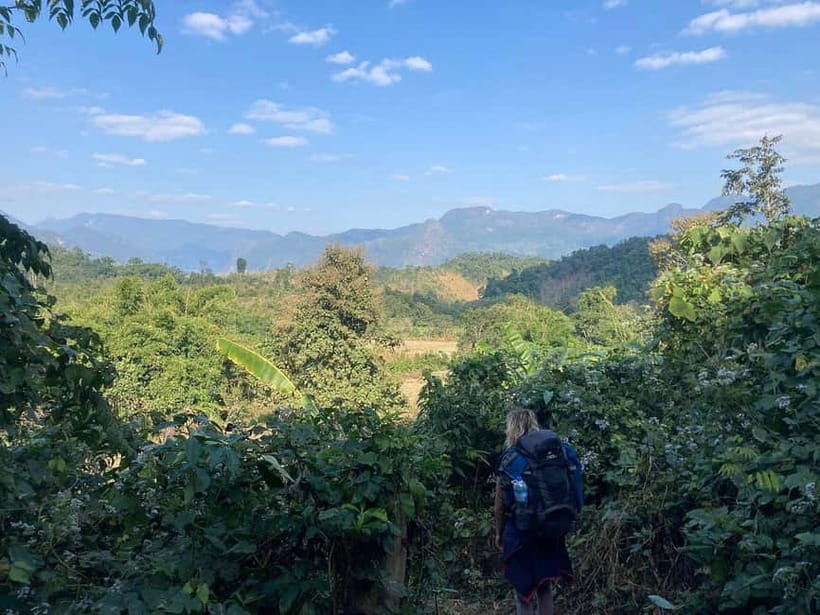
- Muang Noi Village: History Stop and a Viewpoint
- Lunch, Then Sopkong Village
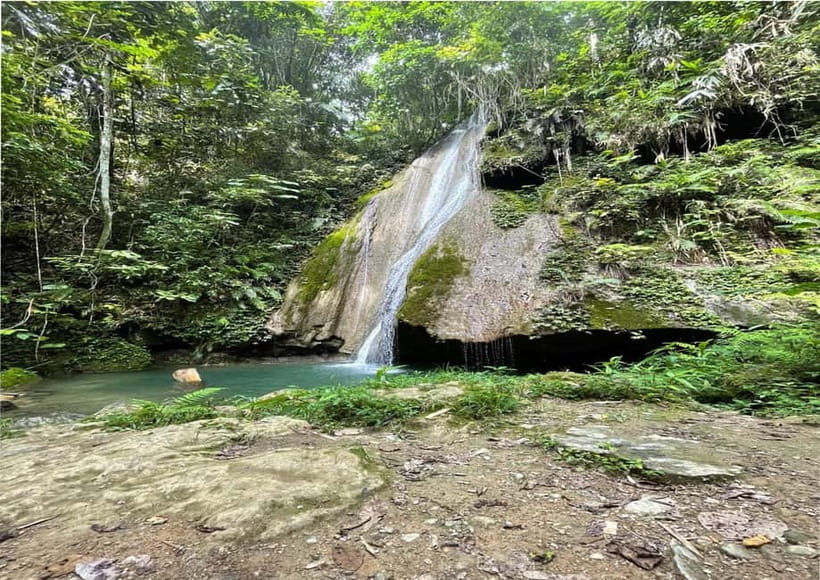
- Tad Mork Waterfall Swim: The Payoff After Trekking
- Swims and Safety Reality
- Return to the River Bank
- Kayaking on Nam Ou River: Peace, Birds, and a Slower Pace
- Trekking Difficulty: What Moderate to Challenging Really Means for You
- Getting Value From $80: What’s Included and Why It Adds Up
- What to Pack (So Day 1 Isn’t Miserable and Day 2 Feels Fun)
- Cultural Respect: How to Make Village Time Worth It
- Who This Tour Is Best For (and Who Should Skip It)
- Should You Book This Nong Khiaw 2-Day Trek?
- FAQ
- How long is the Nong Khiaw 2-day trekking experience?
- What activities are included besides the trek?
- What meals and accommodation are provided?
- Is pickup available from Nong Khiaw?
- What should I bring for this trip?
- Is this tour suitable for children or mobility issues?
Key Things I’d Prioritize on This 2-Day Nong Khiaw Trek
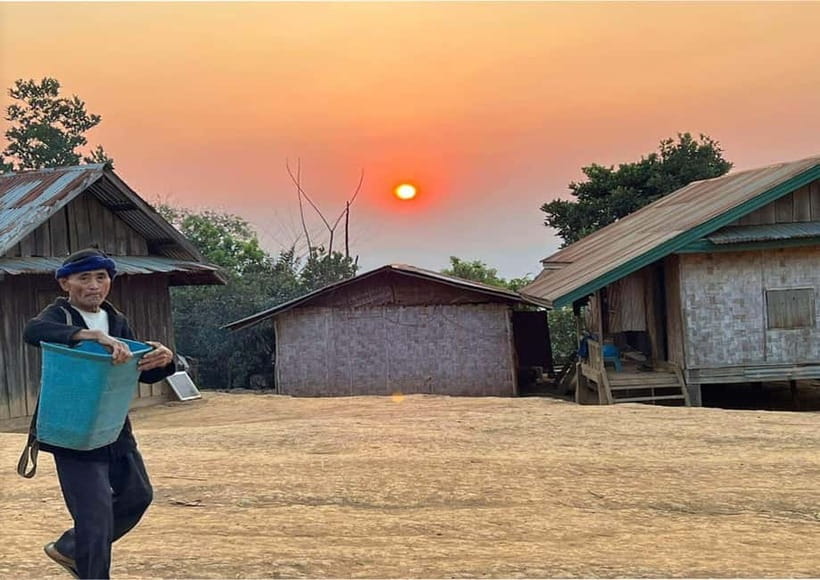
- Remote villages that don’t feel staged, including Hmong and Khmu communities
- Nam Ou kayaking downstream, timed after the waterfall for a calmer second day
- Bamboo handicraft workshop, where you learn by doing with a local villager
- A cave plus Phanoi viewpoint, so the trip includes more than just village walks
- Tad Mork waterfall swim, a cooling break after an hour of trekking
How This Trip Feels in Real Life: Two Days, Big Contrast
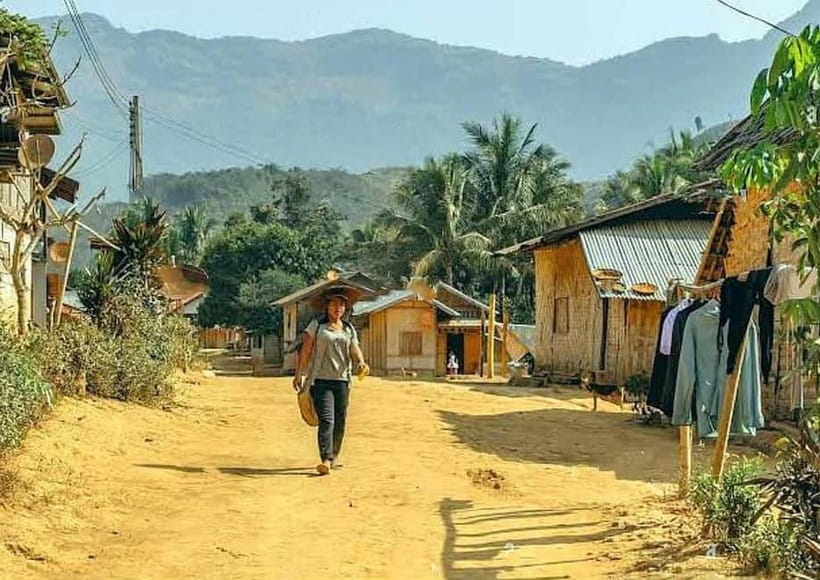
This is one of those trips where the scenery changes your mood on purpose. You start with village pathways and hands-on culture, move through forest trekking, then switch into water time: a waterfall swim, followed by kayaking on the Nam Ou River.
That rhythm is part of the value. At $80 per person for a full two days (including guide, meals, village overnight, and key activities), you’re paying for more than a hike. You’re paying to access places and moments that would be hard to stitch together on your own—especially the combination of village time, trekking through primary forest, and structured river kayaking.
It’s also small-group oriented, with the tour listed as limited to a very small number of participants. Practically, that usually means less waiting and more time when the guide is answering questions.
Day 1: Tuk-Tuk Start, Village Visits, and Bamboo Crafts
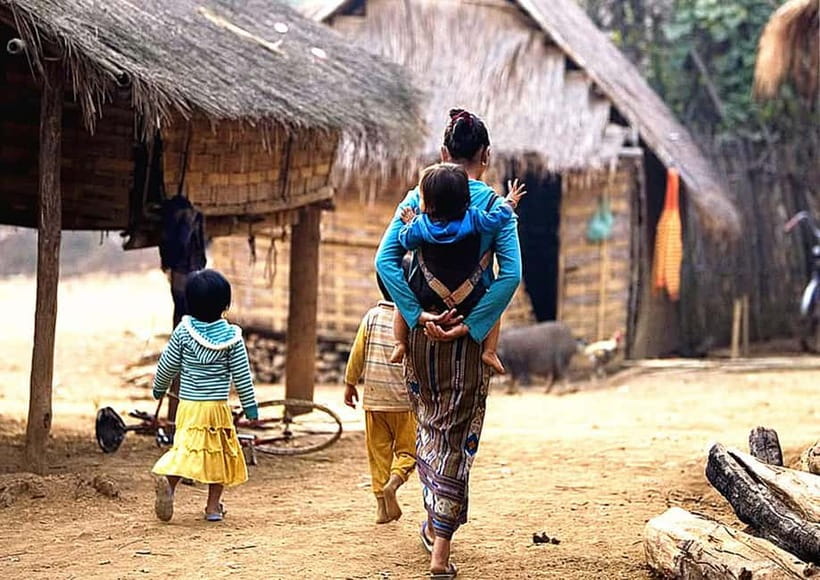
Day 1 begins with a tuk-tuk ride from Nong Khiaw to the village area. From there, your route focuses on several communities—Ban Naluang Lao, Lao Khmu, and Hmong—plus additional village walking time that connects you to everyday life rather than just a single stop.
Ban Naluang Lao, Khmu, and Hmong: What You’ll Be Watching For
This part is where the trip earns its authenticity. You’re not only viewing homes from the outside. You take time to explore, and your lunch stop happens during the day’s flow, so the meals don’t feel like a separate tourist segment.
If you want to make this section worthwhile, go in with a respectful mindset:
- Keep your tone calm and your movement slow.
- Ask before photographing, especially around children.
- Avoid treating homes like “background scenery.”
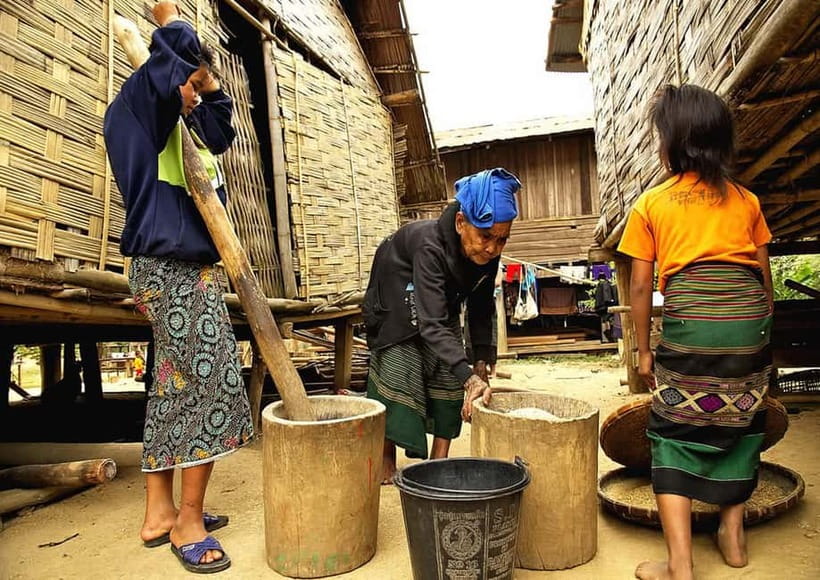
Bamboo Handicraft Workshop: Learning by Doing
One of the best-known highlights here is the bamboo handicraft workshop. This is not presented as a quick demo; it’s framed as a hands-on session with help from a local villager. That matters, because you’re learning a process that’s usually part of daily work—not staged entertainment.
You’ll likely come away with a stronger sense of how practical materials turn into everyday products. Even if your craft result isn’t perfect, the takeaway is the method and the patience behind it.
Evening With the Village: Cook, Dine, Sleep
In the evening, you cook and dine with the villagers and then stay overnight in the village. This is the moment where “experience” becomes real life: less schedule pressure, more conversation, and time to notice how the village evening works.
If you’re worried about language gaps, don’t. The activities—sharing food, moving through the space, and simple greetings—usually do a lot of the communication.
Practical point: overnight accommodations are in the village, so conditions may be basic. Bring a towel and keep expectations aligned with a countryside stay rather than a hotel.
Day 2: Boat to Muang Noi, Cave and Phanoi Viewpoint, Then Tad Mork
Day 2 starts with a boat ride to Muang Noi village. That’s a nice transition because you’ve been walking and trekking on Day 1. By the time you reach the village, you’re already in “slower travel” mode—watching the river approach instead of forcing yourself into constant movement.
Muang Noi Village: History Stop and a Viewpoint
The plan includes visiting a historical cave and also checking out the Phanoi viewpoint. Those are smart add-ons because they give you a broader sense of the area’s importance—why people settled where they did, how the land guides movement, and what you can see from higher ground.
The cave and viewpoint also give your legs a break between village walking sections. You’re still active, but the pace feels more varied than a straight-line hike.
Lunch, Then Sopkong Village
After exploring Muang Noi, you have lunch and continue to Sopkong village. This keeps the trip from feeling like “one village and done.” You get more than one community snapshot across the two days.
Again, your best tool here is patience. Village visits go best when you let them be conversations and observations, not a checklist.
Tad Mork Waterfall Swim: The Payoff After Trekking
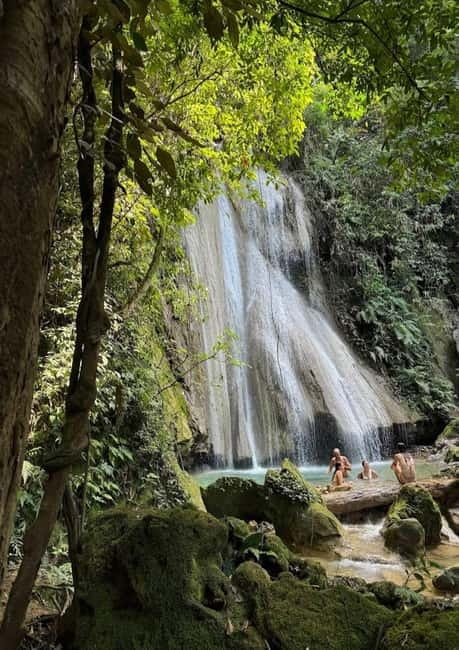
Next comes the trek—about 1 hour—to Tad Mork Waterfall. After two days of movement, the waterfall section feels like the trip’s emotional reset: a reason to stop, cool off, and let the landscape breathe.
Swims and Safety Reality
You swim in the cool waterfall pool, which is exactly what you want after trekking. If you’re the type who hates muddy conditions, you’ll still likely enjoy it—but you should come ready for water shoes or shoes that can handle wet ground.
Bring swimwear and a towel. Also, don’t forget insect repellent and sunscreen. Even when you’re shaded by forest or moving near water, bugs and sun exposure can still catch you.
Return to the River Bank
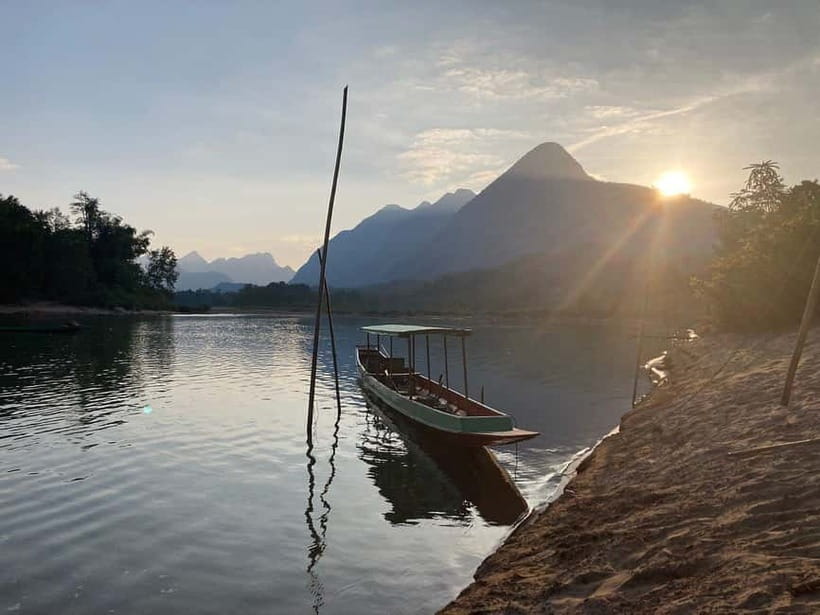
After the waterfall trek and swim, you return to the river bank for kayaking downstream. That timing works well because you’re warmed up, then cooled off, then you settle into a calmer water rhythm.
Kayaking on Nam Ou River: Peace, Birds, and a Slower Pace
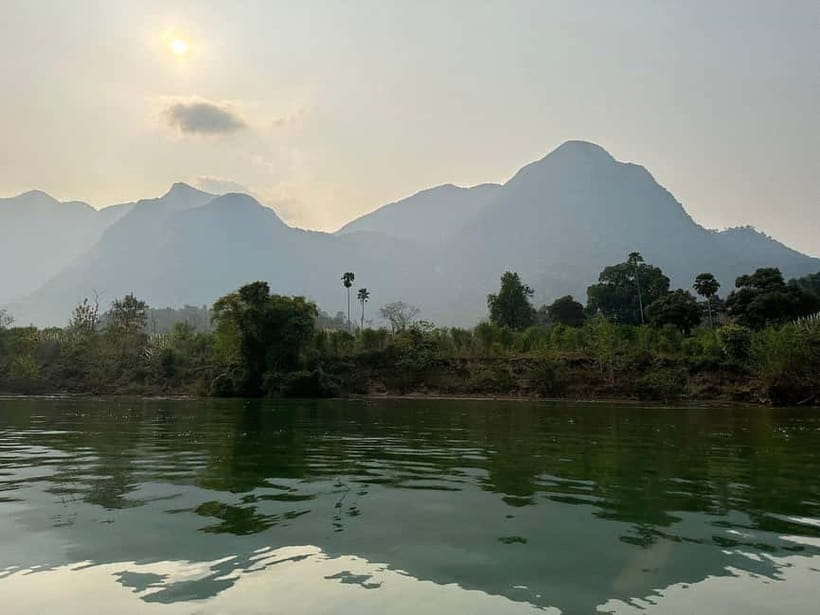
The kayaking portion is where the Nam Ou River earns its reputation. The route is downstream, and the experience is described as peaceful, with you spotting bird species, water buffalo, and fishermen along the way.
This is not a high-adrenaline “hang on” kayak trip. It’s more like floating through a working landscape. That’s why it pairs so well with the earlier parts of the day. You go from active trekking to a softer pace where you can look around.
Practical tips that matter:
- Hydrate before and after kayaking, not just during.
- Keep a camera accessible, but don’t rush shots of wildlife—watch first.
- Expect you may get splashes, even if you stay careful.
Trekking Difficulty: What Moderate to Challenging Really Means for You
The trek is listed as moderate to challenging. “Moderate” here matters: you’re not walking a flat nature trail. You’ll be moving through primary forest terrain, and the waterfall trek is about an hour on foot.
For your planning, you should take the difficulty seriously if you:
- don’t handle uneven ground well
- don’t have comfortable footwear that grips
- get tired quickly on sustained climbs or uneven steps
This trip also isn’t suitable for children under 8, pregnant women, people with back problems, people with mobility impairments, or wheelchair users. That’s important because the route includes trekking and village-based movement that likely doesn’t have easy access points.
If you’re on the fence, choose confidence: good shoes beat willpower.
Getting Value From $80: What’s Included and Why It Adds Up
At $80 per person for 2 days, the value comes from the bundle of hard-to-recreate items:
- Local guide (English) throughout
- Meals: lunch and dinner, plus breakfast on Day 2 is implied by the Day 2 flow
- Overnight accommodation in a village
- Trekking through primary forest
- Bamboo handicraft workshop
- Swimming at Tad Mork waterfall
- Kayaking on Nam Ou River
If you tried to build this independently, you’d likely spend time finding transport, arranging homestay stays, and booking structured activities safely. You’d also struggle to get the same village access without a local partner.
So even if you’re watching the budget, this price looks fair for what’s included—especially because the trip gives you two big “active” moments (waterfall and kayaking) plus culture and history stops.
What to Pack (So Day 1 Isn’t Miserable and Day 2 Feels Fun)
The tour list is practical, and I’d follow it closely:
You should bring:
- Comfortable shoes (non-negotiable)
- Hat
- Swimwear and a towel
- Camera
- Sunscreen, insect repellent
- Water (refillable bottle is a great idea)
- Comfortable clothes
- Snacks (optional but helpful)
- Any small personal basics you need for the overnight
Also, remember the tour rules: no littering, no alcohol/drugs, no touching plants, and no smoking. It’s basic, but these rules shape the vibe. You’ll get more out of the experience when you match that mindset.
Cultural Respect: How to Make Village Time Worth It
This itinerary is built around real communities and daily routines. That’s why “cultural sensitivity” isn’t a throwaway line here—it’s what keeps the visit respectful and comfortable.
A few simple rules that help:
- Keep interactions gentle and brief if you’re unsure.
- Avoid pushy questions, especially right after you arrive.
- Don’t assume everything is open for photos.
The tone you’re aiming for is calm interest. If you do that, the village time becomes the best part of your trip, not just another stop.
Who This Tour Is Best For (and Who Should Skip It)
This is a great fit if you want:
- a two-day blend of trekking + culture + water activities
- a guided route that includes villages you might not reach easily
- a small-group feel and an overnight in a village setting
You might want to look elsewhere if you:
- need a low-effort walk (the trek is moderate to challenging)
- have mobility limitations or back problems
- are traveling with a child under 8
- are pregnant
Also, if you depend on long, detailed English narration, consider that communication can vary day to day. The guide is English-speaking, but your overall experience will still depend on how you handle conversational learning.
Should You Book This Nong Khiaw 2-Day Trek?
I’d book it if you want a real slice of northern Laos—villages, forest trekking, a waterfall swim, and kayaking on a river that feels lived-in. The value is strong because it bundles guide time, village overnight, meals, and multiple signature nature moments.
I’d hesitate only if you’re not comfortable with uneven terrain or you need a highly structured, nonstop English lecture. For most people who enjoy hands-on travel, this is the kind of itinerary that makes two days feel like a proper chapter.
If you’re ready to walk, swim, and be respectful in village spaces, this tour is well worth your time.
FAQ
How long is the Nong Khiaw 2-day trekking experience?
It runs for 2 days.
What activities are included besides the trek?
The tour includes a bamboo handicraft workshop, swimming at Tad Mork Waterfall, and kayaking downstream on the Nam Ou River, plus visits to villages and a historical cave and viewpoint.
What meals and accommodation are provided?
Lunch and dinner are included, and you also get overnight accommodation in a village.
Is pickup available from Nong Khiaw?
Yes. Pickup is included within Nong Khiaw city within 5 kilometers from your hotel or a specified pickup location.
What should I bring for this trip?
Bring comfortable shoes, a hat, swimwear, a towel, sunscreen, insect repellent, water (refillable bottle recommended), comfortable clothes, and snacks. A camera can help too.
Is this tour suitable for children or mobility issues?
No. It is not suitable for children under 8, pregnant women, people with back problems, people with mobility impairments, or wheelchair users.