REVIEW · KATHMANDU
Everest Base Camp trek- 11 days
Book on Viator →Operated by Mount Face Nepal · Bookable on Viator
Everest hits you fast, even on day one. This trek pairs a Lukla sunrise flight with Sherpa towns, monastery stops, and big-peak views that keep coming.
What I like most is that the trip takes care of the core logistics: full-board meals on the trail plus booked accommodations and a licensed guide. I also like the pacing support, especially the acclimatization day in Namche, which matters up high. One drawback to plan for: the trek price does not include Kathmandu hotel and meals, Nepal visa/entry costs, travel insurance, tips, or drinks during the trek, so your real budget needs a little padding.
In This Review
- Key things that make this Everest Base Camp trek work
- From Thamel to Lukla: the sunrise flight and first steps toward Phakding
- Namche Bazaar at 3,435m: acclimatization day that saves your trip
- Tengboche to Dingboche: monasteries, big views, and the climb to 4,400m
- Lobuche to Everest Base Camp at 5,380m: your “yes, I’m really here” moment
- Kalapathar at 5,545m and the descent to Pheriche: the view chase that earns it
- What you get for the $1,699: value comes from flights, permits, and eating well on the trail
- Difficulty and fitness: the route asks for steady effort, not hero stories
- The human factor: why guide Dipu and smooth logistics matter
- Should you book this Everest Base Camp trek with Mount Face Nepal?
- FAQ
- Where does the trek start and where do I meet the group?
- What time does the trek start?
- What flights are included?
- Are meals included during the trek?
- Is there a guide and porter included?
- What permits or cards are included for trekking?
- What is not included in the price?
- Can I cancel for a refund?
Key things that make this Everest Base Camp trek work
- Lukla flights are built in both directions, starting with a morning launch from Kathmandu
- Namche Bazaar acclimatization day helps you adjust before higher passes
- Tengboche monastery and Sherpa culture moments land right when the views start turning serious
- Everest Base Camp plus Kalapathar gives you two kinds of “I’m here” moments
- Porter support (normally 1 porter for 2 clients) keeps you from hauling extra weight uphill all day
From Thamel to Lukla: the sunrise flight and first steps toward Phakding
You start in Kathmandu’s Thamel area, with pickup arranged from there at 7:15 am. The big theme of day one is simple: get up, get out, and slide into the Khumbu region quickly. After the early flight to Lukla (2,850m), you’ll hike onward to Phadking (2,660m).
This first day is more than a warm-up. It’s your mental gear shift. You leave the city behind fast, then spend the rest of the day walking through a working mountain valley where the rhythm is set by foot traffic, lodge stays, and daily supplies moving up and down. If you’ve never done altitude trekking before, this is where you learn a key truth: you’ll feel the altitude even when the walk is not “hard.”
What’s practical here is how the trip handles the moving parts. You’re not trying to coordinate transport to the Lukla airport, track flight details, and then scramble for lodge bookings at the last second. The setup includes airport pickup/drop for the Lukla flight and covers the Kathmandu–Lukla–Kathmandu airfares.
Possible consideration: day one depends on the flight schedule. Since the entire trek is tied to two Lukla flights, you should keep your expectations flexible around timing and weather.
You can also read our reviews of more tours and experiences in Kathmandu.
Namche Bazaar at 3,435m: acclimatization day that saves your trip
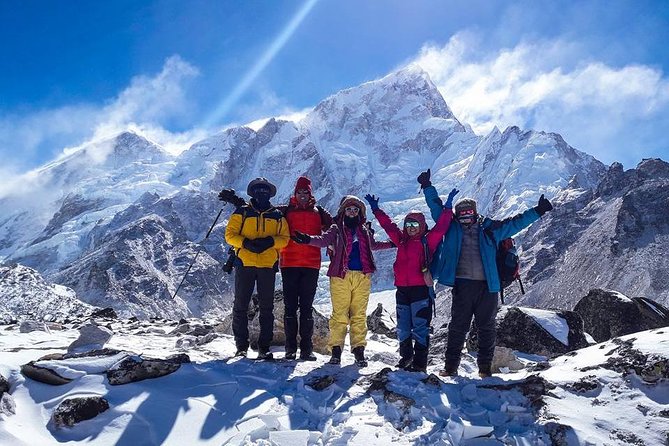
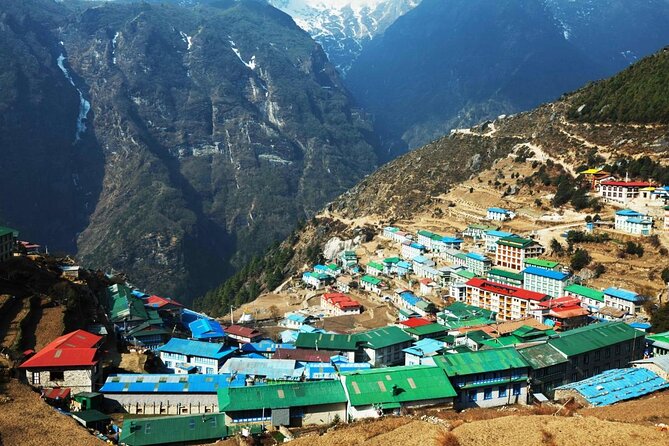
If Lukla is day one’s reality check, Namche Bazaar (3,435m) is where the trip turns from “getting there” into “learning altitude.” You’ll reach Namche after hiking up from Phadking (day two), and then you get a full acclimatization day on day three.
That extra day is the difference between feeling rushed and feeling controlled. At Namche’s altitude, you need time for your body to adjust before pushing higher toward Tengboche (3,890m) and beyond. Even if you feel good on arrival, a planned rest/adjustment day helps reduce the risk of turning the rest of the trek into a suffering contest.
Namche is also more than a number on a map. It’s described as the gateway to Everest Base Camp, and it’s easy to see why. This is a Sherpa home base area, with monasteries and a strong local culture you’ll notice in everyday life. The more altitude climbs, the more important these culture stops become. They give your mind something to latch onto besides weather and breathing.
I like that this trek keeps you in rhythm: you gain altitude, then you build in breathing room. It’s how you protect enjoyment on days that get higher and steeper.
Tengboche to Dingboche: monasteries, big views, and the climb to 4,400m
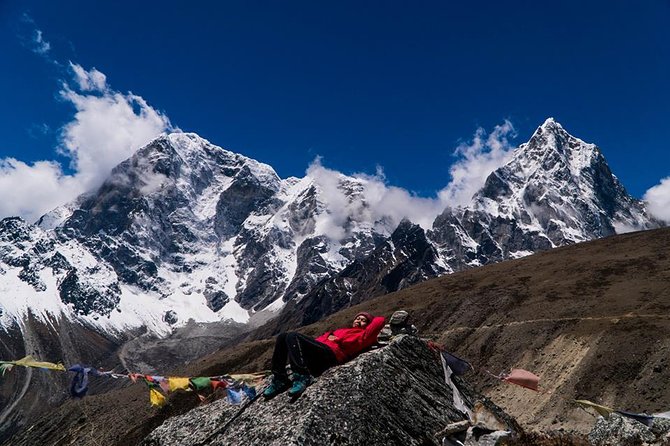
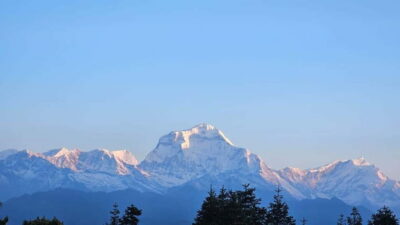
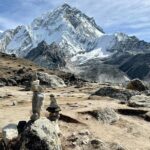
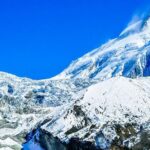
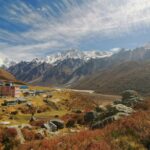
Once you leave Namche, the route heads to Tengboche (3,890m) on day four. This is the part of the trek where views start feeling constant rather than occasional. The trek highlights include sweeping sightlines toward Mount Everest, plus Lhotse, Nuptse, Amadablam, and Thamserku—and Tengboche is a special place to experience that because it’s also tied to monastery life.
You’ll spend time moving and then settling in at Tengboche, and then continue higher to Dingboche (4,400m) on day five. Dingboche sits at a higher, colder altitude where hiking becomes slower and more deliberate. This is where pace matters. The route has you steadily moving upward, but it doesn’t pretend you can “power through” altitude.
What makes this stretch valuable is the mix of spiritual/cultural stop and physical challenge. A monastery setting can sound like a sightseeing add-on, but at altitude it’s actually grounding. It gives you a break from the constant scanning for views, and a chance to slow down, regroup, and drink something warm.
Then comes the next step up: day six moves from Dingboche to Lobuche (4,910m). The trail pulls you closer to the dramatic high-mountain scenery, including the kind of Khumbu Icefall you’ll be aware of as the region opens up.
Lobuche to Everest Base Camp at 5,380m: your “yes, I’m really here” moment
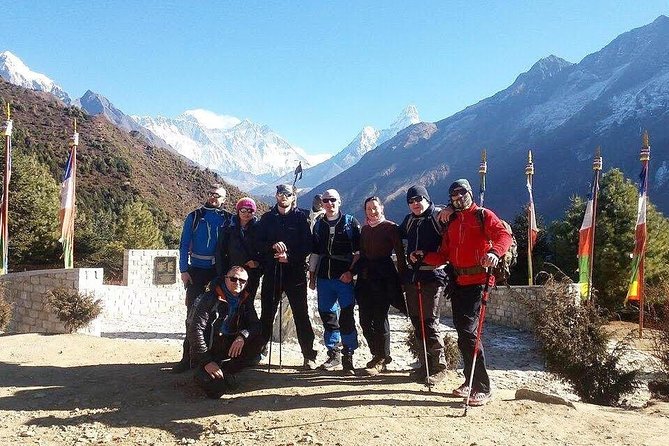
On day seven, you’ll go from Lobuche onward to Gorakshep (5,180m) and then out to Everest Base Camp (5,380m), returning to Gorekshep afterward. This is the day where the trek’s promise becomes real in a way you can’t fully understand until you see it.
The terrain at this elevation is tougher than it looks on paper, mostly because every step costs more energy. Even if you’re walking at a steady pace, the air and cold make effort feel heavier. This is also where you’ll likely notice how much the trek’s logistics help: accommodations are arranged, meals are included during trekking days, and a guide helps keep you on route and moving at a pace that fits the group.
Base Camp itself is about presence. You’re standing at a place that has a huge reputation, but the experience isn’t about checking a box quickly. It’s about absorbing the scale—the high slopes around you, the movement of people, and the way the mountain demands attention.
A practical point: you’ll want to manage expectations about how long you feel “bright and energetic.” At this altitude, you may need short breaks, slow walking, and time to catch your breath. That’s normal for this elevation zone.
Kalapathar at 5,545m and the descent to Pheriche: the view chase that earns it
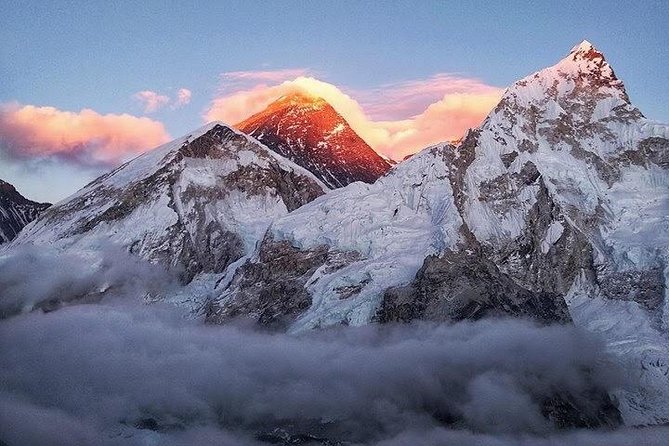
If Everest Base Camp is your milestone, Kalapathar (5,545m) is where you go for the sharpest view payoff. Day eight includes the climb to Kalapathar and then the descent to Pheriche (4,320m).
This day tends to be memorable for the same reason people keep coming back to Kalapathar: it’s high enough to feel close to the peaks, but it’s also framed in a way that gives you perspective on Everest and the surrounding giants. The trek description also calls out Khumbu Icefall views and big mountain angles, and Kalapathar is where your camera-ready moments usually happen.
What I appreciate about the design is what comes next: after day eight, you don’t stay stuck at high altitude. You move down toward Namche later, which gives your body a chance to recover.
Day nine goes from Pheriche to Namche Bazaar (3,435m). That descent is not just about being “done”; it’s a real health strategy. If you’re coming from a place of wanting to enjoy the whole trip, descent days are where comfort returns, and it becomes easier to celebrate what you’ve already achieved.
Then day ten brings the long but more manageable route down to Phadking (and Lukla around 2,835m). After a few days above 4,000m, getting back to lower elevations makes a big difference in how you feel at the end of the day.
Finally, day eleven is the flight from Lukla to Kathmandu—back to your start point in Thamel.
What you get for the $1,699: value comes from flights, permits, and eating well on the trail
At $1,699 per person for an 11-day trek, the headline question is simple: are you paying mostly for the view, or are you paying for the hard parts to be handled? In this case, the value is in the “invisible” stuff.
This package includes:
- Kathmandu–Lukla–Kathmandu airfares
- Pickup and drop for the Lukla flight area
- Full-board meals (breakfast, lunch, dinner) during the trekking period
- Best available accommodations on the trek
- A government license holder guide
- Porter support (normally 1 porter for 2 clients)
- TIMS card and trekking permits for restricted area trekking
- A first aid kit
- Farewell dinner prior to departure
That’s a lot of core costs wrapped together. Many treks feel cheap until you add permits, guide fees, flight tickets, and meals/lodge costs. Here, those items are already part of your planning math.
What’s not included (and can affect your total budget):
- Kathmandu hotel and lunch/dinner
- Travel insurance
- Nepal entry visa fee
- International airfare and airport departure tax
- Tips for trekking staff
- Drinks (hot/soft/cold) and liquors
- Personal shopping/laundry and anything not listed in the included section
My practical advice: treat the listed trek price as “the trekking core,” then set aside a separate Kathmandu and personal-extras budget. That’s how you avoid an end-of-trip surprise.
Difficulty and fitness: the route asks for steady effort, not hero stories
The experience is designed for people with moderate physical fitness. That’s a helpful phrase because it implies the trek is serious, but it’s not marketing itself as something only elite athletes can do.
Still, don’t underestimate what altitude changes. You’ll be moving from the 2,000–3,000m zone up through over 5,000m (Base Camp and Kalapathar). Even when trail sections are short, your body works differently. Plan for slower steps, frequent pauses, and smart hydration.
Two things that help you succeed:
- The plan’s built-in pacing, including the acclimatization day in Namche
- A guided setup with porter support, which cuts down fatigue from carrying your own baggage
If you get motion-sick, hate cold, or struggle with long days on steep ground, this trek may feel more intense than you expect. But if you’re willing to walk steadily and follow your guide’s pace, you’re set up for a rewarding experience.
Also, this is a private tour/activity, so you’re not sharing the same experience with strangers who set a different rhythm than your group.
The human factor: why guide Dipu and smooth logistics matter
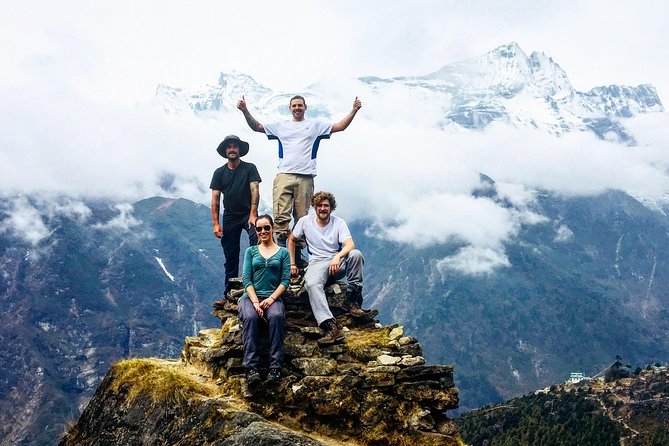
A big reason this trek gets strong recommendations is how the company handles your day-to-day stress. People highlighted that the trip was well organized from start to finish, including airport pickup/dropoff. They also praised the guide, named Dipu (spelled a few ways in messages), for keeping support close while still letting you do the trekking.
That balance matters. In a high-altitude trek, you want someone who:
- handles the route and pacing so you don’t overdo it early
- checks in while you’re walking
- keeps communication clear before, during, and after the trek
Even small things like lodges and flight tickets booked in advance can change how the days feel. Less mental load means you’re better able to enjoy the mountain moments when they arrive.
Should you book this Everest Base Camp trek with Mount Face Nepal?
Book it if you want an Everest Base Camp experience where the major logistics are handled for you. The biggest reasons I’d say yes are the included flights, full-board meals, licensed guide, TIMS and permits, and the fact that the route includes a true acclimatization day in Namche plus the Kalapathar viewpoint.
Consider a different option if your budget is tight and you don’t want to think about extra costs in Kathmandu, visa/entry fees, travel insurance, tips, and drinks. Also think carefully if you don’t handle cold well or your fitness is more “occasional walks” than steady hiking.
If you like the idea of a guided, private trek with a clear plan from Lukla onward, this one is a strong match—especially for first-time Everest-area trekkers who want to spend energy on the trail and views, not on coordination.
FAQ
Where does the trek start and where do I meet the group?
The start point is Thamel, Kathmandu 44600, Nepal. The trek also ends back at the same meeting point.
What time does the trek start?
Start time is listed as 7:15 am.
What flights are included?
The package includes airfare for Kathmandu to Lukla and Lukla to Kathmandu.
Are meals included during the trek?
Yes. The trek includes full board meals—breakfast, lunch, and dinner—during the trekking period.
Is there a guide and porter included?
Yes. It includes a government license holder guide and a porter to carry baggage. The normal ratio is 1 porter for 2 clients.
What permits or cards are included for trekking?
The package includes TIMS card (Trekker’s Information Management System) and the trekking permits needed for restricted area trekking.
What is not included in the price?
Not included: lunch and dinner in Kathmandu, hotel in Kathmandu, travel insurance, Nepal entry visa fee, international airfare and airport departure tax, tips for trekking staff, drinks (hot/soft/cold) and liquors, and personal shopping/laundry plus personal trekking equipment.
Can I cancel for a refund?
Yes. Cancellation is free up to 24 hours in advance of the experience start time for a full refund.