REVIEW · NOSY BE
Full-day jungle trek on Nosy Komba (Lemur island) with the Black Lemur Sanctuary
Book on Viator →Operated by Fossa Travel · Bookable on Viator
Bananas on your shoulders? Yes, it happens here. This full-day trek on Nosy Komba (Lemur Island) turns a regular walk into a living nature documentary, with constant wildlife and plant discoveries. I especially love the fruit-and-spice tastings along the trail, and I like how the day builds up to close, calm encounters with lemurs at the sanctuary.
The main thing to consider is simple: this is not a paved nature trail. It’s a real jungle climb with a tougher start, and if it’s been raining recently, the path can get slippery—so you’ll want solid shoes and steady hydration.
In This Review
- Key highlights before you go
- Nosy Komba jungle trek: steep, sweaty, and very real
- What makes the climb different from a normal hike
- Stop 1: Landing in Anjiabe and the plant tasting trail
- The “what is that?” fruit moment
- Tiny villages along the way
- Reaching Komba’s summit: where wildlife pressure increases
- How the lemur interactions work (and what to do)
- Stop 2: Black Lemur Sanctuary and the last stretch of wildlife
- Why this sanctuary feels different
- The village art stop: supporting local creativity
- Private tour feel: small group energy on a big day
- Price and value: is $232.29 worth it?
- Practical tips so the jungle trek stays fun
- Should you book the Nosy Komba and Black Lemur Sanctuary tour?
- FAQ
- FAQ
- How long is the tour from start to finish?
- Where does the tour start and when does it run?
- Is this tour private?
- What wildlife might I see during the hike and at the sanctuary?
- Do I get to taste fruits or plants?
- Are the lemurs safe to be around?
- What fitness level do I need?
- What happens if the weather is bad or I need to cancel?
Key highlights before you go
- Volcanic Nosy Komba terrain: Dense jungle and a climb up to the summit at 622 meters
- Tasting stops built into the trek: cocoa fruit flesh, sugar cane sweetness, jackfruit, soursop, and more
- Second-half lemur encounters: more lemurs show up as you head toward the peak and the sanctuary
- A sanctuary that stays calm: in winter time, lemurs are extremely friendly and accept bananas gently
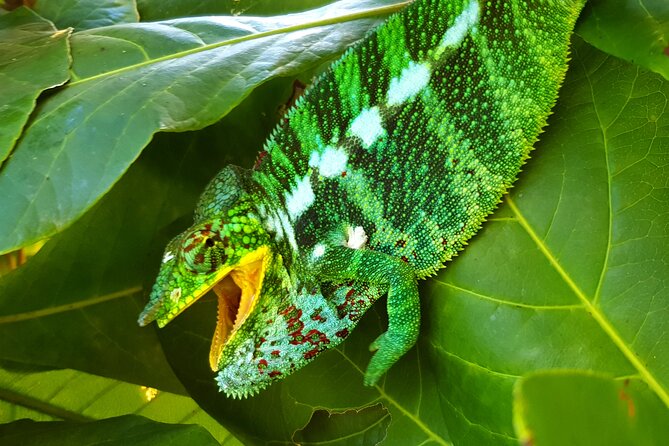
- More animals than you expect: chameleons, geckos, giant tortoises, and snakes in the mix
Nosy Komba jungle trek: steep, sweaty, and very real
This day is built around one big idea: you’re walking through Madagascar’s living jungle, not around it. Nosy Komba is a volcanic island with dense greenery, and you start with a short boat ride from Nosy Be before landing in a village area. From there, the trail runs into jungle the way it should—humid air, uneven ground, and no “easy loop” disguise.
I love that the trek feels like a guided safari through plants as much as animals. You’re moving through an ecosystem where trees and bushes aren’t just scenery; they’re part of your route, your pace, and your snacks. If you want a peaceful stroll, this probably isn’t it. If you want a real jungle workout with payoff, you’re in the right place.
What makes the climb different from a normal hike
The hike includes a summit goal—up to Komba’s peak at 622 meters—so you’ll feel the grade even in the early stretch. It’s described as a “real 6 hours jungle trek,” and that lines up with the way the day is paced: steady walking, not frequent long breaks. You should be ready for a tougher start, and for uneven footing that asks attention.
One practical point: if rain has hit recently, expect slippery sections. That’s not a reason to cancel—just a reason to show up prepared. Grippy shoes matter more here than on most walking tours, and so does water you can actually sip during the hike.
Stop 1: Landing in Anjiabe and the plant tasting trail
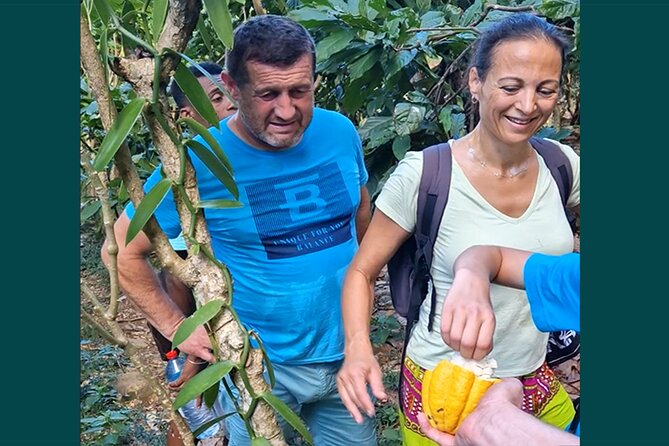
The trek begins after landing on the south-west side of the island, in Anjiabe village. You face the jungle and start moving right away, and the first stretch is where you get your early rewards. In the first part of the hike, you meet lots of plants—fruit trees, spice bushes, and vines you might only ever see in photos.
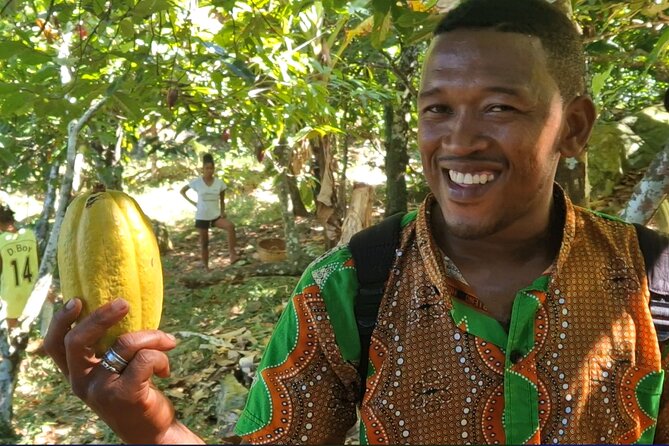
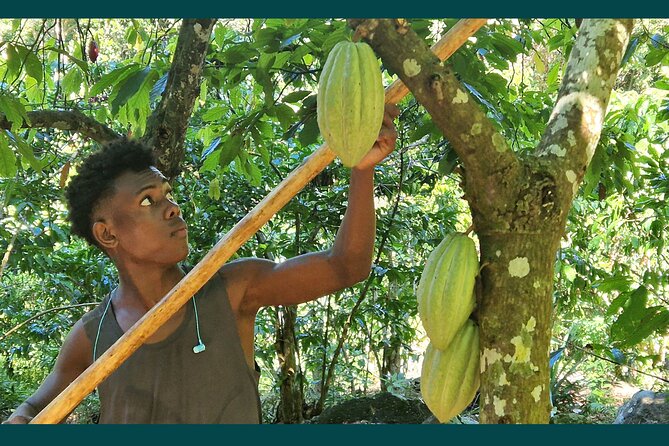
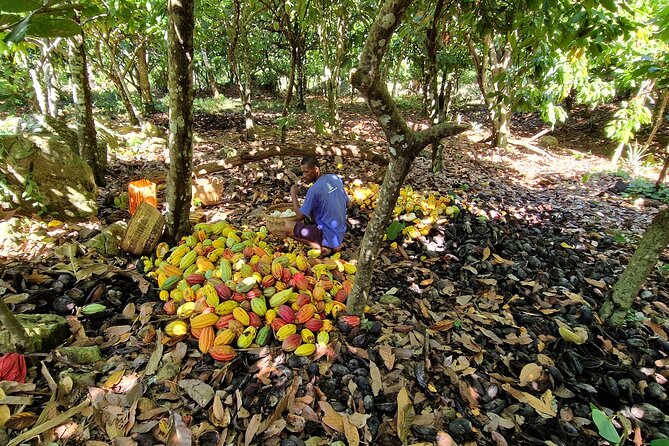
What makes this stop special is the tasting element. You don’t just hear names; you get to sample. You might taste fresh cocoa fruit (the flesh of the cocoa), sweetness from sugar cane, and fruits like jackfruit and soursop. The route also includes plants like pepper bushes, vanilla, and other jungle crops.
The “what is that?” fruit moment
Madagascar often plays a trick on your expectations: you think you know the fruit category, then the jungle adds new details. The day includes mangoes in season—up to eight kinds—plus other special fruits that may not have easy names in English or French. That’s a big reason this trek feels more authentic than a checklist walk.
If you care about local agriculture—how people grow food where you’d expect only forest—you’ll appreciate how the guide frames the plants. One example from the experience: a guide named Max was praised for being able to explain the plants and fruits clearly as you walked. That kind of interpretation turns tasting into learning, instead of just eating.
Tiny villages along the way
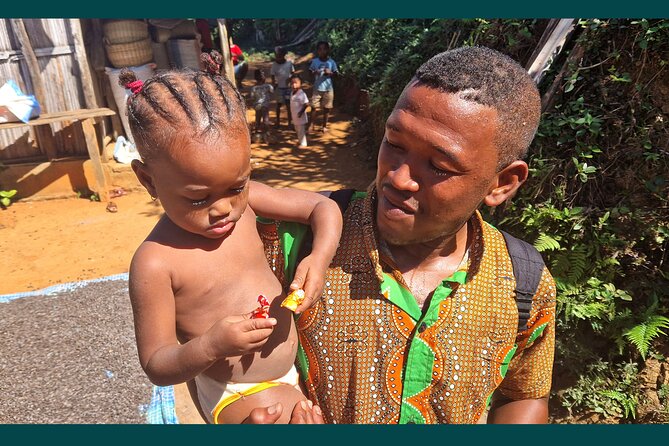
As you head deeper, you come across small jungle villages. These aren’t set-dressing moments; they’re part of the route’s rhythm. You’ll get a sense of how people live close to the forest and how the landscape supports daily life.
This is also where the trek shifts. In the dense jungle, you’re moving uphill toward the summit, and the “second half” builds toward wildlife encounters. That gradual ramp matters—after a hard start, it’s good to know the best animal action comes later, not right at the beginning.
Reaching Komba’s summit: where wildlife pressure increases
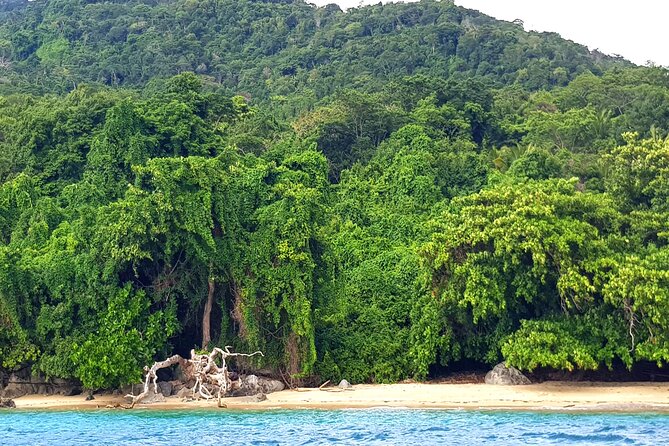
The destination is the top of Komba at 622 meters, and reaching it is part physical challenge, part wildlife timing. In a jungle environment, animals can move quietly for a long time before suddenly showing up where you’re standing. That’s exactly how the day is described: within the earlier stretch you focus on plants and tasting, then animal activity becomes more noticeable.
A big highlight here is the way lemurs show up in the second half. After you reach the summit area, you can meet more and more lemurs as you continue toward the sanctuary region. And it’s not just “spot and move on.” The approach is calm enough for gentle, close encounters.
How the lemur interactions work (and what to do)
In winter time, the lemurs are described as extremely friendly but never aggressive. They may jump gently and eat bananas from your hands, even while you’re standing or moving. The key detail is their behavior: they don’t steal and they don’t bite.
That means you don’t need panic arms. You do need steady behavior. Keep your hands relaxed, follow your guide’s cues, and let the animal come to you at its own pace. This is one of the experiences where “be chill” actually matters.
Stop 2: Black Lemur Sanctuary and the last stretch of wildlife
Your mountain hike ends at the Black Lemur Sanctuary, near Ampangorina village, on the north-eastern side of Nosy Komba. The sanctuary section is about wildlife viewing plus a more relaxed walk through the area. The time window is about two hours, and it’s designed as a natural landing after the main climb.
As you approach the sanctuary, the animal action increases again—especially in the last hour and a half. You’ll likely see not only lemurs, but also chameleons, geckos, giant tortoises, and snakes. You may not spot all of them on every visit, but the range is part of what makes this stop feel like a proper island ecosystem, not a single-species exhibit.
Why this sanctuary feels different
The lemur behavior matters. In winter time, the sanctuary is described as a place where lemurs are friendly and calm, and where the interaction stays safe and respectful. That’s a big contrast to the idea of “forced wildlife contact,” because the tone is about observation and gentle proximity.
After walking through the sanctuary and admiring the animals, you continue along a jungle walkway into the nearby village. This is where the experience connects to people. You can see and buy artwork by local artists in the village area.
The village art stop: supporting local creativity
You’ll walk through the village area after the sanctuary section, with time to look at and purchase artwork. The experience mentions woodworking and materials like ebony and rosewood, plus items connected with mangrove wood work. That’s meaningful because it ties your day’s learning back into the local economy.
A practical note: if you plan to buy something, treat this like shopping anywhere—have a sense of budget and don’t wait until the last minute to decide. The village portion is shorter, and you’ll enjoy it more if you’re not rushed.
Private tour feel: small group energy on a big day
This is a private tour/activity, meaning only your group participates. That matters on a day like this, where timing and footwork count. You’ll get more flexibility for stopping to look, listen, and ask questions, and less pressure to “keep the line moving” the whole time.
In at least one instance, the tour ran with two guides and private transport that included car and boat. Even if your exact setup varies, the theme is consistent: you’re not being shuffled through a mass schedule. On a steep jungle trek, that calm structure helps you focus on the trail instead of the logistics.
And yes, the day can still feel intense. But when your guides are actively managing the pace, water, and wildlife viewing moments, it becomes manageable rather than miserable.
Price and value: is $232.29 worth it?
At $232.29 per person, this isn’t a bargain-basement activity. The value depends on what you want from the day.
Here’s what you’re paying for, based on the experience details: a full-day schedule (about 8 to 10 hours), a real 6-hour trek in jungle terrain, and a sanctuary visit. You also get pickup offered and a short boat ride between Nosy Be and Nosy Komba. On top of that, the sanctuary admission is included, and the experience is private.
I think this price makes sense if you want three things together: a challenging trek, guided interpretation of plants, and lemurs in a calm sanctuary setting. If you only want an easy walk and no animal contact, you might prefer something simpler and cheaper. But if your idea of a great day in Madagascar includes sweat, fruit tasting, and animal encounters that feel unforced, this is a strong match.
Practical tips so the jungle trek stays fun
First, plan for physical effort. The experience calls for moderate physical fitness, and at the same time, the hike has a hard climb element early on. If you’re the type who gets tired easily on uneven ground, take that seriously.
Second, hydrate early and often. One piece of real-world advice tied to the experience: make sure you’re well hydrated, and bring the right mindset if it has been raining recently. Slick jungle surfaces are not a place for minimalist footwear.
Third, expect a fruit-and-plant day. That’s not just a nice bonus; it’s part of why the trek feels like a guided exploration rather than a sightseeing hike. So keep your stomach comfortable, and don’t plan anything delicate right before or after.
Fourth, use the lemur moment wisely. Lemurs in winter time are described as friendly, gently jumping and accepting bananas from your hands. Treat it like a close-up wildlife moment: calm hands, quiet movements, and follow your guide.
Should you book the Nosy Komba and Black Lemur Sanctuary tour?
Book it if you want a real jungle trek with a guided focus on plants, fruit tastings, and a strong chance of gentle lemur encounters—especially if you’re comfortable with a climb and don’t mind muddy, uneven footing. This is the kind of day that rewards preparation.
Skip it if you’re looking for a low-effort walk, or if you’d hate slippery conditions after rain. The experience is designed for people who can handle jungle terrain and stay patient while animals move on their own schedule.
If you’re somewhere in between—curious, active, and ready to laugh at the absurdity of a lemur calmly eyeing your bananas—this one should be on your Madagascar shortlist.
FAQ
FAQ
How long is the tour from start to finish?
The full experience runs about 8 to 10 hours. The jungle trek portion is listed as about 6 hours.
Where does the tour start and when does it run?
The start time is 9:00 am, with pickup offered. You’ll travel to Nosy Komba, which is about 20 minutes by boat from Nosy Be.
Is this tour private?
Yes. It’s a private tour/activity, so only your group participates.
What wildlife might I see during the hike and at the sanctuary?
You’ll encounter lemurs and also may see chameleons, geckos, giant tortoises, and snakes, especially as you approach the Black Lemur Sanctuary.
Do I get to taste fruits or plants?
Yes. You can taste items such as cocoa fruit flesh, sugar cane, jackfruit, soursop, and fruit like mangoes in season, along with other plants and flavors described on the trek.
Are the lemurs safe to be around?
In winter time, the lemurs are described as extremely friendly but never aggressive. They may jump gently and accept bananas from your hands, and they don’t steal or bite.
What fitness level do I need?
You should have moderate physical fitness. The trek is not described as a simple paved walk, and there can be a hard climb at the start.
What happens if the weather is bad or I need to cancel?
The experience requires good weather. If it’s canceled due to poor weather, you’ll be offered a different date or a full refund. You can cancel for a full refund up to 24 hours in advance.