REVIEW · KATHMANDU
Everest Base Camp Trek | Deluxe Lodges | Both Way Helicopter Ride
Book on Viator →Operated by Life Himalaya Trekking · Bookable on Viator
Everest Base Camp, minus the slog to Lukla. This 10-day plan smartly pairs a helicopter ride to Lukla with lodge trekking, so you spend your energy where it counts. I also like that you’re issued a -20°C sleeping bag and warm down jacket, so cold-weather guessing games are mostly off the table.
You should still respect altitude. Even with the shorter timeline, the itinerary builds in acclimatization days, and it’s a strong-fitness trek. One more consideration: the helicopter segments are sharing flights, so timing isn’t 100% in your hands.
In This Review
- Key highlights worth knowing
- A smarter Everest Base Camp plan: helicopter in, helicopter out
- Kathmandu setup: Thamel, airport pickup, and your pre-trek buffer
- Day 2: the 45-minute scenic helicopter to Lukla (and why it changes the vibe)
- Day 3: Phakding to Namche Bazaar via pine forests and the Dudh Koshi
- Day 4: the first acclimatization day (and Everest View Hotel coffee, if you want it)
- Day 5: Tengboche Gompa and the Imja Khola valley feel
- Day 6: Pangboche and the Ama Dablam Lhoatse range vibes
- Day 7: Dingboche acclimatization—climb high, sleep low
- Day 8: Lobuche and the transition toward glacier terrain
- Day 9: Everest Base Camp and the Gorakshep connection
- Day 10: Kala Patthar sunrise—your Everest payoff
- Deluxe lodges, meals, and the gear that makes the cold manageable
- The helicopter ride details that affect your comfort (and your expectations)
- Guide, porters, and safety support that you can actually feel on the trail
- Price and logistics: what $3,332 buys you (and what it doesn’t)
- Who should choose this Everest Base Camp deluxe-then-heli setup
- Should you book this Everest Base Camp trek with helicopter return?
- FAQ
- How long is the Everest Base Camp trek in this package?
- Where does the tour start and end?
- Do I get airport pickup in Kathmandu?
- How does the helicopter part work?
- What type of accommodation is included during the trek?
- What gear is provided for the cold?
- What meals are included?
- How much baggage can I bring?
- Does this package include permits?
- FAQ
- Do I need travel insurance for this trek?
- What fitness level should I have?
Key highlights worth knowing
- Helicopter to Lukla and heli return from Gorakshep to cut travel time and keep the trek focused
- Acclimatization built into the schedule with stops like Syangboche and a second day in Dingboche
- Deluxe lodge pace with twin-share best-available accommodations (not tents and basic shelters)
- Provided cold-weather gear including a down jacket and sleeping bags rated to -20°C
- Safety setup on the trail with guide/porter support, first aid kits, and an oxi-meter
- You trek to the classics: Namche, Tengboche, Dingboche, Lobuche, Everest Base Camp, and Kala Patthar
A smarter Everest Base Camp plan: helicopter in, helicopter out
If you want Everest Base Camp without turning your whole trip into a logistics contest, this style of itinerary makes sense. You still hike the famous trail through Sherpa villages and up toward the glacier country, but you cut the long approach to Lukla by flying in. Then you trim the toughest back-and-forth by using a shared helicopter return from Gorakshep.
That combination is exactly where the value shows up. The trek days are focused on scenery, altitude adjustment, and hitting the key viewpoints—especially Kala Patthar at sunrise. And because the package includes real trekking support, you’re not juggling permits, guide payments, porter arrangements, or gear rentals one by one.
The other thing I like for first-time EBC trekkers: this itinerary is built around staying functional at altitude. The plan includes acclimatization days (not just “walk high, sleep low” in theory), and it uses the usual anchor towns so you’re not constantly guessing what comes next.
You can also read our reviews of more tours and experiences in Kathmandu.
Kathmandu setup: Thamel, airport pickup, and your pre-trek buffer
Your trip starts in Kathmandu with an airport welcome and transfer into the Thamel area. That matters more than it sounds. After a long flight, you want a simple handoff—car or van, check-in, and time to breathe before you head to the mountains.
You’re also set up with two nights in Kathmandu in a three-star hotel with breakfast: one night before the trek and one after you finish. If you’re worried about Kathmandu food, sleep quality, or just staying sane before a big day, that buffer is useful. It also helps because Day 2 is an early jump into the scenic helicopter flight to Lukla.
Practical tip: keep your carry-on lighter than you think you need. Most of the “real trekking weight” is meant to go with the porter system, while your handbag goes with you.
Day 2: the 45-minute scenic helicopter to Lukla (and why it changes the vibe)
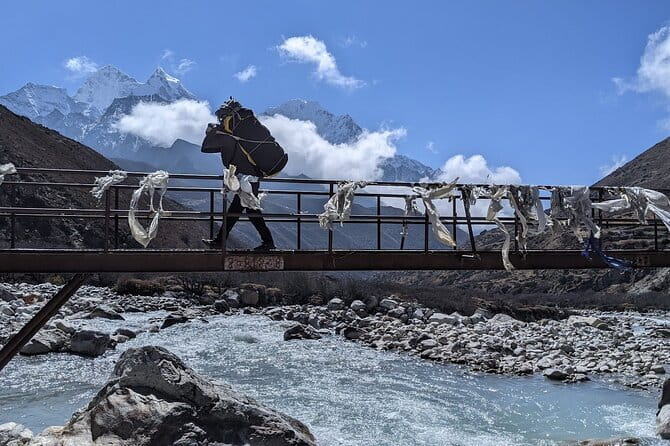
On Day 2, you fly from Kathmandu to Lukla in about 45 minutes, then immediately step into the trekking rhythm. The flight is described as passing over Everest and Kanchenjunga—exactly the kind of first-mountain moment that makes the whole trip feel real fast.
From Lukla, your first walk heads toward Phakding. The route is gentle enough that you can acclimatize rather than spend the first day white-knuckling every switchback. In a normal EBC trek, you’d feel the approach even before the altitude kicks in; here, the helicopter reduces that early stress.
What you should consider: sharing helicopters can mean you’re not choosing your exact departure time. That’s not a problem if you’re flexible, but it’s worth knowing if you’re the type who likes rigid schedules.
Day 3: Phakding to Namche Bazaar via pine forests and the Dudh Koshi
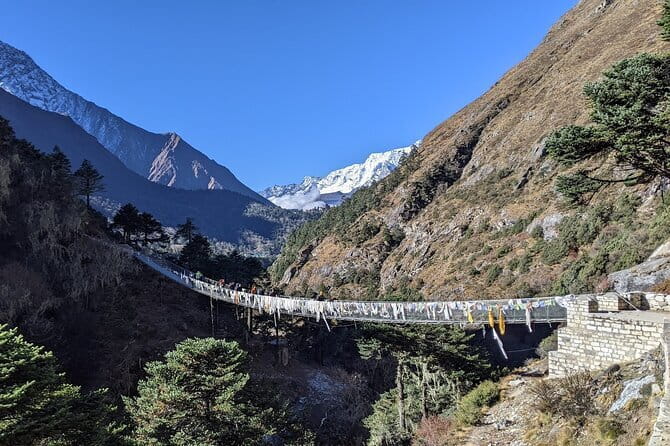
Day 3 is a classic “get in the groove” day. After breakfast, you start from the lower valley region and hike along the Dudh Koshi River through pine forests. The itinerary also includes key crossings and landmarks—like the route that leads you to Monjo and onward toward Namche Bazaar.
Namche is the real social hub of the trail. You’ll feel the change in altitude and energy as you arrive, and you’ll also start noticing how the Sherpa towns are set up for trekkers: lodges, markets, and services aimed at people doing the same route you’re doing.
One practical win: the pacing on Day 3 is structured so the last steeper ascent doesn’t feel like a cliff drop into altitude. You get a more gradual build-up into Namche, which helps when you’re trying to stay comfortable rather than only “tough.”
Day 4: the first acclimatization day (and Everest View Hotel coffee, if you want it)
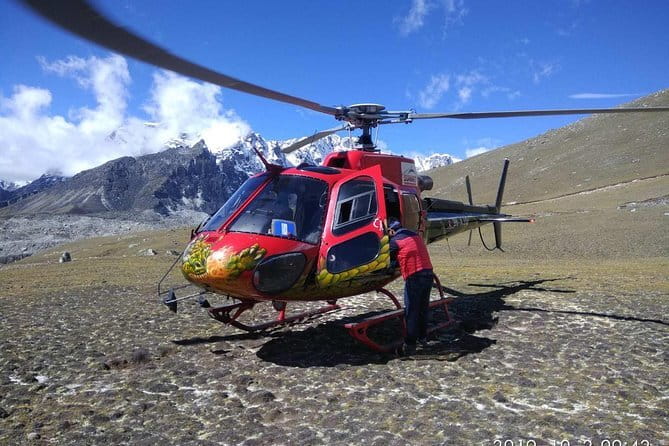
Day 4 is dedicated to acclimatization. You’ll hike up toward Syangboche, which sits around the lap of Khumbila Peak, and the itinerary highlights a stop at Hotel Everest View. That’s the famous high-altitude coffee break option, sitting around 3,880 meters with big-name peaks in view.
Then you return toward Namche Bazaar and have time to explore. This is a day where a “trek” really means: move enough to help your body adjust, but don’t burn your legs.
Why this works: acclimatization isn’t just about whether you can walk uphill. It’s about teaching your body how to function as oxygen levels drop. Syangboche and Namche give you enough altitude stress to help, plus enough structure to keep you safe.
Day 5: Tengboche Gompa and the Imja Khola valley feel
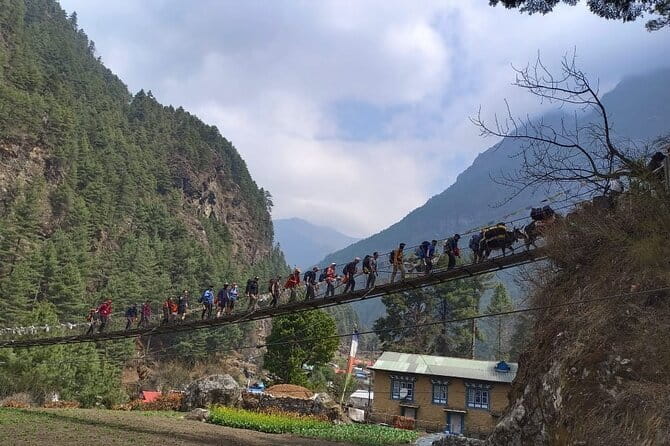
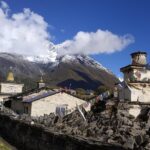
After breakfast, you continue along the Dudh Koshi area, cross a long suspension bridge, and move into the Imja Khola Valley. You’ll reach Tengboche Gompa, one of the well-known spiritual stops on the Everest trail.
This is one of those days where the “why” of the itinerary shows up. You’re not just walking from point to point. You’re threading through the places that define this route—views, village life, and a tangible sense of how local culture and trekking intersect.
If you’re a photo person: this is the kind of day where you’ll want to stop often. Don’t run too fast. Let the light and the cloud cover do their job.
Day 6: Pangboche and the Ama Dablam Lhoatse range vibes
Day 6 continues deeper into the higher villages, including Pangboche Buddhist Bihar. The schedule is described as an early start, then a steady hike with landmark scenery along the way.
This day matters because you’re approaching the section where views often intensify. It’s also where you’ll likely notice the trail feels more “high-country”—less village infrastructure, more prayer flags and quiet stretches, and an atmosphere that’s more about endurance than entertainment.
The practical goal is to keep a steady pace and save energy for the next two days. If you’re tempted to rush because the views look amazing, remind yourself that tomorrow includes a real acclimatization stop.
Day 7: Dingboche acclimatization—climb high, sleep low
Day 7 is your second acclimatization day in Dingboche. The itinerary follows the rule of acclimatization: climb higher, but sleep lower. That’s a big deal because it reduces the risk that altitude will knock you out early in the trip.
After breakfast, you’ll hike to a top point and then return to Dingboche to sleep. This isn’t a time-saver day. It’s a body-saver day.
How to use it well: keep moving, but don’t chase speed. If you feel tempted to “push through” because you want Everest Base Camp ASAP, this is exactly when you should resist. Your best chance of enjoying the later, harder sections is feeling steady later rather than wrecked now.
Day 8: Lobuche and the transition toward glacier terrain
Day 8 shifts toward Lobuche, described as a relatively light day of trekking while still gaining altitude. That balance is important: you need time to adjust to higher elevations, but your body also needs recovery.
The itinerary mentions reaching the wide valley of Dughla and includes memorial points like the one at Thukla (as listed). These stops change the tone of the trek. It stops being about conquering and becomes about context—who came before you and why this route has such emotional weight.
Practical tip: memorial stops are a great moment to slow down. Sit, breathe, and drink water. People often forget hydration at this stage because the trail feels “easier” on paper.
Day 9: Everest Base Camp and the Gorakshep connection
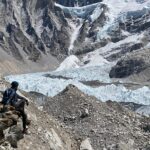
Day 9 is the main highlight: trekking from Lobuche toward Everest Base Camp. You’ll leave Lobuche and trek for about four hours along glacier terrain to reach Gorakshep, then continue toward Base Camp.
The wording suggests you’re on the glacier side of the route, which means footing, cold, and wind will matter more than on earlier village sections. This is where trekking poles and steady steps pay off.
Value of the heli return here: you’re not facing a long trek back out. After seeing Base Camp, the package includes a shared helicopter flight from Everest Base Camp (Gorakshep) to Lukla. That’s the part that turns this from a “full expedition” into a “tight, high-impact experience.”
Day 10: Kala Patthar sunrise—your Everest payoff
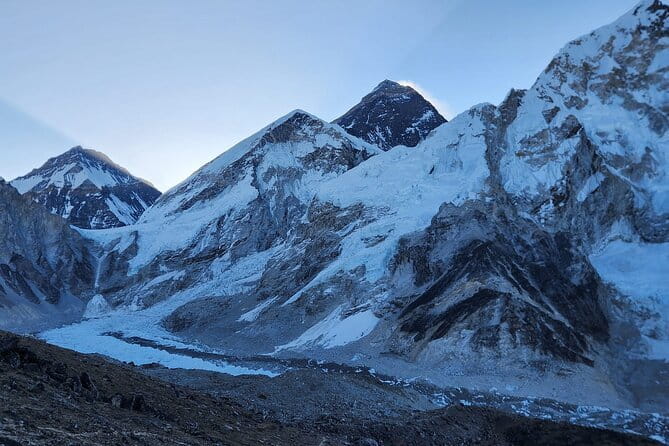
On Day 10, you wake early and hike to Kala Patthar before sunrise. The point is the panoramic view when the light hits Everest’s face and the surrounding peaks.
This is arguably the most “classic” Everest photo moment. You’ll get wide angles that you don’t get from down in the valleys, and sunrise lighting tends to make the mountains look more solid and dramatic.
Then the day ends with the structure your package provides. After your sunrise hike, you’ll wrap up and return to Kathmandu through the included helicopter plan that brought you in.
Deluxe lodges, meals, and the gear that makes the cold manageable
The term deluxe here matters because the package includes twin-share best available lodge accommodation during the trek, rather than bare-bones shelter. The route also includes 10 breakfasts, 8 lunches, and 8 dinners, which helps you plan your energy without worrying where your next meal will come from.
Another strong value item: the trip provides a warm down jacket and sleeping bag rated to -20°C, plus a duffel/bag and a trekking t-shirt. That’s a big savings and comfort win if you’re traveling from abroad and don’t want to rent or buy high-end cold-weather gear.
One small tradeoff: the gear is provided and should be returned after the trip. Keep that in mind for how you pack and where you’ll stash things.
The helicopter ride details that affect your comfort (and your expectations)
This package uses helicopter in two phases:
- Kathmandu to Lukla (sharing), about 45 minutes
- Gorakshep (after Base Camp) to Lukla (sharing)
So you’re not just buying a scenic flight. You’re buying time and energy. That’s why this itinerary works for people with limited time who still want the Everest route.
Still, sharing means your schedule depends on grouping. Your comfort comes from planning for “early and on time,” not from expecting the day to feel totally under your control. Also, helicopter days often feel fast even when the flight time is short, so have a simple routine for water, snacks, and layers.
If you’re prone to feeling stressed by schedule changes, this is the main “headspace” drawback. The trek itself looks structured, but the air portion is inherently less personal.
Guide, porters, and safety support that you can actually feel on the trail
The package is built around a government licensed trek guide, plus helpful porters (listed as one porter for every two people). That porter ratio matters because it reduces the weight you carry during high-altitude trekking.
You’ll also get first aid kits for staff and groups, plus an oximeter. That’s not just a nice-to-have on Everest routes; it’s the difference between “hope you’ll be fine” and “measure and respond.”
The human side comes through in the guide names people connected with on these trips: Rabin is called out for strong pre- and post-trek work. Shiba is noted for communication and attentiveness. Tika is described as safety-focused and encouraging. Pramod and Promod (spelled slightly differently in the notes) are praised for organization and for adjusting to a personal travel style.
In plain terms: when the team shows up organized and flexible, you’ll feel less like you’re managing the trek and more like you’re just doing it.
Price and logistics: what $3,332 buys you (and what it doesn’t)
At $3,332 per person, the price looks steep until you map what’s included. This isn’t just a guided trek. It wraps in:
- Two helicopter segments (to Lukla and out from Gorakshep)
- Kathmandu hotel nights (before and after)
- Twin-share lodges for the trek days
- Permits (Sagarmatha National Park and the Pasang Lhamu Rural Municipality)
- Guide and porter staffing
- Trek gear like the jacket and -20°C sleeping bag
- Meals during the trek window
- A farewell dinner and an achievement certificate
So you’re paying for reduced time on travel, plus the operational pieces that would cost money and effort if you tried to DIY it.
What it doesn’t include matters too:
- Travel insurance that covers rescue/evacuation up to 5,500 meters
- International airfare and Nepal entry visa
- Beverages and snacks
- Kathmandu lunch/dinner meals
If you’re already bringing cold-weather gear and you’d be fine arranging permits and transport yourself, it might feel like overkill. If you want fewer moving parts and a faster, safer rhythm, it looks like decent value for this specific format.
Who should choose this Everest Base Camp deluxe-then-heli setup
This trip is a good fit if:
- You want Everest Base Camp in about 10 days, not a longer stretch
- You’re comfortable trekking in high country but you don’t want the entire adventure to be travel-heavy
- You like structure: permits, lodging, meals, guide, and porter logistics handled
- You’d rather spend money on reducing hassle and cold-gear stress than spending time sourcing equipment
It may feel less ideal if:
- You want total schedule control over helicopter timing
- You’re chasing the “slow travel” version of Everest trail life, with many extra days for villages and detours
- You don’t handle altitude well and need more rest days than this itinerary provides
Should you book this Everest Base Camp trek with helicopter return?
I’d say book it if your top priorities are hitting the big Everest milestones and keeping the trip efficient, while still getting real trekking days and proper acclimatization. The combination of lodge comfort, cold-weather gear, and helicopter time savings is the point of this package, and it’s built into the schedule.
I’d pause if you’re the type who gets anxious when flights are shared or when a tight itinerary doesn’t leave much buffer for illness, weather changes, or fatigue. In a trek at altitude, the “best plan” only works if you stay flexible and honest about how your body feels.
If you do choose it, pack smart, hydrate early, and treat the acclimatization days like they matter—because they do.
FAQ
How long is the Everest Base Camp trek in this package?
The itinerary is about 10 days.
Where does the tour start and end?
It starts at Life Himalaya Trekking in Kathmandu (Narsingh Chowk Marg) and ends back at the meeting point in Kathmandu.
Do I get airport pickup in Kathmandu?
Yes. Private transportation for airport pickup and drop is included.
How does the helicopter part work?
You get a sharing helicopter flight from Kathmandu to Lukla, and a sharing helicopter flight from Everest Base Camp (Gorakshep) to Lukla.
What type of accommodation is included during the trek?
You get twin-share best available lodge accommodation during the trek, plus two nights in a three-star hotel in Kathmandu with breakfast.
What gear is provided for the cold?
You’ll be provided a warm down jacket and a sleeping bag rated for -20°C, and the items are to be returned after the trip.
What meals are included?
Breakfast is included for 10 mornings, and lunches and dinners are included for 8 days each during the trek period.
How much baggage can I bring?
Luggage allowance includes 10 kg for a big bag and 5 kg for a handbag, and luggage can be carried with the porter system.
Does this package include permits?
Yes. It includes the Sagarmatha National Park (Everest) trek permit fee and the Pasang Lhamu Rural Municipality permit fee.
FAQ
Do I need travel insurance for this trek?
Travel insurance is not included, and rescue/evacuation coverage up to 5,500m is specifically listed as not included.
What fitness level should I have?
The trip notes that you should have a strong physical fitness level.