REVIEW · POKHARA
Annapurna: 3 Days Poon Hill Trek (to Kimche & from Hile with 4WD)
Book on Viator →Bookable on Viator
Poon Hill in three days is a smart trade. You get the iconic sunrise over the Annapurna range at 3210 meters, plus real village walking through places like Ghandruk and onward to Ghorepani and Hile. Two things I like a lot: the trip uses 4WD where the track gets rough, so your hiking time feels more like progress and less like vehicle bouncing, and you have an English-speaking guide who can keep your pace steady and answer questions along the way. One drawback to plan for: meals and drinks are not included, so you’ll want cash and snacks ready for tea-house prices.
You’ll also appreciate how the plan is built for people with limited time. There’s hotel pickup and drop-off in the Pokhara area, trekking permits (including TIMS), and basic guesthouse stays are handled for you. In past groups, guides such as Krishna, Biru, Bisham, Prakash, and Dodhi have been praised for being friendly and adjusting to the group’s tempo, which matters a lot on a short trek.
In This Review
- Key highlights you’ll notice fast
- Entering the Annapurna world fast: what this trek really delivers
- Day 1: Pokhara to Kimche by 4WD, then Ghandruk to Tadapani
- Day 2: an 8am start toward Ghorepani and those Annapurna-range views
- Day 3: 4am climb to Poon Hill for sunrise, then down to Hile and back to Pokhara
- 4WD transfers: the smart help, not a cheat code
- Permits, permits, and the stuff you don’t want to scramble for
- The guesthouse reality: simple stays that fit a 3-day plan
- Price and value: is $287.92 per person fair?
- Who this trek suits best (and who might want a longer one)
- How to pace it: simple strategies for a 3-day win
- Quick practical tips before you go
- Should you book this Poon Hill trek?
- FAQ
- What time does the trek start?
- Are trekking permits and TIMS included?
- What transport is included?
- How hard is the trek?
- Are meals included?
- Is accommodation included?
Key highlights you’ll notice fast
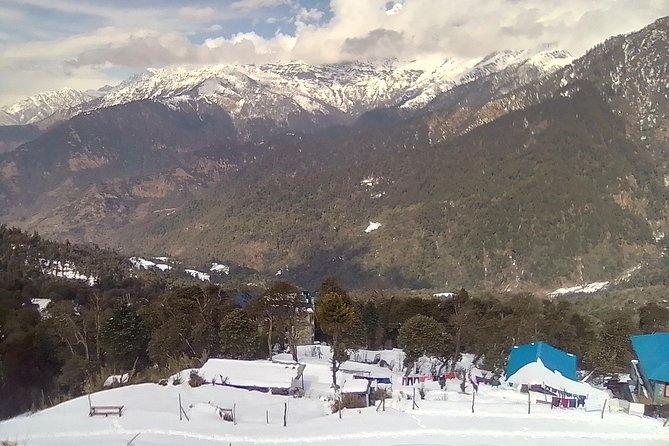
- Annapurna sunrise payoff from Poon Hill at 3210m, reached with a very early start
- 4WD transfers (Kimche/Hile segments) that cut down on bumpy road time
- Village trekking through Gurung areas like Ghandruk, plus tea-house country around Ghorepani
- Good structure for limited time: 3 days, round-trip from Pokhara with overnight guesthouses
- Guide support included: English-speaking trekking guide and their personal expenses are covered
- Permits included: TIMS card and trekking permit are part of the package
Entering the Annapurna world fast: what this trek really delivers
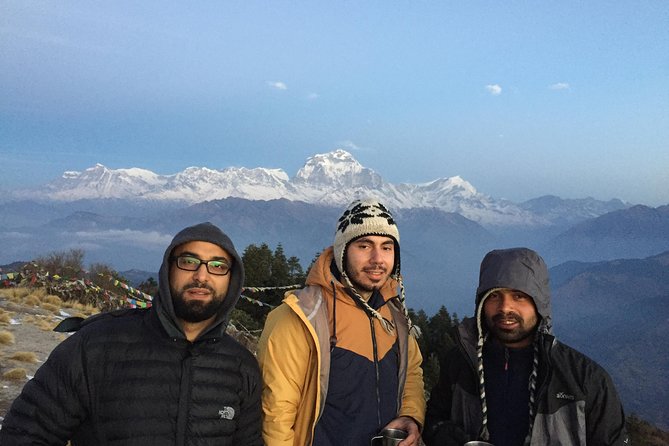
This is a completely trekking trail experience for the walking parts, but the route also uses private 4WD for the off-road segments. Translation: you earn the views with your legs, not your car battery. The main goal is concentrated—get to Poon Hill for sunrise, then connect the dots through classic Annapurna foothill villages.
Because it’s only 3 days, you’ll feel the rhythm quickly. Day 1 is about shifting from road-to-trail and settling into altitude and routine. Day 2 is your longer ridge-and-valley trek to Ghorepani. Day 3 starts before dawn, so you get the best light and the least fog chance, then the day closes with a downhill walk and a 4WD return to Pokhara.
You can also read our reviews of more tours and experiences in Pokhara.
Day 1: Pokhara to Kimche by 4WD, then Ghandruk to Tadapani
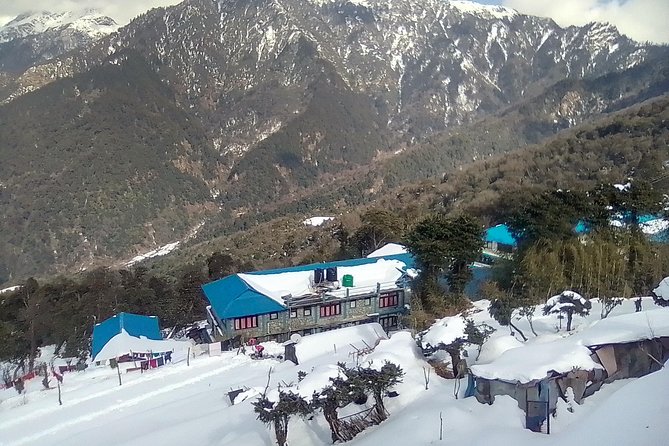
Day 1 starts with a drive from Pokhara (within the Lakeside area) up to Kimche by 4WD, then you begin trekking to Ghandruk. The drive takes about 3.5 hours, and after that you hike onward to Ghandruk—one of the well-known Gurung villages on this side of the Annapurna region.
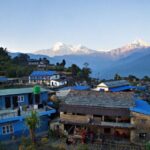
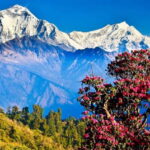
Ghandruk is usually where the trek stops feeling like a climb and starts feeling like travel. You get village life, stone-and-wood tea-house culture, and mountain views that show up in layers as the valley opens. From there, you continue to Tadapani for your overnight stay.
A practical note: Day 1 is typically your best day to find your pace. Don’t sprint early. Tea-house towns are spread out enough that pushing too fast can make Day 2 feel harder than it needs to be.
Day 2: an 8am start toward Ghorepani and those Annapurna-range views
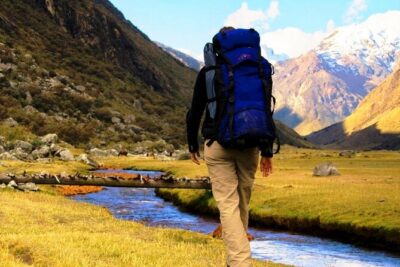
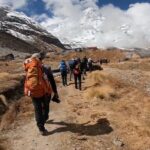
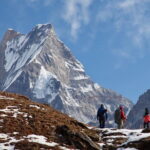
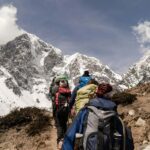
On Day 2, trekking starts around 8:00 am. This is your day for sustained views—Annapurna mountain range perspectives and the feeling of walking through green hills that roll underfoot for hours.
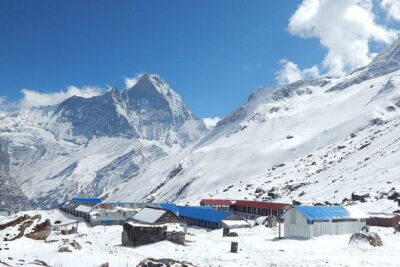
You’ll trek for about 6 hours to reach Ghorepani, a classic stop on many routes in this area. Ghorepani is where the tea-house ecosystem comes into play: you’ll likely have more places to eat and rest compared with smaller hamlets, and it’s also where people gather in the evening because the morning ahead is a big one.
This day’s value is pacing and position. Even if you don’t see everything yet, you’re moving yourself into the best starting point for the Poon Hill sunrise run the next morning.
Day 3: 4am climb to Poon Hill for sunrise, then down to Hile and back to Pokhara
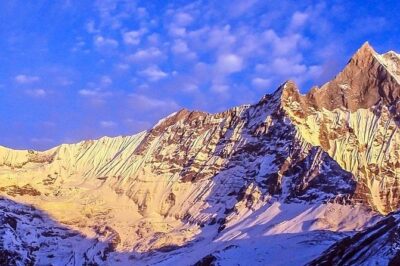
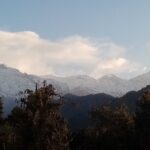
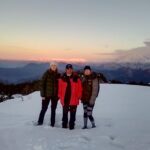
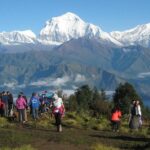
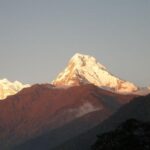
Day 3 is the headliner. You begin the trek to Poon Hill around 4:00 am. The early start isn’t there to punish you—it’s there for light. From Poon Hill, you’re aiming for sunrise over the Annapurna mountain ranges, and that’s exactly the kind of moment that makes short treks worth it.
After sunrise, you hike back down, heading to Hile via Ghorepani. The walking time is about 6 hours total, and then you finish with a 3.5-hour 4WD ride back to Pokhara, ending the trip.
Here’s a consideration I think most people underestimate: mornings are chilly at altitude, then afternoons can warm up as you descend. Dress in layers and plan to be able to shed or add a layer quickly.
4WD transfers: the smart help, not a cheat code
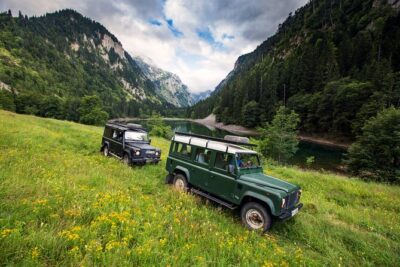
The route includes private round-trip transfer by 4WD Jeep. That means you’re not spending your energy on the roughest off-road sections. You’re still doing the trekking work on the trails, and that’s important because the sights are tied to foot access.
What you should expect:
- Less time dealing with uncomfortable road segments
- More time on the trail where the route feels real and local
- A smoother connection between the stops around Kimche, Ghandruk, Tadapani, Ghorepani, and Hile
What you shouldn’t expect:
- A nonstop, easy ride. The trek days still involve hours of walking.
- A hike that feels like a flat stroll. This is short, not effortless.
Permits, permits, and the stuff you don’t want to scramble for
This package includes the trekking permit and the TIMS card, plus an English-speaking trekking guide. Permits matter on the Annapurna circuit approach because you don’t want day-of surprises. Having them handled for you reduces stress—especially when your trek schedule is tight.
You also get guide support during the trip, including the guide’s personal expenses. That’s a small line item on paper, but it can change the overall feel. It means the guide is working within a stable plan and not constantly juggling logistics.
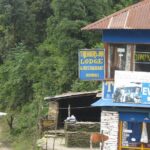
Accommodation is basic guesthouse style as per the itinerary. You should picture simple rooms, shared bathrooms sometimes, and warm blankets that feel like a gift in early mornings.
The guesthouse reality: simple stays that fit a 3-day plan
Because this trek is short, the lodging is intentionally practical. Expect basic guesthouse accommodation for the nights you’re in Tadapani and whichever stop you use on the second night (the route is structured so you’re positioned for the Poon Hill morning).
What you’ll likely appreciate:
- You’re not packing and relocating every few hours
- You can focus on hydration, layers, and sleep
- You can recharge without burning the whole schedule
What you should plan for:
- Your comfort is basic, so bring what you need for sleep comfort and warmth.
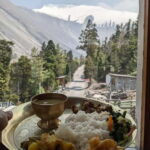
- You’ll rely on tea-house meals for most of your food. The package does not include meals and drinks, though they are available to purchase.
Price and value: is $287.92 per person fair?
At $287.92 per person, this trek looks like more than a budget add-on. But it’s priced like an organized 3-day mountain experience: pickup/drop-off, private 4WD transfers, permits, a guide, and guesthouse nights.
When you compare value, think about what’s included that you’d otherwise pay for separately:
- Private 4WD for off-road segments and the return ride to Pokhara
- TIMS and trekking permit
- English-speaking guide (and the guide’s personal expenses)
- Basic guesthouse accommodation aligned with the trek days
The trade-off is obvious: meals and drinks aren’t included. If you eat just one big meal and keep snacks simple, you’ll manage it. If you want frequent Western-style meals and drinks, your daily total will rise.
I’d also factor in the group style: this is listed as a private tour/activity where only your group participates. For many people, that’s part of the value, because pacing and timing can fit the group better.
Who this trek suits best (and who might want a longer one)
This is a great fit if you want:
- A classic Annapurna foothills experience without committing a full week
- A manageable trek with moderate fitness requirements
- A sunrise moment that’s not theory—you actually walk for it
It may feel short to people who want deep wilderness time and multiple high-altitude stages. But for first-time trekkers, it often hits the sweet spot: structured enough to feel supported, short enough to fit within a Nepal itinerary.
If you’re traveling solo or with mixed fitness levels, guide support becomes even more important. In past treks on this route, guides like Krishna, Biru, Dodhi, Prakash, and Bisham were specifically praised for being friendly, supportive, and adjusting to the group’s tempo.
How to pace it: simple strategies for a 3-day win
You don’t need ultra-training for a 3-day Poon Hill trek, but you do need smart pacing.
- Start conservative on Day 1. You’re transitioning from car time to trail time, not racing.
- On Day 2, treat Ghorepani like your destination, not your finish line. Save energy so Day 3 doesn’t feel like a wall.
- On Day 3, prioritize layers and timing. That 4am start means you’ll want to be ready before you feel fully awake.
Also, plan on altitude affecting you even if you’re not going to the highest points. Warm layers at sunrise are not optional if you run cold.
Quick practical tips before you go
- Bring cash for meals and drinks since they’re not included.
- Expect cold mornings and warm afternoons. Pack for temperature swings.
- Wear shoes you trust on uneven stone paths.
- Use your guide for route rhythm. If your group moves faster or slower, a good guide can adjust so you all arrive together.
Should you book this Poon Hill trek?
If you’re looking for Annapurna views with a real village trek and you only have 3 days, I’d say this is an easy yes. The combination of a Poon Hill sunrise at 3210m, village walking through areas like Ghandruk, and 4WD support where it makes sense makes it feel efficient without feeling lazy.
Book it if:
- You want a short trek that still feels like trekking
- You like sunrise objectives and early starts
- You prefer an organized plan with permits, guide, and guesthouse stays handled
Think twice if:
- You want meals fully included
- You’re expecting a flat hike with zero effort
- You don’t handle cold mornings well (bring layers)
Overall, it’s a solid value way to experience the Annapurna region, with the big moments packed into a tight schedule.
FAQ
What time does the trek start?
The meeting point time is listed as 8:30 am.
Are trekking permits and TIMS included?
Yes. The package includes a trekking permit and TIMS card.
What transport is included?
You get hotel pickup and drop-off, plus round-trip transfer by private 4WD Jeep.
How hard is the trek?
It’s designed for travelers with moderate physical fitness. The trekking is on trails, while off-road sections are handled by 4WD.
Are meals included?
No. All meals and drinks are not included, but you can buy them along the way at tea houses.
Is accommodation included?
Yes. You’ll have basic guesthouse accommodation as per the itinerary.