REVIEW · SAPA
3-Day Trek in Amazing Muong Hoa Valley & ethnic Homestay
Book on Viator →Operated by Vietnam Nomad Trails · Bookable on Viator
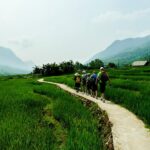
A valley trek in Sapa can be a photo run or a real cultural walk—this one leans real. You’ll move through Muong Hoa Valley with guided hikes between villages, plus sunrise time and ethnic minority encounters that actually help you understand daily life. It’s also capped at a small group size, which keeps the pace friendly.
I love the built-in rice-terrace and countryside scenery focus, because your trail time isn’t wasted on random stops. I also like the chance to meet ethnic communities like the Hmong and the Red Dzao, with time to learn about customs and traditions as you walk between places.
One thing to consider: this is trekking with solid hours on your feet (about 4 to 7 hours per day). It requires moderate physical fitness, and the experience depends on good weather—so plan to be flexible with footwear and timing.
In This Review
- Key Highlights You’ll Feel on the Trail
- Muong Hoa Valley Trekking: Why This Route Works So Well
- Getting Started in Sapa Town: 9:15 Pickup and a Small-Group Pace
- Day 1 Into Lao Chai and the Y Li Area: Hmong Country Views
- Day 2: Ta Van Breakfast, Bamboo Forest Walking, and Red Dzao at Giang Ta Chai
- Day 3: Ban Ho Sunrise in the Valley, Then Nam Tong to Red Dzao Traditions
- Meals on the Trail: What’s Included (and What You’ll Still Need)
- Homestay-Style Village Time: Learning Without the Museum Feel
- Price and Value: What You’re Really Paying for at $109
- Who This Trek Suits (and Who Might Prefer a Gentler Day)
- Practical Tips I’d Use Before You Go
- Should You Book This 3-Day Muong Hoa Valley Trek?
- FAQ
- How long is the trek?
- What’s the price per person?
- Where does the tour start and end?
- What time do we start?
- How big is the group?
- What kind of fitness level do I need?
- Are meals included?
- Is the guide English-speaking?
- What’s included and not included?
- Is cancellation possible if weather is bad?
Key Highlights You’ll Feel on the Trail
- Muong Hoa Valley hiking route with multiple village connections, not just viewpoints
- Rice-terrace photo opportunities along the way, timed for good daylight
- Ethnic visits including Hmong (Lao Chai) and Red Dzao communities (Giang Ta Chai, Nam Tong)
- Sunrise experience in Ban Ho Valley on day 3 for early-morning atmosphere
- English-speaking guidance plus a small max group size of 14 for smoother turns
Muong Hoa Valley Trekking: Why This Route Works So Well
Muong Hoa Valley is the kind of place where you understand Sapa fast—terraces, narrow paths, and villages stitched into the hills. What makes this 3-day trek practical (and satisfying) is how the schedule keeps you moving through the valley’s main human geography, not just across it.
On this route, you’re walking between places inhabited by ethnic minority groups, and that matters. You aren’t only collecting views; you’re getting context for the scenery. Rice terraces are beautiful, but they’re also work—people live around them, manage fields, and shape the land. When you see that life up close, your photos feel more meaningful.
The other big plus is the rhythm. Day 1 and day 2 are longer hike days, and then day 3 trims down to a shorter trek after sunrise. That’s a smart structure for most first-timers who want a real trek without trying to win a marathon.
Getting Started in Sapa Town: 9:15 Pickup and a Small-Group Pace
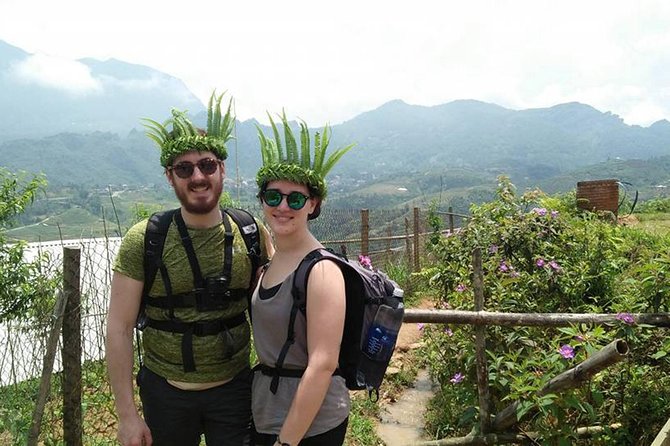
You start from Sapa with a guide pickup around 9:15 AM (with the start point listed at 15 Tuệ Tĩnh). If you’re staying in Sapa Town, this is the kind of start time that feels human—early enough to use the day, not so early that your coffee has no meaning yet.
This is run for small groups, with a maximum of 14 travelers. That matters on narrow paths and in village areas where space is limited. Smaller groups also mean the guide can manage pace and regrouping more easily.
You’ll also travel by an air-conditioned vehicle as part of the transfers. You’re not spending the whole day in a van, but you’re covered for the parts where getting to trailheads matters.
And yes, it’s an English-speaking tour guide. That’s a big deal for this kind of trek, because part of the value is understanding what you’re seeing—customs, village life, and the reasons behind how people use the land.
Day 1 Into Lao Chai and the Y Li Area: Hmong Country Views
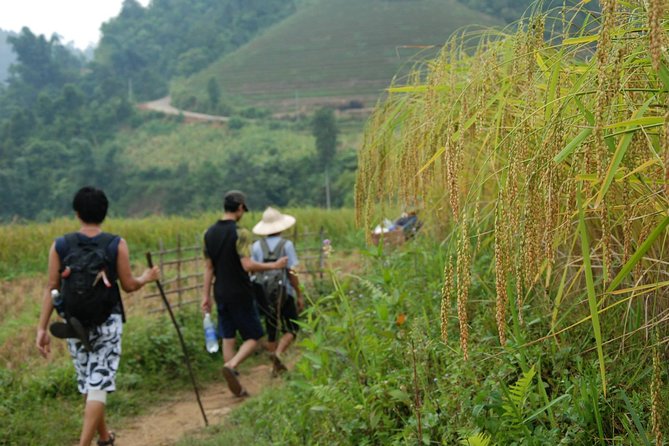
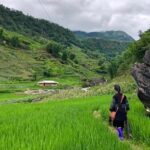
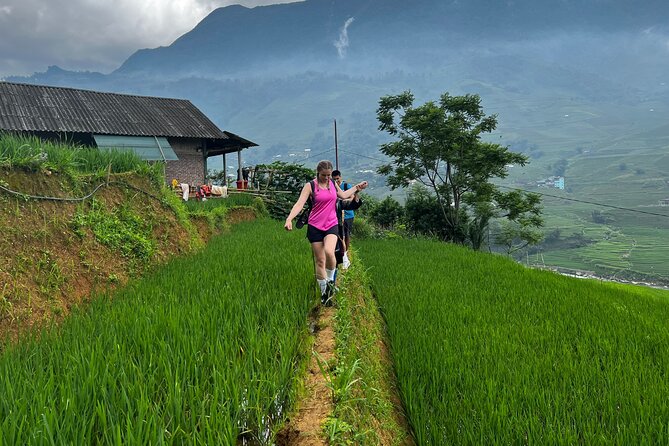
Day 1 focuses on Muong Hoa Valley trekking toward Lao Chai, an area inhabited by the Hmong ethnic minority. You’ll head out from Sapa with your guide and start walking through countryside sections, including the Y Li area (exact trail details can vary by conditions, but the route is centered on the valley paths toward Lao Chai).
Why this day works:
- You get your first big “Sapa moment” early—terrace scenery and hillside villages right away.
- Starting with Lao Chai means you begin your cultural learning with a clear community context (Hmong life in the hills).
- The day length is about 6 hours, which is a solid introduction without immediately crushing your legs.
What to watch for:
- Day 1 is a longer active day, so you’ll want to start with good snacks and water even if meals are included later.
- Terrain in the valley can be uneven. Wear shoes you trust on slippery or muddy ground.
By the end of day 1, you should feel like you’ve actually entered the valley—not just passed through it.
Day 2: Ta Van Breakfast, Bamboo Forest Walking, and Red Dzao at Giang Ta Chai
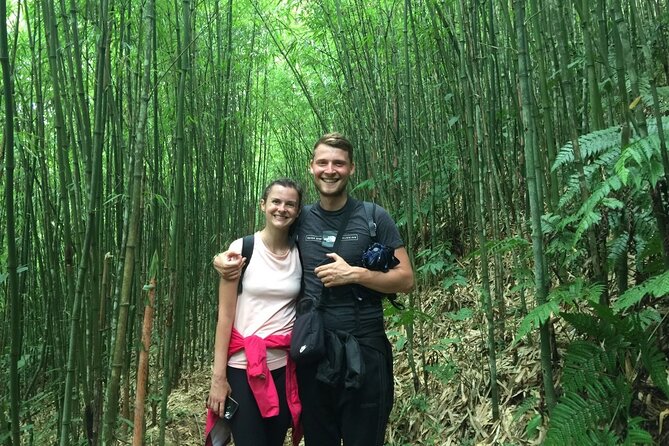
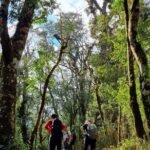
Day 2 begins with a local breakfast, then you trek from Ta Van village. From there, you walk through a bamboo forest toward Giang Ta Chai, where people from the Red Dzao ethnic minority live.
This is the day I’d call the most “walkable scenic variety.” You’re not stuck in one kind of scenery. You’ve got village-to-village movement, bamboo shade, and open countryside views that let you reset your eyes between cultural stops.
Why day 2 is a favorite for many people:
- Bamboo forest trekking gives you a break from glare and heat, plus it feels different underfoot.
- The Red Dzao visit at Giang Ta Chai continues the cultural thread, so your learning isn’t random.
- The hike is about 7 hours, so it’s substantial—but you’re still getting varied scenery to make the time pass quickly.
Practical consideration:
- Since day 2 is the longest hike day, plan your energy. If you’re prone to overheating, take it slow on steep bits.
- Bring a layer you can adjust. Valley weather can shift, and you’ll feel it when moving from shaded forest sections to exposed paths.
Day 3: Ban Ho Sunrise in the Valley, Then Nam Tong to Red Dzao Traditions
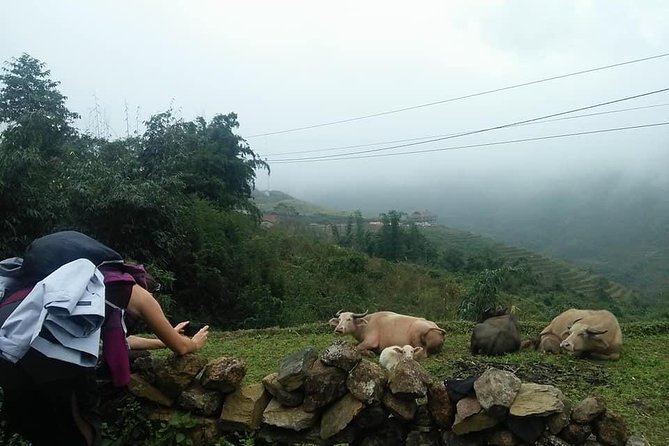
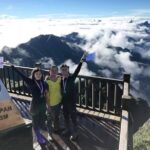
Day 3 is shorter on paper—about 4 hours—but it starts with the kind of timing that makes it special: sunrise in Ban Ho Valley.
After breakfast, you enjoy that early light and then start the short trek to Nam Tong village, inhabited by the Red Dzao. You then return to Ban Ho village for lunch.
Why sunrise here works:
- Early morning light is softer and makes the terraces and valleys look more dimensional.
- It’s quieter. Even if you’re in a group, it doesn’t feel like a crowded attraction day.
What to consider:
- Sunrise means you’ll be awake earlier than a typical tour day. If you’re not a morning person, still go—the view payoff is the whole point of this day.
- The Red Dzao connection continues here, so you end the trek with cultural continuity rather than hopping to yet another setting.
Meals on the Trail: What’s Included (and What You’ll Still Need)
This tour includes:
- Breakfast (2)
- Lunch (3)
- Dinner (2)
- Plus guidance, transfers by vehicle, and an English-speaking tour guide
That meal coverage is a real value piece. Many low-cost treks undercut the experience by not feeding you properly, leaving you scrambling for snacks and instant noodles along the way. Here, you’re covered for the main meals, so you can focus on the walk.
Still, you’ll likely want personal backup:
- Water (always)
- A few extra snacks for long breaks
- Sunscreen and basic blister care
Personal expenses aren’t included, so treat that as your “unknowns” bucket—snacks, drinks outside meal plan, and anything you pick up in town.
Homestay-Style Village Time: Learning Without the Museum Feel
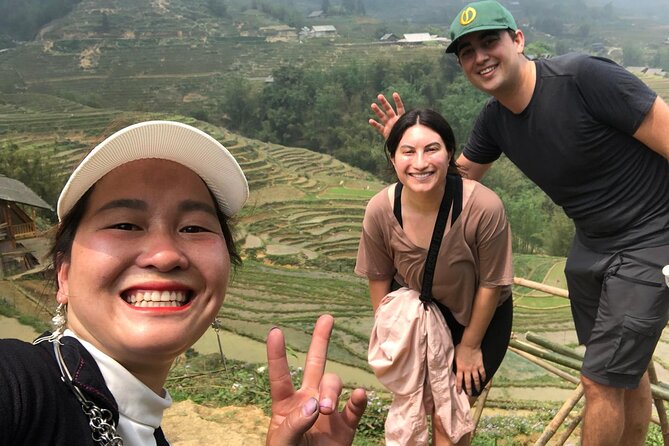
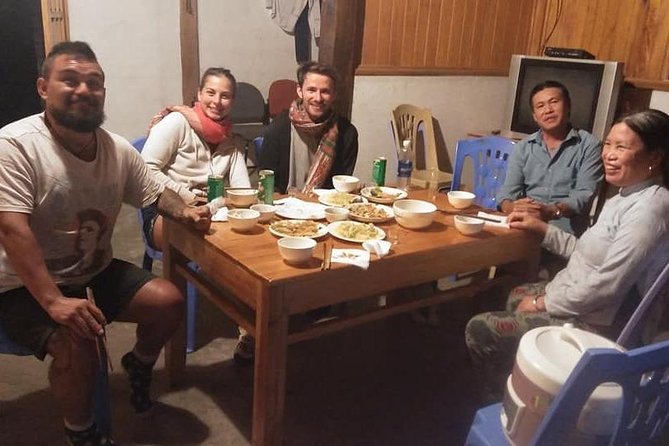
The tour title includes ethnic Homestay, and the overall structure is clearly built around meeting ethnic minority people in their villages. Even when you’re not in a formal museum setting, you’re still on their land, in their daily rhythm.
Here’s what that means in real-world terms:
- You’ll likely spend time in or near village areas where daily practices are part of the background.
- Your guide plays a key role in helping you interpret what you see—customs, village life, and how people organize work and community.
One advantage of doing this inside a trek is that it’s not a quick drive-by. You arrive with the walking context, and you’re already moving through terrace country and village paths, so the cultural moments feel less staged and more grounded.
Price and Value: What You’re Really Paying for at $109
At $109 per person for a 3-day trek, the value is mostly in the package, not in any single line item.
You’re paying for:
- A guide (English-speaking) who can explain what you’re seeing and keep the route moving
- Air-conditioned vehicle transfers for the non-walking parts
- Meals across the days (breakfasts, lunches, dinners are included)
- A small-group structure (max 14 travelers)
- Village-to-village hiking time through Muong Hoa Valley and ethnic areas
You also get practical booking perks: the tour uses a mobile ticket and offers group discounts, and it’s typically booked about 25 days in advance on average. That suggests there’s steady demand for this specific trekking style.
Is it “luxury”? No. But it’s a solid value if you want real walking days, cultural access, and meal coverage without building your own schedule from scratch.
Who This Trek Suits (and Who Might Prefer a Gentler Day)
This experience is best for you if:
- You want a moderate physical challenge and can comfortably hike multiple hours a day
- You like scenery with context—rice terraces, villages, and cultural encounters
- You prefer an organized route with an English-speaking guide rather than self-navigating trails
It may not be the best fit if:
- You want a very easy, short hike with long stops and minimal walking
- You’re sensitive to early starts, since day 3 includes sunrise timing
- You’re not comfortable with uneven ground and some steep stretches typical of valley trekking
A helpful detail: the group cap at 14 usually makes the pace feel manageable for most people who show up prepared.
Practical Tips I’d Use Before You Go
A trek in Sapa punishes sloppy planning, even when the itinerary looks friendly on paper. Here’s what you’ll thank yourself for later.
Footwear and layers
- Wear shoes with grip and ankle support.
- Bring a light layer for mornings, especially for sunrise day.
Photo timing
- Day 3 sunrise is your best “soft light” photo shot.
- Day 1 and day 2 likely bring bright terrace views; sunglasses help, and so does a hat.
Energy management
- Even with meals included, you’ll feel better if you carry small snacks.
- Start day 1 with a steady pace. Your legs will thank you on day 2.
Guide and group
- If your guide is named Lang, you can expect a calm, structured trekking style based on one well-rated experience that specifically mentions Lang guiding a multi-day countryside trek. You shouldn’t count on a specific name, but it’s a good reminder to pay attention to how your guide sets pace and manages regrouping.
Should You Book This 3-Day Muong Hoa Valley Trek?
If you want a trek that blends scenery + village encounters (not just scenery), this is a strong pick. The meal inclusion, English-speaking guide, small group size, and the sunrise moment in Ban Ho Valley make it feel like a complete experience for the money.
I’d book it if:
- You can hike about 4–7 hours per day
- You value cultural learning tied to where people live and work
- You want a guided route that removes the planning headaches
I’d think twice if:
- Your schedule is locked and you can’t tolerate weather-dependent changes
- You’re looking for a low-effort walk or minimal time on the trail
Overall: it’s a well-rated trek with a structure that makes sense—two longer days, one shorter wrap-up day with sunrise. For many people, that mix is exactly the “3-day sweet spot.”
FAQ
How long is the trek?
It runs for 3 days (about 3 days).
What’s the price per person?
The price is $109 per person.
Where does the tour start and end?
It starts at 15 Tuệ Tĩnh, Việt Nam, Sa Pa, Lào Cai, Vietnam and ends back at the meeting point.
What time do we start?
The start time listed is 9:00 AM, and pickup is described around 9:15 AM from Sapa Town.
How big is the group?
The tour has a maximum of 14 travelers.
What kind of fitness level do I need?
You should have moderate physical fitness, since you’ll be trekking several hours each day.
Are meals included?
Yes. Breakfast (2), lunch (3), and dinner (2) are included.
Is the guide English-speaking?
Yes, it includes an English speaking tour guide.
What’s included and not included?
Included: air-conditioned vehicle, English speaking guide, and the meals listed above. Not included: travel insurance and personal expenses.
Is cancellation possible if weather is bad?
You can cancel for a full refund up to 24 hours in advance. The experience also requires good weather; if canceled due to poor weather, you’ll be offered a different date or a full refund.