REVIEW · SAPA
Sapa Easy Trekking Tour 1 Day – Rice Paddies and Cultures
Book on Viator →Operated by Trekking Tour Sapa · Bookable on Viator
Rice terraces and village stories in one short day. This Sapa day trek blends rice paddies with visits to Black Hmong and Red Dao villages, plus Ta Phin’s cave, so culture and scenery stack up quickly. I especially like the small-group feel (max 2) and the up-close way you see village life through working animals such as water buffalo, chickens, dogs, and pigs. The main catch: even if it’s called easy, you still hike down and across sometimes slippery slopes, so bring proper shoes and take your time.
You start at 9:00 am, meeting near Sapa Church (and pickup can be arranged in town). Transport back to Sapa is included, and you get a vegetarian lunch, which keeps the day simple—no scrambling for food between stops.
Guides often share real-life stories from the Hmong community, including names like Pang or Zhu from past groups, and the route can reach about 1,900m. That’s part of the magic here, but it also means weather can matter, and your pace needs to feel right for you.
In This Review
- Key things I’d look for before you go
- Quick reality check: what easy means on Sapa trails
- Price and what you actually get for $40
- Morning start: pickup near Sapa Church and into the Suoi Thau area
- Seeing Black Hmong village life up close (and why animals matter here)
- Ta Phin cave stop: a famous Sapa reference point on this route
- Rice paddies and mountain views: the scenery that makes the work feel worth it
- Red Dao village visit: why the contrast is the point
- The guide matters: what I’d ask for at the start
- What to bring (so you’re comfortable on the slopes)
- Pace, altitude, and how to make the day feel easy
- Who should book this tour (and who might reconsider)
- Should you book the Sapa Easy Trekking Tour 1 Day?
- FAQ
- What time does the tour start?
- How long is the tour?
- Is pickup available?
- What’s included in the price?
- Is lunch included, and is it vegetarian?
- Is bottled water included?
- What if weather is poor?
Key things I’d look for before you go
- Small group (maximum 2 travelers) means more conversation and fewer crowds on the paths
- Village entry fees and transport back remove a lot of day-hassle
- Ta Phin cave is built into the day, so you’re not just walking for views
- Black Hmong first, then Red Dao village exposure gives you contrast in daily life
- Around 5.5 hours on foot with moderate fitness expectations
- A lunch plan with vegetarian food and a small bottle of water included
Quick reality check: what easy means on Sapa trails
Sapa tourism often sells easy. This tour is better described as an easy-going trek with moderate hiking effort, not a stroll. Expect a downhill start early on, plus uneven footpaths where you’ll want traction.
What I like is that the day is organized so you’re not just walking for hours without context. You’re heading into cardamom valleys, then into villages, and you’re also getting a named highlight: Ta Phin’s cave. That structure helps the hiking feel meaningful.
The drawback is straightforward: wet ground can happen. If you’re sensitive to slippery slopes, tell your guide early and keep a steady pace.
Price and what you actually get for $40
At $40 per person for about 5 hours 30 minutes, this tour is priced like a value day with the important pieces bundled. You get a local guide, village entry fees, and round-trip transport back to Sapa—that alone cuts down the cost of planning and taxi logistics.
Lunch is included, and it’s vegetarian. One practical note: the included lunch doesn’t cover drinks at the restaurant or homestay, so if you like iced coffee, soft drinks, or anything cold with your meal, budget a little extra.
You also get 1 small bottle of water. It’s useful, but it’s not designed to replace your own water strategy—especially if you run warm on uphill stretches.
Morning start: pickup near Sapa Church and into the Suoi Thau area
Your day starts at 9:00 am. The meeting point is near Sapa Church, and pickup may be offered from your hotel in Sapa town, depending on where you’re staying.
After a short introduction, you head toward a small trail where you can see cardamom trees in the valleys. That early stop is more than a photo break. It sets the scene for how the landscape supports daily work and local food and trade.
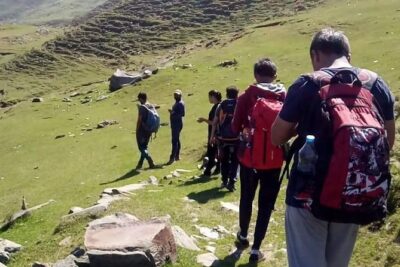
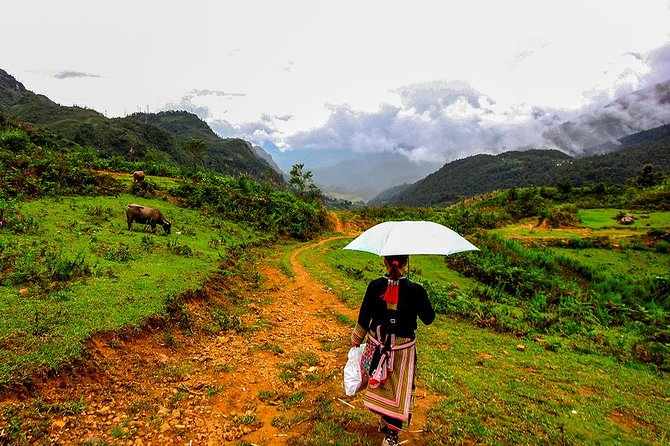
Then the walking begins down toward Suoi Ho, a small village of the Black Hmong community. This section is where the terrain starts to matter. If it’s damp or foggy, take it slow; your feet do the work today, not your shoes’ fashion sense.
Seeing Black Hmong village life up close (and why animals matter here)
In Suoi Ho, you’ll have a chance to see traditional village life in a compact setting. Houses are described as old and small, and that detail helps you understand you’re not touring a theme park.
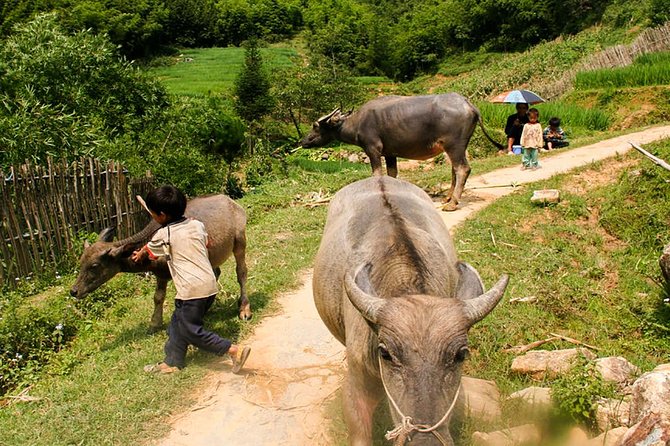
You’ll also meet the everyday animals that rural families rely on: water buffalo, chickens, dogs, and pigs. This part is surprisingly grounding. You’re not just hearing about culture—you’re seeing how people share space with the animals that support their routine.
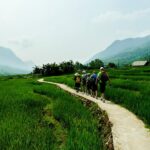
You’ll move through rice terrace views and mountainous scenery as you go. The walk here is the connection between village stops; it’s not a separate sightseeing day.
If you’re hoping for maximum comfort, plan for it to be outdoors, with changing light. A thin rain layer and good grip on your soles will make this part feel a lot less stressful.
Ta Phin cave stop: a famous Sapa reference point on this route
A key highlight is Ta Phin’s cave. It’s included as part of the day with an admission ticket, so you’re not just guessing whether it’s worth the time.
Why include a cave on a trek day? Because it gives you a break in rhythm. You’re walking in open air, then you shift into a different environment—cooler, quieter, and a bit more sheltered. Even if the cave itself isn’t your main interest, it’s a clear landmark that breaks up the trek.
Caves also tend to create better “memory anchors.” You’ll remember the turn in the path and the moment you arrive, not just the general direction you walked.
One practical consideration: bring something secure for your phone. If it’s humid, sweaty hands plus cave humidity can be a recipe for slippery handling.
Rice paddies and mountain views: the scenery that makes the work feel worth it
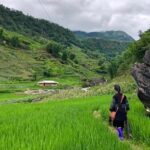
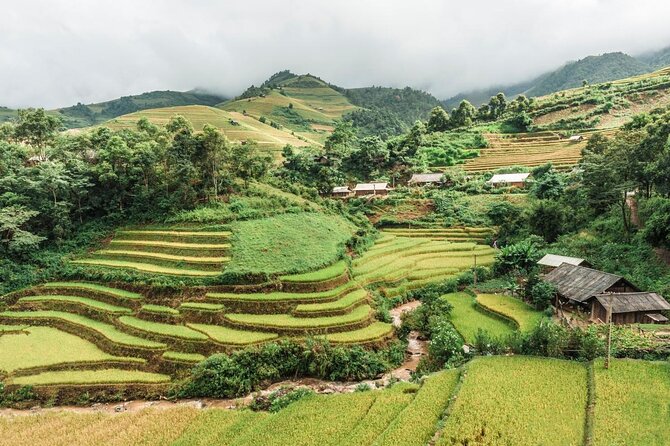
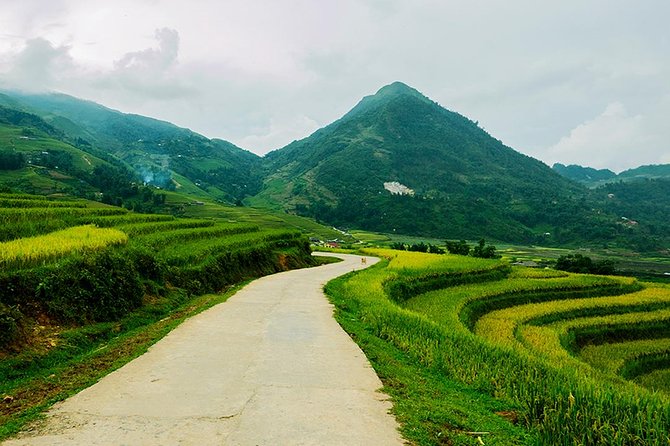
Even with culture stops, Sapa is still about the views. This tour is designed to show rice paddy terraces while you’re walking between points, not as separate, drive-to-view stops.
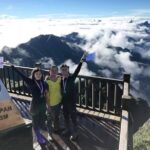
You’ll pass viewpoints that combine terraces with mountain backdrops. In clearer weather, this is the part that makes people say the day feels spectacular.
But don’t plan your whole trip around perfect visibility. Sapa can change fast, and fog happens. The good news: even when views soften, the walk through village paths and fields still holds meaning.
Red Dao village visit: why the contrast is the point
Over the full route, you visit two different communities: Black Hmong and Red Dao. That contrast is one of the strongest reasons to choose this specific tour style rather than a single-village walk.
The Black Hmong segment gives you a feel for small village structure and everyday animal life. The Red Dao village stop adds a different cultural angle, so your day doesn’t turn into one repeating pattern.
This contrast also helps you avoid a common tourist trap: collecting one version of rural life and assuming it’s the same everywhere. Here, you get enough variation within one short day to start comparing how each community lives, adapts, and organizes daily life.
The guide matters: what I’d ask for at the start
Small-group tours are only as good as the guide interaction. This one is built around a local Hmong guide, and past groups have been led by people named Pang or Zhu, who share stories about life as a Hmong ethnic minority woman.
I’d suggest doing two things early:
- Ask about what you’re seeing right now: cardamom, terrace farming, animals, or house layout.
- Ask how the trail looks today (especially if it has rained). Then you’ll know whether to go steady or speed up a bit.
Good guiding turns a “walk through” into a conversation. It also helps with pacing. If you need slower steps, this is the moment to say it—before you’re stuck trying to catch up through slick sections.
What to bring (so you’re comfortable on the slopes)
This is a moderate hike. Your biggest comfort boosters are simple.
Wear shoes with traction. If you only bring sneakers with smooth soles, you’ll feel it on damp patches. Bring a light rain layer even if the morning looks fine. The tour depends on good weather in general, and Sapa weather can shift.
For small items:
- Keep your phone secure and dry.
- Bring a hat or sunglasses if the sun breaks through after fog.
- Use a light daypack so your hands stay free for balance when the ground gets uneven.
For food and drinks:
- Lunch is included and vegetarian, but drinks aren’t. Plan to buy what you want after meals.
- You get 1 small bottle of water, so if you sweat easily, carry extra.
Pace, altitude, and how to make the day feel easy
The trek climbs to around 1,900m. That altitude usually isn’t extreme, but it can still make you breathe harder, especially if you’re not used to it or you start too fast.
The most useful tactic is patience. Start your day at a calm rhythm, especially on the downhill-to-village stretches. If you rush, you’ll feel it in your legs on the later parts.
And if you’re the type who needs a slower tempo, ask the guide at the beginning. A pace mismatch can turn an otherwise friendly trek into a stressful one, especially when the ground is slick.
Who should book this tour (and who might reconsider)
This tour suits you if you want:
- Culture plus short trekking in a single half-day format
- A small group where you can actually talk with the guide
- Rice terrace scenery and a known highlight (Ta Phin cave)
- A vegetarian lunch plan that’s included
It might not fit you as well if you hate uneven trails or you need fully flat walking. The label easy can be misleading if you expect a gentle promenade.
If you’re traveling with kids, or someone with mobility limits, you’ll want to think carefully. The day lists moderate physical fitness expectations, and the terrain includes downhill and slippery areas.
Should you book the Sapa Easy Trekking Tour 1 Day?
I think you should book it if you want a practical “Sapa sampler” that actually includes villages, not just viewpoints. At $40, with lunch, transport back, village entry fees, a local guide, and Ta Phin cave admission included, the value is strong—especially in a small group of up to 2.
I’d only skip or swap it if you need a very low-effort walk or you’re uncomfortable with damp, uneven trail sections. In that case, look for a gentler option and keep this one for a time when you know you’ll have good footing and steady weather.
If you do book, go in with the right expectations: easy in spirit, moderate on the ground. Then you’ll enjoy the real payoffs—Black Hmong and Red Dao villages, rice terraces, and a cave stop that gives the day a real shape.
FAQ
What time does the tour start?
The tour starts at 9:00 am.
How long is the tour?
It lasts about 5 hours 30 minutes (approx.).
Is pickup available?
Pickup is offered, and you’ll meet near Sapa Church (pickup may also happen from your hotel in Sapa town).
What’s included in the price?
Included items are a local guide, lunch (vegetarian), village entry fees, transport back to Sapa, 1 small bottle of water, and a mobile ticket. An admission ticket is also included for Ta Phin.
Is lunch included, and is it vegetarian?
Yes. Lunch is included, and it’s vegetarian.
Is bottled water included?
A small bottle of water is included. Extra drinks are not included.
What if weather is poor?
The experience requires good weather. If it’s canceled due to poor weather, you’ll be offered a different date or a full refund.