REVIEW · SICILY
Etna Grantour – 4×4 & trekking – Private tour with lunch included
Book on Viator →Operated by EtnaExcursion.it · Bookable on Viator
Volcano day, but with good shoes and lunch. This Etna Grantour blends morning trekking with an afternoon 4×4 ride, plus a real food stop on the slopes. It’s a full Etna outing that trades generic viewpoints for hands-on views of how the mountain works—from lateral cones to lava tubes.
Two things I really like: the route covers multiple sides of Etna, and you’re not just looking—you’re walking (about 8–10 km) and then stepping inside a volcanic cave with a helmet and lights. The main consideration is that it does require moderate fitness and closed or trekking shoes are compulsory (you can hire them, but plan ahead), especially with the morning trek.
In This Review
- Key highlights you should care about
- Etna Grantour in one sentence: walk, ride, taste, repeat
- The morning trek: 8–10 km that’s worth planning for
- Stop 1: Mount Etna viewpoints and the big idea—Etna isn’t a wasteland
- Stop 2: The Silvestri craters and the 1892 eruption cones
- Stop 3: Grotta Intraleo—lava tubes explained underground
- The farm stop at MontataGrande: lunch plus tastings on the Etna slopes
- Stop 4: Valle del Bove—the natural amphitheater feeling
- Stop 5: How the day stays coherent (instead of feeling like a checklist)
- Who this tour suits best
- Guide energy and the vibe you’re likely to get
- Value check: is $168.19 per person a fair deal?
- What to know before you go (so the day runs smoothly)
- Should you book Etna Grantour?
- FAQ
- What’s included in the Etna Grantour tour?
- Is lunch included?
- How long is the tour?
- Where does the tour start?
- Is pickup available?
- What should I wear?
- How physically demanding is it?
Key highlights you should care about
- 8–10 km morning trekking on Etna slopes, then 4×4 cruising later to keep the day fun, not exhausting.
- Silvestri lateral craters: short stop, big visuals from the 1892 eruption cones.
- Grotta Intraleo visit with speleologist helmet and lights to understand lava-tube formation.
- MontataGrande farm lunch + tastings of Etna and Sicilian products (including wine, liqueurs, oil, honey, pistachio).
- Small group size, max 8 travelers, which usually means fewer delays and more time for questions.
- A stop at Valle del Bove, the classic natural amphitheater view from ancient collapse zones.
Etna Grantour in one sentence: walk, ride, taste, repeat
If you want Etna without the usual back-and-forth, this format makes sense. You start with a morning on foot, then switch to a 4×4 for the broader Etna views. Between the two, you get a cave visit and a farm lunch that turns the day from scenic to actually memorable.
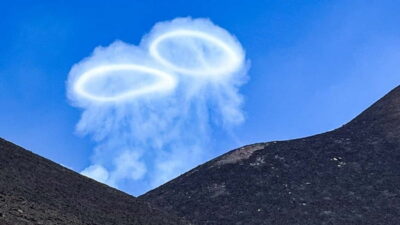
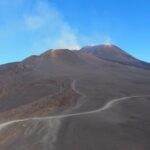
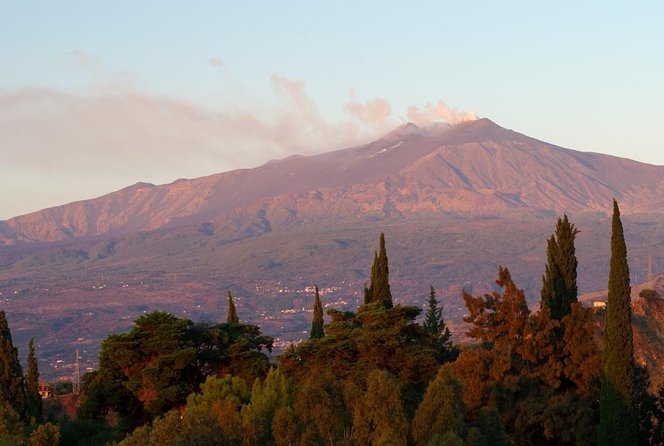
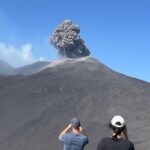
And yes, Etna is active. The prize here isn’t trying to predict eruptions; it’s learning how the volcano shapes the area. Etna’s altitude changes fast—from sea level up to about 3329 meters—so you get very different conditions in a small space. That helps explain why the slopes can look both harsh and surprisingly livable.
You can also read our reviews of more tours and experiences in Sicily.
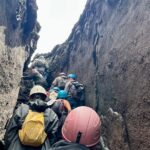
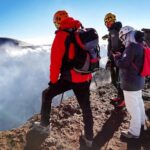
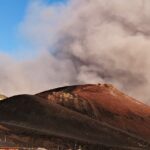
The morning trek: 8–10 km that’s worth planning for
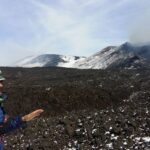
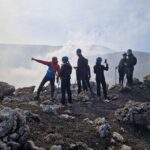
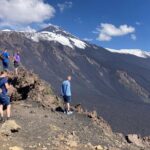
The core of the day is the morning trekking portion (about 8–10 km). This is where you’ll feel most connected to Etna, because you’re moving through the terrain instead of just stopping at it.
A few practical points for you before you commit:
- Bring closed or trekking shoes. The tour states that’s compulsory, and good traction matters on volcanic ground.
- Aim for a moderate fitness level. The day is long (about 9 hours total), so don’t treat the trek like a casual stroll.
- Expect some elevation and uneven footing. Even if the route isn’t described in detail, “trekking” on a volcano usually means you’ll want flexibility in your pace.
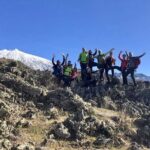
This is also where the small group size helps. With a max of 8 travelers, you’re less likely to get stretched out too far, and it’s easier to ask questions when something in the rocks or surroundings catches your eye.
Stop 1: Mount Etna viewpoints and the big idea—Etna isn’t a wasteland
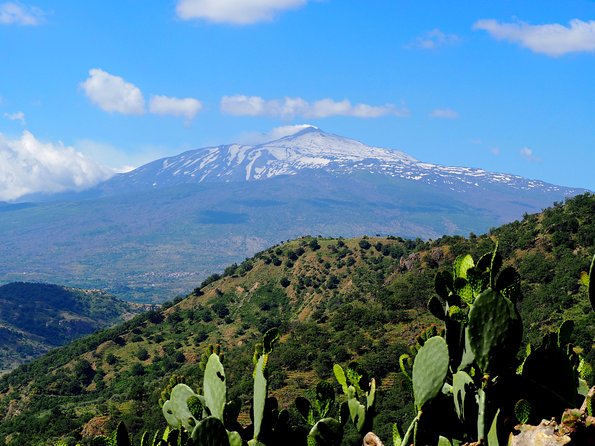
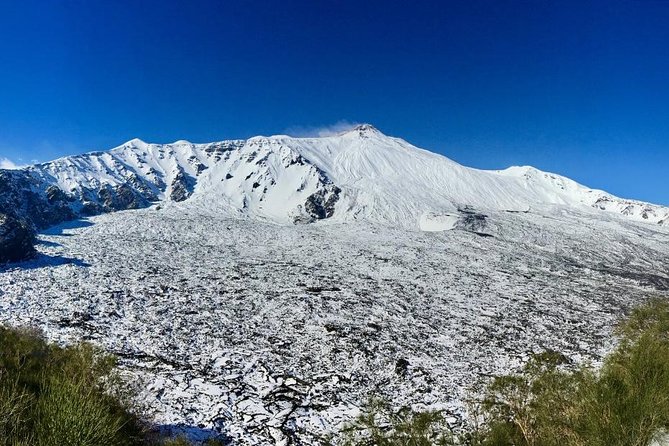
Your first major focus is Mount Etna itself. The way this experience frames the mountain is key: Etna isn’t simply bare volcanic rock. Because Etna spans from sea level to over 3000 meters, it creates varied ecosystems and conditions.
That matters because it changes what you’ll notice as you go—different textures, different vegetation zones you pass through, and the sense that this is a living mountain. People have learned to live there for a long time, and the names locals use reflect that long relationship. When you understand that, the volcano stops being just a dramatic headline and becomes a real geography you can read.
Stop 2: The Silvestri craters and the 1892 eruption cones
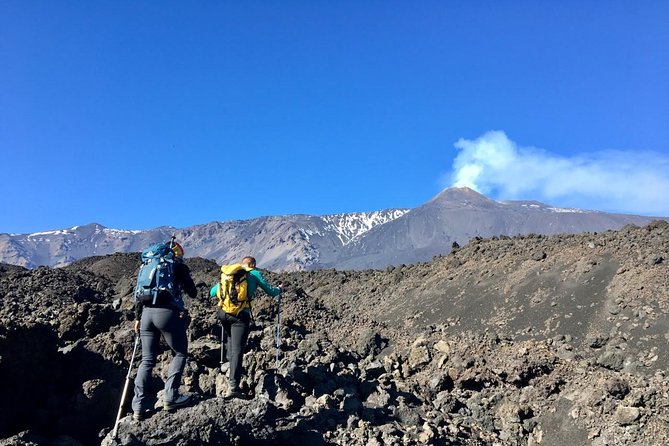
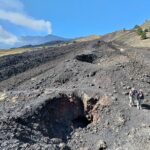
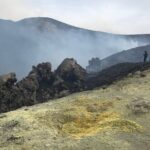
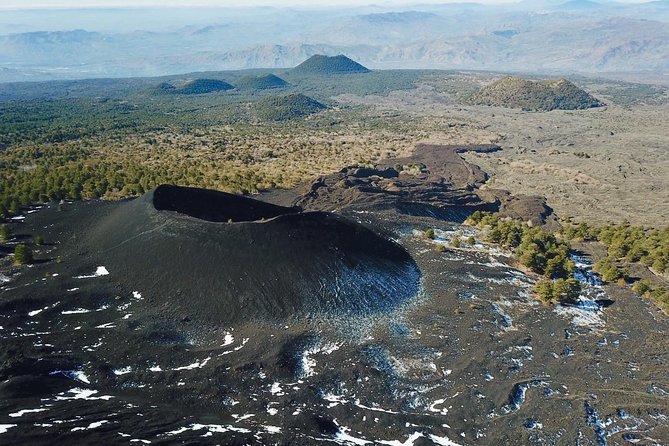
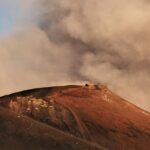
After you’ve gotten moving, the tour heads to the Silvestri craters—spectacular lateral eruptive cones tied to the 1892 eruption.
This is a short stop, but it’s designed to give you a strong visual payoff. Lateral cones are a reminder that eruptions don’t only happen from the main summit. They can open elsewhere on the volcano, building up new shapes and structures that last long after the lava stops.
For your photo time, this is where you’ll want your camera ready and your thinking cap on. Try to picture not just the cones you’re seeing now, but how a sideways eruption would stack material and create a new pattern across the slopes.
Stop 3: Grotta Intraleo—lava tubes explained underground
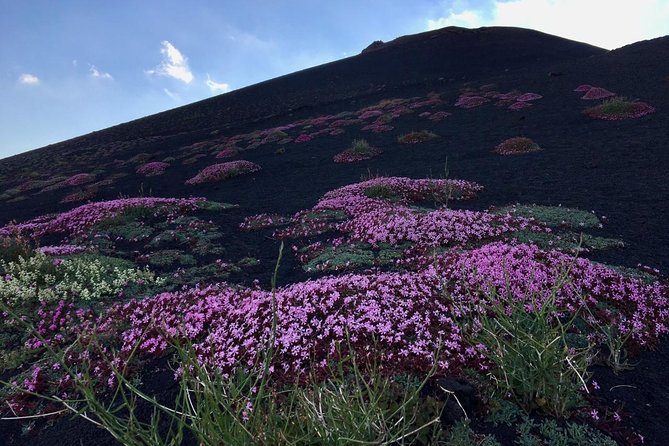
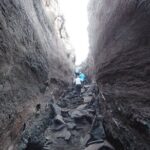
Then comes one of the coolest parts of the day: a visit to Grotta Intraleo (or a similar cave on the same theme). You’ll go down into lava-tube meanders with a speleologist helmet and lights.
Why this works so well for you as a visitor: a volcano makes more sense when you can see the results of the process in 3D. Lava tubes form when lava flows and then drains away, leaving hollow channels behind. Inside, those tunnels and shapes are a physical explanation, not just a theory.
A quick tip: plan for it to feel cooler than outside. And bring a mental note that you’ll be looking around a lot while walking in the cave space. The helmet-and-lights setup is included, which means you’re not scrambling for gear at the last minute.
The farm stop at MontataGrande: lunch plus tastings on the Etna slopes
At some point, you’ll stop being a spectator and start being a guest. The tour includes lunch and a tasting at MontataGrande – AgricolTour & Gusteria dell’Etna.
This isn’t just a sit-down meal. It’s also a structured tasting of typical Etna products, which can include:
- Wine
- Liqueurs
- Oil
- Zafferana honey
- Sweet creams and salty pesto
- Bronte pistachio
…and more Sicilian specialties depending on what’s on offer.
The farm lunch part is what makes the tour feel like value for your money. You’re not only paying for transportation and viewpoints—you’re paying for a planned experience that connects the volcano to local agriculture. Etna’s soils and microclimates influence what people grow and how they make products, so the tasting isn’t random. It’s a grounded way to understand life on this mountain.
Stop 4: Valle del Bove—the natural amphitheater feeling
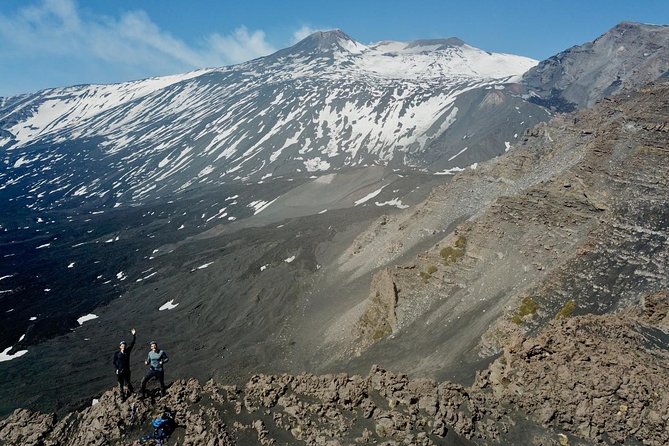
Next, you’ll watch the spectacle of Valle del Bove, described as a natural amphitheater created by the collapse of ancient eruptive centers.
If you like big natural geometry—craters, collapse zones, bowl-shaped valleys—this is the kind of stop that makes the day feel complete. Valle del Bove is the payoff for all the earlier talk about eruptions and lateral cones. It shows you the aftermath of large-scale structural change, not just fresh cones.
Even if you don’t know the geology terms, you’ll get the idea fast. Look for the way the walls curve and the way the area reads like a stage built from volcanic events.
Stop 5: How the day stays coherent (instead of feeling like a checklist)
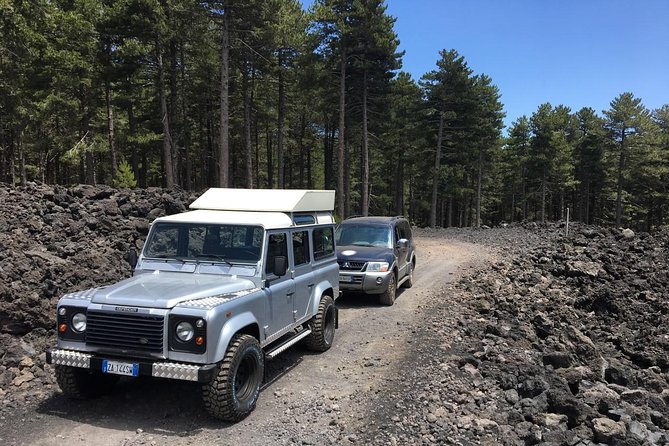
One thing that makes this tour feel well designed is the flow. You walk early, explore volcanic features in a tight window, then pivot to food and countryside, and end with a big-picture view.
It also helps that the tour covers three sides of the volcano. That’s not just a claim for marketing—it changes the perspective you get on Etna. If you only see one side, you miss how the terrain and views shift as the mountain turns toward different directions.
And because it’s a small group capped at 8, your day is less likely to feel like you’re waiting for a long chain of people. Short stops can still feel efficient when the group stays compact.
Who this tour suits best
This is a great match if you:
- Want an Etna day that mixes action and comfort instead of only driving.
- Like structured experiences, not just wandering.
- Enjoy food stops where local products are part of the story.
- Prefer smaller groups (max 8) and expect more Q&A time with your guide.
It might be less ideal if you:
- Don’t like trekking or aren’t comfortable with closed-footwear requirements.
- Want a fully effortless day with no physical component.
Guide energy and the vibe you’re likely to get
Good guides make the volcano less scary and more understandable. One name that pops up in feedback is Sebastián, praised for being kind, relaxed, and able to share information in an engaging way—always paying attention to the group.
That style matters because Etna can feel intimidating if someone only talks about danger. When the guide keeps things calm and clear, you can actually enjoy what you’re seeing: rock formations, eruption shapes, and the logic behind what’s where.
Value check: is $168.19 per person a fair deal?
For $168.19 per person, you’re not just paying for a drive. You’re getting:
- Air-conditioned vehicle
- A morning trek (8–10 km)
- An afternoon 4×4 tour
- Cave time with helmet and lights
- Lunch and a substantial tasting at a farm (MontataGrande)
- A planned set of Etna features, including Silvestri craters and Valle del Bove
You’d usually pay extra separately if you tried to DIY all of that: transportation up the mountain, a guided cave visit setup, and a proper lunch/tasting on the slopes. The farm element is a big part of the value. It turns the day from scenic sightseeing into a “do and eat” experience.
What to know before you go (so the day runs smoothly)
A few real-life details can make or break volcano days:
- Bring your closed or trekking shoes or plan to hire them if offered.
- Dress for changing conditions. Etna weather can shift during the day, and higher areas can feel cooler.
- The tour requires good weather. If conditions are poor, you’ll be offered a different date or a full refund.
- You’ll start at 8:45 am and return to the meeting point around the end of the day. It’s a full one.
Pickup is available, but it’s not free. You can use a shuttle service for an extra fee depending on where you’re coming from, with payment to the driver.
Should you book Etna Grantour?
I’d book it if you want a complete Etna experience that mixes walking, geology-focused stops, a lava-tube cave, and a proper lunch/tasting on the farm. The small-group size and the way the day is paced (trek, then 4×4, then food, then a final big-view stop) make it feel designed rather than thrown together.
I’d think twice if you’re not up for a moderate trek or if you expect a lightweight, short stop itinerary. This is a day trip that asks a bit from your legs—then rewards you with views you can’t really get from the road and food that connects to how Etna life works.
FAQ
What’s included in the Etna Grantour tour?
The tour includes an air-conditioned vehicle, visits covering three sides of Etna, a morning trekking portion (about 8–10 km) plus an afternoon 4×4 tour, a volcanic cave visit with speleologist helmet and lights, and lunch with tastings of typical Etna products on the farm.
Is lunch included?
Yes. Lunch and tastings of typical Etna products are included during the farm stop at MontataGrande – AgricolTour & Gusteria dell’Etna.
How long is the tour?
It runs about 9 hours.
Where does the tour start?
It starts at MontataGrande – AgricolTour & Gusteria dell’Etna, Via Dottore Giuseppe Zappala, 45, 95039 Trecastagni CT, Italy.
Is pickup available?
Pickup is offered. There is also an extra shuttle service for a fee, with different round-trip costs depending on where you’re picked up.
What should I wear?
Closed or trekking shoes are compulsory. Rental of closed or trekking shoes is available for hire, but it is not included.
How physically demanding is it?
It requires moderate physical fitness level, mainly because of the morning trekking (about 8–10 km).